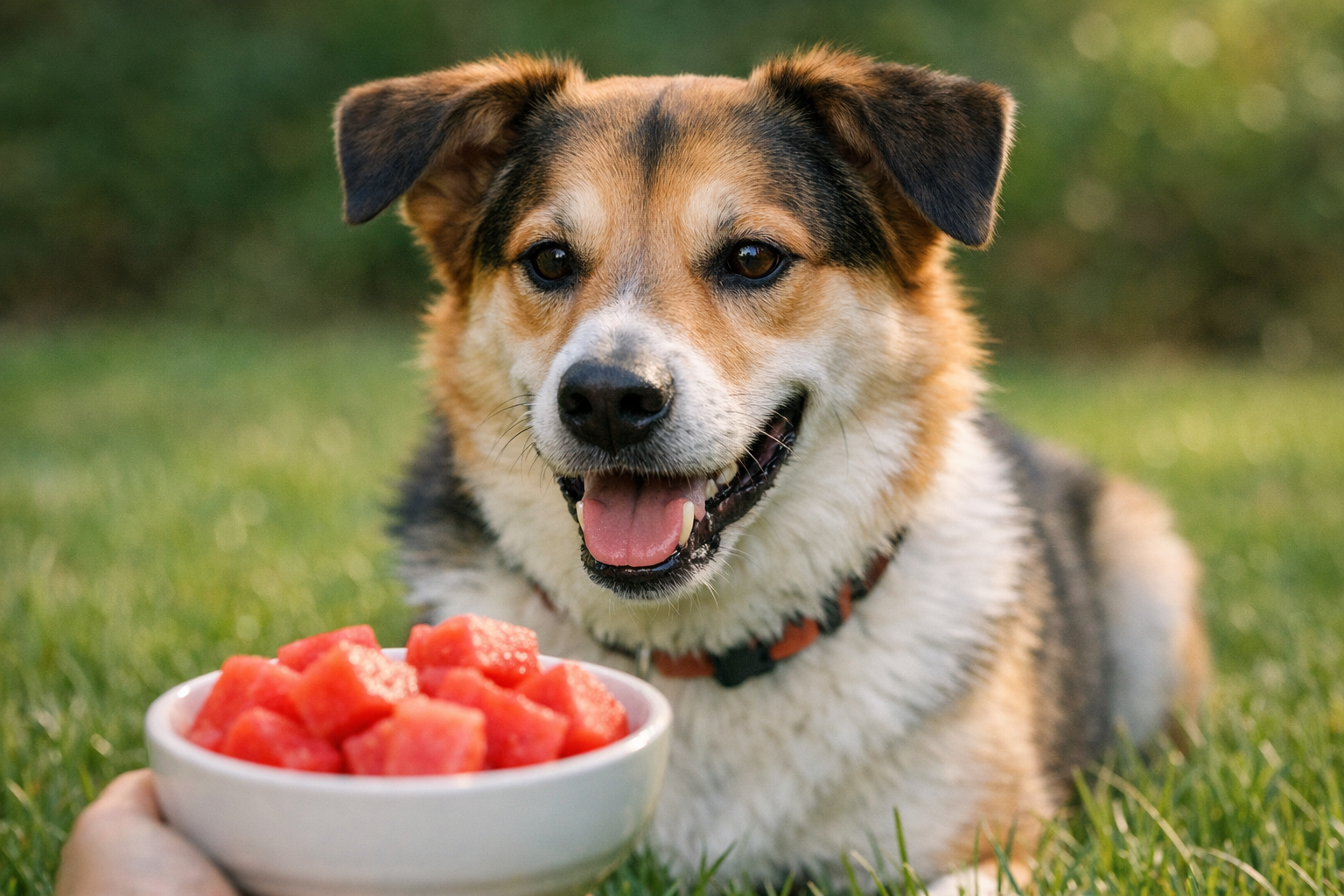
Is Diamond Naturals a Good Dog Food?
Is Diamond Naturals a good dog food? A plain-English look at ingredients, recalls, grain-free options, and which dogs usually do best on it.
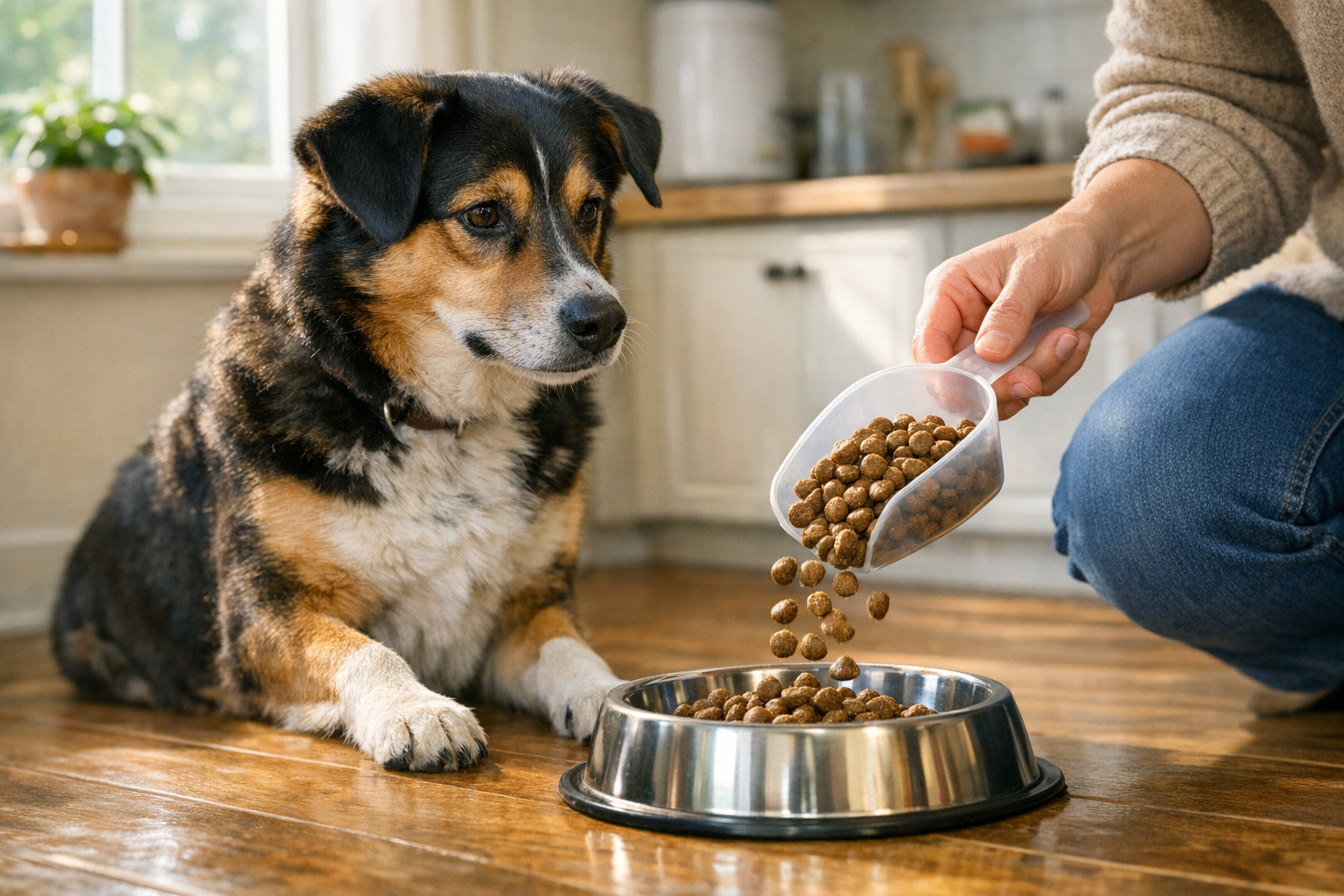
Short answer, yes, Diamond Naturals is a good dog food for a lot of dogs. It is not the best food on the market, and it is not the right fit for every sensitive stomach or medical case, but it is usually better than many budget kibbles sitting on a big-box store shelf.
That is really the lane Diamond Naturals fits. It is a solid mid-range food with decent ingredients, life-stage options, and a price that real people can actually live with.
What makes a dog food good in the first place?
A good dog food is not just one with a nice label and a wolf on the bag. I look for a few boring things first, because boring is what keeps dogs healthy.
It should meet AAFCO nutrient standards for the right life stage. It should have a clear protein source, appropriate calories, and a formula that matches your dog, not somebody else's Lab on the internet.
Digestibility matters more than marketing. If your dog has normal stools, a healthy coat, good energy, stable weight, and no constant itching or gassiness, that food is doing a lot right.
The opposite is also true. A fancy ingredient list means very little if your dog gets loose stool, gains weight fast, or acts miserable after every meal.
Where Diamond Naturals usually does well
For the money, Diamond Naturals is often a respectable option. Many formulas use named animal proteins like chicken, lamb, beef, or fish meal instead of hiding behind vague terms.
That scares some owners because of the word meal. It should not, at least not by itself. Meat meal can be a concentrated, perfectly useful protein source in kibble.
A lot of the grain-inclusive formulas are pretty sensible. You will often see ingredients like rice or barley instead of a pile of filler and not much else.
I also like that the brand has formulas for puppies, adults, seniors, small breeds, and large breeds. That matters more than people think, because the best food for a couch-loving senior is not the same as the best food for a young, busy dog who treats every walk like a mission.
Another plus is price. I would rather see a dog consistently eating a decent food that fits the budget than bouncing between premium bags the owner cannot keep buying.
The parts I would not ignore
Diamond Naturals is good, but it is not above criticism. Some formulas lean heavily on plant ingredients, and some dogs simply do not do as well on those recipes.
This comes up most often with dogs who have touchy stomachs, frequent gas, or skin issues. On paper the food can look fine, but the dog in front of you is what counts.
The brand also has recall history. The big one many owners remember is the 2012 Salmonella recall tied to Diamond products.
That does not mean the food is bad today. It does mean I would not wave away quality-control questions with a shrug and say every company has problems. Recalls matter, and they should be part of how you judge trust.
I am also not impressed by the little superfood extras brands love to advertise. Blueberries, kale, and similar add-ins sound nice, but they are not the reason a kibble is or is not good.
Is the ingredient quality actually good?
Usually, yes, with some limits. Diamond Naturals tends to land in the range I would call good enough to genuinely solid, rather than elite.
That is not an insult. Most dogs do not need an elite boutique formula. They need complete nutrition, sensible calories, and ingredients they digest well.
If you read the label, focus on the first several ingredients, the guaranteed analysis, and the calorie count. Do not obsess over one ingredient pulled out of context.
For example, grains are not automatically bad. In healthy dogs, grains can be a useful source of energy and fiber, and plenty of dogs do very well on them.
Likewise, grain-free is not automatically better. If a grain-free Diamond Naturals recipe works for your dog, fine. I just would not choose grain-free because it sounds cleaner or more natural.
Which dogs usually do well on Diamond Naturals
Healthy adult dogs often do just fine on it. If your dog has no known food allergy, no chronic digestive issue, and needs a reliable everyday kibble, Diamond Naturals is often a reasonable pick.
Small dogs can do well on it, but portion accuracy matters a lot more with tiny breeds. A few extra mouthfuls can really show up on a little body like a Pomeranian feeding guide or a Silky Terrier feeding guide.
For medium active dogs, I usually care most about keeping weight steady and stools consistent. That is true for dogs with moderate energy and hearty appetites, including breeds in a Cocker Spaniel feeding guide, an Irish Terrier feeding guide, or a Taiwan Dog feeding guide.
Larger dogs can also do well, especially on formulas made for large breeds or all life stages used carefully. Growth rate and joint stress matter more in a big dog, whether you are feeding an Old English Sheepdog guide or a Rafeiro do Alentejo guide.
If you have a dog with normal digestion and no fussy history, this brand is often worth trying. That is especially true if your alternative is a cheaper food with weaker protein sources and less thoughtful formulas.
When I would choose something else
I would probably look elsewhere first for a dog with a true food allergy, repeated pancreatitis, chronic diarrhea, inflammatory bowel disease, or a disease that needs a veterinary diet. That is not a knock on Diamond Naturals. It is just the reality that some dogs need more targeted nutrition.
The same goes for dogs with diagnosed health problems. If your dog has one of the common dog diseases that affects diet choices, your vet's plan should outrank any brand review.
Large-breed puppies also deserve extra care. Rapid growth, excess calories, and calcium balance matter a lot, so I would not wing it with whatever bag is on sale.
Very overweight dogs are another group where details matter. Even a decent food can become a problem if the calorie density is high and the measuring is sloppy.
Grain-inclusive or grain-free, which is smarter?
For most dogs, I lean grain-inclusive unless there is a clear reason not to. That is the safer boring answer, and boring wins a lot in dog nutrition.
The reason is simple. Grain-free diets have been looked at closely because of concerns about a possible link between some legume-heavy formulas and dilated cardiomyopathy in certain dogs.
The science is not fully settled, and no one should pretend it is. Still, if your dog does not need grain-free, I do not see much upside in choosing it just because it sounds premium.
If you want to try Diamond Naturals, a grain-inclusive recipe is often the first place I would start. Then you can judge results based on your actual dog instead of food trends.
How to tell if Diamond Naturals is working for your dog
Give the food a fair trial, usually a few weeks after a gradual transition. Then look at your dog, not the bag.
Good signs are pretty plain. Stool should be formed, the coat should feel healthy, your dog should maintain a sensible weight, and mealtime should not end with burping, gas, or frantic grass-eating.
Watch the skin too. More paw licking, ear debris, face rubbing, or recurrent soft stool after a switch can mean the formula is not agreeing with your dog.
And do not blame every weird thing on food. If your dog starts breathing hard at rest, that is not a wait-and-see nutrition issue. That is a symptom worth taking seriously.
Same idea with sleep movements. Owners sometimes change foods because they notice twitching and assume the kibble caused it, when the answer is often simpler, and these sleep shaking causes are usually unrelated to dinner.
How to switch to Diamond Naturals without creating a mess
Go slowly. I usually suggest 7 to 10 days, longer if your dog has a sensitive stomach.
Start with about 25 percent new food and 75 percent old for a couple of days. Then move to half and half, then 75 percent new, then fully switch if stools stay normal.
Measure the food. Do not eyeball it. A decent kibble can still cause weight gain fast if the cup is generous and the treats keep flowing.
If your dog always acts starving, food is only part of the picture. More chewing, sniffing, and problem-solving can help, and good dog enrichment toys often reduce the constant kitchen stalking.
House rules matter too. If everyone slips table scraps and the dog spends every evening fishing for snacks on the furniture, you will have a harder time judging any food fairly, so tighten up those dog off couch tips and feeding habits at the same time.
Multi-pet homes get tricky fast. If you are also managing cats, the early kitten and dog setup matters more than people realize, because a dog raiding cat food can ruin your calorie math and make a good dog food look like the problem.
So, is Diamond Naturals a good dog food?
Yes, for many dogs it is. It is a solid mid-priced kibble with decent ingredients, sensible options, and enough consistency to make it a realistic choice for everyday feeding.
No, it is not perfect. Some formulas will suit your dog better than others, grain-free is not automatically the smart move, and dogs with medical or digestive issues may need a more specialized food.
If your dog is healthy and you want a food that is better than basic bargain kibble without jumping into top-shelf pricing, Diamond Naturals is often a fair choice. Just judge it the right way, by your dog's body, stool, skin, energy, and long-term health, not by whether the bag sounds impressive.