10 Common Dog Diseases Every Owner Should Know
Over 80% of dogs develop dental disease by age 3, and 1 in 4 will face cancer. Learn the 10 most common dog diseases, their early warning signs, and how to prevent them.
Knowing what conditions your dog is most likely to face — and what the early signs look like — is one of the most practical things you can do as an owner. Most serious illnesses are far more treatable when caught early, and several of the most common dog diseases are almost entirely preventable.
This guide covers the 10 conditions vets treat most often, based on insurance claims data, veterinary research, and population studies. For each one, you'll find how common it is, what to watch for, and what you can do about it.
TL;DR: Dental disease affects over 80% of dogs by age 3 (American Veterinary Dental Society), cancer strikes 1 in 4 dogs over their lifetime (AVMA), and heartworm has surpassed 1.2 million cases in the US (American Heartworm Society). Most of these conditions are preventable or far more manageable when caught early — which is why knowing the signs matters.
1. Periodontal (Dental) Disease
More than 80% of dogs over age 3 show some degree of periodontal disease, making it the single most common condition diagnosed in dogs (American Veterinary Dental Society). Some studies put the figure closer to 89%. Dental disease starts with plaque buildup, progresses to tartar and gum inflammation, and eventually causes bone loss and tooth loss. The bacteria involved can enter the bloodstream and damage the heart, kidneys, and liver — which is why this is a systemic health issue, not just a cosmetic one.
The problem is largely invisible to owners until it's advanced. Early periodontal disease has no visible symptoms beyond mild bad breath. By the time you notice a dog dropping food, pawing at the mouth, or refusing to chew on one side, the disease is usually well established.
What to watch for: persistent bad breath, yellow or brown buildup on teeth, red or swollen gums, bleeding when chewing, reluctance to eat hard food, or pawing at the mouth.
Prevention: daily tooth brushing with dog-safe toothpaste is the gold standard. Annual dental cleanings under anesthesia catch what brushing misses. Dental chews and water additives help but shouldn't replace brushing.
2. Cancer
Cancer is the leading cause of death in dogs over 10, and 1 in 4 dogs will develop it at some point in their lifetime (AVMA). For dogs over 10, that risk rises to 1 in 2. The most common types include mast cell tumors, lymphoma, osteosarcoma (bone cancer), melanoma, and hemangiosarcoma. Outcomes vary dramatically depending on type, location, and how early the disease is found.
What most owners don't realize: Many dogs mask pain and illness effectively. A dog with internal cancer may show nothing beyond subtle behavior changes — sleeping more, being slightly less enthusiastic on walks — for months before obvious clinical signs appear. Annual wellness exams with bloodwork are the most reliable early detection tool available, not waiting for visible symptoms.
What to watch for: new lumps or bumps that appear or change shape, unexplained weight loss, persistent lameness, difficulty breathing or swallowing, sores that don't heal, abnormal discharge, or sudden loss of appetite.
The earlier cancer is caught, the more treatment options exist. Some tumors — certain skin mast cell tumors, for instance — are curable with surgery alone. Others, like hemangiosarcoma (which can rupture internally without warning), are often found at a late stage. Regular hands-on physical exams by your vet are how most early tumors get found.
3. Obesity
Between 30% and 40% of dogs in the US are overweight or obese, with some breed-specific and regional studies reporting even higher rates (PMC, 2018). Obesity isn't a cosmetic issue — it's a disease that shortens lifespan and significantly raises the risk of osteoarthritis, diabetes, cardiovascular disease, respiratory problems, and certain cancers. Overweight dogs live, on average, 2.5 fewer years than dogs at a healthy weight.
What to watch for: you can't feel the ribs without pressing; no visible waist tuck when viewed from above; a rounded, pendulous belly; reduced willingness to exercise; or difficulty getting up after lying down.
The most common cause is owner underestimation of calorie density in treats. If treats make up more than 10% of your dog's daily calorie intake, gradual weight gain is almost certain. Your vet can calculate your dog's ideal daily calorie target and recommend a weight loss plan.
Mental stimulation helps too — a bored dog begs more. For enrichment ideas that provide exercise and mental engagement, see top dog enrichment toys.
4. Osteoarthritis
At least 20% of all dogs — regardless of age — show evidence of osteoarthritis, and the real figure is likely higher since many cases go undiagnosed (VCA Animal Hospitals). In large breeds and older dogs, prevalence is substantially higher. Osteoarthritis involves the progressive breakdown of joint cartilage, causing pain, stiffness, and reduced mobility. It can't be reversed, but it can be managed well enough that most dogs maintain good quality of life.
What owners consistently miss: Arthritis in dogs often goes unmanaged for months or years because the signs are subtle and gradual. A dog that's "slowing down with age" may actually be in significant daily pain. A brief trial of anti-inflammatory medication prescribed by a vet is often the fastest way to confirm the diagnosis — the change in energy and mobility when pain is treated is frequently dramatic.
What to watch for: stiffness after rest, hesitation before jumping or climbing stairs, a changed gait, lagging behind on walks, or shifting weight while standing. Many dogs don't vocalize pain at all.
If your dog seems quieter or less engaged than usual, see why dogs look sad — behavioral changes like that are often a pain signal.
Management typically includes weight control (less weight means less joint load), omega-3 fatty acids, joint supplements, NSAIDs or prescription pain medication, and in some cases physical therapy. Cold and damp conditions consistently worsen symptoms.
5. Heartworm Disease
More than 1.2 million dogs in the United States are currently infected with heartworm — a serious, potentially fatal parasitic disease transmitted through mosquito bites (American Heartworm Society). Adult heartworms live in the heart, lungs, and blood vessels, and can reach 12 inches long. Without treatment, the infection progressively destroys the cardiovascular system.
Treatment for established heartworm disease is expensive (typically $1,000–$1,500), lengthy (3–6 months of strict cage rest), and hard on the dog. Prevention is a monthly oral or topical medication costing a few dollars per month — and it's nearly 100% effective.
What to watch for: a persistent dry cough, fatigue after mild exercise, reduced appetite, and weight loss. In advanced cases, a swollen abdomen from fluid accumulation. Early infection has no symptoms at all, which is why the American Heartworm Society recommends annual testing even for dogs on prevention.
According to a 2024 Banfield Pet Hospital survey, nearly 40% of dog owners don't believe their pet is at risk — despite heartworm cases being diagnosed in all 50 states (Banfield, 2024). Only one-third of US dogs received even a single dose of heartworm preventive in 2023. Geographic expansion is ongoing — states that historically had low rates, including Washington, Oregon, and Massachusetts, are now seeing unexpected increases.
6. Parvovirus
Canine parvovirus is one of the most dangerous infectious diseases in unvaccinated dogs — with a mortality rate exceeding 90% without treatment, and a survival rate above 90% with prompt, aggressive supportive care (VCA Animal Hospitals). The virus attacks the intestinal lining and immune system simultaneously, causing severe vomiting, bloody diarrhea, dehydration, and secondary bacterial sepsis. Puppies and young dogs are most vulnerable.
It is fully preventable through the standard core vaccine series. Immunity with proper booster timing is excellent.
What to watch for: lethargy, loss of appetite, repeated vomiting, and severe diarrhea — often bloody and extremely foul-smelling — in unvaccinated or incompletely vaccinated puppies. Symptoms escalate fast. A puppy that seems slightly off in the morning can be in critical condition by evening.
Parvovirus is extremely hardy in the environment — it can survive on surfaces for months and resists most household cleaners. If a dog in your area has been diagnosed, a diluted bleach solution (1 part bleach to 32 parts water) is the only reliable disinfectant for contaminated surfaces.
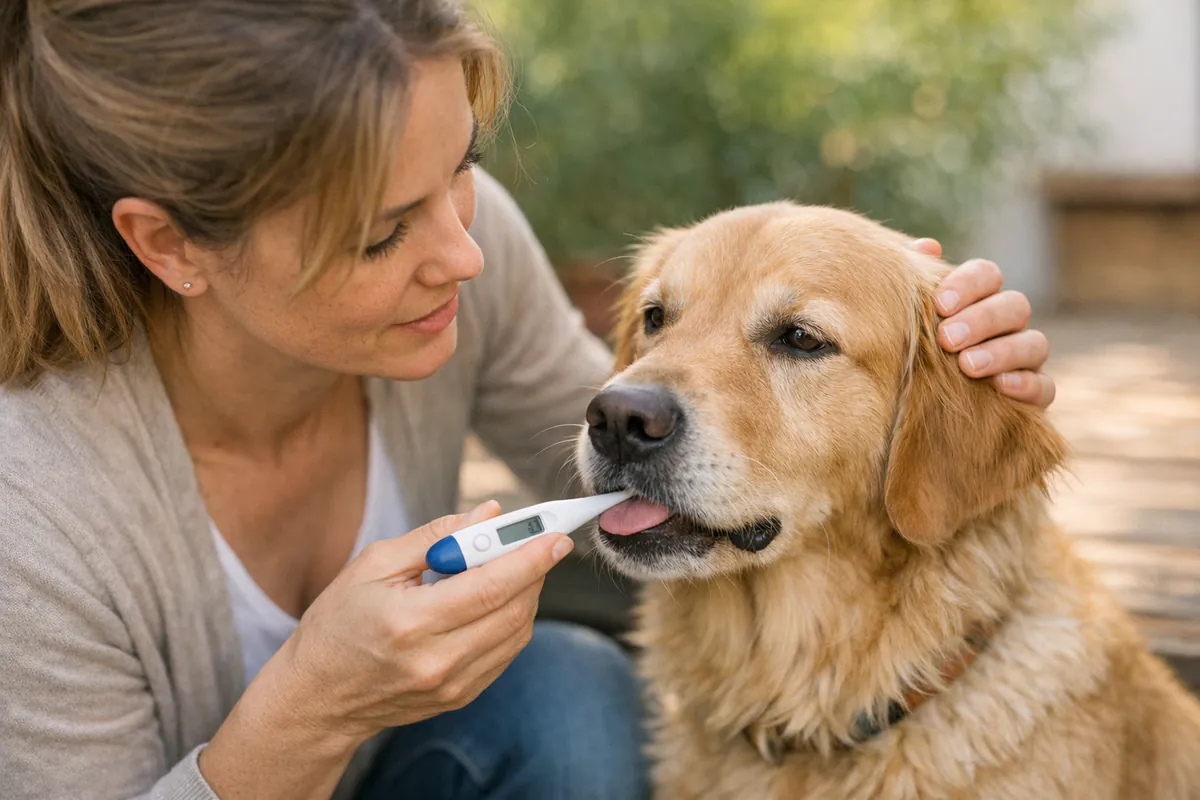
If your dog develops a high fever alongside GI symptoms, see how to tell if your dog has a fever.
7. Kennel Cough (CIRDC)
Kennel cough — now more precisely called Canine Infectious Respiratory Disease Complex (CIRDC) — is a highly contagious respiratory illness affecting dogs that have contact with other dogs. Multiple pathogens contribute, with Bordetella bronchiseptica and canine parainfluenza virus among the most common (Cornell University College of Veterinary Medicine). Most healthy adult dogs recover without treatment within 1–2 weeks. In puppies, elderly dogs, or immunocompromised dogs, it can progress to pneumonia.
What to watch for: a harsh, honking cough that sounds like something is stuck in the throat, retching after coughing, nasal discharge, and sneezing. Dogs with mild kennel cough usually remain alert and eating normally — a reassuring sign. Loss of appetite, labored breathing, or lethargy alongside the cough suggests a more serious secondary infection.
If your dog has nasal discharge alongside the cough, see why dogs have runny noses for help interpreting the symptom.
Prevention: vaccines are available for the most common causative agents (Bordetella, parainfluenza). They don't guarantee immunity against all strains but significantly reduce severity and transmission. Recommended for any dog attending daycare, boarding, grooming, training classes, or dog parks.
8. Allergies and Atopic Dermatitis
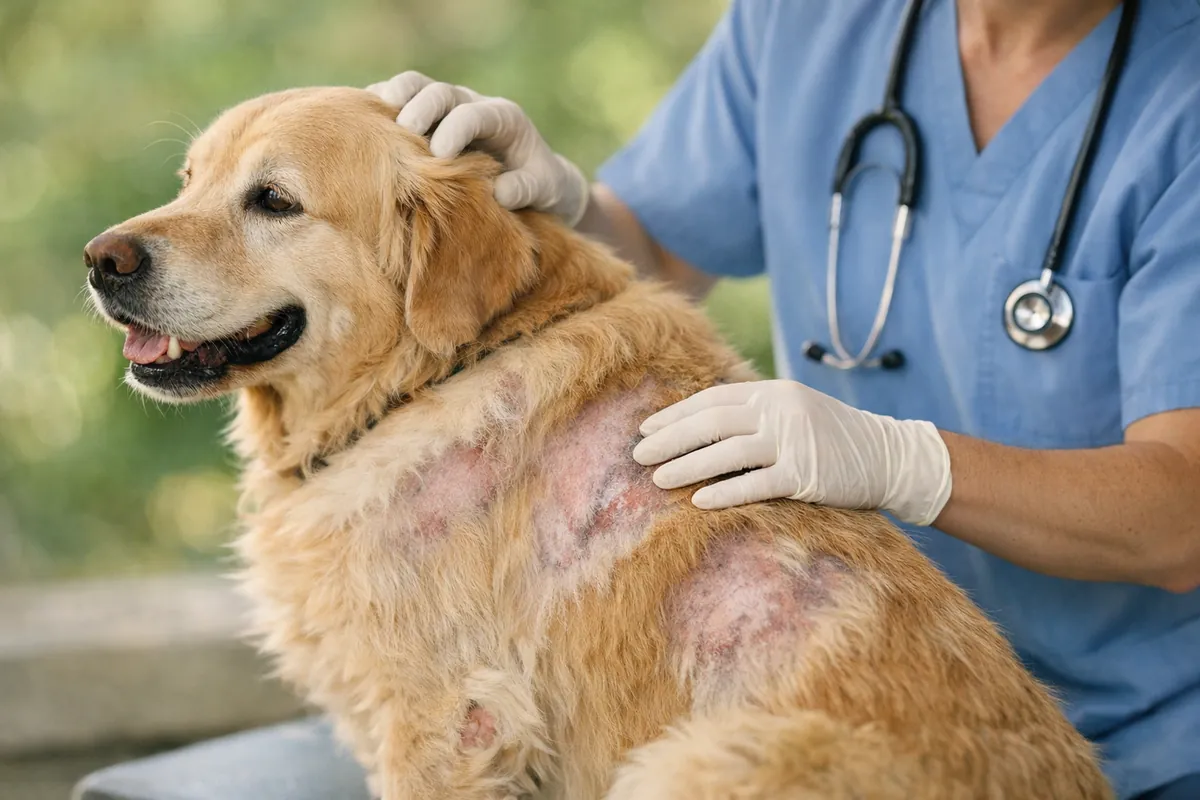
Environmental allergies — known as canine atopic dermatitis — affect an estimated 10–15% of dogs, making allergic skin disease one of the most common reasons for vet visits (PMC, 2024). Food allergies and flea allergy dermatitis (FAD) are also prevalent. Unlike humans, who primarily sneeze with environmental allergies, dogs manifest allergic responses mainly through their skin — particularly the paws, ears, belly, and flanks.
What to watch for: excessive scratching or licking of paws, recurring ear infections, red or inflamed skin, hair loss, and skin that's thickened or darkly pigmented from chronic scratching. Seasonal patterns (worse in spring and fall) point toward environmental allergens; year-round symptoms point toward food or dust mites.
The pattern that signals allergies: Recurring ear infections are almost always a sign of an underlying allergy, not a primary ear problem. Treating the ear alone leads to a cycle of recurrence. The same principle applies to paw licking that improves on certain diets or worsens in certain seasons — the trigger matters as much as the symptom.
If your dog is losing hair alongside the skin irritation, see why dogs lose hair for a breakdown of allergic versus other causes.
Management ranges from consistent flea prevention (the first step for any itchy dog) to 8–12 week elimination diet trials (for food allergy diagnosis) to long-term immunotherapy and prescription medication for atopic dermatitis. A veterinary dermatologist can conduct allergy testing and build a targeted plan.
9. Diabetes
Canine diabetes occurs when the pancreas can't produce sufficient insulin (Type 1 is most common in dogs), causing chronically elevated blood glucose that damages organs over time. The condition requires lifelong daily insulin injections and routine monitoring — but dogs with well-managed diabetes live normal, full lives. Obesity and chronic pancreatitis are significant risk factors; spayed female dogs are overrepresented.
What to watch for: increased thirst (noticeably drinking more), increased urination (accidents in a previously housetrained dog), weight loss despite a normal or increased appetite, and cloudy eyes. Cataracts develop in a high proportion of diabetic dogs and often appear quickly once blood glucose is elevated.
The classic triad — a dog drinking and urinating noticeably more while losing weight despite eating well — is usually what brings owners to the vet. Bloodwork and a urinalysis confirming elevated glucose establish the diagnosis. Early diagnosis means a higher chance of achieving good glycemic control before secondary complications develop.
10. Hypothyroidism
Hypothyroidism — underactivity of the thyroid gland — is one of the most common endocrine disorders in dogs, particularly affecting middle-aged and older medium to large breeds. The thyroid controls metabolism, and when it underperforms, every bodily system slows down. Golden Retrievers, Labrador Retrievers, Doberman Pinschers, and Boxers show higher breed prevalence.
What to watch for: unexplained weight gain without increased appetite, lethargy and reduced exercise tolerance, a dull or thinning coat, excessive shedding, and cold intolerance. Some dogs also show behavioral changes — reduced engagement, apparent sadness — that are easy to attribute to "just getting older."
Diagnosis is a simple blood test measuring thyroid hormone levels (T4). Treatment is a twice-daily oral medication (levothyroxine) that's inexpensive and highly effective. Most dogs show marked improvement within 4–8 weeks of starting treatment — energy comes back, coat quality improves, and weight normalizes.
Frequently Asked Questions
What is the most common disease in dogs?
Periodontal (dental) disease is the most common condition in dogs, affecting over 80% of dogs by age 3 (American Veterinary Dental Society). It's largely preventable through daily tooth brushing and annual professional dental cleanings. Most owners don't realize it's present because early stages cause only bad breath — visible symptoms come much later.
Can dogs recover from parvovirus?
Yes — with prompt, aggressive treatment, survival rates exceed 90% (VCA Animal Hospitals). Without treatment, the mortality rate can exceed 90%. Treatment involves intensive hospital care: IV fluids, anti-nausea medication, and antibiotics to prevent secondary infection. Vaccination is the only reliable prevention and is part of every standard puppy series.
How do I know if my dog has arthritis?
Early arthritis is subtle: stiffness after rest, hesitation before jumping, reluctance to climb stairs, or a slight change in gait. Many dogs don't vocalize pain at all. If your dog is slowing down, avoiding stairs, or less engaged than usual, a vet exam with a pain assessment is worth scheduling. See why your dog looks sad for more on behavioral signs of pain.
Is heartworm preventable?
Yes — completely, with monthly preventive medication given year-round. Over 1.2 million US dogs are currently infected (American Heartworm Society), despite prevention being nearly 100% effective and widely available. Annual testing is recommended even for dogs on prevention, as no preventive is fully effective if doses are missed or late.
What are the early signs of dog allergies?
Frequent paw licking, recurring ear infections, and itchy, inflamed skin — especially on the belly, flanks, and around the eyes — are the earliest signs. Seasonal patterns suggest environmental allergies; year-round symptoms point toward food or dust mites. See why dogs lose hair for allergy-related coat and skin changes.
What to Do With This Information
None of these diseases require you to become a veterinary expert. What they require is knowing the warning signs well enough to act early — because for every condition on this list, earlier detection means better outcomes, lower treatment costs, and less suffering for your dog.
The practical takeaways: keep up with annual wellness exams and bloodwork, maintain a daily dental care routine, use year-round heartworm prevention, and keep your dog at a healthy weight. Those four habits address the majority of preventable dog disease burden.
If your dog is showing symptoms you're unsure about — unusual drooling, shaking, or a combination of signs that worries you — don't wait and see. Read why your dog is drooling and shaking for help assessing urgency, or call your vet directly for guidance.