Best Dog Food for Old English Sheepdog in 2026Based on Nutritional Science
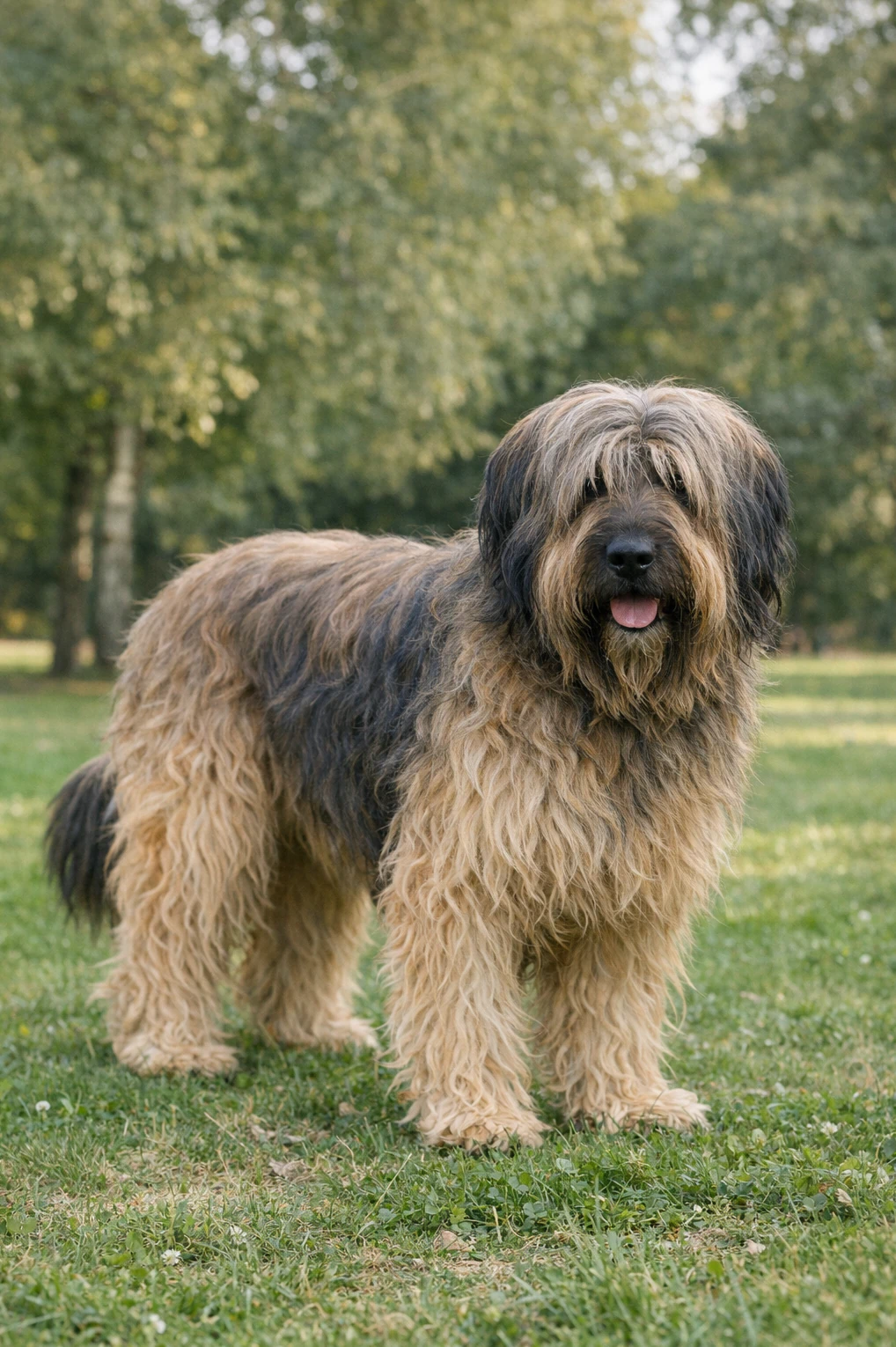
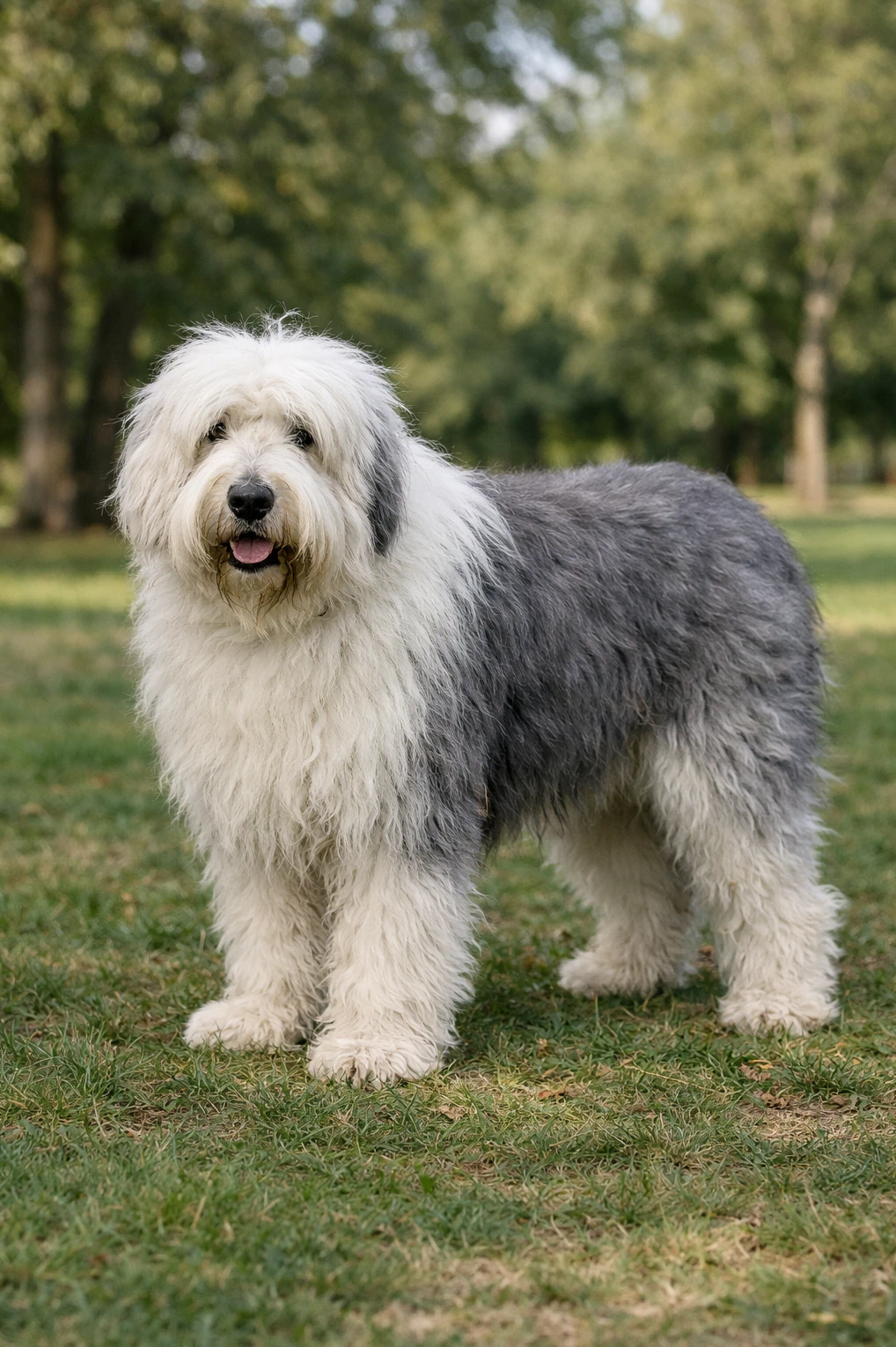
Large, bright Old English Sheepdog males start at 22 inches and 60-100 pounds, calm and versatile in nature.
Nutritional Verdict: feed a balanced, high-quality diet with joint support and coat-friendly nutrients.
Understanding the Old English Sheepdog Metabolism and Energy Needs
Built from dogs that guided flocks, this companion balances bursts of work with calm downtime, so food should support both energy and steady recovery. Their keen problem solving and mellow temperament mean meals should nourish brain and coat without excess calories.
Higher quality protein helps maintain muscle tone and rebuild tissues after activity, while healthy fats supply dense energy and keep a thick coat glossy. Include omega-3 rich oils, such as salmon or flaxseed, and a steady supply of B vitamins to support focus and metabolic health. Carbohydrates should come from whole grains or vegetables for slow-release fuel, avoiding spikes that encourage weight gain.
Because these dogs often carry extra mass, cartilage support like glucosamine and chondroitin can protect joints, and moderate fiber aids digestion and portion control. A balanced, nutrient-dense diet keeps this type joyful and capable.
Managing Old English Sheepdog Genetic Health Risks Through Nutrition
Hip Dysplasia
Helpful nutrients
Eye Conditions (PRA, Hereditary Cataracts)
Helpful nutrients
Autoimmune Thyroiditis
Helpful nutrients
Cardiac Anomalies
Helpful nutrients
Hereditary Deafness
Helpful nutrients
Cerebellar Ataxia
Helpful nutrients
Primary Ciliary Dyskinesia
Helpful nutrients
Drug Sensitivity
Helpful nutrients
Exercise-Induced Collapse
Helpful nutrients
Obesity
Helpful nutrients
Old English Sheepdog Feeding & Calorie Calculator
Estimated Daily Calories
Tip: Start with this amount and adjust after 2–3 weeks based on your dog's body condition and weight trend.
This estimate provides a starting point for feeding. Individual calorie needs may vary depending on metabolism, body condition, and health status. Always monitor your dog's weight and consult your veterinarian when adjusting diet.
Foods and Ingredients to Avoid for Old English Sheepdog Dogs
Old English Sheepdogs can be prone to weight gain and excess fat in the diet raises the risk of pancreatitis, a painful and potentially serious condition.
Extra body weight also increases stress on hips and elbows, which is important to avoid given this breed's predisposition to hip dysplasia and joint problems.
Keep treats and table scraps low in fat, favor lean proteins and vet-recommended formulations, and check with your veterinarian before adding fatty supplements or rich human foods.
Because this breed often carries extra pounds if allowed, frequent treats and high-starch snacks can quickly push an Old English Sheepdog into an unhealthy weight range.
Excess simple carbohydrates also contribute empty calories without supporting muscle or joint health, which matters for a large, active dog.
Use small, low-calorie training rewards, account for treat calories in daily intake, and choose whole-food or fiber-rich options to help keep weight steady and joints happier over the long term.
Large-breed puppies like Old English Sheepdogs need careful calcium and calorie management to avoid abnormal bone growth and joint disorders.
Too much calcium or overly rich meals can lead to premature, uneven bone development and increase the risk of hip dysplasia and other orthopedic issues later in life.
Feed a diet formulated for large-breed puppies, avoid adding calcium supplements unless directed by your veterinarian, and follow growth-monitoring advice to support steady, healthy development.
Some Old English Sheepdogs show skin sensitivities or allergic tendencies, and artificial preservatives or colorings can trigger itching, digestive upset, or flare-ups in sensitive dogs.
Ingredients such as BHA, BHT, and certain synthetic dyes are more likely to bother dogs with reactive skin or food sensitivities.
Opt for foods with natural preservation methods and minimal additives when possible, and work with your veterinarian if you suspect diet-related skin or coat problems so you can choose a gentler formula.
Onions, garlic, chives and related plants contain compounds that damage canine red blood cells and can cause hemolytic anemia, sometimes after repeated small exposures.
Powdered or concentrated forms found in seasonings and prepared foods can be especially risky, and signs may appear slowly as damage accumulates.
Avoid any foods or treats containing alliums, read labels carefully, and keep household cooking scraps out of reach to protect your dog's blood health and energy levels.
Grapes and raisins can cause acute kidney failure in dogs, chocolate can lead to vomiting, tremors and heart issues, and xylitol, a common sweetener, can produce life-threatening low blood sugar and liver damage.
These toxins act quickly and can be dangerous even in modest amounts, so they are never worth the risk.
Store human treats and sugar-free products securely out of reach, and contact your veterinarian or an emergency clinic immediately if your dog eats any of these items.
Kibble vs Fresh vs Raw for Old English Sheepdog
Different feeding models suit different Old English Sheepdog lifestyles and health needs.
Their large size, long double coat, and predisposition to joint or thyroid issues influence the best dietary choice.
Pros
- Convenient and easy to portion for busy owners.
- Large-breed formulas often include joint support for hip health.
- Consistent nutrient balance supports steady weight and maintenance.
- Long shelf life and predictable feeding costs.
Cons
- Some kibbles contain fillers or low-quality proteins.
- Low moisture content may require extra water intake.
- May not satisfy picky eaters without appetizing toppers.
- Portioning must be precise to prevent obesity.
Pros
- Highly palatable and often loved by picky Old English Sheepdogs.
- High moisture supports digestion and hydration.
- Easy to adjust for joint, thyroid, or allergy issues.
- Full control over ingredient quality and fat levels.
Cons
- Time consuming to prepare balanced meals regularly.
- Risk of nutritional imbalance without veterinary planning.
- Higher ongoing cost and refrigeration needed.
- Richer meals can require more coat care and grooming.
Pros
- High protein and minimal processing can support muscle mass.
- Many owners report shinier coats and increased energy.
- Can be tailored to avoid known food allergens.
- Chewing raw meaty bones may support dental cleanliness with caution.
Cons
- Strict hygiene is essential to prevent bacterial contamination.
- Raw bones can pose choking or tooth injury risks.
- Balancing vitamins and minerals is more complicated.
- Not recommended for households with immunocompromised members.
| Diet Type | Pros for Old English Sheepdog | Potential Downsides |
|---|---|---|
| High-Quality Kibble |
|
|
| Fresh Cooked Food |
|
|
| Raw Diet (BARF) |
|
|
Our Recommendation
For many Old English Sheepdogs, a high-quality large-breed kibble with joint and thyroid support provides a reliable, balanced baseline.
Fresh cooked meals or carefully planned raw diets can help with coat or allergy concerns, but they need veterinary guidance and strict hygiene.
See Also
Breeds with similar group, size, and coat characteristics