Best Dog Food for Beauceron in 2026Based on Nutritional Science
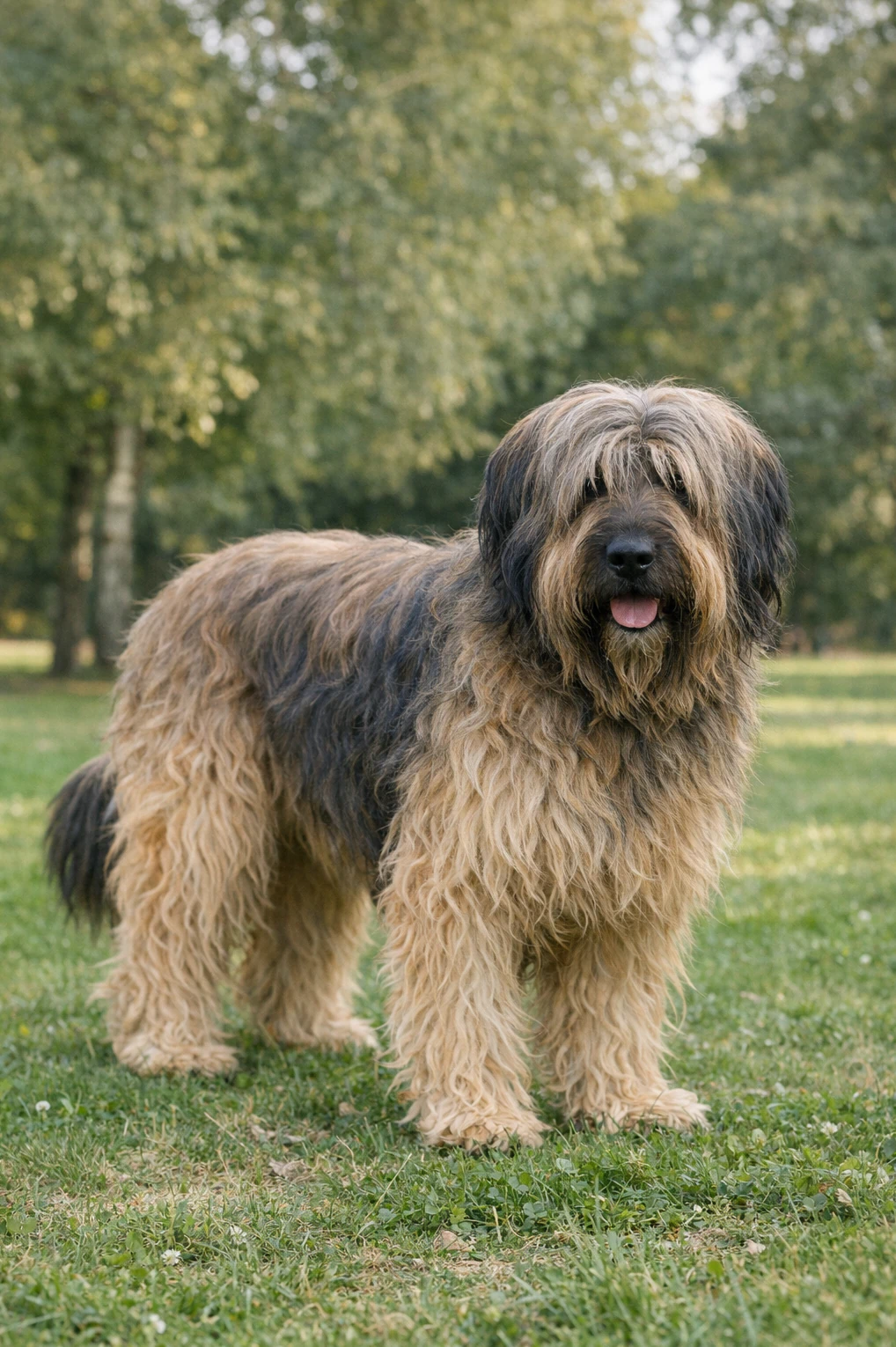
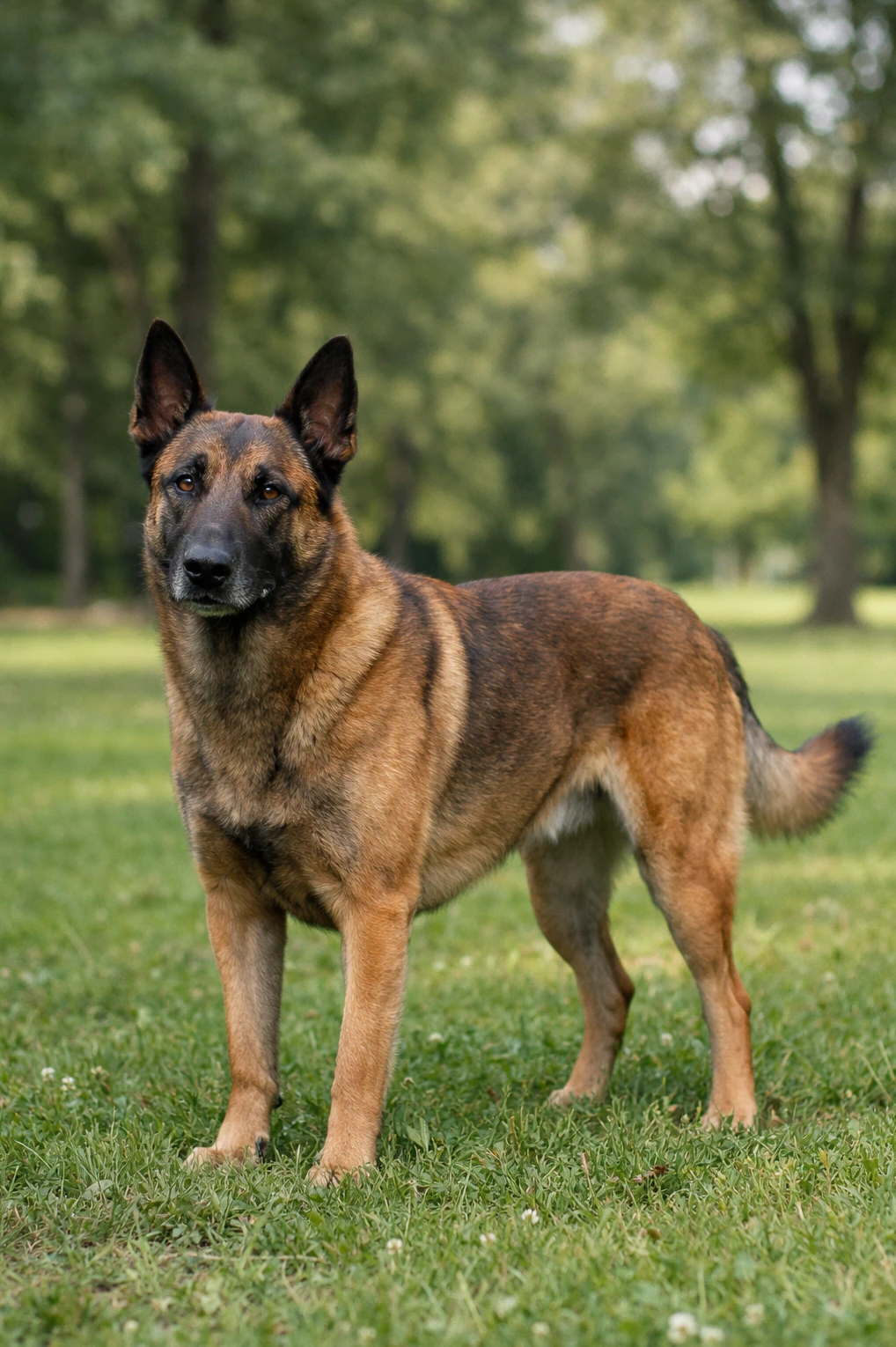
Large, muscular Beauceron males stand about 25.5 to 27.5 inches and weigh 70 to 110 pounds. Loyal, mild-mannered and attentive. Nutritional Verdict: premium protein and balanced fats fuel energy, muscle, and healthy weight.

Understanding the Beauceron Metabolism and Energy Needs
As a French handler of livestock, this dog was built for long days moving animals, so it benefits from food that supports endurance and clear focus. A steady, mild temperament pairs well with nutrition that preserves lean muscle and calm energy.
High quality protein maintains the strong, lean muscles needed for herding-type bursts and recovery, so real meat like chicken or lamb is ideal. Healthy fats give slow-burning fuel and support skin and coat, while complex carbs such as sweet potato provide steady energy and digestive fiber.
Omega-3s help reduce inflammation and keep the coat glossy, while joint nutrients like glucosamine help protect hips and elbows in active dogs. Probiotics and B vitamins support digestion and mental sharpness. Work with your veterinarian to match portions to activity and life stage.
Managing Beauceron Genetic Health Risks Through Nutrition
Bloat (Gastric Dilatation-Volvulus)
Helpful nutrients
Hip Dysplasia
Helpful nutrients
Heart Disease
Helpful nutrients
Eye Problems
Helpful nutrients
Allergies (skin and food sensitivities)
Helpful nutrients
Ear Issues and Infections
Helpful nutrients
Dental Disease
Helpful nutrients
Obesity
Helpful nutrients
Beauceron Feeding & Calorie Calculator
Estimated Daily Calories
Tip: Start with this amount and adjust after 2–3 weeks based on your dog's body condition and weight trend.
This estimate provides a starting point for feeding. Individual calorie needs may vary depending on metabolism, body condition, and health status. Always monitor your dog's weight and consult your veterinarian when adjusting diet.
Foods and Ingredients to Avoid for Beauceron Dogs
Beaucerons can be prone to obesity and pancreatitis, so high-fat foods and fatty table scraps are best avoided.
Excess fat promotes rapid weight gain which stresses hips and joints, a real concern for a large, active breed that may also be screened for hip dysplasia.
Keep treats lean and balanced, and talk to your vet about calorie needs if your dog is a working animal or tending toward extra weight.
Certain human foods are outright dangerous for dogs, including chocolate, grapes and raisins, xylitol, onions and garlic, and macadamia nuts.
These can cause vomiting, diarrhea, organ damage, low blood sugar, or life-threatening reactions, and size does not make a dog immune.
Store human snacks out of reach, educate family members and have your vet's emergency number handy in case of accidental ingestion.
Diets that rely heavily on peas, lentils, chickpeas or other legumes in place of grains have been linked in some dogs to heart muscle problems, especially in larger breeds that are already vulnerable to cardiac issues.
If you choose a grain-free diet, discuss it with your veterinarian, monitor heart health, and consider formulations that meet established nutritional profiles or include taurine if recommended.
Regular checkups help catch any early signs of trouble.
Large-breed puppies like Beaucerons need controlled growth to reduce the risk of orthopedic problems, so avoid calcium-rich supplements or free-choice feeding that encourages too-rapid growth.
Too much calcium, calories or overly rich foods during development can increase the likelihood of hip and elbow issues later in life.
Use a large-breed puppy formula and follow feeding guidelines from your vet to support steady, healthy growth.
Processed meats and salty snacks can overload a dog’s system with sodium and preservatives, which is unhelpful for breeds that may face heart concerns.
These foods also tend to be calorie dense and can contribute to obesity, adding stress to joints and the cardiovascular system in a large dog.
Offer low-sodium, lean options and reserve human deli meats and jerky as rare treats only after vet approval.
Feeding raw bones or uncooked meats carries risks of bacterial contamination, parasites, choking, and tooth fractures, and fragments can cause intestinal blockages.
For a deep-chested dog that may be prone to bloat, anything that encourages rapid gulping or creates large, indigestible pieces is a safety concern.
If you are considering a raw diet, work closely with your veterinarian to manage risks and ensure balanced nutrition.
How Nutritional Needs Change Throughout the Beauceron Life Stages
A Beauceron’s nutritional needs shift as it moves from puppyhood through adulthood to its senior years. Growth rate, activity level and breed tendencies such as deep chest conformation, joint vulnerability and bloat risk influence calorie and nutrient targets. Tailoring food to size, energy and health screenings helps support steady growth, strong bones and long term vitality.
| Life Stage | Age Range | Primary Objective | Key Nutrient Focus |
|---|---|---|---|
| Puppy | 0–18 months | controlled skeletal development, immune support, brain development | DHA, balanced calcium/phosphorus, high-quality protein |
| Adult | 1.5–5 years | lean muscle maintenance and sustained energy | high-quality protein, omega-3 fatty acids, fiber |
| Senior | 5+ years | joint mobility, metabolic health, and cognitive support | glucosamine, chondroitin, antioxidants, lower calories |
Beauceron puppies have steady but significant growth, so paced weight gain is essential for healthy skeletal development. Large, deep chested breeds need controlled calories and a careful calcium to phosphorus balance to avoid overly rapid bone growth, while high quality animal protein supports muscle development and overall strength.
Start with three to four small meals a day, moving toward two meals by around six to twelve months to reduce bloat risk and prevent overeating. Important nutrients include digestible protein, DHA for brain and vision, and joint support like glucosamine; work with your breeder and vet to choose a large breed puppy formula and feeding plan.
As adults, Beaucerons require nutrition that preserves lean muscle and fuels their often active, working temperament. Balanced protein and moderate fat provide sustained energy and help maintain muscle mass, while controlled portions prevent excess weight that can stress hips, heart and joints.
Feeding two measured meals daily rather than one large meal helps reduce bloat risk, and choosing high quality proteins, joint supportive fats like omega 3s, and digestible carbohydrates suits an active lifestyle. Regular weight checks and breed specific health screenings let you adjust calories to match your dog’s activity and life situation.
In senior Beaucerons metabolism usually slows and mobility can become stiffer, but keeping muscle is important to preserve function and independence. Digestion may become less efficient, so more digestible proteins, a touch more fiber for gut health, and easy to chew textures can make meals gentler on older bodies.
Focus on joint support with omega 3s, glucosamine and antioxidants such as vitamin E to protect mobility, and reduce calories if activity drops to prevent weight gain that worsens hips or heart conditions. Keep meals consistent to lower bloat risk, monitor dental health, and work with your vet on tailored senior diets and bloodwork.
Kibble vs Fresh vs Raw for Beauceron
Different feeding models suit different lifestyles, routines, and health needs. For a large, active Beauceron, pick a plan that supports joint health, energy, and bloat prevention.
Pros
- Convenient and easy to portion for busy Beauceron owners.
- Formulas often include joint support for large, active dogs.
- Consistent nutrient profile helps maintain healthy weight and energy.
- Crunchy texture can help reduce tartar on teeth.
Cons
- Lower moisture content may not suit dogs that drink little.
- Some brands include fillers that add unnecessary calories.
- Calorie-dense formulas can lead to weight gain without careful portioning.
- Less palatable for picky or very food-motivated Beaucerons.
Pros
- Highly palatable, great for picky Beaucerons.
- High moisture supports hydration and healthy digestion.
- Full control over ingredients helps manage allergies and sensitivities.
- Easily tailored calories for active or working dogs.
Cons
- More costly and time-consuming than kibble.
- Requires careful recipe balance to avoid nutrient gaps.
- Needs refrigeration and daily meal prep.
- Improper balance can stress joints in large breeds.
Pros
- High-quality protein supports muscle for working Beaucerons.
- Some owners report shinier coats and higher energy.
- Minimal processing preserves natural nutrients.
- Can be tailored to remove known allergens.
Cons
- Strict hygiene needed to prevent bacterial contamination.
- Risk of unbalanced nutrition without veterinary oversight.
- Raw bones can pose choking or dental risks if not managed.
- May pose hygiene risks for homes with young children or immune-compromised people.
| Diet Type | Pros for Beauceron | Potential Downsides |
|---|---|---|
| High-Quality Kibble |
|
|
| Fresh Cooked Food |
|
|
| Raw Diet (BARF) |
|
|
Our Recommendation
For many Beauceron owners, a high-quality kibble with joint support is a practical baseline.
Fresh cooked meals suit picky dogs or owners who want ingredient control, while raw diets fit experienced, hygiene-focused households under veterinary guidance.
Whatever you choose, feed measured meals, avoid vigorous exercise after eating, and watch for bloat signs.
See Also
Breeds with similar group, size, and coat characteristics