Best Dog Food for Briard in 2026Based on Nutritional Science
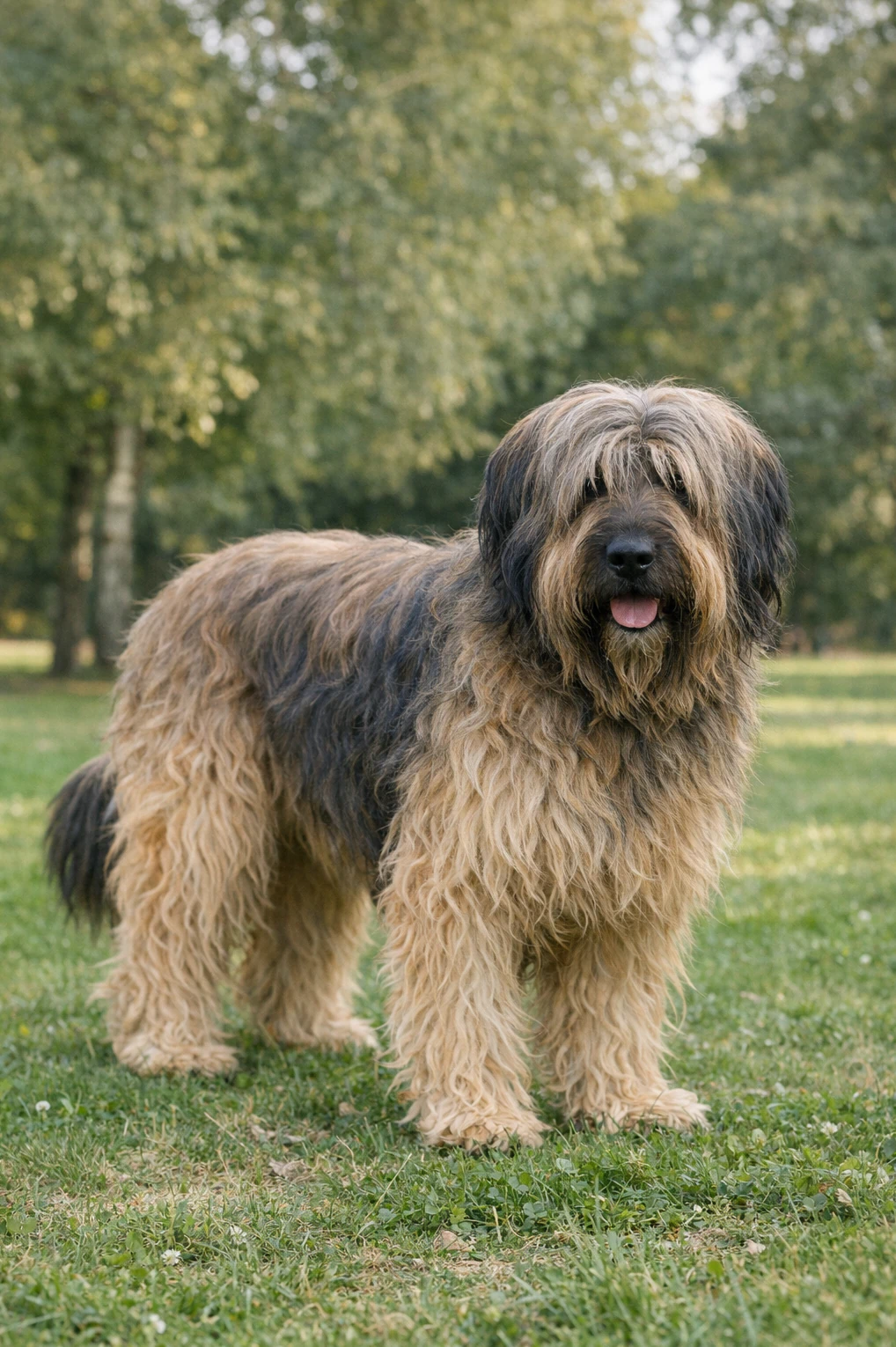
Briard stands about 23 to 27 inches and weighs 55 to 100 pounds, showing a poised, clever, and devoted nature. Nutritional Verdict: needs high-quality protein, balanced fats, and consistent feeding for steady energy.
Understanding the Briard Metabolism and Energy Needs
As a traditional livestock handler, this large, long-coated dog needs food that supports steady work and clear thinking. High-quality protein fuels lean muscle and repair after activity, so adult diets often benefit from 22-28% protein to maintain stamina and strength. Healthy fats provide concentrated energy for sustained days and help keep the coat glossy and skin healthy, with sources like fish oil adding omega-3 fatty acids for cognitive support.
Moderate carbohydrates supply digestible calories without excess weight, favoring whole grains or vegetables that support gut health. Joint-support nutrients such as glucosamine and chondroitin help preserve mobility in big, active dogs, and antioxidants assist recovery while supporting a sharp mind. A balanced feeding plan tuned to activity level keeps this working dog agile, attentive, and comfortable.
Managing Briard Genetic Health Risks Through Nutrition
Cancer
Helpful nutrients
Hip Dysplasia
Helpful nutrients
Congenital Stationary Night Blindness
Helpful nutrients
Cataracts
Helpful nutrients
Corneal Dystrophy
Helpful nutrients
Retinal Folds
Helpful nutrients
Hypothyroidism
Helpful nutrients
Immune Diseases
Helpful nutrients
Exocrine Pancreatic Insufficiency (EPI)
Helpful nutrients
Kidney Disease
Helpful nutrients
Obesity
Helpful nutrients
Briard Feeding & Calorie Calculator
Estimated Daily Calories
Tip: Start with this amount and adjust after 2–3 weeks based on your dog's body condition and weight trend.
This estimate provides a starting point for feeding. Individual calorie needs may vary depending on metabolism, body condition, and health status. Always monitor your dog's weight and consult your veterinarian when adjusting diet.
Foods and Ingredients to Avoid for Briard Dogs
Briards can be prone to getting overweight and some lines are screened for pancreatitis, so fatty foods and greasy table scraps are risky.
High-fat meals can trigger pancreatitis or lead to rapid weight gain, which puts extra stress on hips and joints.
Stick to lean protein sources and measured portions, and reserve high-fat treats for rare occasions only.
Talk with your veterinarian about safe treat options and a calorie plan to keep your dog at a healthy weight.
Diets that replace grains with large amounts of peas, lentils, or other legumes have been associated with heart issues in some large breeds.
Because Briards are a larger breed, they may be more vulnerable to diet-related cardiac concerns when fed high-legume, grain-free foods long term.
Choose diets that are balanced and meet AAFCO standards, or consult your vet before committing to a grain-free formula, especially if it lists peas or lentils high on the ingredient panel.
Briards can develop skin sensitivities and immune-related issues, so artificial preservatives like BHA, BHT, and ethoxyquin, plus synthetic colors and flavors, may increase the risk of allergic reactions or digestive upset.
These additives offer shelf stability but can be unnecessary sources of irritation.
Opt for foods preserved with natural antioxidants and minimal artificial additives, and monitor your dog for itchiness, tummy troubles, or changes in coat condition after diet changes.
Certain human foods are outright toxic to dogs, regardless of size, and should never be offered.
Xylitol can cause dangerous hypoglycemia and liver damage, chocolate can affect the heart and nervous system, and grapes, raisins, onions and garlic can cause kidney or red blood cell issues.
Keep these items well out of reach, read ingredient labels on human foods and baked goods, and contact your veterinarian immediately if you suspect ingestion.
Large-breed puppies like Briards are vulnerable to developmental orthopedic problems if fed diets too high in calcium or overall calories during growth.
Excess calcium or rapid weight gain places abnormal stress on developing bones and joints, increasing the risk of hip and elbow issues.
Feed a reputable large-breed puppy formula and avoid free-feeding calorie-dense snacks. Your breeder and vet can recommend appropriate growth rations to support steady, healthy development.
Because Briards may be screened for, or occasionally develop, kidney issues and thyroid concerns, foods very high in sodium and phosphate additives can worsen renal stress and blood pressure.
Processed meats, salty snacks and some preserved foods often contain elevated levels of these minerals.
Choose whole-food ingredients and check labels for phosphate additives, and consult your veterinarian about a diet plan if your dog has a history of kidney or thyroid problems.
How Nutritional Needs Change Throughout the Briard Life Stages
Dogs need different nutrition at each life stage because puppies, adults, and seniors have shifting growth, energy, and health needs. A Briard’s large size, confident working nature, and steady growth rate influence calorie and nutrient choices. Activity level, breed growth speed, and common health tendencies such as hip issues, thyroid concerns, or kidney disease all shape what type of food, portions, and feeding schedule will be best.
| Life Stage | Age Range | Primary Objective | Key Nutrient Focus |
|---|---|---|---|
| Puppy | 0–18 months | controlled skeletal development, immune support, brain development | DHA, balanced calcium/phosphorus, high-quality protein |
| Adult | 1.5–5 years | lean muscle maintenance and sustained energy | high-quality protein, omega-3 fatty acids, fiber |
| Senior | 5+ years | joint mobility, metabolic health, and cognitive support | glucosamine, chondroitin, antioxidants, lower calories |
The Briard grows into a large, powerful dog with a steady but relatively rapid growth phase during its first year, so careful nutrition helps support healthy skeletal development and avoid joint problems. Controlled calories and a balanced calcium to phosphorus ratio are important to support bone growth without excessive stress.
Puppies benefit from high quality protein, essential fatty acids such as DHA for brain and eye development, and adequate minerals. Smaller, frequent meals help steady energy and reduce overeating, and because Briards may be screened for hip dysplasia and other inherited conditions you should work with your breeder and veterinarian to choose a large-breed puppy formula and an appropriate feeding schedule.
As adults Briards need food to maintain lean muscle mass while meeting their energy needs for herding, play, and family life. A diet with moderate to high quality animal protein helps preserve muscle, while balanced fats provide steady energy and support the dense double coat. Include omega-3 fatty acids and antioxidants to support skin, coat, and overall cellular health.
Keep an eye on calorie intake to prevent weight gain, which stresses hips and joints given the breed’s susceptibility to hip dysplasia. Match portions to activity, and consider feeding two meals a day to help digestion and reduce gastric discomfort. Discuss thyroid function and any digestive issues with your vet so you can adjust protein and fat sources if conditions like hypothyroidism or exocrine pancreatic insufficiency arise.
As Briards enter their senior years they often experience a slower metabolism, changes in digestion, and reduced mobility that call for adjusted nutrition. Senior formulas with highly digestible proteins help preserve muscle without excess calories, while moderate fat levels keep energy steady. Increased soluble fiber can support digestion and help maintain weight. Because Briards can be prone to kidney disease and hypothyroidism, work with your veterinarian to tailor protein and phosphorus levels and to monitor bloodwork regularly.
Joint support becomes especially important, so consider diets or supplements containing glucosamine, chondroitin, and omega-3 fatty acids to support cartilage and reduce inflammation. Antioxidants such as vitamin E and selenium support cellular health and immunity. Small reductions in daily calories may be needed, paired with regular weight checks and gentle exercise to keep your Briard strong and comfortable.
Kibble vs Fresh vs Raw for Briard
Different feeding models suit different lifestyles and health needs, especially for a confident, active Briard.
Think about exercise level, coat care needs, and any breed-specific health concerns when choosing a diet.
Pros
- Convenient and easy to portion for busy households.
- Formulas available with joint support for large, active breeds.
- Consistent nutrient balance helps manage weight and overall health.
- Dry texture can help reduce tartar buildup on teeth.
Cons
- Lower moisture content may not suit dogs prone to dehydration.
- Some kibble contains fillers that can aggravate sensitive dogs.
- Not ideal alone for dogs with exocrine pancreatic insufficiency without veterinary guidance.
- Picky pups may refuse some brands without added palatability.
Pros
- Highly palatable, which helps picky Briards eat consistently.
- High moisture supports hydration and easier digestion.
- You can choose ingredients to support coat and joint health.
- Easy to avoid specific allergens and additives.
Cons
- Requires careful planning to ensure complete nutrition long term.
- More time consuming and often more expensive than kibble.
- Needs refrigeration and safe handling to prevent spoilage.
- May need supplements for thyroid, joint, or kidney support.
Pros
- High protein, which suits large, active Briard energy needs.
- Some owners report shinier coats and improved skin condition.
- Minimal processing preserves natural flavors and nutrients.
- Can be tailored to remove ingredients your dog reacts to.
Cons
- Requires strict hygiene to avoid bacterial contamination at home.
- Whole bones can pose choking or internal injury risks.
- Harder to balance micronutrients without professional guidance.
- Not recommended without vet input for dogs with kidney or pancreatic issues.
| Diet Type | Pros for Briard | Potential Downsides |
|---|---|---|
| High-Quality Kibble |
|
|
| Fresh Cooked Food |
|
|
| Raw Diet (BARF) |
|
|
Our Recommendation
Many Briards thrive on high-quality kibble, which offers convenience and formulas supporting joints and coat health.
Fresh cooked meals suit picky dogs and owners who want full ingredient control, though they need careful balancing.
Raw diets may benefit some Briards, but require veterinary guidance, especially with pancreatic, kidney, or immune concerns.
See Also
Breeds with similar group, size, and coat characteristics