Best Dog Food for Bouvier des Flandres in 2026Based on Nutritional Science
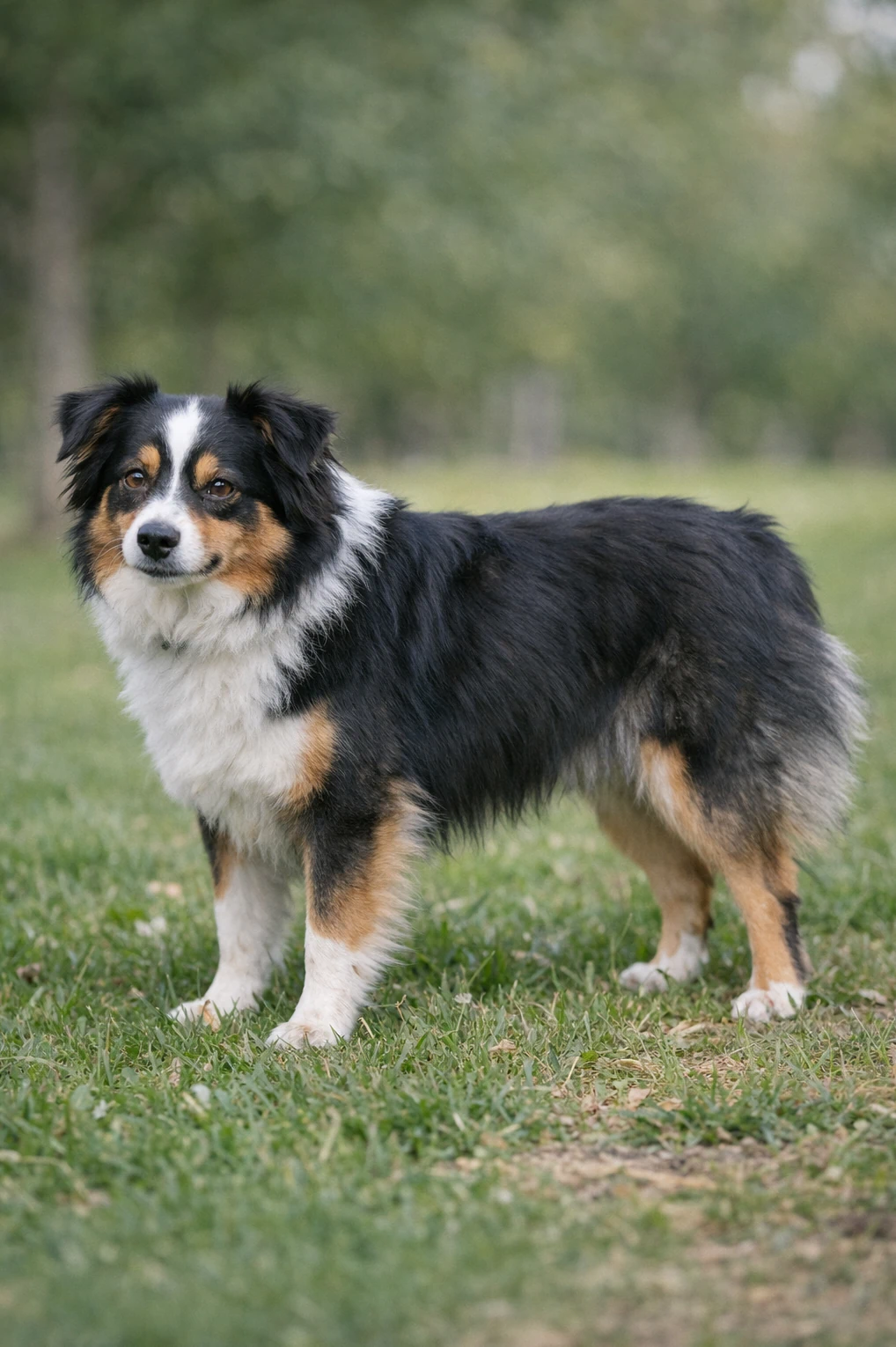
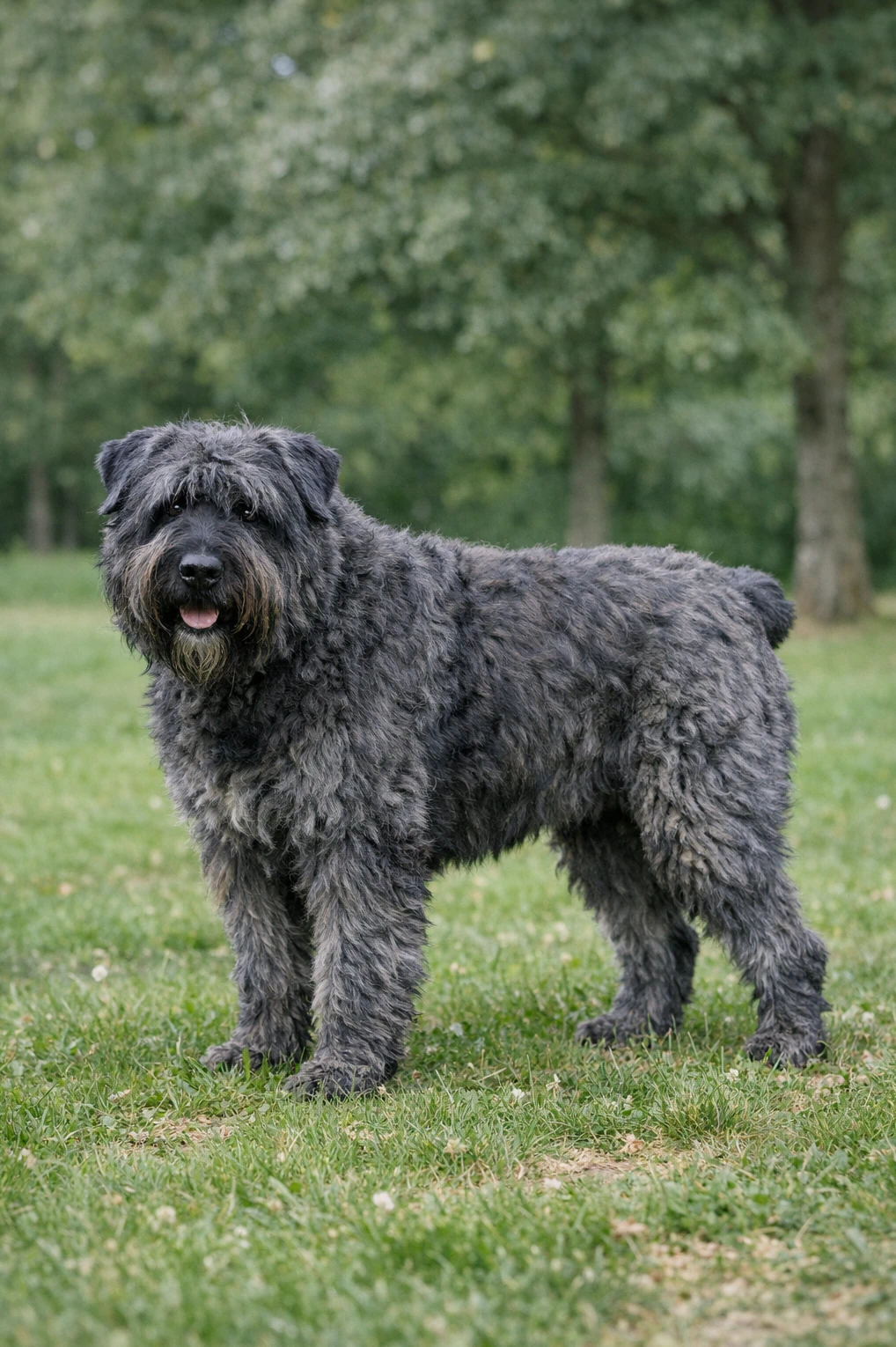
Large and muscular Bouvier des Flandres males reach about 24.5-27.5 inches and 70-110 pounds, showing a determined, bold, and devoted nature. Nutritional verdict: high-quality, protein-rich meals support their active build.
Understanding the Bouvier des Flandres Metabolism and Energy Needs
Built to drive and control livestock across long days, this sturdy Belgian herding companion needs food that supports sustained power and mental focus. Higher-quality protein helps maintain the dense musculature and repairs tissues after active work, while generous but controlled fats provide compact calories and nourish a thick, weatherproof coat.
Slow-burning carbohydrates from whole grains or tubers supply steady energy that keeps attention and stamina consistent, avoiding quick sugar spikes that can cause fatigue. Because these dogs carry solid frames, joint-support nutrients like glucosamine and chondroitin are especially helpful, and omega-3s from fish oil reduce inflammation and promote skin and brain health.
A balanced mineral profile, with proper calcium and phosphorus, plus antioxidants for immune resilience, completes the picture. In short, a formula favoring muscle-preserving protein, energy-dense fats, stable carbs, and targeted joint and coat supplements suits their determined, brave, and warmhearted temperament.
Managing Bouvier des Flandres Genetic Health Risks Through Nutrition
Bouvier des Flandres myopathy
Helpful nutrients
Cataracts
Helpful nutrients
Deafness
Helpful nutrients
Ectopic ureters
Helpful nutrients
Epilepsy
Helpful nutrients
Glaucoma
Helpful nutrients
Hip Dysplasia
Helpful nutrients
Hypothyroidism
Helpful nutrients
Laryngeal paralysis
Helpful nutrients
Megaesophagus
Helpful nutrients
Elbow dysplasia
Helpful nutrients
Portosystemic shunt
Helpful nutrients
Subaortic stenosis
Helpful nutrients
Gastric dilatation and bloat (GDV)
Helpful nutrients
Obesity
Helpful nutrients
Bouvier des Flandres Feeding & Calorie Calculator
Estimated Daily Calories
Tip: Start with this amount and adjust after 2–3 weeks based on your dog's body condition and weight trend.
This estimate provides a starting point for feeding. Individual calorie needs may vary depending on metabolism, body condition, and health status. Always monitor your dog's weight and consult your veterinarian when adjusting diet.
Foods and Ingredients to Avoid for Bouvier des Flandres Dogs
Bouviers can be prone to weight gain and pancreatitis, so fatty table scraps, greasy leftovers, and high-fat treats should be avoided.
Excess dietary fat contributes to obesity, which increases stress on hips and elbows and can worsen joint problems already seen in large breeds.
Keeping fat moderate helps protect against pancreatitis and keeps calorie intake in check for a dog that does better on a controlled diet.
Choosing lean protein and limited treats will support a healthy weight and reduce strain on the musculoskeletal system.
Beans, large amounts of cruciferous vegetables like broccoli or cabbage, and other highly fermentable foods can increase intestinal gas and bloating risk.
In deep-chested breeds such as the Bouvier, excessive gas and stomach distention can raise the chance of gastric dilatation and bloat, a medical emergency.
It is wiser to avoid or limit these items in meals and treats, especially around exercise times, to reduce the risk of dangerous stomach twists.
Slow, measured feeding and avoiding gas-producing ingredients both help keep the belly calm and safe.
Bouviers generally require a diet lower in protein than many other breeds, so very high protein formulas can be unnecessary and sometimes harmful over time.
Excess protein can contribute to excess calorie intake and weight gain, and may put extra strain on organs in dogs with undiagnosed liver or kidney issues that some Bouviers can inherit.
Work with your veterinarian to choose a balanced diet formulated for large breeds with moderate protein levels.
This helps support muscle without promoting unwanted weight or stressing metabolic systems.
Some grain-free commercial foods that use large amounts of peas, lentils, and other legumes as substitutes have been associated with an increased risk of heart muscle problems in dogs.
Because Bouviers can face cardiac concerns such as subaortic stenosis, it is prudent to avoid diets that rely heavily on these ingredients until more is understood.
Choosing balanced diets backed by reputable nutrition testing and discussing diet history with your vet can help protect heart health.
If you use a grain-free formula, rotate with care and monitor heart function as recommended by your veterinarian.
Growing Bouvier puppies are large-breed puppies that need careful calcium and phosphorus balance, so avoid high-calcium homemade mixes or unregulated supplements.
Too much calcium during rapid growth can contribute to abnormal bone development and increase the risk of hip and elbow dysplasia.
Follow a veterinarian-approved large-breed puppy feeding plan and use commercially balanced diets formulated for large breeds or precise veterinary guidance for home-prepared meals.
This helps bones grow at the right pace and reduces long-term orthopedic problems.
Foods and ingredients that are toxic to dogs, such as onions, garlic, grapes, raisins, and the artificial sweetener xylitol, should never be offered.
Xylitol can cause dangerous hypoglycemia and liver damage, while grapes and raisins can cause sudden kidney failure in some dogs, and all of these pose an acute threat regardless of breed.
Because Bouviers may also have conditions that affect the liver or neurologic system, avoiding these human foods entirely is especially important.
Keep treats simple and dog-safe, and check with your vet before introducing new human foods.
How Nutritional Needs Change Throughout the Bouvier des Flandres Life Stages
Like people, dogs have different nutritional needs at different life stages, and a Bouvier des Flandres is no exception. Puppyhood demands controlled growth and rich nutrients, adulthood focuses on sustaining muscle and stamina, and senior years often need calorie adjustments and joint support. These needs are shaped by a Bouvier's relatively rapid growth for a giant breed, high activity level, and breed tendencies such as hip or elbow issues and a risk of bloat.
| Life Stage | Age Range | Primary Objective | Key Nutrient Focus |
|---|---|---|---|
| Puppy | 0–18 months | controlled skeletal development, immune support, brain development | DHA, balanced calcium/phosphorus, high-quality protein |
| Adult | 1.5–5 years | lean muscle maintenance and sustained energy | high-quality protein, omega-3 fatty acids, fiber |
| Senior | 5+ years | joint mobility, metabolic health, and cognitive support | glucosamine, chondroitin, antioxidants, lower calories |
As giant, deep-chested puppies, Bouvier pups grow quickly and need a carefully paced diet that supports steady, not accelerated, skeletal development. Feeding a large-breed puppy formula with controlled calories and a balanced calcium to phosphorus ratio helps reduce the risk of hip and elbow dysplasia while providing enough protein for lean muscle. Include DHA for brain and vision, high quality protein, and moderate fat to fuel their natural energy and playfulness.
Feed puppies three to four small meals a day until about six months, then transition to two meals to lower bloat risk and avoid long gaps between meals. Monitor weight and body condition regularly and avoid overly rapid weight gain. Consult your veterinarian for growth charts and tailored portion guidelines, especially if the pup shows early signs of joint laxity or other breed-related issues.
As adults, Bouviers are powerful, affectionate dogs that need nutrition to maintain muscle mass, stamina, and a calm temperament. Offer a diet with high quality animal protein to support muscles, moderate fat for energy, and balanced carbohydrates for steady fuel. Keep calcium appropriate for adults, and include omega-3 fatty acids to support coat health and reduce inflammation around joints.
Because Bouviers vary from family pets to working dogs, match calorie intake to activity level and body condition, reducing portions for less active dogs to prevent obesity. Feed twice daily to minimize bloat risk and use slow-feeding bowls or puzzle feeders to slow intake. Regular weight checks, lean body condition scoring, and annual vet exams help fine-tune feeding for this large, strong-willed breed.
As Bouviers enter their senior years, metabolism often slows while joint wear and digestive sensitivity can increase. Focus on preserving lean muscle with easily digestible, high quality protein and consider slightly reduced calories if activity drops. Add joint-support nutrients like glucosamine, chondroitin, and omega-3 fatty acids, and include antioxidants such as vitamin E and selenium to support aging cells and immune health.
Dental decline or chewing difficulty may call for softer kibble or wet food options, and smaller, more frequent meals can ease digestion and reduce bloat risk. Monitor weight and mobility closely, adjusting portions and adding controlled exercise to maintain muscle without overstressing joints. Regular veterinary screening is important for breed-specific risks like hip disease, hypothyroidism, or organ issues, so coordinate dietary changes with your veterinarian.
Kibble vs Fresh vs Raw for Bouvier des Flandres
Different feeding models suit different lifestyles, activity levels, and health concerns. For a Bouvier des Flandres, size, coat needs, and bloat risk shape which option fits best.
Pros
- Convenient for busy owners and easy to measure for large dogs.
- Balanced formulas can support joints and large-breed needs.
- Dry kibble can help reduce tartar through chewing.
- Easier to store and cost effective for big appetites.
Cons
- Calorie density risks weight gain without strict portion control.
- Low moisture content may not suit dogs with urinary issues.
- Some formulas use fillers or low-quality proteins, read labels closely.
- Feeding one large meal increases bloat risk, split meals into smaller servings.
Pros
- Highly palatable, often good for strong-willed or picky Bouviers.
- High moisture supports digestion and hydration in deep-chested dogs.
- Easy to control ingredients for allergies and joint-support nutrients.
- Can improve coat condition when including omega-rich foods.
Cons
- More time consuming and often costlier than kibble.
- Risk of nutritional imbalance unless recipes are formulated by a nutritionist.
- Requires refrigeration and planning for outings or travel.
- Large meals still risk bloat without careful portioning and timing.
Pros
- Mimics ancestral diet, high in whole proteins for this muscular breed.
- Some owners report improved energy and cleaner teeth.
- Can be tailored to address allergies and coat health naturally.
- Unprocessed ingredients preserve certain nutrients.
Cons
- Higher bacterial contamination risk, strict hygiene is required.
- Raw bones can cause choking or internal injury if mismanaged.
- Balancing minerals and vitamins is tricky without expert guidance.
- Increases meal prep, refrigeration, and travel challenges for owners.
| Diet Type | Pros for Bouvier des Flandres | Potential Downsides |
|---|---|---|
| High-Quality Kibble |
|
|
| Fresh Cooked Food |
|
|
| Raw Diet (BARF) |
|
|
Our Recommendation
Many Bouvier owners find high-quality kibble formulated for large breeds balances convenience, joint support, and dental benefits.
Fresh cooked food suits owners who want ingredient control and may boost coat and digestion, while raw can work only with strict hygiene and veterinary guidance to ensure balance and reduce bloat risk.
See Also
Breeds with similar group, size, and coat characteristics