Best Dog Food for Pyrenean Shepherd in 2026Based on Nutritional Science
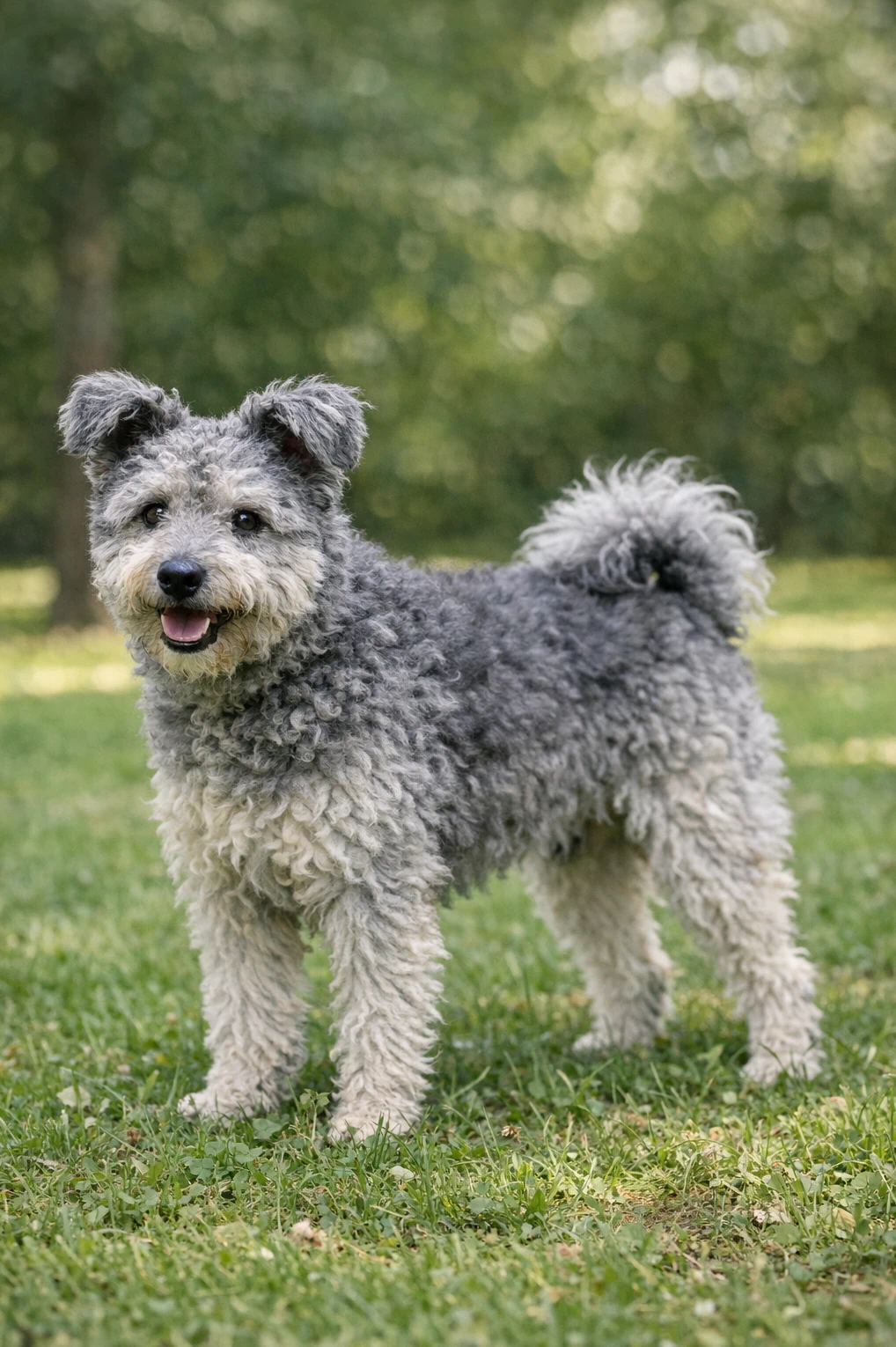
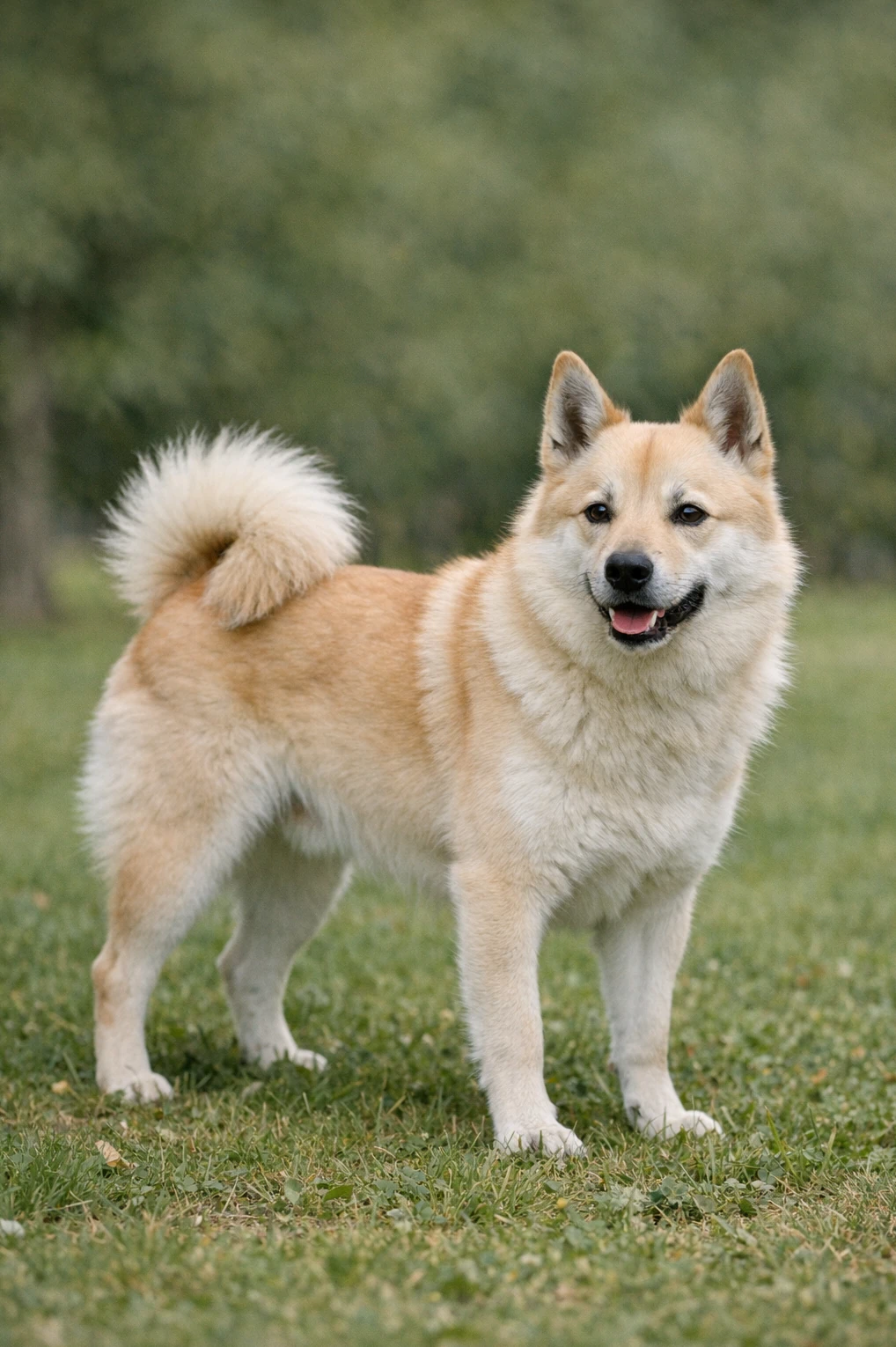
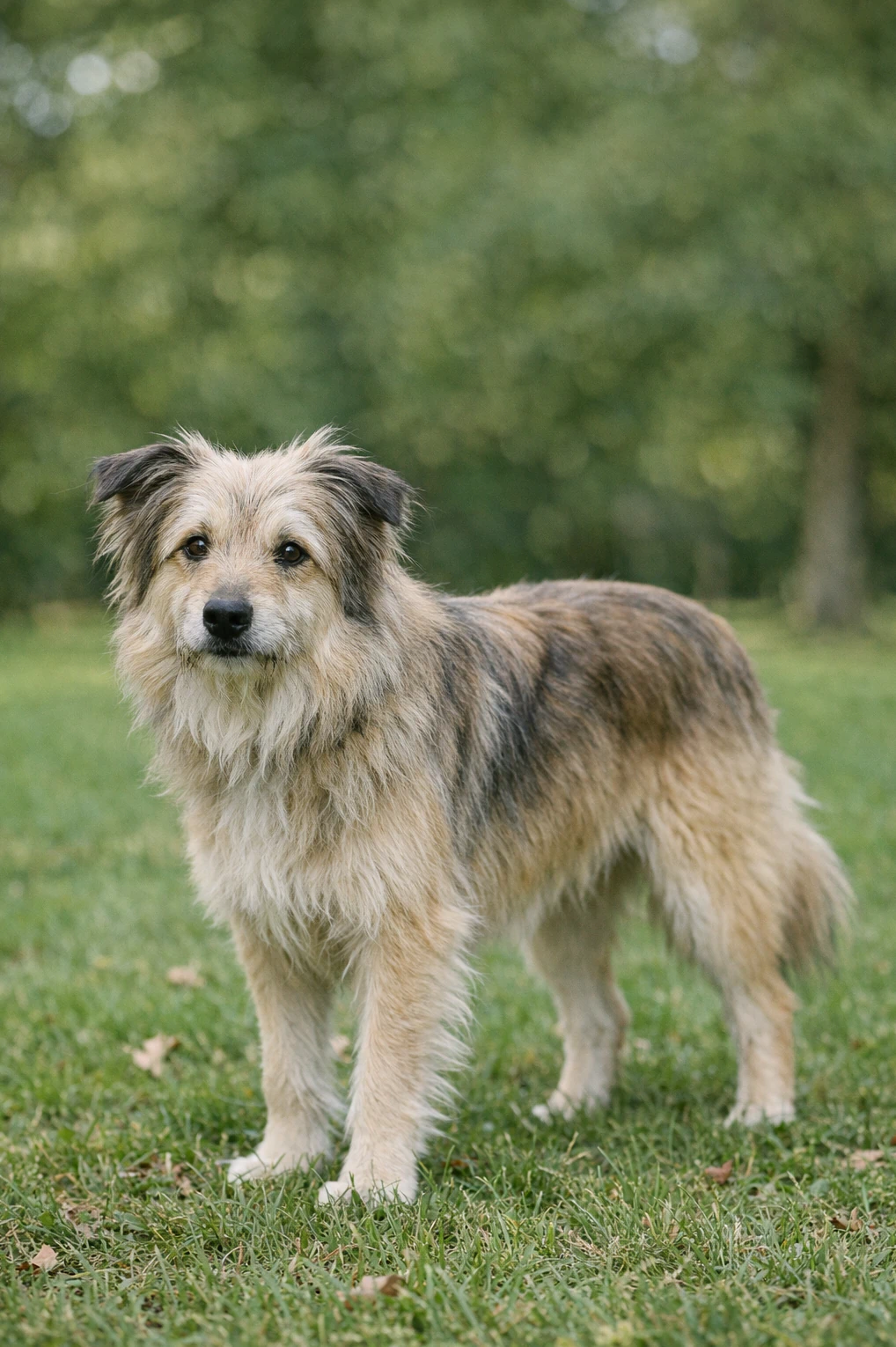
Compact, lively herder standing about 15.5–18.5 inches and weighing 15–30 pounds, warm and eager by nature. Nutritional verdict, feed a protein-focused, balanced diet to fuel activity and preserve lean muscle.
Understanding the Pyrenean Shepherd Metabolism and Energy Needs
Bred to tend flocks across steep mountain pastures, these nimble mountain herders need fuel for long days of movement and quick bursts of work, and they also crave close company with their people.
Lean, high-quality protein is essential because frequent running and rapid turns depend on strong muscles. Ingredients like chicken, turkey or lamb supply the amino acids needed for repair and sustained strength.
Moderate fat offers concentrated energy for endurance and helps maintain a dense, weather-resistant coat. Omega-3 oils from fish or algae also support skin health and cognitive sharpness, which helps eager learners.
Slow-digesting carbohydrates such as sweet potato and oats provide steady fuel without promoting excess weight, while soluble fiber and probiotics keep digestion steady during busy days.
Consider joint support like glucosamine for hard footing, and antioxidants for immune resilience, so these loving, spirited companions stay sound and ready for work and play.
Managing Pyrenean Shepherd Genetic Health Risks Through Nutrition
Hip Dysplasia
Helpful nutrients
Patellar Luxation
Helpful nutrients
Eye Disorders (Progressive Retinal Atrophy, Cataracts)
Helpful nutrients
Seizure Disorders
Helpful nutrients
Skin Allergies & Sensitivities
Helpful nutrients
Dental Disease & Tartar Build-up
Helpful nutrients
Pyrenean Shepherd Feeding & Calorie Calculator
Estimated Daily Calories
Tip: Start with this amount and adjust after 2–3 weeks based on your dog's body condition and weight trend.
This estimate provides a starting point for feeding. Individual calorie needs may vary depending on metabolism, body condition, and health status. Always monitor your dog's weight and consult your veterinarian when adjusting diet.
Foods and Ingredients to Avoid for Pyrenean Shepherd Dogs
Because Pyrenean Shepherds are a small, active breed weighing 15 to 30 pounds, extra dietary fat can quickly lead to unwanted weight gain and strain on their joints.
High-fat table scraps, fried foods, and fatty cuts of meat also raise the risk of pancreatitis, a painful and serious condition that small dogs handle poorly.
Keeping calories balanced and choosing lean proteins helps preserve their energy and lean body condition without overloading their digestive system.
Chocolate and caffeine are harmful to dogs of all sizes, and a small dog like a Pyrenean Shepherd needs only a small amount to feel toxic effects.
Theobromine and caffeine can cause vomiting, tremors, rapid heart rate, and in severe cases seizures or collapse, especially with darker chocolates that carry higher concentrations.
Treats and snacks should be kept strictly free of cocoa and coffee, and any accidental ingestion should prompt a call to your veterinarian right away.
Xylitol, a common sweetener in gum, candies, and some peanut butters, can trigger a rapid drop in blood sugar and serious liver damage in dogs, with very small amounts causing harm to a 15 to 30 pound pet.
Because this breed is small, the margin for error is smaller and reactions can be dramatic.
Always check ingredient labels before offering human foods and avoid giving any product labeled sugar-free to your dog.
Cooked bones, and some very hard chews, can splinter or break teeth, and pose a choking or intestinal blockage risk for a smaller dog.
A Pyrenean Shepherd's mouth and throat size mean those little fragments can cause serious injury or obstruction that requires surgery.
If you offer chews, choose appropriately sized, softer options recommended by your veterinarian and supervise chewing sessions to keep them safe.
Grapes and raisins can cause sudden kidney failure in dogs, and the amount needed for toxicity can be quite small in a 15 to 30 pound dog.
In addition, many fruit pits and seeds, such as those from cherries and apricots, contain cyanide compounds or present choking hazards.
Stick to dog-safe fruits in small amounts, remove pits and seeds, and avoid grapes and raisins entirely to protect their kidneys.
Some grain-free diets that rely heavily on peas, lentils, or other legumes have been associated with heart concerns in certain dogs, and while research is ongoing, it is wise to be cautious with any diet overly focused on one ingredient group.
For a small, active breed like the Pyrenean Shepherd, balanced nutrition that supports heart and muscle health matters.
Aim for complete diets formulated for small breeds and consult your veterinarian before switching to a legume-heavy food.
How Nutritional Needs Change Throughout the Pyrenean Shepherd Life Stages
Dogs need different nutrition at puppyhood, adulthood, and their senior years, and Pyrenean Shepherds are no exception. Their dietary needs depend on growth rate, activity level, and any common health tendencies, which vary by breed and size. Understanding how calories, protein, and key nutrients shift with life stage helps you support steady growth, sustained energy, and healthy aging for this active, affectionate herding companion.
| Life Stage | Age Range | Primary Objective | Key Nutrient Focus |
|---|---|---|---|
| Puppy | 0–12 months | controlled skeletal development, immune support, brain development | DHA, balanced calcium/phosphorus, high-quality protein |
| Adult | 1–7 years | lean muscle maintenance and sustained energy | high-quality protein, omega-3 fatty acids, fiber |
| Senior | 7+ years | joint mobility, metabolic health, and cognitive support | glucosamine, chondroitin, antioxidants, lower calories |
Pyrenean Shepherd puppies grow at a steady medium-breed pace, often reaching adult height by about 10 to 12 months while still filling out thereafter. During early growth, controlled calorie intake helps prevent overly rapid bone development, and frequent meals (three to four times daily) support steady energy and digestion.
Focus on high-quality, digestible protein to build lean muscle and a balanced calcium to phosphorus ratio to support healthy skeletal development without excess. Healthy fats provide concentrated energy for their lively activity, while DHA supports brain and vision. Because these pups are very active and can be prone to joint stress from vigorous play, appropriate joint-support nutrients and a conservative growth plan can be helpful.
Adult Pyrenean Shepherds are energetic and need diets that maintain lean muscle while supplying steady energy for work and play. A balanced diet with moderately high-quality protein (often around 20 to 25 percent depending on activity), moderate fat for calories and coat health, and digestible carbohydrates helps fuel daily bursts of activity and supports recovery.
Adjust portions and feeding frequency to match your dog's routine, increasing calories for very active dogs and reducing them for more sedentary pets. Regular weight checks and attention to joint-support ingredients when your dog spends a lot of time jumping or herding, plus omega fatty acids for skin and coat, keep an affectionate, enthusiastic Pyrenean Shepherd in top form.
As Pyrenean Shepherds enter their senior years, metabolic rate and activity often decline, and digestion can become less efficient, so calorie needs may drop while nutrient density should rise. Maintaining lean muscle through continued adequate protein is important, but overall calories should be adjusted to prevent weight gain that can stress joints.
Joint-support ingredients such as glucosamine, chondroitin, and omega-3 fatty acids can help mobility, along with controlled body weight and low-impact exercise. Antioxidants such as vitamin E and beta-carotene support healthy aging, and fibers or probiotics can aid digestion. Work with your veterinarian to tailor supplements, calorie needs, and any special diets, since individual health and coat condition vary among this medium, active breed.
Kibble vs Fresh vs Raw for Pyrenean Shepherd
Different feeding models suit different lifestyles and energy needs. For an active, affectionate Pyrenean Shepherd, choose a diet that supports lean muscle and steady stamina.
Pros
- Convenient and easy to portion for busy, active owners.
- Formulas for active dogs support lean muscle and sustained energy.
- Dry texture can help reduce tartar for enthusiastic chewers.
- Long shelf life keeps feeding consistent on training days.
Cons
- Lower moisture may be insufficient for dogs that drink less.
- Some formulas include fillers or lower quality ingredients.
- Portion control is needed to prevent weight gain in quieter periods.
Pros
- Highly palatable for picky, affectionate Pyrenean Shepherds.
- High moisture supports digestion and hydration during busy days.
- Complete ingredient visibility gives control over protein and fat levels.
Cons
- Requires careful recipes to ensure vitamins and minerals are balanced.
- Time consuming to prepare and may be more expensive.
- Needs refrigeration and planning for active, on-the-go schedules.
Pros
- High protein supports energy and lean muscle for active dogs.
- Some owners report shinier coats and improved vitality.
- Minimal processing preserves natural nutrients and flavors.
Cons
- Higher hygiene risk, needs strict handling to avoid bacterial contamination.
- Bone hazards exist for smaller breeds if not properly prepared.
- Balancing calcium and other nutrients can be challenging at home.
| Diet Type | Pros for Pyrenean Shepherd | Potential Downsides |
|---|---|---|
| High-Quality Kibble |
|
|
| Fresh Cooked Food |
|
|
| Raw Diet (BARF) |
|
|
Our Recommendation
For most Pyrenean Shepherds, a high-quality kibble formulated for active breeds offers a reliable balance of convenience and nutrition.
Fresh cooked meals work well for owners wanting more control and palatability, especially for picky or performance dogs.
Raw diets can be suitable but need strict hygiene and veterinary guidance to stay safe and balanced.
See Also
Breeds with similar group, size, and coat characteristics