Best Dog Food for Spanish Water Dog in 2026Based on Nutritional Science
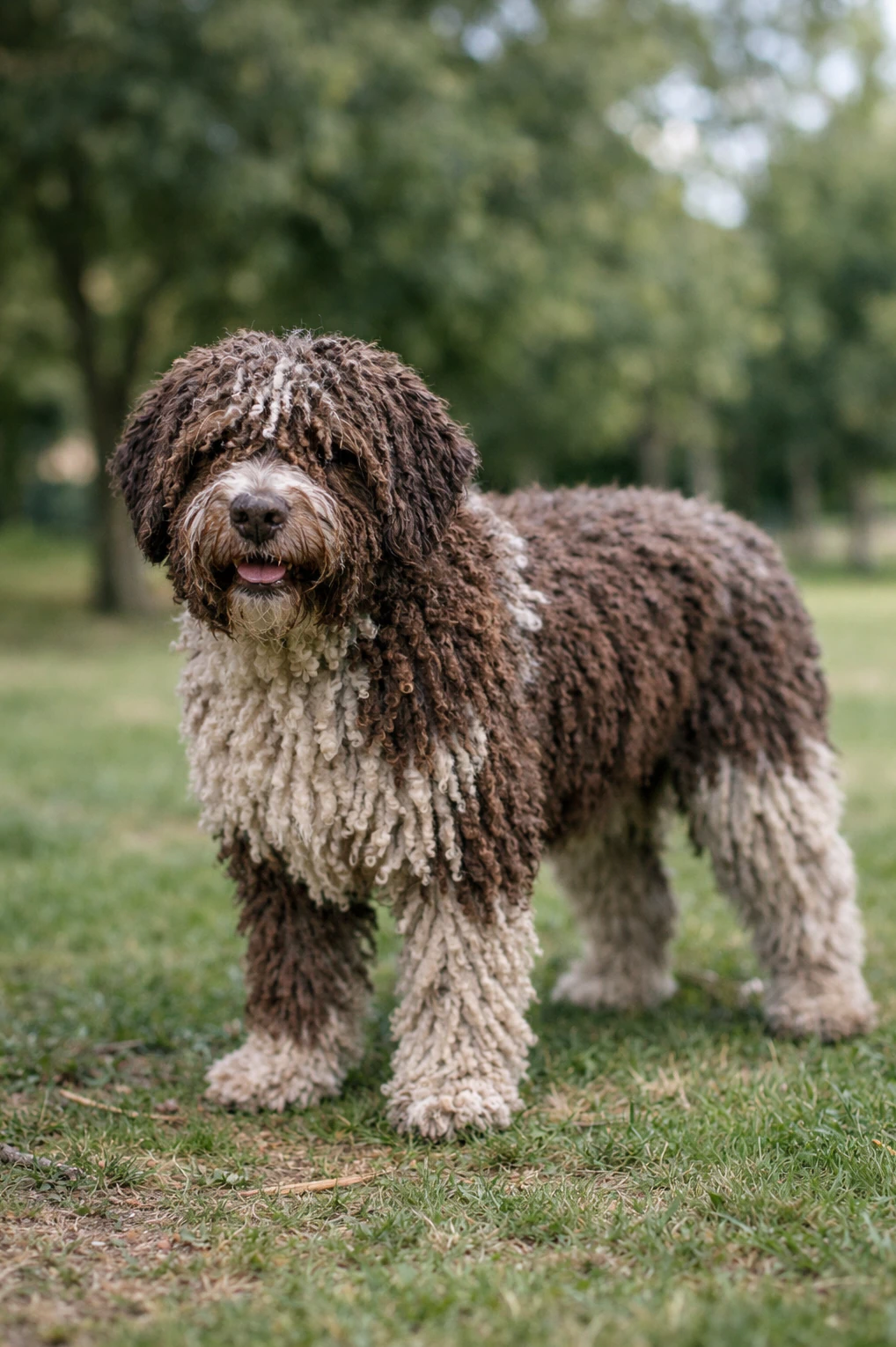
Medium, sturdy Spanish Water Dog males stand about 17.5 to 19.75 inches and weigh 40 to 49 pounds. Lively, industrious, high-energy, they thrive on a protein-rich, balanced diet. Nutritional Verdict: fuel for muscle and coat.
Understanding the Spanish Water Dog Metabolism and Energy Needs
As descendants of dogs bred to move and manage livestock, Spanish Water Dogs combine lively personality with dependable drive. Their diet should reflect steady stamina and quick recovery needs.
Rich, high-quality protein supports strong muscles and repair after long sessions of activity, for example after hours of herding or games they need amino acids to rebuild muscle and restore glycogen. Healthy fats provide concentrated fuel for endurance and keep the dense, curly coat supple, with omega-3s reducing skin inflammation and supporting brain health.
Moderate, low-glycemic carbohydrates offer steady energy without spikes, while targeted supplements such as glucosamine and chondroitin help protect joints from repetitive strain. Probiotics and antioxidants support digestion and immune resilience, helping this active, hardworking companion thrive.
Managing Spanish Water Dog Genetic Health Risks Through Nutrition
Hip Dysplasia
Helpful nutrients
Eye Disorders (including PRA)
Helpful nutrients
Hypothyroidism
Helpful nutrients
Skin Allergies and Atopy
Helpful nutrients
Ear Infections (water-related)
Helpful nutrients
Weight Management / Obesity
Helpful nutrients
Spanish Water Dog Feeding & Calorie Calculator
Estimated Daily Calories
Tip: Start with this amount and adjust after 2–3 weeks based on your dog's body condition and weight trend.
This estimate provides a starting point for feeding. Individual calorie needs may vary depending on metabolism, body condition, and health status. Always monitor your dog's weight and consult your veterinarian when adjusting diet.
Foods and Ingredients to Avoid for Spanish Water Dog Dogs
Spanish Water Dogs are active and muscular, but their medium size means excess dietary fat can quickly translate into unwanted weight gain and added stress on joints.
High-fat table scraps and rich treats can also increase the risk of pancreatitis, a painful and potentially serious condition.
Keeping fat levels moderate and choosing lean protein sources helps preserve their athletic build and protects their joints and digestive health, while still supporting the energy they need for work and play.
Xylitol and other artificial sweeteners are extremely dangerous for dogs, causing rapid drops in blood sugar and sometimes severe liver damage.
Even a small amount in sugar-free gum, baked goods, or peanut butter can lead to life-threatening symptoms in a 40 to 49 pound dog.
Always check ingredient lists on human foods and treats, and never feed anything that contains xylitol.
When in doubt, choose plain, dog-safe options and consult your vet immediately if exposure occurs.
Diets that rely heavily on peas, lentils, chickpeas, or other pulses have been linked to cases of dilated cardiomyopathy in dogs when the formula is not properly balanced for taurine and other nutrients.
For a working breed like the Spanish Water Dog, a balanced diet that supports heart and muscle function is especially important.
Avoid feeding exclusively grain-free kibble that lists multiple legumes near the top of the ingredient list, and discuss diet choices with your veterinarian to ensure adequate taurine and overall nutrient balance.
Garlic, onions, chives, and related vegetables contain compounds that can damage a dog’s red blood cells and lead to hemolytic anemia.
These foods are harmful whether raw, cooked, powdered, or hidden in seasonings, and even small amounts can be risky for a medium-sized dog.
Keep all allium-containing foods out of reach, avoid seasoned table scraps, and discourage friends or family from offering onions or garlic-laced leftovers to your Spanish Water Dog.
Chocolate and caffeine contain stimulants such as theobromine and caffeine that dogs metabolize slowly, making them much more sensitive than humans.
Toxicity depends on the type and amount, but for a 40 to 49 pound dog even moderate amounts of dark chocolate can cause vomiting, rapid heart rate, trembling, and worse.
Store all chocolate and caffeinated products securely, and if you suspect ingestion contact your veterinarian right away for guidance.
Many Spanish Water Dogs benefit from diets that support skin and coat health, and artificial preservatives or colors can sometimes trigger sensitivities or worsen itchy skin.
Ingredients like BHA, BHT, and artificial dyes have been associated with digestive upset or skin reactions in sensitive dogs.
Choose foods with natural preservatives and minimal artificial additives when possible, and monitor your dog’s skin and digestion after introducing a new formula.
How Nutritional Needs Change Throughout the Spanish Water Dog Life Stages
Like people, dogs need different nutrition at each stage of life. Puppies, adults, and seniors require changing balances of calories, protein, fat, vitamins and minerals to support growth, maintenance, and healthy aging, and those needs shift depending on breed growth rate, activity level, and common health tendencies. For a Spanish Water Dog, a medium, very active, work-oriented breed, nutrition should match its energetic lifestyle and sturdy build.
| Life Stage | Age Range | Primary Objective | Key Nutrient Focus |
|---|---|---|---|
| Puppy | 0–12 months | controlled skeletal development, immune support, brain development | DHA, balanced calcium/phosphorus, high-quality protein |
| Adult | 1–7 years | lean muscle maintenance and sustained energy | high-quality protein, omega-3 fatty acids, fiber |
| Senior | 7+ years | joint mobility, metabolic health, and cognitive support | glucosamine, chondroitin, antioxidants, lower calories |
Spanish Water Dog puppies grow at a steady, medium rate, building lean muscle and a strong, agile frame suitable for herding and water work. Their skeletal development benefits from controlled, steady calorie and calcium intake to avoid overly rapid growth that strains joints. Choose diets formulated for medium-breed puppies, with appropriate calcium to phosphorus ratios and moderate calorie density.
Feed multiple small meals a day, typically three to four times when young, then gradually shift to two meals by adulthood to support steady energy and digestion. High quality protein, omega-3 fatty acids for brain and coat health, and glucosamine precursors for cartilage support are valuable, given the breed's active lifestyle. Because Spanish Water Dogs are generally healthy, regular monitoring of weight and growth with your vet helps catch any issues early.
Adult Spanish Water Dogs need nutrient-dense, balanced diets to maintain muscle mass and fuel their high activity levels. Aim for quality animal protein to support lean muscles and moderate healthy fats for sustained energy during play and work. Maintaining an ideal weight is essential, since excess weight can stress joints and reduce endurance.
Adjust portions and feeding frequency based on daily activity, with two meals a day being typical for most adults. Include complex carbohydrates and fiber for steady energy, and ensure vitamins and minerals support skin and coat health, especially for a corded, curly coat that needs good nutrition to remain resilient. Regular exercise and routine veterinary checks help tailor calorie and macronutrient needs over time.
As Spanish Water Dogs enter their senior years, metabolism often slows and activity levels may drop, so calorie needs commonly decrease. Digestive efficiency can change, so choose easily digestible proteins and higher quality ingredients to preserve lean mass and nutrient absorption. Mobility concerns can emerge with age, so weight control becomes even more important to reduce joint strain.
Consider diets formulated for seniors that include joint-supporting nutrients like glucosamine and chondroitin, along with omega-3 fatty acids and vitamin E for anti-inflammatory and antioxidant benefits. Moderate reductions in calories while keeping protein high help maintain muscle without promoting weight gain, and adding fiber can aid digestion. Work with your vet to adjust portions, consider joint supplements as needed, and monitor coat and dental health as part of overall senior care.
Kibble vs Fresh vs Raw for Spanish Water Dog
Different feeding models suit different lifestyles and energy needs. For an upbeat, work-oriented Spanish Water Dog, activity level and coat support help guide the best choice.
Pros
- Convenient and easy to portion for busy owners training an active Spanish Water Dog.
- Specialty formulas provide higher protein and joint support for active dogs.
- Crunchy kibble helps reduce tartar buildup with regular chewing.
- Lower moisture means you should ensure extra water intake.
Cons
- Some formulas contain fillers or artificial additives.
- May lack fresh ingredients needed for coat shine and skin health.
- Portioning must be precise to prevent weight gain in less active spells.
- Harder to customize for food sensitivities without specialty formulas.
Pros
- Highly palatable for picky, playful eaters.
- High moisture supports hydration during heavy activity days.
- Easy to include joint and coat-supporting ingredients like fish and veggies.
- Allows precise control over ingredient quality and portion sizes.
Cons
- Time consuming to prepare and plan balanced meals.
- Requires supplementation for calcium and other nutrients.
- Needs refrigeration and careful storage for active families.
- More expensive long term compared to standard kibble.
Pros
- Mimics ancestral diet with whole foods and raw proteins.
- Can support lean muscle and sustained energy in very active dogs.
- Some owners see improved coat condition and skin health.
- Easy to rotate proteins for variety and training rewards.
Cons
- Risk of bacterial contamination if strict hygiene is not followed.
- Raw bones can pose choking or dental hazards if mismanaged.
- Balancing nutrients, especially calcium and phosphorus, requires veterinary input.
- May be impractical for busy households due to prep and storage needs.
| Diet Type | Pros for Spanish Water Dog | Potential Downsides |
|---|---|---|
| High-Quality Kibble |
|
|
| Fresh Cooked Food |
|
|
| Raw Diet (BARF) |
|
|
Our Recommendation
For many Spanish Water Dogs, a high-quality, protein-forward kibble offers convenient, balanced nutrition that matches active routines.
Fresh or raw approaches can also work well, but they need careful planning and veterinary guidance to support coat, joints, and overall health.
See Also
Breeds with similar group, size, and coat characteristics