Best Dog Food for Mudi in 2026Based on Nutritional Science
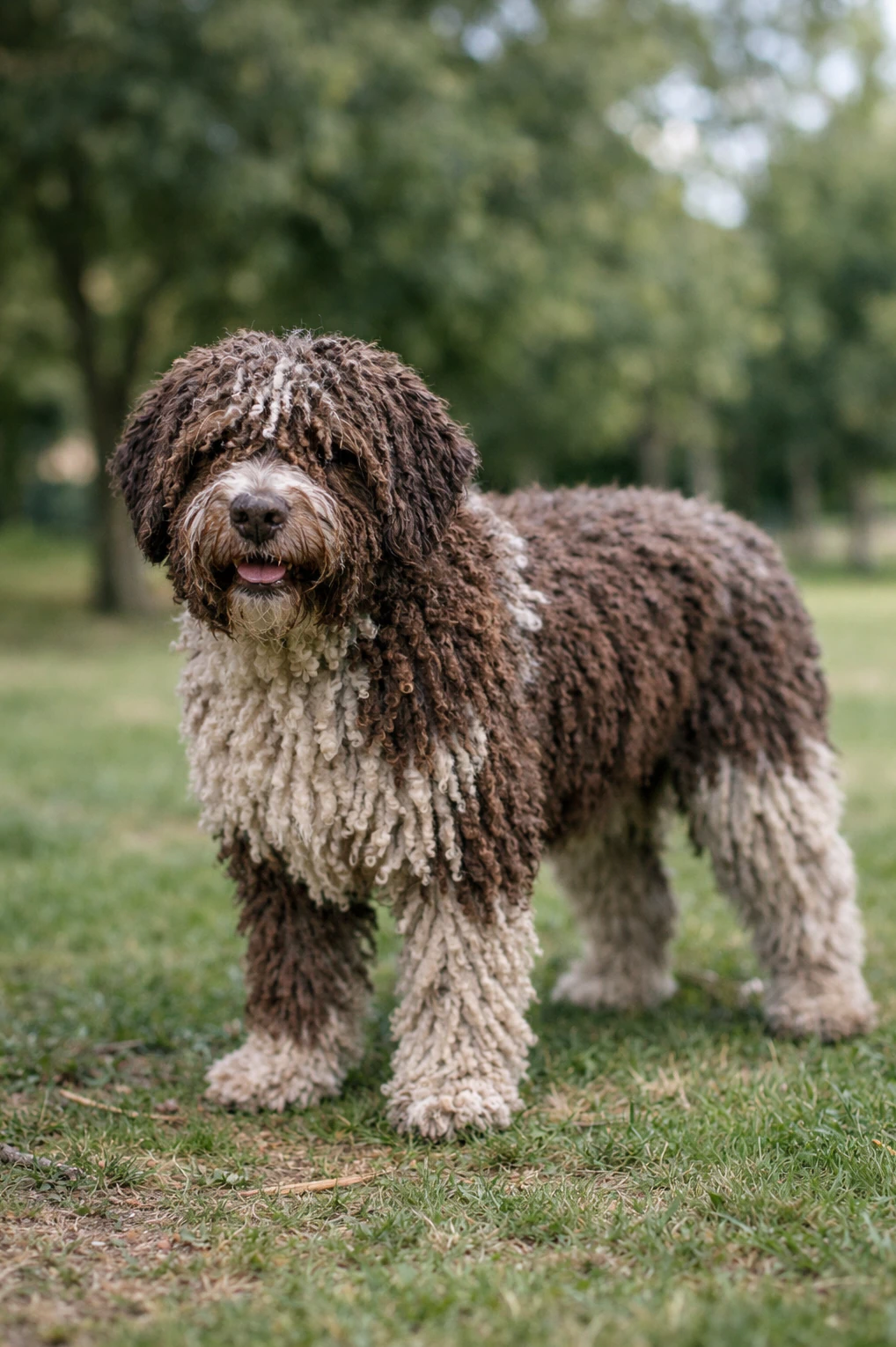
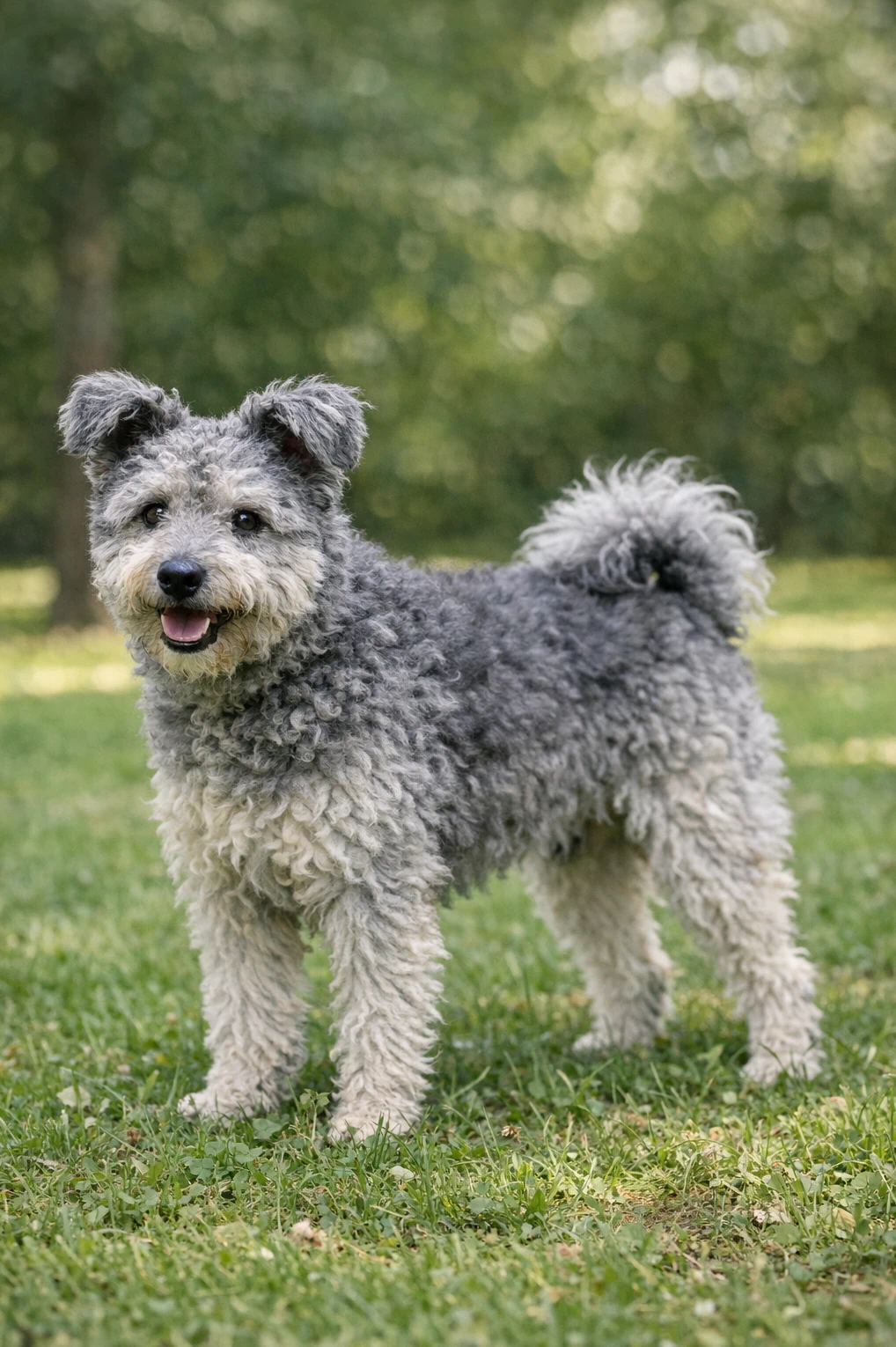
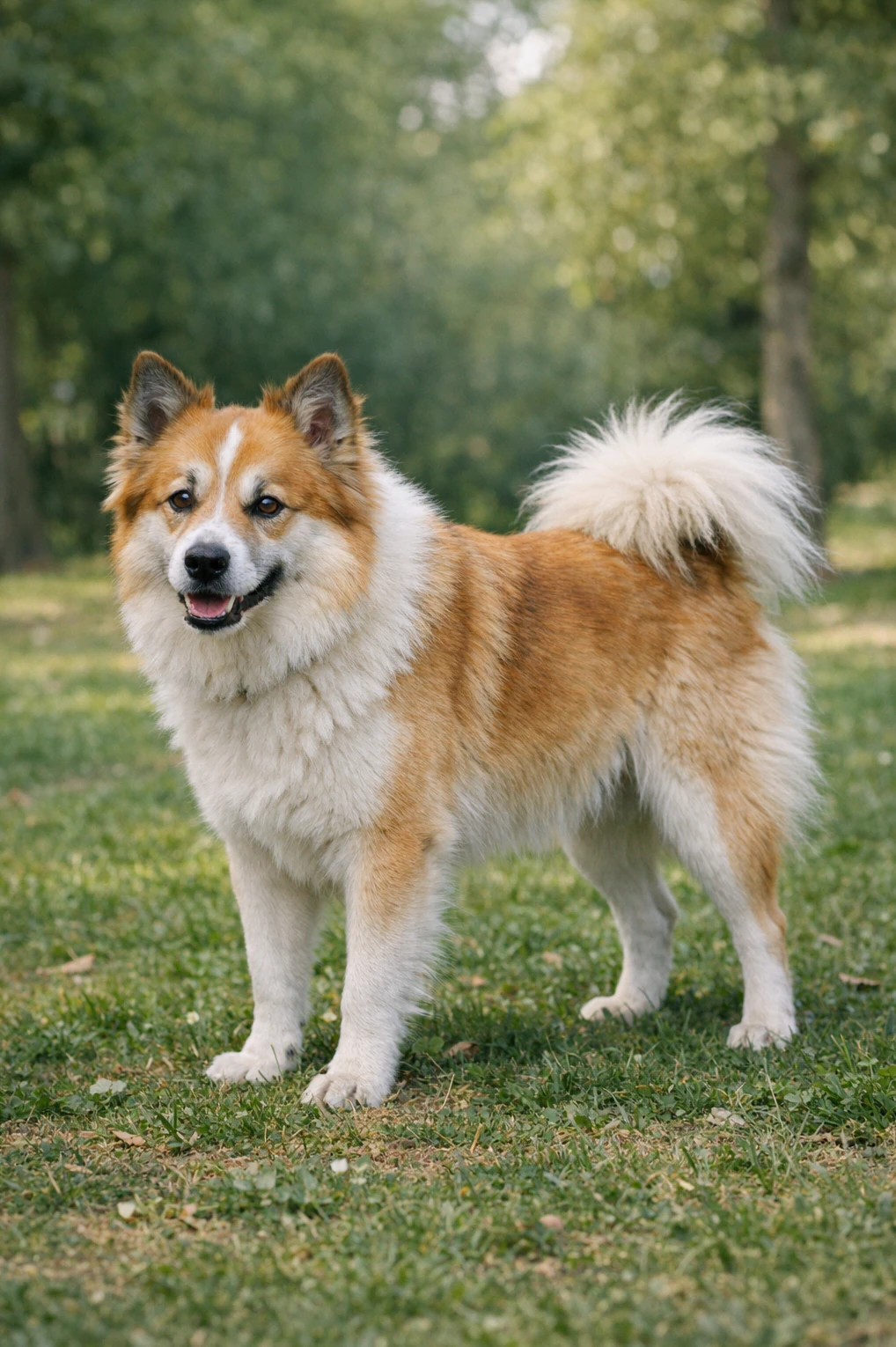
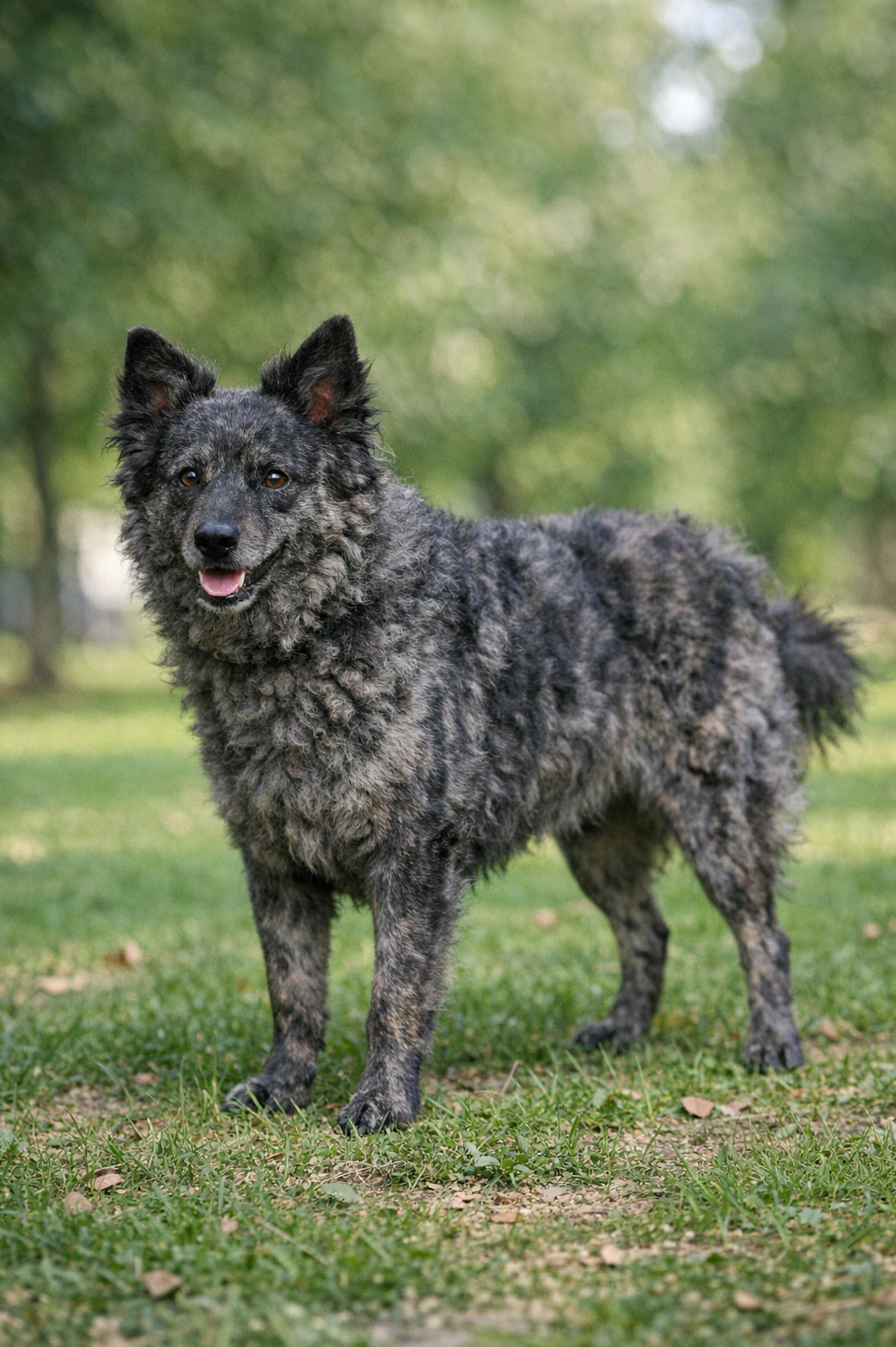
Mudi: compact, nimble herding dog, about 15 to 18.5 inches tall and 18 to 29 pounds, devoted, bright, and spirited.
Nutritional verdict: needs a balanced, protein-rich diet to fuel activity and preserve lean muscle.
Understanding the Mudi Metabolism and Energy Needs
As a nimble Hungarian herder, this dog was bred to move livestock with speed and smarts. That history creates needs for a diet supporting activity, recovery, and mental focus. Food should build and preserve lean tissue while fueling bursts of work.
A higher share of quality animal protein, around 25 to 30 percent of calories, helps keep muscles strong and repairs tissue after exercise. Essential amino acids support nerve and brain chemistry for responsiveness. Lean meats and fish are practical protein choices.
Fat is concentrated fuel for endurance and keeps skin and coat healthy, so omega-3 rich oils are beneficial, with roughly 15 to 20 percent of calories from fats. Complex carbohydrates and fiber offer steady energy and digestive balance without weight gain. Joint-supporting nutrients like glucosamine and antioxidants complete a plan for lasting agility and comfort.
Managing Mudi Genetic Health Risks Through Nutrition
Obesity / Overweight
Helpful nutrients
Nutritional imbalances from home-prepared diets
Helpful nutrients
Life-stage nutritional needs (puppy, adult, senior)
Helpful nutrients
Digestive upset from unsafe or unfamiliar human foods
Helpful nutrients
Mudi Feeding & Calorie Calculator
Estimated Daily Calories
Tip: Start with this amount and adjust after 2–3 weeks based on your dog's body condition and weight trend.
This estimate provides a starting point for feeding. Individual calorie needs may vary depending on metabolism, body condition, and health status. Always monitor your dog's weight and consult your veterinarian when adjusting diet.
Foods and Ingredients to Avoid for Mudi Dogs
On account of the Mudi's moderate size and tendency to gain weight, high-fat foods and fatty table scraps can quickly push them into excess calories and weight gain, which stresses their joints and reduces activity.
Fatty meals also raise the risk of pancreatitis, an emergency condition that smaller to medium dogs can develop when exposed to rich foods.
Keep treats lean and stick to measured portions so your Mudi learns healthy habits and you avoid creeping calories.
If you suspect a sensitive stomach, consult your vet before introducing richer ingredients or switching to a high-fat therapeutic diet.
Because Mudis are easily motivated by food and can become overweight, frequent treats or calorie-dense people snacks will increase the likelihood of obesity and related problems like joint strain and reduced stamina.
Training treats are useful, but quantity and calorie content matter more than you might think.
Use tiny, low-calorie rewards and count them toward daily calories to keep your dog's weight stable and energy high.
If weight creeps up, swap to lower-calorie options and check with your vet for a tailored feeding plan.
Xylitol and some artificial sweeteners are extremely dangerous for dogs, causing sudden low blood sugar and liver damage even in very small amounts, and that risk applies to a Mudi just as it does to any breed.
Many sugar-free gums, candies, baked goods and some peanut butters contain xylitol, so always read labels carefully before sharing human treats.
Keep human snacks out of reach and only offer dog-safe products verified by your veterinarian, especially if you prepare homemade treats for training sessions.
Quick action is vital if ingestion is suspected, so contact your vet or an emergency clinic right away.
Grapes and raisins can cause kidney failure in dogs, and even small amounts may be harmful for a Mudi given their smaller body mass.
Other fruits with pits or seeds, like stone fruits, can pose choking risks or contain compounds that are toxic in concentrated amounts.
Offer dog-safe fruits in moderation, remove pits, and stick to small portions as occasional treats to avoid extra calories.
When in doubt, check with your veterinarian before introducing a new fruit to your dog's diet.
Diets very high in peas, lentils or other legumes have been linked in some studies to heart issues in certain dogs, so be cautious with long-term, high-legume grain-free diets for a Mudi.
While not all dogs are affected, the breed's moderate size means nutrient imbalances can show up more quickly and impact energy and heart health.
Choose balanced foods from reputable manufacturers and discuss ingredient profiles with your vet, especially if feeding a home-prepared diet.
Regular check-ups and a heart-friendly nutrient balance help spot potential problems early.
Cooked bones can splinter and rawhides or very hard chews can become choking hazards or cause intestinal blockages, risks that are more serious in a smaller to mid-sized dog like the Mudi.
These problems often require emergency surgery and can be life-threatening if a piece becomes lodged in the throat or gut.
Opt for vet-recommended chews sized appropriately and supervise chewing sessions, discarding pieces that become small enough to swallow whole.
If you like giving bones, discuss safe options with your veterinarian to keep playtime and dental care safe.
How Nutritional Needs Change Throughout the Mudi Life Stages
Mudi have changing nutritional needs as they move from playful puppyhood into steady adulthood and into their senior years. Growth rate, activity level, and breed health tendencies influence what to feed at each stage. Knowing the basics makes meal planning easier and keeps your Mudi thriving.
| Life Stage | Age Range | Primary Objective | Key Nutrient Focus |
|---|---|---|---|
| Puppy | 0–12 months | controlled skeletal development, immune support, brain development | DHA, balanced calcium/phosphorus, high-quality protein |
| Adult | 1–7 years | lean muscle maintenance and sustained energy | high-quality protein, omega-3 fatty acids, fiber |
| Senior | 7+ years | joint mobility, metabolic health, and cognitive support | glucosamine, chondroitin, antioxidants, lower calories |
Mudi puppies grow at a moderate pace for a medium breed, with most reaching adult size within the first year. Their skeletal system needs steady, balanced building blocks, so avoid too-fast growth from excess calories or imbalanced calcium and phosphorus. High quality, digestible protein supports muscle and brain development, while DHA helps with vision and learning.
Feed Mudi puppies three to four small meals a day when very young, moving to two meals as they near adulthood, and adjust portions to maintain steady growth without excess weight. Because Mudis are active and intelligent, they benefit from calorie-dense meals that include healthy fats for energy and omega fatty acids for a healthy curly coat. Responsible breeders screen for health issues, so work with your veterinarian to pick formulas suited to your pup.
Adult Mudis need a balance of quality protein and fats to maintain muscle mass and fuel their lively activity. Aim for moderate to high protein from animal sources and healthy fats for sustained energy, keeping carbohydrates as supportive calories rather than the main focus.
Calorie needs vary by lifestyle, so an active herding or performance Mudi will require more energy than a pet who enjoys daily walks. Monitor body condition and adjust portions to keep a lean, muscular build, and choose diets with joint-supporting nutrients and antioxidants to maintain long-term health. Omega fatty acids also support the curly, medium coat and skin.
As Mudis age, metabolism often slows and some dogs become less active, which lowers calorie needs. Digestion may become less efficient and mobility can be affected, so nutrition should focus on preserving lean mass while preventing weight gain.
Higher quality protein in slightly smaller portions helps retain muscle, while joint-supporting ingredients like glucosamine, chondroitin, and omega-3 fatty acids support mobility and reduce inflammation. Antioxidants and adjusted fiber help digestion and cellular health, and regular weight checks with your veterinarian will guide calorie adjustments based on your Mudi's activity and overall wellness.
Kibble vs Fresh vs Raw for Mudi
Mudis are active, intelligent herding dogs, so their diet should support energy levels, mental fitness, and a healthy curly coat.
Different feeding models fit different routines, budgets, and any food sensitivities your Mudi may have.
Pros
- Convenient and easy to portion for busy owners.
- Formulas for active small to medium dogs match energy needs.
- Consistent, balanced nutrition reduces risk of deficiencies.
- Dry kibble can help reduce tartar buildup during chewing.
Cons
- Lower moisture content may not suit dogs that drink less.
- Some lower cost formulas include fillers and additives.
- May be less appealing to picky, intelligent Mudis.
- Portion control is essential to avoid unwanted weight gain.
Pros
- Highly palatable, ideal for picky or food motivated Mudis.
- High moisture supports digestion and hydration.
- Full control over protein sources helps manage sensitivities.
- Easy to add omega rich ingredients for a shiny curly coat.
Cons
- Requires careful planning to ensure complete nutrition.
- More time consuming and more expensive than kibble over time.
- Needs refrigeration and meal prep, not ideal for very busy owners.
- Missing supplements like calcium can cause long term imbalances.
Pros
- High quality raw protein can support lean muscle and energy.
- Some owners report improved coat shine and overall vitality.
- Unprocessed foods preserve some heat sensitive nutrients.
- Can satisfy hunting and chewing instincts of active Mudis.
Cons
- Higher risk of bacterial contamination, demanding strict hygiene.
- Improperly balanced diets can cause nutrient deficiencies.
- Raw bones pose choking or dental risks if sized poorly.
- Veterinary oversight and careful sourcing add time and cost.
| Diet Type | Pros for Mudi | Potential Downsides |
|---|---|---|
| High-Quality Kibble |
|
|
| Fresh Cooked Food |
|
|
| Raw Diet (BARF) |
|
|
Our Recommendation
For many Mudi owners, a high quality kibble formulated for active small to medium breeds is a dependable, low fuss choice.
Fresh cooked meals work well for picky dogs or those with sensitivities, as long as meals are balanced with guidance.
A raw approach can benefit energy and coat, but it requires strict hygiene and veterinary support.
See Also
Breeds with similar group, size, and coat characteristics