Best Dog Food for Icelandic Sheepdog in 2026Based on Nutritional Science
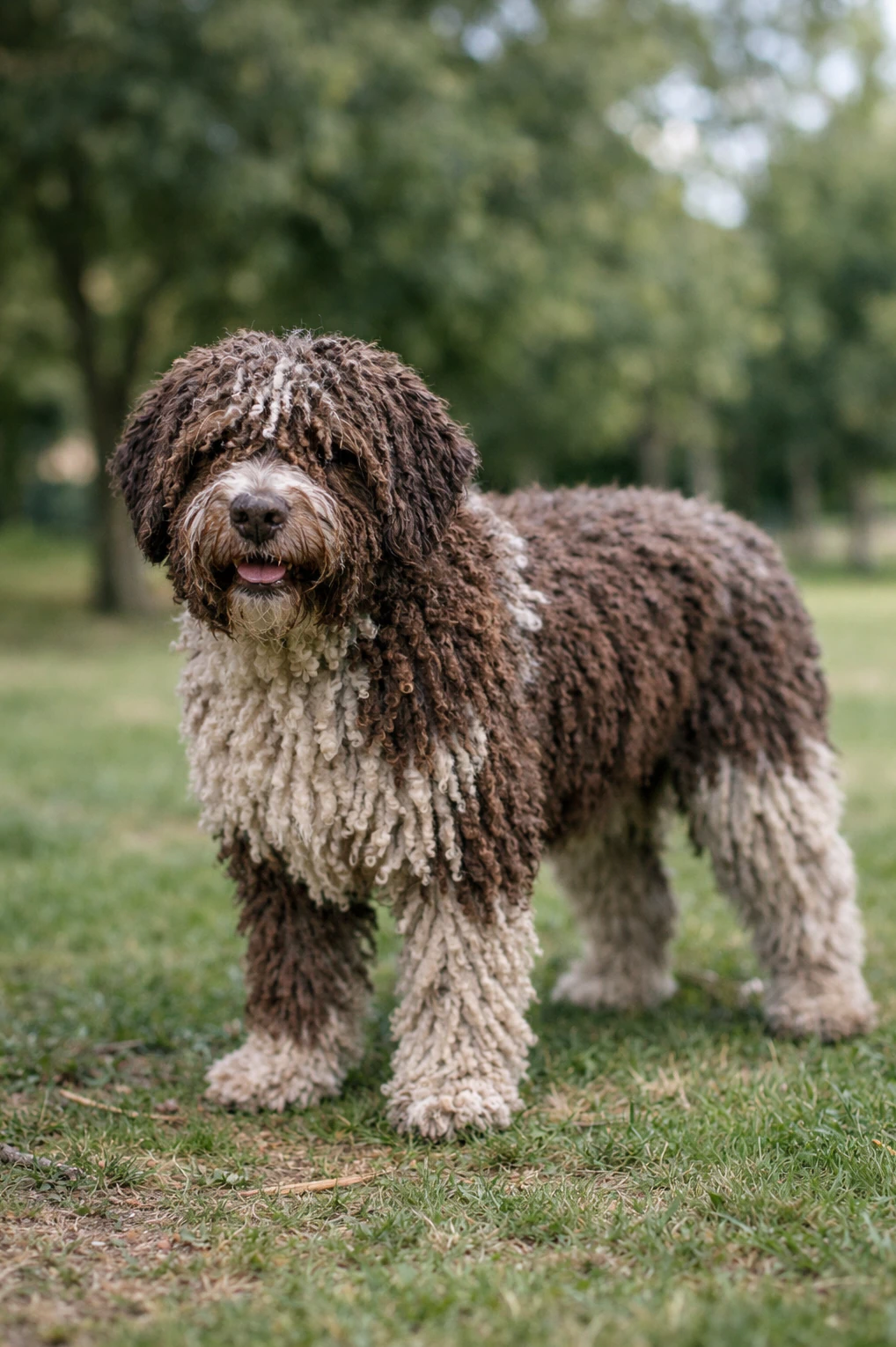
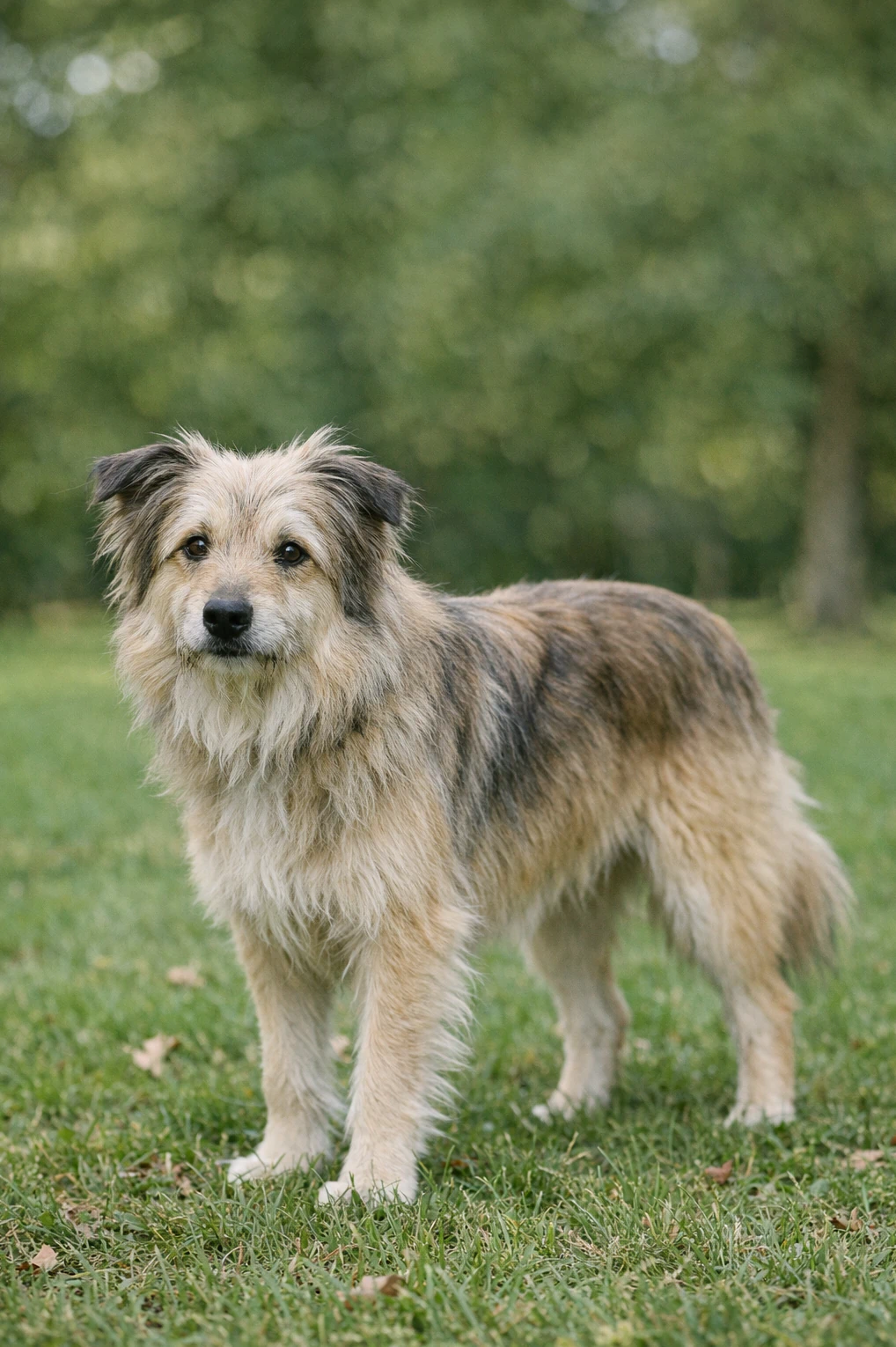
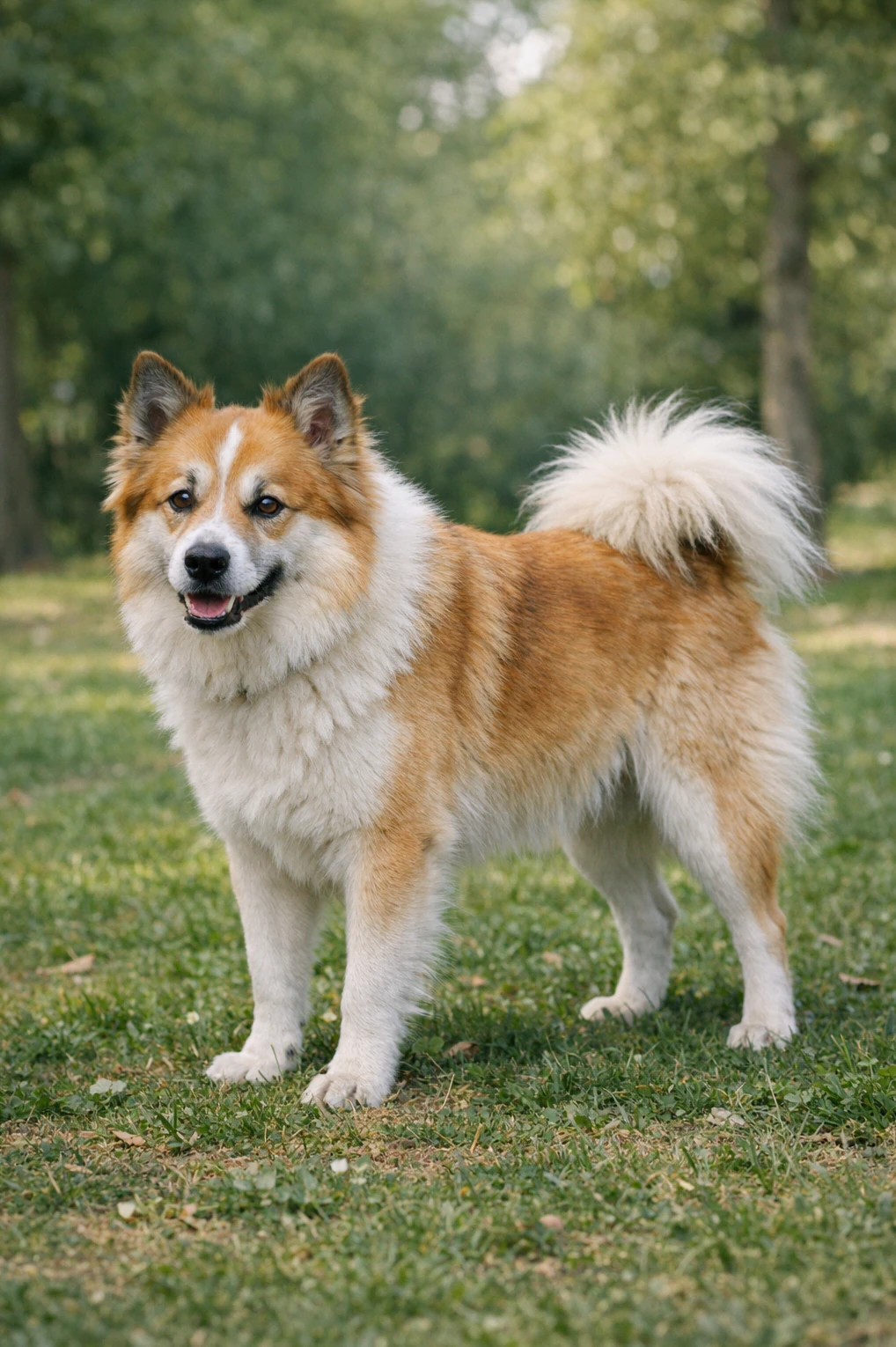
Icelandic Sheepdog: compact at 18 inches and 30 pounds, sociable, energetic, and curious. Nutritional Verdict: needs a balanced, protein-rich diet for steady energy and a healthy coat, plus moderate calories and joint support.
Understanding the Icelandic Sheepdog Metabolism and Energy Needs
This small Nordic herding companion was developed to work closely with livestock across changeable weather and rough ground, which shapes its modern dietary needs. Its sociable, lively and curious nature means it needs fuel for both steady work and sudden activity bursts.
A diet centered on high quality protein supports muscle strength and keeps energy available for sprinting, gathering and play. Aim for lean animal proteins like poultry, fish or lamb to supply essential amino acids and maintain a compact, active body.
Moderate fat provides concentrated energy and helps maintain a dense, weather-resistant coat, while omega-3 oils support skin health and brain function. Controlled complex carbohydrates offer slow-release fuel for training without promoting excess weight.
Joint-support nutrients and probiotics can help an energetic life, protecting mobility and digestion as the dog ages. Balanced portions and activity-matched calories keep this type of dog fit, bright and ready to work or cuddle.
Managing Icelandic Sheepdog Genetic Health Risks Through Nutrition
Hip and Elbow Dysplasia
Helpful nutrients
Patellar Luxation
Helpful nutrients
Ear Infections
Helpful nutrients
Dental Disease
Helpful nutrients
Parasites
Helpful nutrients
Weight Management
Helpful nutrients
Icelandic Sheepdog Feeding & Calorie Calculator
Estimated Daily Calories
Tip: Start with this amount and adjust after 2–3 weeks based on your dog's body condition and weight trend.
This estimate provides a starting point for feeding. Individual calorie needs may vary depending on metabolism, body condition, and health status. Always monitor your dog's weight and consult your veterinarian when adjusting diet.
Foods and Ingredients to Avoid for Icelandic Sheepdog Dogs
Icelandic Sheepdogs are sturdy but compact at around 30 pounds, and excess body fat can quickly strain their hips and knees.
High-fat table scraps and fatty cuts of meat add concentrated calories that promote weight gain and can increase the risk of joint problems like hip dysplasia and patellar luxation.
Keep treats lean and portion-controlled, and choose dog foods with moderate fat tailored to their activity level.
If you notice rapid weight gain or decreased mobility, check with your vet for a diet plan.
Giving lots of human food or frequent table scraps makes it hard to control calories, and even small dogs can gain weight fast.
Extra pounds add pressure to growing and adult joints, which can aggravate predispositions to hip or elbow dysplasia and patellar luxation.
Feed measured portions of a balanced diet designed for the dog's life stage and activity. Use small, low-calorie treats for training and avoid using meals as rewards.
During rapid growth, too much calcium or off-label supplements can interfere with normal bone development in medium-sized breeds.
An imbalance may contribute to abnormal joint formation and increase the risk of hip or elbow problems later in life.
Stick to a vet-recommended puppy formula for growth, and only use additional vitamins or minerals when prescribed.
Your breeder or veterinarian can advise on appropriate feeding for healthy skeletal development.
Salty snacks and processed meats can lead to dehydration, increased thirst, and gastrointestinal upset in dogs.
For a 30-pound Icelandic Sheepdog, extra sodium is unnecessary and can worsen general health, especially if your dog has any undiagnosed conditions.
Avoid feeding deli meats, chips, and highly seasoned human foods, and provide fresh water at all times. If you suspect sodium ingestion, contact your vet for guidance.
Foods like chocolate, grapes and raisins, xylitol-sweetened items, onions, and garlic are toxic to dogs and should never be offered.
Because smaller dogs need a smaller toxic dose, even modest amounts can cause serious problems such as vomiting, low blood sugar, or organ damage.
If you think your dog ate something toxic, call your veterinarian or an emergency poison line right away.
Keep dangerous foods well out of reach and educate family members about what is unsafe.
Cooked bones, especially poultry bones, can splinter and cause mouth injuries, throat punctures, or intestinal blockages.
Hard chews that fracture easily can also crack teeth and lead to painful dental issues for this breed, which benefits from regular tooth care.
Offer safe, vet-approved chews or raw bones chosen for size and durability, and supervise chewing sessions. Replace any damaged chews and consult your vet about suitable dental-friendly options.
How Nutritional Needs Change Throughout the Icelandic Sheepdog Life Stages
Dogs have different nutritional requirements during puppyhood, adulthood, and senior years, and an Icelandic Sheepdog's needs shift as it grows from a curious puppy into a playful adult and then a calmer senior. These changes are influenced by the breed's moderate growth rate, energetic activity level, medium size, and a few health tendencies like joint concerns and the need for regular ear and dental care. Tailoring food and feeding routines helps keep them healthy through every stage.
| Life Stage | Age Range | Primary Objective | Key Nutrient Focus |
|---|---|---|---|
| Puppy | 0–12 months | controlled skeletal development, immune support, brain development | DHA, balanced calcium/phosphorus, high-quality protein |
| Adult | 1–7 years | lean muscle maintenance and sustained energy | high-quality protein, omega-3 fatty acids, fiber |
| Senior | 7+ years | joint mobility, metabolic health, and cognitive support | glucosamine, chondroitin, antioxidants, lower calories |
An Icelandic Sheepdog puppy grows steadily over the first year to 18-24 months, with a moderate growth rate typical of medium breeds. Their developing skeleton and joints need steady, balanced nutrition to support healthy bone growth while avoiding overly rapid weight gain that can stress hips, elbows, and knees. Choose puppy formulas designed for medium breeds with controlled calcium and phosphorus levels and moderate calories.
Feed frequent small meals, three to four times daily when very young, then gradually reduce to two meals as they mature. Prioritize high quality protein, essential fatty acids like DHA for brain and coat development, and cautious calcium levels to lower the risk of hip or elbow dysplasia and patellar luxation. Monitor weight and energy closely, and talk with your vet before adding supplements for joint support.
As an adult, an Icelandic Sheepdog needs a balanced diet that supports lean muscle and steady energy for its friendly, playful, and inquisitive nature. Aim for high quality animal protein as the foundation, with moderate fat to fuel activity without excess calories, while healthy fats help keep the double coat and skin in good condition. Include digestible carbohydrates and nutrients that sustain stamina for daily play and walks.
Maintain portion control and adjust intake based on activity level, age, and whether the dog is spayed or neutered. Include joint supportive ingredients like omega-3 fatty acids and monitor weight to reduce stress on hips and elbows. Regular dental care, fresh water, and annual vet checkups will help your medium-sized dog stay fit and happy.
As your Icelandic Sheepdog enters its senior years, metabolism and activity often slow and digestion can become less efficient. Joints may show wear, especially in breeds with hip or elbow concerns, so keeping mobility in mind becomes more important.
Seniors benefit from diets that preserve muscle with high quality, easily digestible protein and slightly reduced calories to prevent unwanted weight gain that stresses the joints. Increased fiber can aid digestion and promote regular bowel movements.
Look for foods enriched with joint supports like glucosamine and chondroitin, plus omega-3s and antioxidants such as vitamins E and C to support mobility and overall health. Softer or dental-friendly textures may suit dogs with tooth wear, and regular weight checks and vet visits will help fine tune the plan.
Kibble vs Fresh vs Raw for Icelandic Sheepdog
Different feeding models suit different lifestyles and activity levels. For the playful, inquisitive Icelandic Sheepdog, choose a diet that supports joint health, a healthy coat, and steady energy.
Pros
- Convenient and easy to portion for busy families.
- Crunch helps reduce tartar, supporting regular dental care.
- Balanced formulas provide consistent nutrients and steady energy for active play.
- Many formulas include joint-support nutrients helpful for breeds prone to dysplasia.
Cons
- Lower moisture may not suit dogs that drink little.
- Some brands use fillers or artificial additives you may want to avoid.
- Calorie-dense formulas can cause weight gain without careful portion control.
- Less appealing for picky Icelandic Sheepdogs compared with fresh meals.
Pros
- Very palatable, great for picky or selective eaters.
- High moisture supports digestion and can help skin and coat health.
- You control ingredient quality and can tailor protein for joint health.
- Easy to add supplements like glucosamine for hip support.
Cons
- More time consuming and requires daily meal prep.
- Cost is higher than kibble over time for most households.
- Needs careful balancing to avoid nutrient gaps in growing or active dogs.
- Requires refrigeration and planning for outings or travel.
Pros
- High-quality proteins can boost coat shine and muscle tone.
- Less processing preserves some natural nutrients.
- Some owners report improved energy levels in active dogs.
Cons
- Greater bacterial risk requires strict hygiene and careful handling.
- Unbalanced calcium can harm growing dogs and joint-prone breeds.
- Whole bones can cause choking or dental fractures in medium breeds.
- Veterinary guidance is essential to ensure complete, safe nutrition.
| Diet Type | Pros for Icelandic Sheepdog | Potential Downsides |
|---|---|---|
| High-Quality Kibble |
|
|
| Fresh Cooked Food |
|
|
| Raw Diet (BARF) |
|
|
Our Recommendation
Many Icelandic Sheepdogs thrive on high-quality kibble, especially formulas with joint-support nutrients.
Fresh cooked meals work well for picky dogs or coat concerns, while raw diets can be suitable only with veterinary guidance and careful handling.
See Also
Breeds with similar group, size, and coat characteristics