Best Dog Food for Finnish Lapphund in 2026Based on Nutritional Science
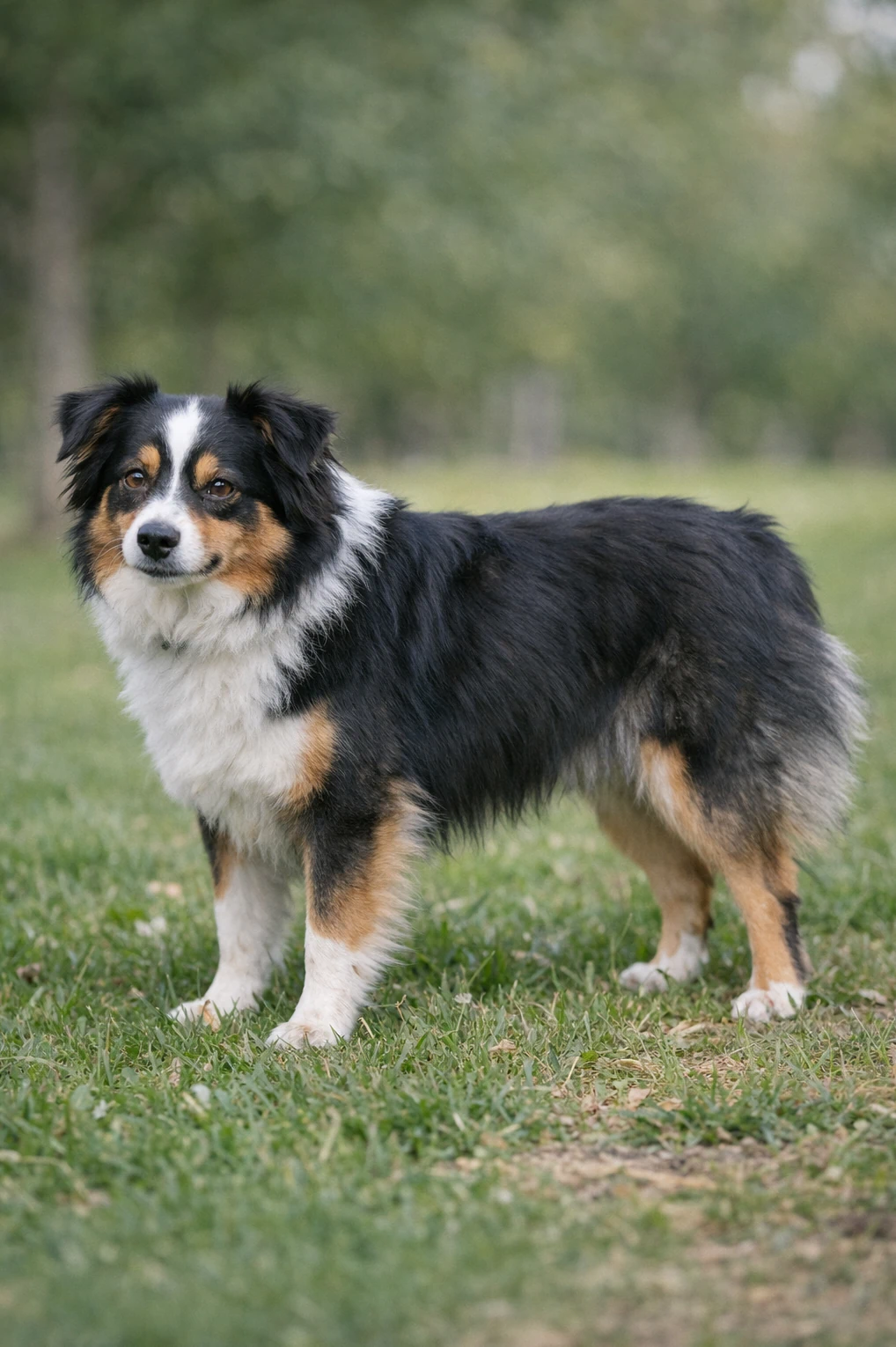
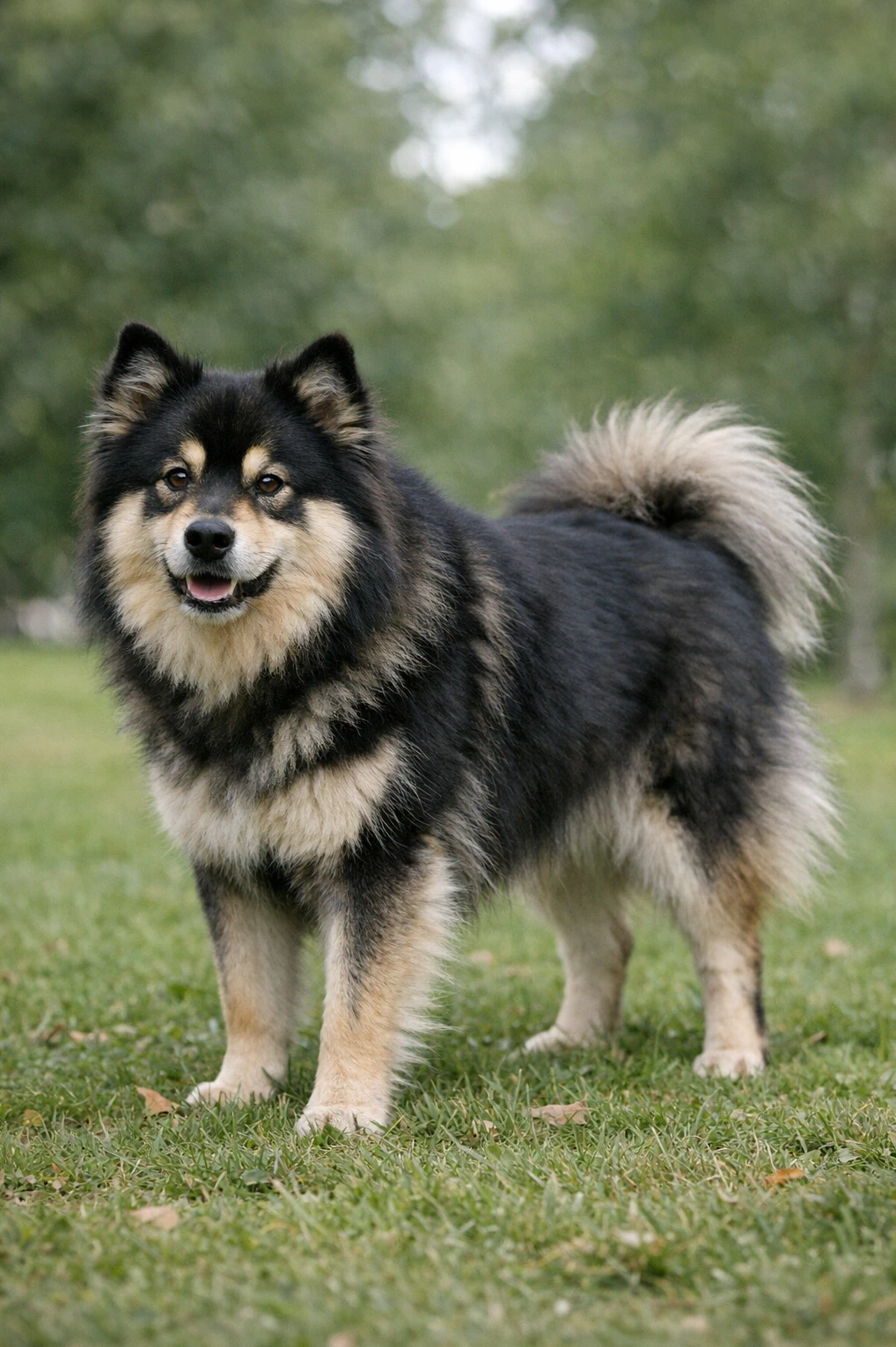
Male Finnish Lapphunds stand about 18 to 21 inches and weigh 33 to 53 pounds, coming across vigilant, sociable, and nimble. Nutritional Verdict: balanced diet with quality protein and portion control keeps them fit.
Understanding the Finnish Lapphund Metabolism and Energy Needs
As a Nordic herding companion bred to work long days in cool climates, this dog mixes steady endurance with quick bursts of movement and a dense, insulating coat. Its lineage demanded strong, efficient muscles and the ability to sustain activity over varied terrain, which still shapes modern needs.
Higher quality protein is essential to preserve lean muscle used in sudden turns and long walks, so focus on animal-based, easily digested sources. Rich fats provide concentrated calories for insulation and stamina, while omega-3 fatty acids support skin, coat, and joint comfort. Moderate complex carbohydrates deliver slow-release fuel for steady activity without sharp energy swings.
Many now live as family pets with lower daily workload, so watch portions to prevent extra weight and include joint-support supplements like glucosamine and chondroitin for nimble movement. B vitamins, antioxidants, and probiotics help metabolism, recovery, and digestion for a happy, active companion.
Managing Finnish Lapphund Genetic Health Risks Through Nutrition
Hip & Elbow Dysplasia
Helpful nutrients
Progressive Retinal Atrophy (vision loss)
Helpful nutrients
Ear Infections
Helpful nutrients
Dental Disease
Helpful nutrients
Obesity / Weight Gain
Helpful nutrients
Finnish Lapphund Feeding & Calorie Calculator
Estimated Daily Calories
Tip: Start with this amount and adjust after 2–3 weeks based on your dog's body condition and weight trend.
This estimate provides a starting point for feeding. Individual calorie needs may vary depending on metabolism, body condition, and health status. Always monitor your dog's weight and consult your veterinarian when adjusting diet.
Foods and Ingredients to Avoid for Finnish Lapphund Dogs
Because Finnish Lapphunds can gain weight easily and excess weight puts extra stress on hips and elbows, high-fat foods and fatty table scraps should be limited.
Large amounts of fat also increase the risk of digestive upset and pancreatitis, and carrying extra pounds can worsen predisposed joint issues and mobility over time.
Stick to lean proteins and measured portions to keep their weight steady and joints supported.
Treats are useful for training, but too many can quickly push a 33 to 53 pound Finnish Lapphund into overweight territory, which raises the risk of hip and elbow dysplasia and makes daily activities harder.
Table scraps often carry hidden calories, salt, and fats that add up fast, so reserve them for occasional special moments and account for them in the daily calorie budget.
Your vet or a nutrition plan can help set an appropriate treat allowance.
Cooked bones and brittle chews are especially dangerous because they can splinter and cause mouth, throat, or intestinal injuries, which may require emergency care.
Very hard chews and large bones can also crack teeth, while smaller sharp fragments can lodge and cause painful obstructions.
Choose vet-recommended chews that are appropriate for their size and supervise chew time to reduce risks.
Growing Finnish Lapphund puppies need balanced nutrition, but diets too high in calcium or formulas meant for giant breeds can contribute to abnormal bone growth and increase the chance of hip and elbow problems later in life.
Avoid supplementing calcium unless advised by your veterinarian, and choose puppy formulas formulated for medium breed growth to support steady, healthy development.
Because some Finnish Lapphunds show skin sensitivities and food reactions, avoiding artificial preservatives, colors, and low-quality fillers is a sensible precaution.
Ingredients such as BHA and BHT, along with excessive amounts of inexpensive fillers, can sometimes trigger itchy skin or upset stomachs in sensitive dogs, so look for whole food ingredients and consult your vet if you notice recurring ear infections, hot spots, or digestive troubles.
Diets that rely heavily on legumes, pulses, or novel protein blends should be approached with caution, particularly if they are unbalanced or if your dog has a history of cardiac concerns.
Some studies and reports suggested links between pulse-rich diets and heart muscle issues in certain dogs, and these formulas may also differ in nutrient bioavailability needed for eye and overall health.
Discuss diet choices with your veterinarian to ensure complete nutrition for vision and cardiac welfare.
How Nutritional Needs Change Throughout the Finnish Lapphund Life Stages
Dogs have different nutritional needs as they move from puppyhood through adulthood to their senior years, and Finnish Lapphunds are no exception. Growth rate, activity level and breed-specific health tendencies influence how much and what they should eat. Being alert, agile and medium-sized, Lappies need food tailored to support steady growth, energy demands and long-term joint and eye health.
| Life Stage | Age Range | Primary Objective | Key Nutrient Focus |
|---|---|---|---|
| Puppy | 0–12 months | controlled skeletal development, immune support, brain development | DHA, balanced calcium/phosphorus, high-quality protein |
| Adult | 1–7 years | lean muscle maintenance and sustained energy | high-quality protein, omega-3 fatty acids, fiber |
| Senior | 7+ years | joint mobility, metabolic health, and cognitive support | glucosamine, chondroitin, antioxidants, lower calories |
Finnish Lapphund puppies grow at a steady, medium pace compared with giant breeds, but their skeletal development still needs careful support. Controlled, steady growth helps reduce risk of hip and elbow dysplasia, so calorie intake should avoid rapid weight gain while allowing normal muscle and bone maturation. Frequent small meals support consistent energy for these alert, agile youngsters and help prevent overeating.
Focus on high-quality protein for muscle building, balanced calcium and phosphorus for bone health, and omega-3 fats for joint and retinal development. Added antioxidants and gentle probiotics can support immune health and digestion as the double coat develops. Work with your veterinarian to set portion sizes and a feeding schedule that matches activity level and growth milestones.
Adult Finnish Lapphunds are medium, energetic dogs that benefit from a diet supporting steady lean muscle and sustained activity. High quality animal protein helps maintain muscle mass, while moderate fat provides energy without excess calories; the exact balance depends on your dog's activity level and whether they herd, play or live a more relaxed life. Regular feeding routines and portion control keep energy steady and body condition in check.
Complex carbohydrates and fiber support digestion and stable energy, and including joint-friendly nutrients like glucosamine can be helpful given the breed's predisposition to hip and elbow issues. Routine weight checks and slight portion adjustments help prevent excess weight that stresses joints. Combining good nutrition with regular exercise, grooming and dental care supports their overall wellbeing.
As Finnish Lapphunds enter their senior years, metabolism often slows and activity levels decline, which may require calories to be reduced to prevent weight gain. Slower digestion and changes in dental health can make softer, highly digestible protein sources easier to handle, while maintaining protein levels helps preserve muscle mass and mobility. Monitoring body condition and adjusting meal size keeps them comfortable and active.
Emphasize joint support with glucosamine, chondroitin and omega-3 fatty acids, and include antioxidants like vitamins C and E to support cellular health and eye function given the risk of progressive retinal atrophy. Work with your veterinarian to monitor weight, adjust portions, and consider supplements or prescription diets tailored to mobility, digestion and any emerging health needs.
Kibble vs Fresh vs Raw for Finnish Lapphund
Different feeding models suit different lifestyles and canine needs. For Finnish Lapphunds, consider activity level, joint health, coat condition, and genetic risks when choosing a diet.
Pros
- Convenient and easy to portion for busy owners.
- Formulas with glucosamine support joint health.
- Crunch helps reduce tartar and supports dental health.
- Balanced, nutrient-complete options simplify feeding and weight control.
Cons
- Lower moisture content may require extra water or wet food.
- Some brands use fillers that can add unnecessary calories.
- Less control over ingredients for dogs with food sensitivities.
- Calorie-dense formulas risk weight gain without careful portioning.
Pros
- Highly palatable, often great for picky Finnish Lapphunds.
- High moisture supports digestion and healthy hydration.
- Full control over ingredients helps manage allergies and quality.
- You can add joint supplements and omega oils easily.
Cons
- Requires careful planning to avoid nutrient imbalances long-term.
- More time consuming and often costlier than kibble.
- Needs refrigeration and meal prep to prevent spoilage.
- May need veterinarian or nutritionist input for balanced meals.
Pros
- High protein, minimally processed food can boost energy and coat.
- Some owners report firmer stools and improved digestion.
- Whole foods allow close control over ingredient sources.
Cons
- Higher bacterial contamination risk without strict hygiene.
- Raw bones can pose choking, tooth, or digestion hazards.
- Hard to balance calcium and phosphorus without supplements.
- Not ideal in households with immunocompromised family members.
| Diet Type | Pros for Finnish Lapphund | Potential Downsides |
|---|---|---|
| High-Quality Kibble |
|
|
| Fresh Cooked Food |
|
|
| Raw Diet (BARF) |
|
|
Our Recommendation
For many Finnish Lapphunds, a high-quality kibble with joint support and added omega fatty acids is a practical everyday choice.
Fresh cooked meals suit owners who enjoy cooking and commit to balanced recipes. Raw diets can work but need strict hygiene, careful balancing, and veterinary guidance.
See Also
Breeds with similar group, size, and coat characteristics