Best Dog Food for Cardigan Welsh Corgi in 2026Based on Nutritional Science
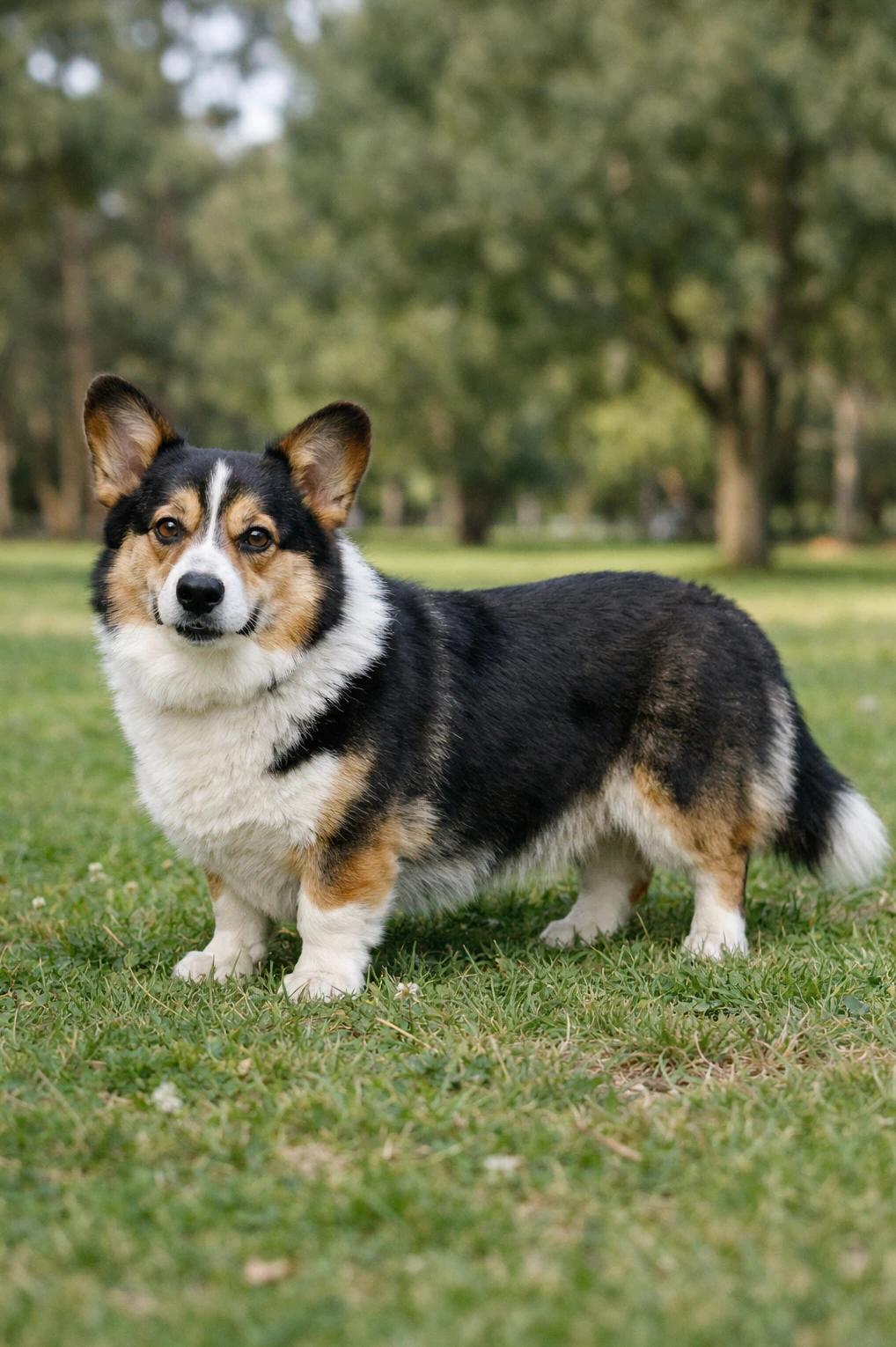
Compact, devoted Cardigan stands about 10.5-12.5 inches and males weigh 30-38 pounds, with a loving, quick-witted nature. Nutritional verdict: feed high-quality protein, controlled portions, and joint-supporting nutrients for steady energy and healthy weight.
Understanding the Cardigan Welsh Corgi Metabolism and Energy Needs
As a small herding companion bred to move livestock, this low-to-the-ground dog needs both stamina and agility. Their devoted, warm nature pairs with quick thinking, so their diet must support steady energy and sharp cognition.
A higher proportion of high-quality animal protein helps preserve lean mass and supports the short, powerful bursts of activity these dogs use, while controlled healthy fats supply concentrated energy without excess calories. Joint-support nutrients such as glucosamine and chondroitin can protect the back and hips, because long bodies and short legs increase mechanical strain.
Moderate complex carbohydrates and soluble fiber provide sustained fuel and help manage weight, since they can gain pounds easily. Omega-3 fatty acids and antioxidants support skin and cognitive health, and help tamp down inflammation for an active, happy companion.
Managing Cardigan Welsh Corgi Genetic Health Risks Through Nutrition
Hip Dysplasia
Helpful nutrients
Progressive Retinal Atrophy (PRA)
Helpful nutrients
Degenerative Myelopathy
Helpful nutrients
Back Issues (spinal injuries/IVDD risk)
Helpful nutrients
Obesity / Overweight
Helpful nutrients
Cardigan Welsh Corgi Feeding & Calorie Calculator
Estimated Daily Calories
Tip: Start with this amount and adjust after 2–3 weeks based on your dog's body condition and weight trend.
This estimate provides a starting point for feeding. Individual calorie needs may vary depending on metabolism, body condition, and health status. Always monitor your dog's weight and consult your veterinarian when adjusting diet.
Foods and Ingredients to Avoid for Cardigan Welsh Corgi Dogs
Cardigans gain weight easily, and high-fat foods or fatty table scraps can pack on pounds fast, putting extra strain on their spine and hips.
Excess body weight increases the risk of back problems and makes movement harder, so stick to lean proteins and measured portions to keep your long-bodied pal comfortable and active.
Feeding one oversized meal or leaving food out all day encourages overeating, which is a common path to obesity in Cardigans.
Smaller, measured meals given twice daily help control calorie intake and steady digestion, reducing the likelihood of weight gain and the spinal stress that comes with extra pounds.
Xylitol, often found in sugar-free gum, baked goods, and some peanut butters, can cause dangerous drops in blood sugar and liver damage even in modest amounts for a 30 to 38 pound Cardigan.
Avoid any product with artificial sweeteners and read labels carefully, because a small accidental taste can become a medical emergency.
Grapes and their dried cousins can cause sudden kidney failure in dogs, and Cardigans are no exception, even at their medium-small size.
It is safest to never offer these fruits or any baked goods that contain them, and to keep them well out of reach to prevent a harmful curiosity snatch.
Cooked bones can splinter and cause choking, mouth injuries, or dangerous intestinal blockages, risks that are especially worrying for a breed prone to spinal or mobility issues.
Choose softer, vet-approved chews sized appropriately for a Cardigan, and supervise chewing sessions to protect teeth, throat and overall comfort.
Processed snacks and salty human foods may seem harmless, but they are calorie-dense and can promote water retention and poor appetite control, nudging Cardigans toward unhealthy weight gain.
Keep salty, processed items off the menu and opt for whole, balanced dog food tailored to your dog’s activity level to preserve joint and heart health.
How Nutritional Needs Change Throughout the Cardigan Welsh Corgi Life Stages
Dogs need different nutrition at puppyhood, adulthood, and senior years, and your Cardigan Welsh Corgi is no exception. Growth rate, activity level, and breed health tendencies shape what they need at each stage. Because Cardigans are long and low with moderate activity and specific joint and eye risks, tailoring calories, nutrients, and meal patterns helps keep them fit, supported, and happy through life.
| Life Stage | Age Range | Primary Objective | Key Nutrient Focus |
|---|---|---|---|
| Puppy | 0–12 months | controlled skeletal development, immune support, brain development | DHA, balanced calcium/phosphorus, high-quality protein |
| Adult | 1–7 years | lean muscle maintenance and sustained energy | high-quality protein, omega-3 fatty acids, fiber |
| Senior | 7+ years | joint mobility, metabolic health, and cognitive support | glucosamine, chondroitin, antioxidants, lower calories |
Cardigan puppies grow steadily to a medium adult size, but their long backs and compact bodies make controlled, steady growth important to protect developing bones and joints. Provide multiple small meals through the day while they are very young, gradually moving to two meals by adulthood, and avoid excess calories or high calcium supplements that can accelerate bone growth unevenly.
Focus on high quality, digestible protein to build lean muscle, balanced calcium and phosphorus for skeletal health, and DHA for brain and eye development. Moderate fat supports energy for their herding instincts, while antioxidants and probiotics help immune and gut health. Because Cardigans can be prone to hip issues, PRA, and back sensitivity, keep growth rate steady, monitor weight closely, and ask your vet about breed-specific screening and feeding plans.
Adult Cardigan Welsh Corgis need a steady supply of quality protein to maintain lean muscle and a moderate fat level to fuel daily activity without adding excess weight. Aim for a complete, balanced diet formulated for medium breeds, with digestible ingredients and appropriate calorie density to match their spunky but not hyperactive energy.
Two meals a day helps steady blood sugar and prevents begging, while portion control and regular exercise keep the long back safer from strain. Because this breed can gain weight easily and is predisposed to hip and back concerns, monitor body condition, limit high calorie treats, and discuss targeted nutrients such as omega-3 fatty acids and controlled joint-support formulas with your vet.
Senior Cardigans often slow their pace and their metabolism typically decreases, so calorie needs may drop while the need for high quality protein rises to preserve muscle mass. Aging can bring stiffer joints, slower digestion, and possible vision or nerve issues, so adjust meals to be more digestible, slightly lower in calories if activity wanes, and richer in nutrients that support mobility and cellular health.
Look for joint-supporting ingredients like omega-3 fatty acids, glucosamine, and chondroitin, and include antioxidants such as vitamin E and beta-carotene to help eye and nerve health. Smaller, more frequent meals can aid picky appetites, and keeping lean muscle through controlled protein intake and gentle exercise helps reduce strain on the long back. Regular vet checkups will guide any special adjustments for kidneys, weight, or early signs of degenerative myelopathy.
Kibble vs Fresh vs Raw for Cardigan Welsh Corgi
Different feeding models suit different lifestyles, activity levels, and health needs.
Below we compare high-quality kibble, fresh cooked food, and a raw BARF approach for the Cardigan Welsh Corgi.
Pros
- Convenient and easy to portion for busy owners.
- Consistent nutrition helps manage weight and energy levels.
- Many formulas include joint and hip support nutrients.
- Dry kibble can help reduce tartar on teeth.
Cons
- Can be high in calories, risking obesity if overfed.
- Low moisture content may not suit less thirsty dogs.
- Some brands include fillers or artificial additives.
- Hard kibble may be tough for older dogs with dental issues.
Pros
- Highly palatable for picky Cardigans who love food.
- High moisture supports hydration and healthy digestion.
- Full control over ingredient quality and portions.
- Easier to include joint-supporting ingredients like fish oil.
Cons
- More expensive and time consuming than kibble.
- Needs careful planning to ensure complete nutrition.
- Requires refrigeration and safe meal prep.
- Unbalanced meals can risk joint or eye health over time.
Pros
- High protein, minimally processed ingredients appeal to many owners.
- Some report shinier coat and better muscle tone.
- Can be tailored to avoid specific allergens or fillers.
- Natural bones may help keep teeth clean, with caution.
Cons
- Strict hygiene needed to prevent bacterial contamination.
- Small bones can be hazardous for a long-backed breed.
- Hard to ensure balanced minerals without guidance.
- Veterinarian supervision adds cost and planning requirements.
| Diet Type | Pros for Cardigan Welsh Corgi | Potential Downsides |
|---|---|---|
| High-Quality Kibble |
|
|
| Fresh Cooked Food |
|
|
| Raw Diet (BARF) |
|
|
Our Recommendation
Many Cardigan owners find high-quality kibble provides reliable nutrition and easy portion control. Fresh cooked food works well for picky eaters and owners who want ingredient control.
A raw BARF approach can be appropriate with veterinary guidance, but it requires strict hygiene and careful balancing.
See Also
Breeds with similar group, size, and coat characteristics