Best Dog Food for Norwegian Buhund in 2026Based on Nutritional Science
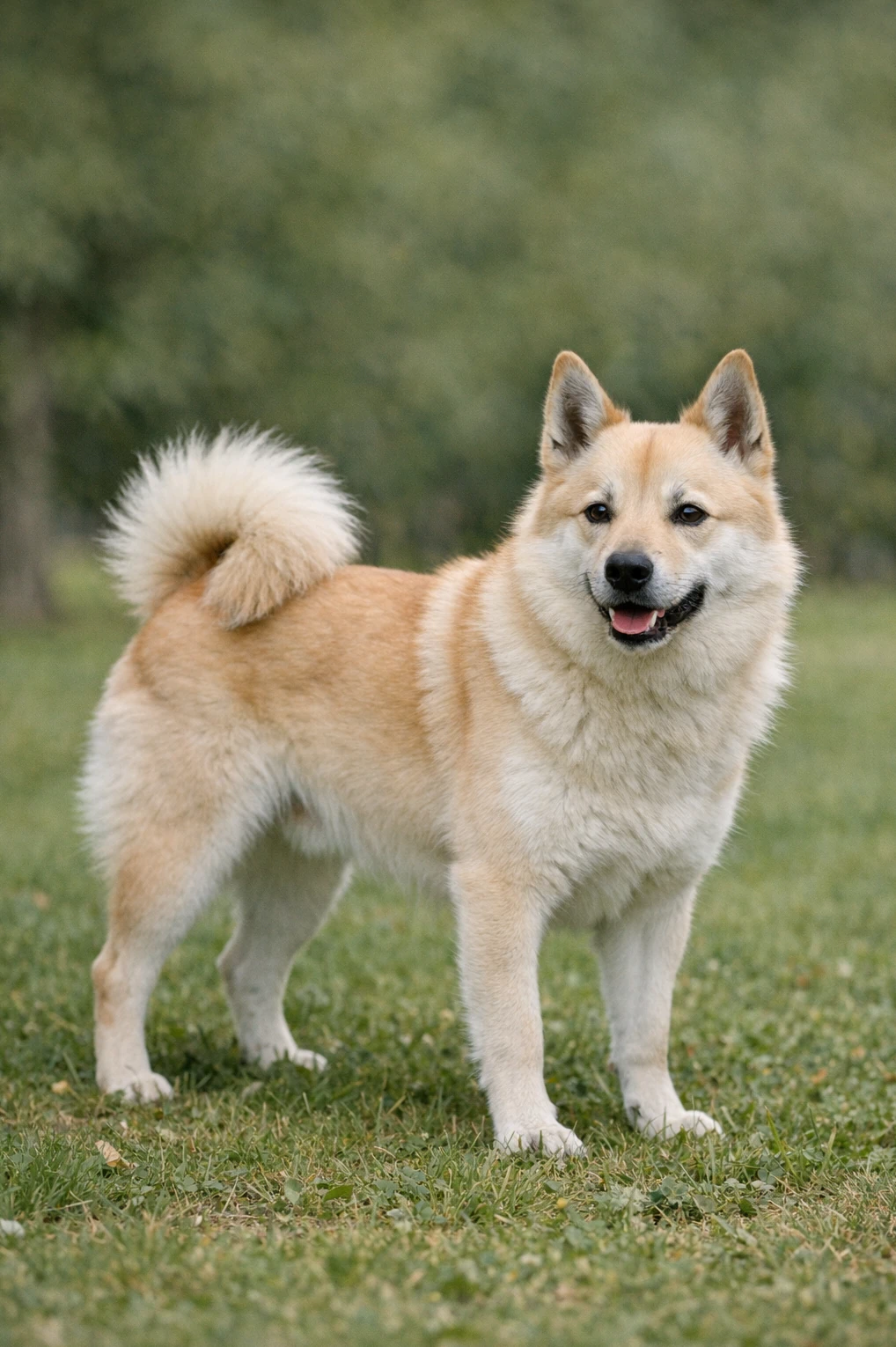
Norwegian Buhund males stand about 17 to 18.5 inches and weigh around 31 to 40 pounds. Bold, clever, and alert, they benefit from a balanced, protein-rich diet. Nutritional Verdict: active-dog fuel.
Understanding the Norwegian Buhund Metabolism and Energy Needs
Originating as a Scandinavian farm helper, this lively, self-assured shepherd-type needed endurance, quick bursts of speed, and constant attention to moving stock. Those working roots explain why modern companions of this line still crave both mental stimulation and steady physical output.
Muscle-preserving protein is central, supporting the short sprints and sustained posture that history demanded, so lean animal proteins like chicken, fish, or lamb should be prominent. Quality amino acids maintain muscle tone during play and help recovery after activity.
Moderate fat supplies concentrated fuel for long walks and supports brain health, with omega-3s benefiting skin, coat, and focus. Carbohydrates from slow-burning sources such as sweet potato or oats provide steady energy without spikes.
Because agile, active dogs repeatedly stress joints, supplements like glucosamine and chondroitin can be helpful, and antioxidants plus B vitamins support learning and metabolism. Adjust portions to activity level and choose whole food ingredients when possible.
Managing Norwegian Buhund Genetic Health Risks Through Nutrition
Norwegian Buhund Feeding & Calorie Calculator
Estimated Daily Calories
Tip: Start with this amount and adjust after 2–3 weeks based on your dog's body condition and weight trend.
This estimate provides a starting point for feeding. Individual calorie needs may vary depending on metabolism, body condition, and health status. Always monitor your dog's weight and consult your veterinarian when adjusting diet.
Foods and Ingredients to Avoid for Norwegian Buhund Dogs
Because Norwegian Buhunds are a medium-sized, active breed, extra body fat can quickly reduce their stamina and add strain to hips and shoulders.
High-fat table scraps, fried foods, and fatty cuts of meat also raise the risk of pancreatitis, which can be serious and requires veterinary care.
Keep treats lean and portion sizes controlled to maintain a healthy weight and support your dog’s energetic lifestyle.
Chocolate and caffeinated products contain substances called methylxanthines that dogs cannot metabolize well, so even small amounts can cause vomiting, restlessness, rapid heart rate, or worse.
A Norwegian Buhund’s moderate size means a dose that seems small to us can still be dangerous, so avoid sharing any chocolate bars, coffee grounds, or energy drinks.
If accidental ingestion occurs, contact your veterinarian right away.
Onions, garlic, leeks, and chives contain compounds that can damage a dog’s red blood cells and lead to anemia, and repeated exposure from flavored foods or leftovers can be risky over time.
Even in cooked form these ingredients can be harmful if eaten regularly, so steer clear of meals seasoned with alliums.
Choose plain, dog-safe vegetables and consult your vet before introducing new human foods to their diet.
Grapes and raisins are unpredictable toxins for dogs, sometimes causing sudden kidney failure with no clear warning dose, so it is safest to avoid them entirely.
Xylitol, an artificial sweetener found in many sugar-free gums, candies, and baked goods, can trigger a rapid insulin release and dangerous low blood sugar within minutes.
Keep these items well out of reach and check ingredient lists on household products.
Some grain-free diets rely heavily on peas, lentils, chickpeas, or other legumes as primary carbohydrate and protein sources, and recent research has linked certain formulations to heart concerns in some dogs.
While not every dog is affected, a Norwegian Buhund benefits from a balanced diet with varied carbohydrate sources rather than a single, legume-heavy recipe.
Talk with your veterinarian about choosing a diet that supports heart health and overall energy needs.
Raw diets and homemade recipes can seem appealing, but they often carry bacterial risks and are difficult to balance for essential nutrients like calcium and phosphorus.
An active medium-sized breed needs consistent nutrients to support muscle, joint, and immune health, and an unbalanced plan can lead to deficiencies or excesses over time.
If you prefer home-prepared meals, work with a veterinarian or a certified canine nutritionist to ensure safety and proper balance.
How Nutritional Needs Change Throughout the Norwegian Buhund Life Stages
Like people, Norwegian Buhunds have changing nutritional needs at different life stages, from puppyhood through adulthood to their senior years. Growth rate, activity level, and breed tendencies influence how many calories, which nutrients, and how often they should eat. Paying attention to these shifts helps your Buhund stay lean, strong, and happy through every stage.
| Life Stage | Age Range | Primary Objective | Key Nutrient Focus |
|---|---|---|---|
| Puppy | 0–12 months | controlled skeletal development, immune support, brain development | DHA, balanced calcium/phosphorus, high-quality protein |
| Adult | 1–7 years | lean muscle maintenance and sustained energy | high-quality protein, omega-3 fatty acids, fiber |
| Senior | 7+ years | joint mobility, metabolic health, and cognitive support | glucosamine, chondroitin, antioxidants, lower calories |
Norwegian Buhund puppies grow at a steady medium-breed pace, with rapid muscle and bone development in the first year. Because they are a confident, active spitz with plenty of energy, controlled growth supports healthy joints and helps prevent excess weight that can stress developing skeletons.
Feed high-quality puppy formulas designed for medium breeds, focusing on balanced protein, DHA for brain development, calcium and phosphorus in safe ratios, and moderate fat for energy. Offer three to four small meals a day during early months, transitioning to two by about six months, and monitor body condition to adjust portions if your pup is very active or less interested in food.
Adult Norwegian Buhunds thrive on a diet that supports lean muscle, steady energy, and mental sharpness. Their medium size and perceptive, active nature mean they do well on a maintenance formula with good quality animal protein to preserve muscle and a moderate fat level to fuel daily walks and play.
Include omega-3 fats for skin and coat health in their double coat, and digestible carbohydrates or fiber for steady energy and gut health. Match portion sizes to activity level, increase calories on heavy work or long play sessions, and consider feeding predictable meals around exercise to prevent overeating and keep energy balanced.
As Norwegian Buhunds enter senior years their metabolism often slows, and they may become less active, which affects calorie needs and digestion. Aging can also show as stiffer joints or slower recovery after activity, so watching weight and adjusting meals to avoid excess calories helps protect mobility and overall comfort.
Choose senior formulas with slightly fewer calories but sustained high quality protein to preserve muscle, plus joint-supporting nutrients such as glucosamine and chondroitin and anti-inflammatory omega-3 fats. Add antioxidants for immune health and easy-to-digest ingredients for sensitive stomachs, and work with your vet to tailor portions and supplements to your Buhund's activity and mobility.
Kibble vs Fresh vs Raw for Norwegian Buhund
Different feeding models suit different lifestyles and owner routines, and your Norwegian Buhund's needs matter too.
This section compares kibble, fresh cooked, and raw options tailored to this breed.
Pros
- Convenient and easy to portion for busy owners.
- Formulations exist for medium active breeds like the Buhund.
- Dry kibble helps keep teeth cleaner through chewing action.
- Shelf-stable and predictable calorie content simplifies weight management.
Cons
- Lower moisture content may not suit dogs that drink less.
- Some formulas include fillers or low-quality ingredients.
- Buhunds may become bored with the same texture over time.
- Portion control is essential to avoid weight gain in less active dogs.
Pros
- Very palatable, often loved by picky Buhunds.
- High moisture supports hydration and joint health.
- You control ingredient quality and fat levels for energy needs.
- Excellent for managing food sensitivities or ingredient intolerances.
Cons
- Requires careful recipes to meet complete nutritional needs.
- More time consuming and often more expensive than kibble.
- Needs refrigeration and safe handling to prevent spoilage.
- Improper balance can lead to nutrient deficiencies over time.
Pros
- Mimics ancestral diet with high-quality proteins and fats.
- Some owners report shinier coats and sustained energy.
- Minimal processing preserves natural nutrients.
- Allows precise control over protein sources for sensitive dogs.
Cons
- Higher hygiene risk from bacteria if not handled properly.
- Unbalanced homemade plans can miss essential vitamins and minerals.
- Whole bones can be hazardous without breed-appropriate preparation.
- Requires veterinary guidance and more time than kibble.
| Diet Type | Pros for Norwegian Buhund | Potential Downsides |
|---|---|---|
| High-Quality Kibble |
|
|
| Fresh Cooked Food |
|
|
| Raw Diet (BARF) |
|
|
Our Recommendation
For most Norwegian Buhund owners, a high-quality kibble formulated for active, medium breeds offers a balanced, convenient base.
Fresh cooked or carefully planned raw diets can work well with veterinary guidance, especially to support coat condition and sustained activity.
See Also
Breeds with similar group, size, and coat characteristics