Best Dog Food for Miniature American Shepherd in 2026Based on Nutritional Science
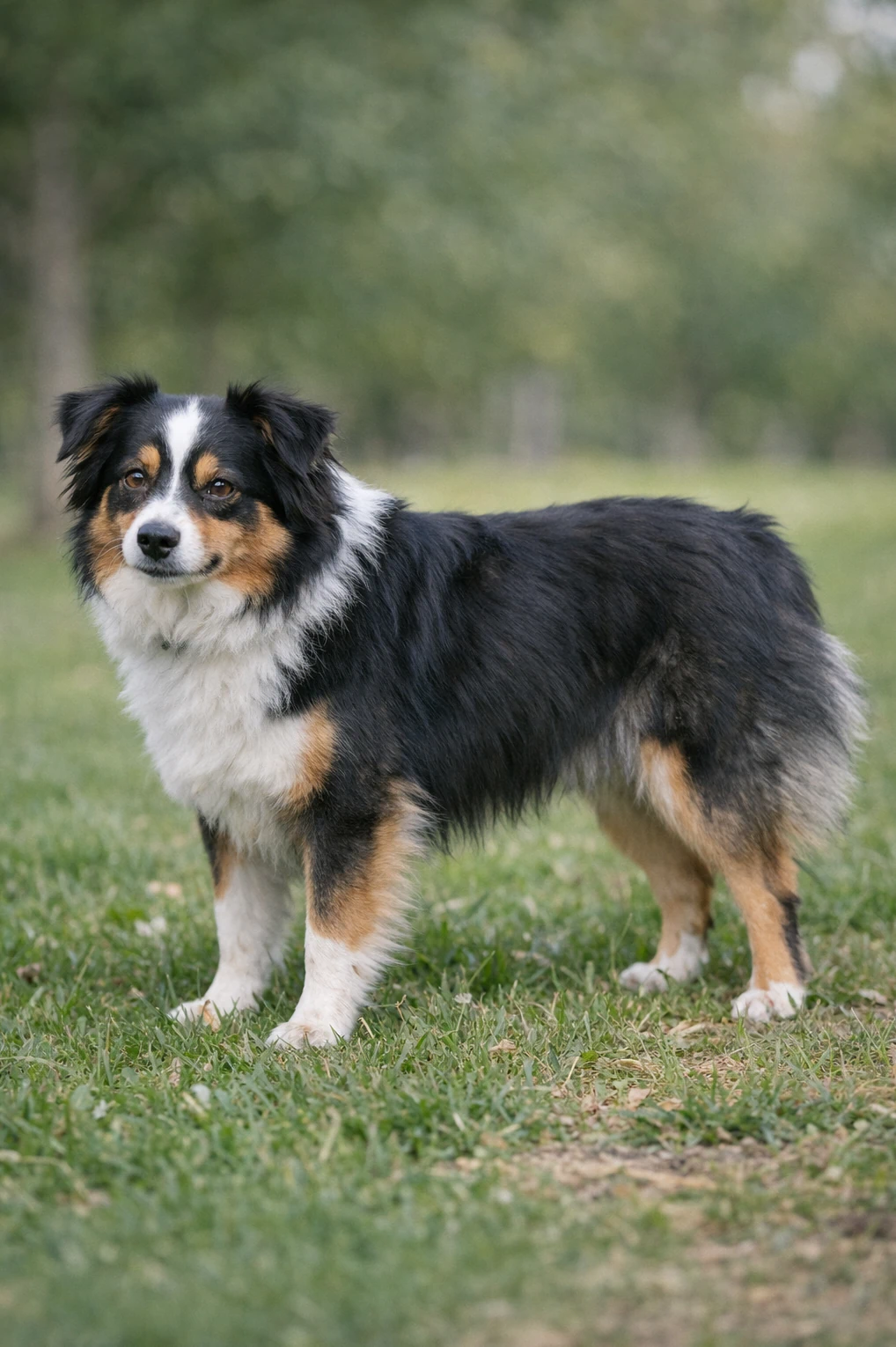
Miniature American Shepherds stand about 14-18 inches tall and weigh 20-40 pounds, are bright, amiable, and fiercely loyal. Nutritional Verdict: provide a quality, protein-rich diet to support energy and a glossy coat.
Understanding the Miniature American Shepherd Metabolism and Energy Needs
As a nimble, small working dog bred to move stock and stay focused for long stretches, this companion needs food that supports quick thinking and sustained activity. Their temperament is alert, friendly, and deeply bonded to their people, so mental stamina is as important as physical endurance.
Reliable animal protein fuels lean muscle and brisk recovery after play or training, making it the foundation of daily calories. Moderate healthy fats provide steady energy for long outings and support cognitive health, while a modest amount of starch and fiber keeps blood sugar steady and digestion regular. Add omega-3 fatty acids for joint comfort and a glossy coat, and glucosamine or chondroitin if there is high activity or aging joints.
Portioning should match daily workload, with slightly higher protein and fat for very active days and a touch more fiber for less active periods, keeping this busy, social dog at peak health and happiness.
Managing Miniature American Shepherd Genetic Health Risks Through Nutrition
Obesity
Helpful nutrients
Parasite Infections
Helpful nutrients
Nutritional Imbalances from Home-Prepared Diets and Life-Stage Needs
Helpful nutrients
Miniature American Shepherd Feeding & Calorie Calculator
Estimated Daily Calories
Tip: Start with this amount and adjust after 2–3 weeks based on your dog's body condition and weight trend.
This estimate provides a starting point for feeding. Individual calorie needs may vary depending on metabolism, body condition, and health status. Always monitor your dog's weight and consult your veterinarian when adjusting diet.
Foods and Ingredients to Avoid for Miniature American Shepherd Dogs
Miniature American Shepherds can be prone to carrying extra weight, so high-fat foods and greasy table scraps are best avoided.
Too much fat can lead to rapid weight gain and increases the risk of pancreatitis, which is painful and can be serious for a dog this size.
Choose lean protein sources and measured, healthy treats to keep calories in check, and talk with your vet about portion sizes and safe occasional indulgences.
Xylitol is extremely toxic to dogs and even a small amount can cause severe hypoglycemia, seizures, or liver damage in a 20 to 40 pound dog.
Products like some peanut butters, gum, candies, and sugar-free baked goods often contain xylitol, so labels should be checked carefully before offering anything to your pet.
If you suspect ingestion, contact your veterinarian or an emergency clinic immediately. Keep sweeteners stored out of reach to prevent accidental exposure.
Chocolate and caffeine contain stimulants that can upset the heart and nervous system, and even small amounts can be dangerous for smaller dogs.
Grapes and raisins can cause sudden kidney failure in susceptible dogs, and there is no reliable safe dose, so it is best to avoid them entirely.
Keep these foods out of reach during holidays and parties, and educate family and guests about the risks to prevent accidental poisoning.
Raw bones and undercooked meats carry bacteria like Salmonella and E. coli, which can make your dog sick and pose a risk to people in the household.
Small breeds can also be more prone to tooth fractures and choking from hard or splintering bones, so what seems natural can still be risky.
If you are interested in a raw or home-prepared diet, work closely with your veterinarian to ensure it is balanced, safe, and prepared with strict hygiene.
Processed snacks, deli meats, and salty human foods are high in sodium, which can lead to thirst, electrolyte imbalance, and in severe cases, sodium poisoning.
For a relatively compact dog like a Miniature American Shepherd, even small portions of salty food can have a big impact on their system.
Aim for whole, low-sodium options and reserve processed foods as a strict no, keeping plain, fresh water available at all times to support healthy kidneys and blood pressure.
Some grain-free diets that rely heavily on peas, lentils, or other legumes as primary ingredients have been linked to an increased risk of dilated cardiomyopathy in certain dogs, though research is ongoing.
Because Miniature American Shepherds can be prone to weight and health issues, it is wise to be cautious with diets that swap traditional grains for large amounts of legumes without veterinary input.
Discuss diet choices with your vet, and consider foods with named meat proteins and balanced nutrients rather than ones dominated by a single plant ingredient.
How Nutritional Needs Change Throughout the Miniature American Shepherd Life Stages
Dogs need different nutrition at puppyhood, adulthood, and senior years, and Miniature American Shepherds are no exception. Their needs vary with a breed's growth rate, activity level, and common health tendencies, such as the importance of joint health and a healthy weight. Feeding choices should reflect those life stage shifts to support energy, development, and longevity.
| Life Stage | Age Range | Primary Objective | Key Nutrient Focus |
|---|---|---|---|
| Puppy | 0–12 months | controlled skeletal development, immune support, brain development | DHA, balanced calcium/phosphorus, high-quality protein |
| Adult | 1–7 years | lean muscle maintenance and sustained energy | high-quality protein, omega-3 fatty acids, fiber |
| Senior | 7+ years | joint mobility, metabolic health, and cognitive support | glucosamine, chondroitin, antioxidants, lower calories |
Miniature American Shepherd puppies grow at a steady but active pace, reaching adult size earlier than giant breeds but after small toy types. Their skeletons and joints benefit from controlled growth, so diets with balanced calcium and phosphorus are important, along with high quality protein for muscle and DHA for brain and eye development. Adequate calories help energetic pups keep up during training and play.
Feed puppies three to four smaller meals a day to steady blood sugar and support steady growth, then transition to two meals by adulthood. Because the breed is active and generally healthy, watch portion sizes to avoid excess weight which can stress developing joints. Regular vet checkups and following breeder guidance help tailor feeding to your puppy's growth rate and health background.
As adults, Miniature American Shepherds need nutrition that supports steady energy and lean muscle, especially if they participate in agility, herding, or active family life. Aim for a quality protein that supplies essential amino acids, with moderate fat to meet energy needs without excess. Omega 3 and 6 support their medium double coat and skin, while digestible carbohydrates and fiber help steady energy for training sessions.
Feed twice daily to maintain metabolism and prevent begging between meals, and adjust calorie intake based on activity level, since sedentary dogs need fewer calories than working dogs. Keep portion control and regular weight checks to avoid obesity, which can stress joints, and consult your vet for specific macronutrient targets based on your dog's age, activity, and body condition.
As Miniature American Shepherds enter their senior years, metabolism often slows and activity levels decline, which can make weight management more important. Aging joints may stiffen, and digestion can become less efficient, so choose nutrient-dense but controlled-calorie meals, and consider more digestible protein sources to help preserve lean mass.
Support joint health with ingredients such as glucosamine, chondroitin, and omega-3 fatty acids, and include antioxidants like vitamin E and polyphenols to support cellular health. If mobility decreases, reduce calories slightly, increase joint support, and maintain gentle, regular exercise and mental enrichment to preserve muscle and mobility. Work with your veterinarian to fine tune feeding for dental health and any breed-specific concerns.
Kibble vs Fresh vs Raw for Miniature American Shepherd
There is no single perfect diet for every dog, different feeding models suit different lifestyles and needs.
For a Miniature American Shepherd, consider energy level, coat health, and the need for mental stimulation when choosing food.
Pros
- Convenient and easy to portion for busy owners.
- Formulations support joint and coat health for active, double-coated dogs.
- Consistent calories help maintain ideal weight for this energetic breed.
- Some formulas include kibble shapes that encourage chewing and dental health.
Cons
- Can be calorie-dense, risking weight gain without portion control.
- Lower moisture content may promote less drinking in smaller dogs.
- Some formulas contain fillers that may not suit sensitive stomachs.
Pros
- Highly palatable for picky Mini Aussies, encourages good eating habits.
- High moisture supports hydration, useful for dogs that need more water.
- Allows ingredient control to manage allergies and coat-supporting nutrients.
- Gentle on digestion after activity or stress.
Cons
- Requires careful balancing to meet all nutritional needs.
- More time consuming and costly than kibble long term.
- Needs refrigeration and planning for active families.
Pros
- High protein profile suits this intelligent, active breed's energy needs.
- Owners report shinier coats and leaner body condition.
- Minimal processing may preserve some natural nutrients.
Cons
- Demands strict hygiene to prevent bacterial contamination.
- Can pose bone hazards for smaller dogs during chewing.
- Requires veterinary guidance to ensure balanced vitamins and minerals.
- Harder to travel with or feed when away from home.
| Diet Type | Pros for Miniature American Shepherd | Potential Downsides |
|---|---|---|
| High-Quality Kibble |
|
|
| Fresh Cooked Food |
|
|
| Raw Diet (BARF) |
|
|
Our Recommendation
Many Miniature American Shepherds do well on high-quality kibble for balanced nutrition and convenience, especially with portion control and regular exercise.
Fresh cooked food suits picky eaters or dogs with sensitivities, while raw diets can work for experienced owners under veterinary guidance.
See Also
Breeds with similar group, size, and coat characteristics