Best Dog Food for Pumi in 2026Based on Nutritional Science
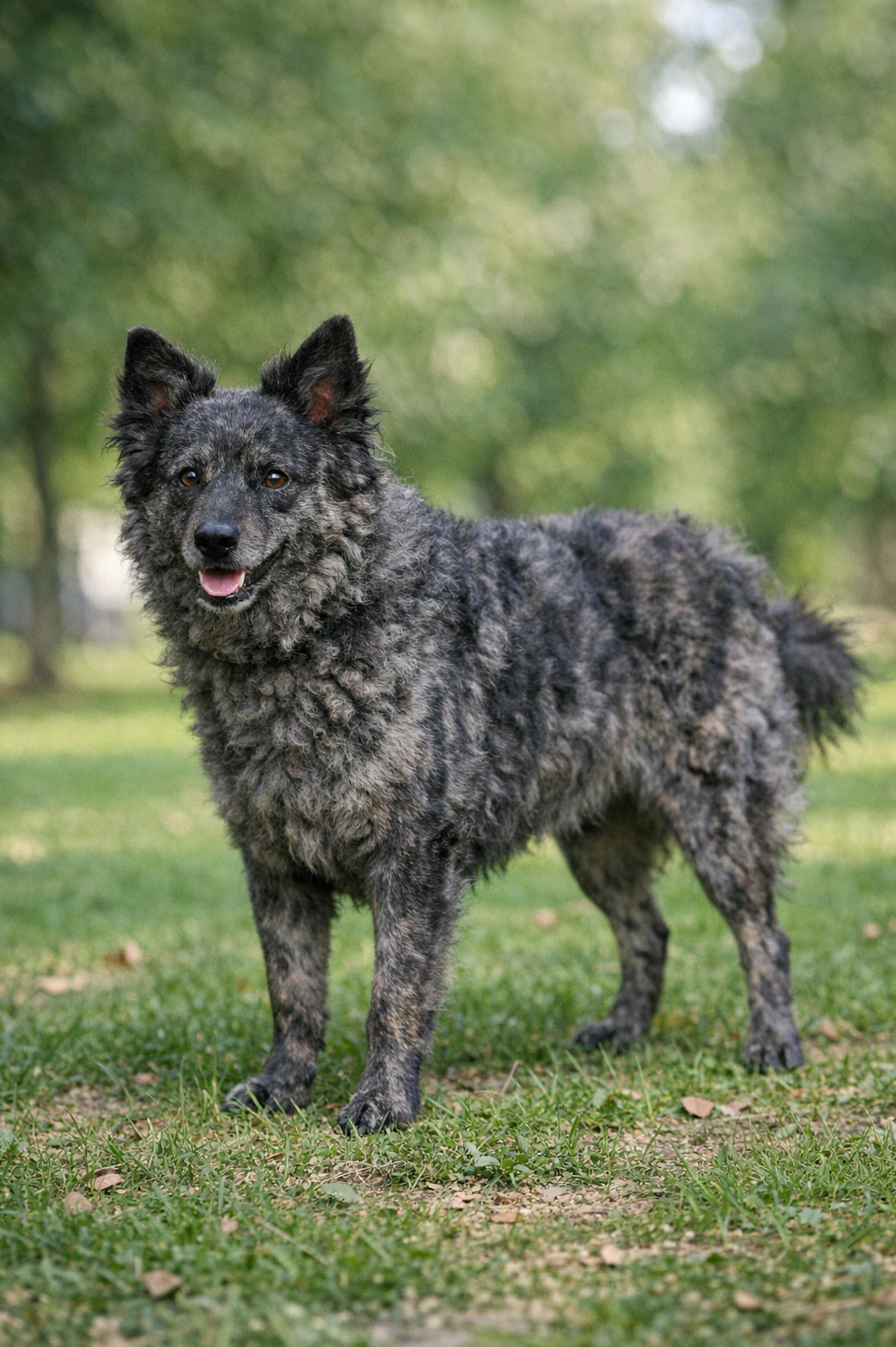
Compact, alert Pumi males stand about 16–18.5 inches and weigh about 27–29 pounds.
Vivacious and keen to herd, they need quality protein and balanced fats. Nutritional verdict: a nutrient-dense diet fuels busy days.

Understanding the Pumi Metabolism and Energy Needs
The Pumi is a compact herding companion bred to move with quickness and snap while managing livestock. Their role demanded keen attention, rapid direction changes, and bursts of effort, so nutrition should fuel both sudden activity and steady endurance.
That calls for meals rich in quality protein to protect lean muscle and speed recovery, combined with moderate to generous fats for lasting energy and cognitive support. Measured complex carbohydrates restore short-term reserves without excess weight, think sweet potato, oats, and greens. Salmon, poultry, and eggs offer sensible protein and fat balance.
Selective additions make sense, like omega-3 oils for joints and coat, glucosamine for nimble joints, and B vitamins to support metabolism and focus. Portion control keeps this spirited worker lean and ready for play.
Managing Pumi Genetic Health Risks Through Nutrition
Hip and Elbow Dysplasia
Helpful nutrients
Patellar Luxation
Helpful nutrients
Degenerative Myelopathy (DM)
Helpful nutrients
Eye Disorders
Helpful nutrients
Obesity / Overweight
Helpful nutrients
Pumi Feeding & Calorie Calculator
Estimated Daily Calories
Tip: Start with this amount and adjust after 2–3 weeks based on your dog's body condition and weight trend.
This estimate provides a starting point for feeding. Individual calorie needs may vary depending on metabolism, body condition, and health status. Always monitor your dog's weight and consult your veterinarian when adjusting diet.
Foods and Ingredients to Avoid for Pumi Dogs
Because Pumis can be prone to gaining weight, and extra pounds add stress to hips and knees, rich, high-fat foods should be limited.
Sudden fatty table scraps or fatty treats can also trigger pancreatitis in sensitive dogs, which is dangerous and painful.
Stick to lean proteins and measured portions designed for a medium-active breed around 27 to 29 pounds, and check with your vet before introducing richer homemade meals.
Pumis are eager learners, so treats are a wonderful training tool, but too many can quickly lead to obesity in a 27 to 29 pound dog.
Keep treats small, count them as part of the daily calorie allowance, and choose low-calorie options when possible to protect joint health and reduce the risk of weight-related conditions like hip and elbow strain.
Use healthy, vet-approved rewards and monitor body condition regularly.
Excess calcium during a Pumi's growth phase can contribute to abnormal bone development and may worsen genetic predispositions such as hip or elbow dysplasia and patellar luxation.
Avoid unbalanced, high-calcium home-prepared diets for puppies unless formulated under veterinary guidance.
Choose age-appropriate commercial puppy diets or a veterinarian-approved recipe to support steady, healthy growth without overloading minerals that affect developing joints.
Many Pumis show skin and digestive sensitivities, so it is wise to avoid foods with artificial preservatives like BHA, BHT, and ethoxyquin, or bright synthetic colors.
These additives can aggravate itchy skin, upset stomachs, or subtle food intolerances over time.
Opt for diets preserved naturally or checked by your veterinarian, and watch your dog after diet changes to spot any skin or digestion issues early.
Diets heavy in peas, lentils, or other legumes have been linked in some cases to heart rhythm problems in dogs, so it is prudent to avoid foods where these ingredients dominate the first few entries.
For a medium, active Pumi, a balanced protein mix that does not rely excessively on pulses helps reduce any theoretical risk and ensures complete nutrient coverage.
Discuss diet choices with your veterinarian, especially if heart concerns run in your lines.
Certain everyday human foods are unsafe for dogs and can be especially hazardous for smaller breeds like the Pumi.
Avoid grapes and raisins, chocolate, xylitol-sweetened products, onions, garlic, and macadamia nuts, as these can cause kidney failure, low blood sugar, anemia, or neurologic symptoms.
Because a Pumi weighs around 27 to 29 pounds, even small amounts can have a big effect, so keep harmful foods well out of reach and call your vet if ingestion occurs.
How Nutritional Needs Change Throughout the Pumi Life Stages
Pumis have changing nutritional needs as they move from puppyhood to adulthood and into their senior years. Feeding to match each stage helps them build bone and muscle, stay energetic, and age comfortably. Those needs are influenced by a Pumi's growth rate, lively activity level, and breed-specific health tendencies such as joint and eye concerns.
| Life Stage | Age Range | Primary Objective | Key Nutrient Focus |
|---|---|---|---|
| Puppy | 0–12 months | controlled skeletal development, immune support, brain development | DHA, balanced calcium/phosphorus, high-quality protein |
| Adult | 1–7 years | lean muscle maintenance and sustained energy | high-quality protein, omega-3 fatty acids, fiber |
| Senior | 7+ years | joint mobility, metabolic health, and cognitive support | glucosamine, chondroitin, antioxidants, lower calories |
Pumi puppies grow at a moderate pace for a medium breed, building lean muscle and a sturdy frame as they mature. Because Pumis can be active and are screened for joint conditions like hip and elbow dysplasia and patellar luxation, controlled, steady growth is important to protect developing bones and joints.
Feed a high-quality puppy formula formulated for medium breeds with balanced calcium and phosphorus, ample digestible protein, and DHA for brain and eye development. Offer three to four smaller meals daily until about six months, then transition to two meals as growth slows, and avoid overfeeding or excess calories that can stress joints. Regular weight checks and breeder or vet guidance help tailor portions.
Adult Pumis are energetic, agile, and often ready to work, so their adult diet should support lean muscle, sustained energy, and quick recovery between activity bouts. Choose a balanced diet with high-quality animal protein to maintain muscle, moderate healthy fats for energy, and complex carbohydrates or fiber for steady fuel and digestive health.
Working or highly active Pumis may need more calories or slightly higher fat, while couch companion Pumis require fewer calories to avoid weight gain that stresses joints. Feed two measured meals daily, adjust portions based on body condition scoring, and include regular exercise and mental enrichment to keep weight and muscle balanced. Consider periodic joint-support foods and routine vet checks to watch for breed-tendency issues such as degenerative myelopathy and orthopedic changes.
As Pumis enter senior years their metabolism often slows and mobility may decline, so calorie needs can drop even as protein needs stay high to preserve muscle. Digestive efficiency can change, so highly digestible proteins and added fiber for gut health are helpful.
Support joints with omega-3 fatty acids and, when recommended by your vet, glucosamine and chondroitin to help manage stiffness tied to breed orthopedic tendencies. Antioxidants like vitamin E, beta-carotene, and selenium support cellular health, while adjusting calories and portion sizes helps prevent weight gain that stresses hips and knees. Regular monitoring for degenerative myelopathy and eye changes, plus gentle exercise and comfortable bedding, keep seniors comfortable and active.
Kibble vs Fresh vs Raw for Pumi
Different feeding models suit different lifestyles, activity levels, and health needs of your Pumi.
Because Pumis are energetic and medium-sized, their ideal diet balances quality protein, joint support, and proper calories.
Pros
- Convenient and easy to portion for busy owners.
- Formulations often include balanced vitamins and minerals for overall health.
- Many kibbles contain added joint support like glucosamine for active breeds.
- Dry texture can help reduce tartar buildup during chewing.
Cons
- Lower moisture may not suit dogs that prefer wet food.
- Some brands contain fillers or low quality ingredients.
- Active Pumis may need higher protein than some maintenance formulas provide.
- Portion control is vital to avoid weight gain or nutrient imbalance.
Pros
- Highly palatable, great for picky or performance minded Pumis.
- High moisture supports digestion and helps hydration.
- You control ingredient quality and protein sources.
- Easier to add joint, eye, or coat supplements tailored to this breed.
Cons
- Requires careful planning to ensure complete and balanced nutrition.
- More time and cost intensive than kibble for many households.
- Needs refrigeration and meal prep, less convenient for travel.
- Missing supplements can risk joint and neurological health over time.
Pros
- High protein profiles suit energetic Pumis needing muscle support.
- Some owners report shinier coats and improved energy.
- Less processing preserves natural nutrients and raw flavors.
- Can be tailored to avoid allergens and control ingredients.
Cons
- Bacterial contamination risk requires strict hygiene and handling.
- Whole bones can pose choking or dental hazards for smaller dogs.
- Balancing calcium and phosphorus is essential to prevent bone issues.
- Veterinary guidance is needed to avoid nutrient gaps and health risks.
- May be impractical or costly for many families.
| Diet Type | Pros for Pumi | Potential Downsides |
|---|---|---|
| High-Quality Kibble |
|
|
| Fresh Cooked Food |
|
|
| Raw Diet (BARF) |
|
|
Our Recommendation
For many Pumis, a high-quality kibble with higher protein and added joint support is a reliable starting point.
Fresh cooked or properly balanced raw diets can also work well for active Pumis, provided you plan nutrition carefully and consult your veterinarian.
See Also
Breeds with similar group, size, and coat characteristics