Best Dog Food for Puli in 2026Based on Nutritional Science
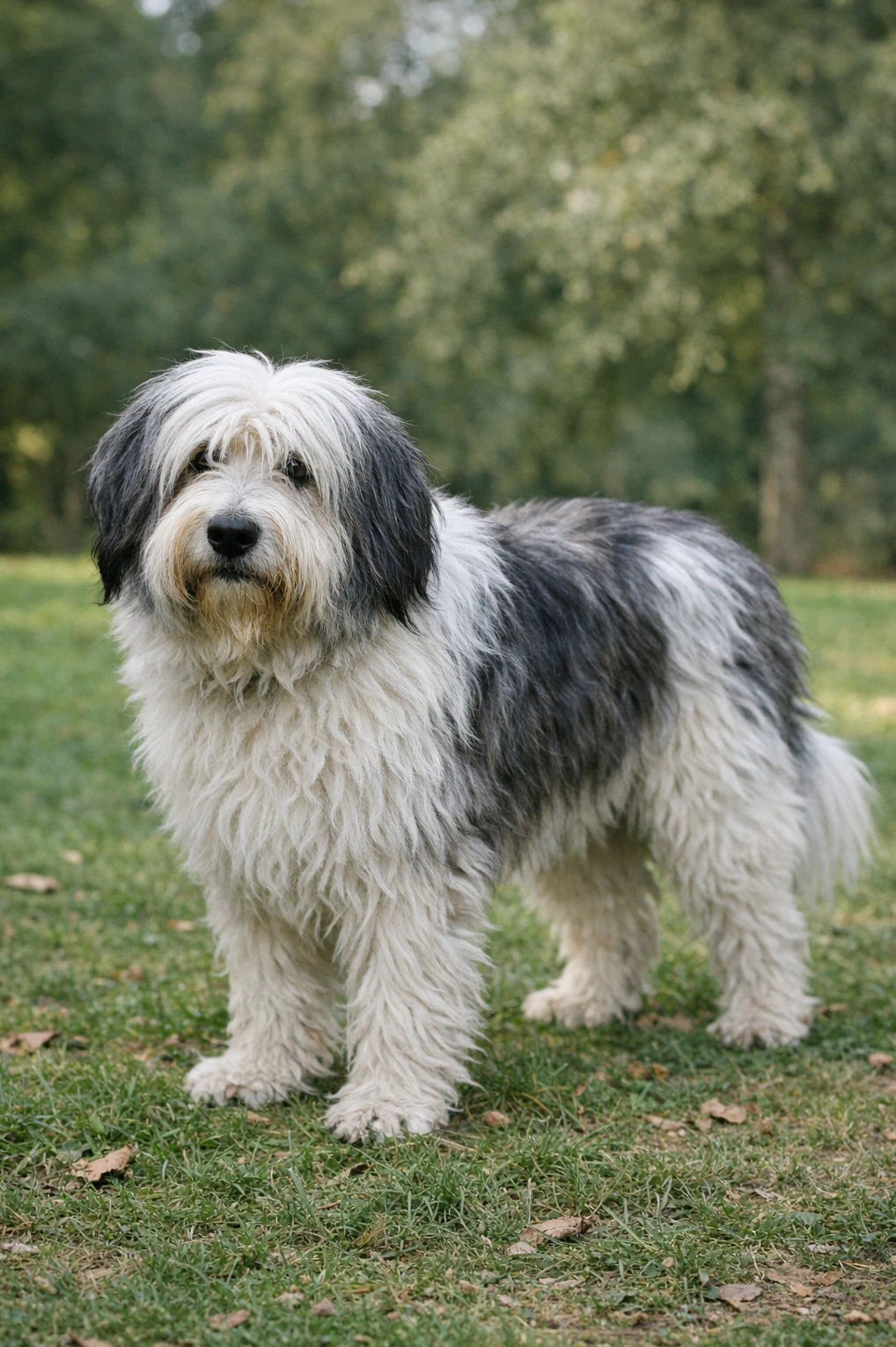
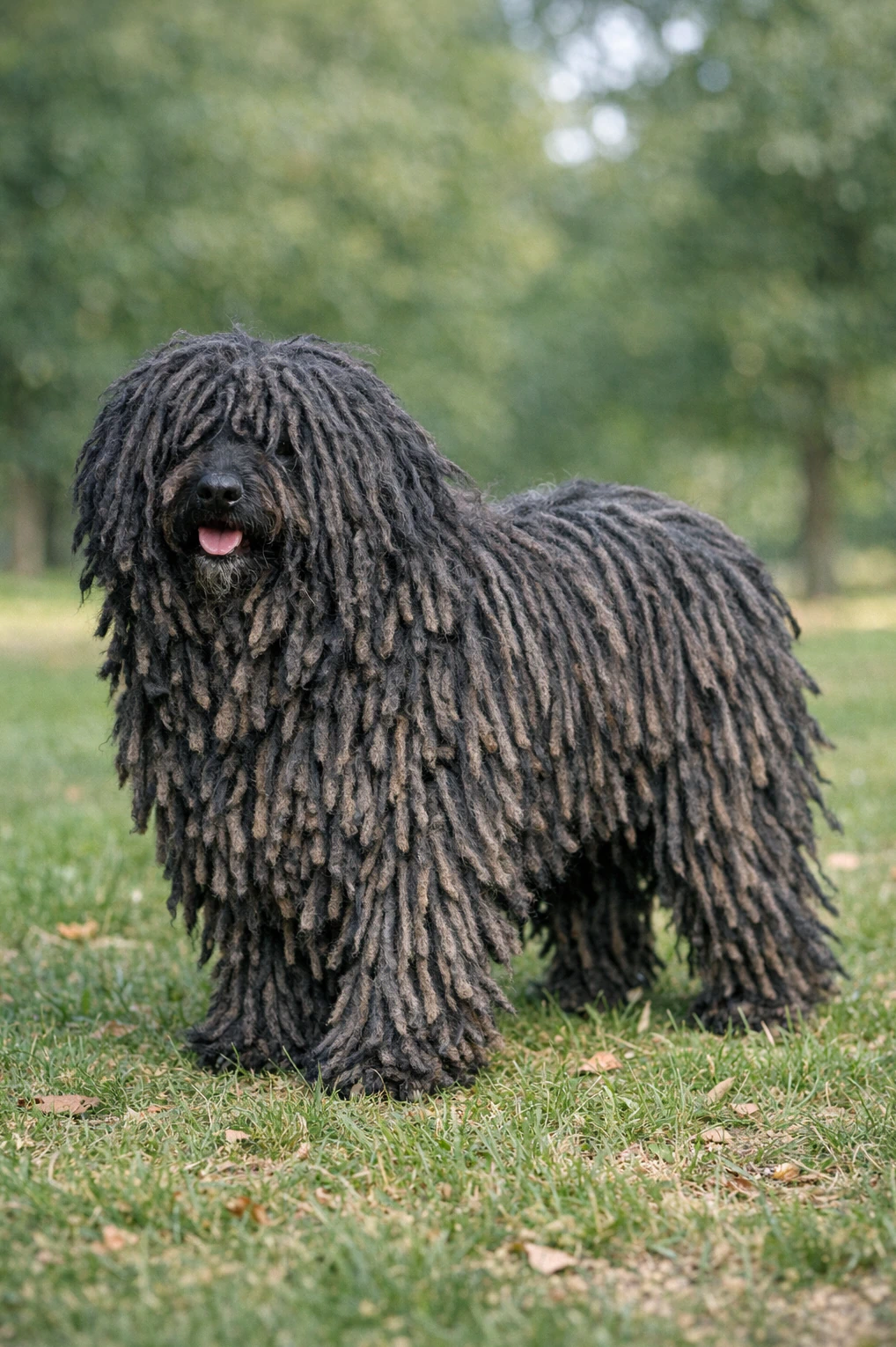
At about 17 inches tall and 25 to 35 pounds, the Puli is devoted, quick-witted, and happiest at home. Nutritional Verdict: A balanced, protein-rich diet supports coat health and steady energy.
Understanding the Puli Metabolism and Energy Needs
These compact, corded-coated companions come from a background of guiding flocks across varied terrain, so their bodies are built for stamina, quick turns, and close teamwork with people. That history means their food should prioritize muscle preservation, steady energy, and skin and coat care to keep that unique coat healthy and comfortable.
High-quality protein is essential to maintain lean muscle used for sudden bursts and sustained activity, so choose sources like poultry, lamb, or fish. Moderate healthy fats provide long-lasting fuel and support skin and coat texture, with omega-3s helping calm inflamed skin beneath dense hair. Complex carbohydrates such as sweet potato offer slow-release energy for long days, while probiotics and antioxidants support digestion and mental sharpness. Joint-support nutrients like glucosamine and B vitamins for cognitive health round out a diet tailored to an active, devoted, clever companion who thrives at home and on the job.
Managing Puli Genetic Health Risks Through Nutrition
Hip Dysplasia
Helpful nutrients
Patellar Luxation
Helpful nutrients
Degenerative Myelopathy
Helpful nutrients
Eye Disorders
Helpful nutrients
Obesity
Helpful nutrients
Thyroid Disorders
Helpful nutrients
Cardiac Conditions
Helpful nutrients
Elbow Dysplasia
Helpful nutrients
Hearing Loss
Helpful nutrients
Puli Feeding & Calorie Calculator
Estimated Daily Calories
Tip: Start with this amount and adjust after 2–3 weeks based on your dog's body condition and weight trend.
This estimate provides a starting point for feeding. Individual calorie needs may vary depending on metabolism, body condition, and health status. Always monitor your dog's weight and consult your veterinarian when adjusting diet.
Foods and Ingredients to Avoid for Puli Dogs
Pulies can be prone to weight gain, and excess dietary fat accelerates unwanted pounds while increasing the risk of pancreatitis.
High-fat table scraps, fatty cuts of meat, and rich treats can place extra stress on joints and the spine, which is important to avoid given the breed's screening focus on hip and patella health.
Choose lean proteins and vet-approved treats, keep an eye on daily calories, and reserve fatty foods only for veterinary guidance after any digestive or metabolic issue has been ruled out.
Xylitol is dangerously toxic to dogs, causing rapid hypoglycemia and potentially acute liver failure even at small doses.
It is found in sugar-free gums, some peanut butters, baked goods, and many 'diet' human items, making it a high-risk ingredient for a midweight dog like a Puli.
Always read labels before giving human food, avoid any product listing xylitol, and keep sugar-free items well out of reach. If ingestion occurs, contact your veterinarian immediately.
Grapes and raisins can cause sudden kidney failure in dogs, and chocolate contains theobromine, which can be toxic at relatively small doses for a 25 to 35 pound dog.
Because Pulies are moderate in size, it does not take much of these foods to cause serious harm.
Avoid offering fruit with seeds and human sweets, secure garbage and baking supplies, and seek veterinary care right away if you suspect your dog ate any of these items.
Onions, garlic, leeks, and chives contain compounds that can damage red blood cells and lead to hemolytic anemia.
Both raw and cooked forms, as well as powdered seasonings, pose a risk, so even small amounts added to table scraps or in mixed foods can be harmful for a Puli.
Check ingredient lists on prepackaged foods and avoid feeding any dishes seasoned with alliums. If you see weakness, pale gums, or rapid breathing after ingestion, contact your vet.
Too much calcium and vitamin D during growth can interfere with normal bone development and contribute to joint problems later in life.
For a medium breed like the Puli, balanced mineral levels during puppyhood help reduce the odds of developmental orthopedic issues affecting hips, elbows, or patellas.
Use a veterinarian-recommended puppy formula and avoid unregulated supplements unless directed by your vet.
If you prepare homemade meals for a growing Puli, work with a veterinary nutritionist to ensure correct calcium and vitamin D ratios.
Some grain-free diets rely heavily on peas, lentils, and other legumes, which have been linked in some cases to heart muscle problems such as dilated cardiomyopathy.
While research is ongoing, it is wise to be cautious with diets that list legumes or pulses as primary ingredients, especially for dogs that may be predisposed to cardiac issues.
Discuss diet choices with your veterinarian, consider diets with a variety of carbohydrate sources, and monitor your Puli's weight and heart health during routine checkups.
Artificial preservatives like BHA, BHT, and ethoxyquin, along with synthetic colors and flavors, can sometimes trigger skin sensitivities or digestive upset.
Pulies benefit from a healthy coat and skin, so minimizing unnecessary additives can help keep their fur vibrant and their tummy comfortable.
Look for foods preserved with natural agents and with clear, simple ingredient lists.
If your dog shows itching, flaky skin, or gastrointestinal changes after switching foods, consult your veterinarian or a veterinary dermatologist.
How Nutritional Needs Change Throughout the Puli Life Stages
Dogs need different nutrition in puppyhood, adulthood, and their senior years, because energy and growth demands change with each stage. Breed factors like a Puli's growth rate, activity level, and health tendencies influence what nutrients and portions are best. Tailoring food across life stages helps support skeletal growth, steady energy, and healthy aging.
| Life Stage | Age Range | Primary Objective | Key Nutrient Focus |
|---|---|---|---|
| Puppy | 0–12 months | controlled skeletal development, immune support, brain development | DHA, balanced calcium/phosphorus, high-quality protein |
| Adult | 1–7 years | lean muscle maintenance and sustained energy | high-quality protein, omega-3 fatty acids, fiber |
| Senior | 7+ years | joint mobility, metabolic health, and cognitive support | glucosamine, chondroitin, antioxidants, lower calories |
Puli puppies grow relatively quickly for a medium breed, filling out their corded coat and developing an athletic frame through their first year. During this time feed for steady, controlled growth rather than rapid gain to protect developing hips and knees, especially given the breed's emphasis on hip and patella screening in responsible lines.
Offer three to four smaller meals daily to keep energy even and reduce joint stress, and choose a high quality puppy formula rich in digestible protein and DHA for brain and vision development. Keep calcium and phosphorus balanced, avoid excess calories from fat, and discuss early joint-support strategies with your vet because of the Puli's predisposition to hip issues and degenerative myelopathy.
Adult Pulis are medium sized and often energetic and alert, so nutrition should support lean muscle and steady energy for daily activity and play. Aim for a diet with high quality protein to maintain muscle, moderate fat for fuel, and controlled calories to avoid excess weight that can strain hips and knees.
Include omega-3 and omega-6 fatty acids to support the distinctive corded coat and skin health, and consider joint-supporting nutrients if your dog is very active or has a family history of hip problems. Monitor body condition and adjust portions based on exercise, mental activity, and whether your Puli spends most time at home or working, and schedule regular vet checks to screen for the breed's common health tendencies.
As Pulis enter their senior years their metabolism often slows and activity levels decline, which means calorie needs may drop even as protein needs stay steady to preserve muscle. Aging can bring stiffer joints and changing digestion, so focus on high quality, easily digested protein, added fiber for gut health, and controlled calories to keep a healthy weight.
Support mobility with joint-friendly nutrients such as glucosamine, chondroitin, and omega-3 fatty acids, and include antioxidants like vitamin E and beta-carotene to help eye and overall cellular health. Because the breed has routine eye and joint screening recommendations, keep up with vet exams and tailor calorie and supplement plans to your Puli's mobility and test results.
Kibble vs Fresh vs Raw for Puli
Different feeding models suit different lifestyles and dog needs, and Pulik have a few special considerations.
Their medium size, moderate activity, and corded coat mean diet choices should support healthy weight, joint health, and coat condition.
Pros
- Convenient and easy to portion for busy owners.
- Consistent nutrition helps maintain healthy weight and energy.
- Many formulas include joint supplements for hip and patella support.
- Crunchy texture can help reduce plaque and support dental health.
Cons
- Some brands contain fillers or artificial additives to watch for.
- Lower moisture content may not suit dogs that need extra hydration.
- Calorie-dense formulas can lead to weight gain without careful portioning.
- May be less appealing to picky Pulik compared to fresh options.
Pros
- Highly palatable, great for picky Pulik.
- High moisture content supports hydration and digestion.
- Full control over ingredients helps manage allergies and intolerances.
- Easy to add joint nutrients and omega oils for coat health.
Cons
- More expensive and time consuming than kibble.
- Requires careful planning to ensure complete, balanced nutrition.
- Needs refrigeration and daily meal prep.
- Improper recipes can lack calcium and other essential nutrients.
Pros
- High protein can suit active, herding Puli well.
- Many owners report improved coat condition and vitality.
- Raw bones may aid dental cleaning when fed safely.
- Minimal processing preserves some natural nutrients.
Cons
- Requires strict hygiene to prevent bacterial contamination.
- Raw bones and large pieces can pose choking risks.
- Balancing nutrients properly needs veterinary or nutritionist guidance.
- Not suitable for households with immunocompromised people.
| Diet Type | Pros for Puli | Potential Downsides |
|---|---|---|
| High-Quality Kibble |
|
|
| Fresh Cooked Food |
|
|
| Raw Diet (BARF) |
|
|
Our Recommendation
For most Pulik, a high-quality kibble with joint-support ingredients or a carefully balanced fresh diet covers everyday needs well.
More active or working Pulik may benefit from higher-protein fresh or safely managed raw diets, only with veterinary guidance.
See Also
Breeds with similar group, size, and coat characteristics