Best Dog Food for Shetland Sheepdog in 2026Based on Nutritional Science
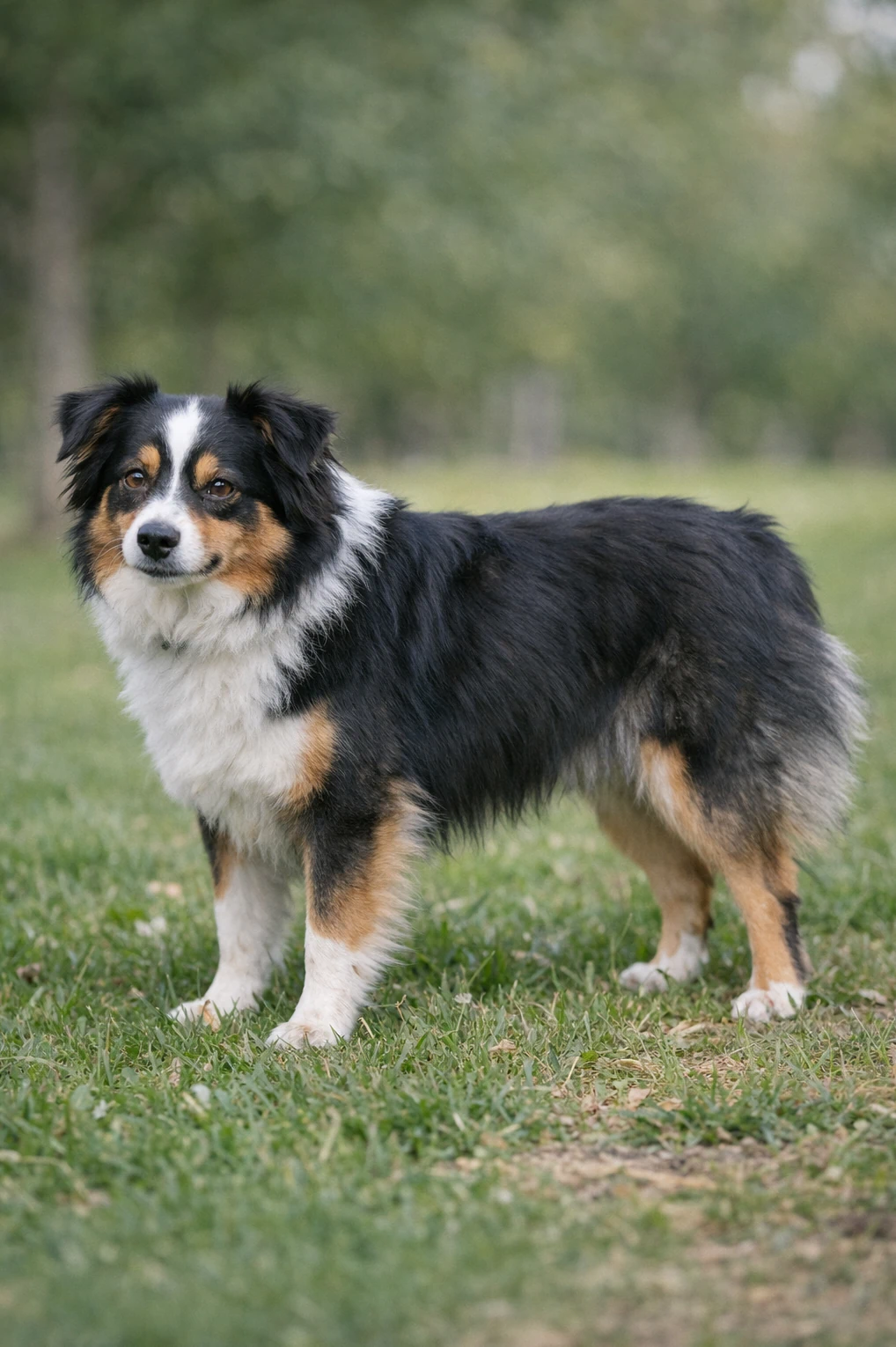
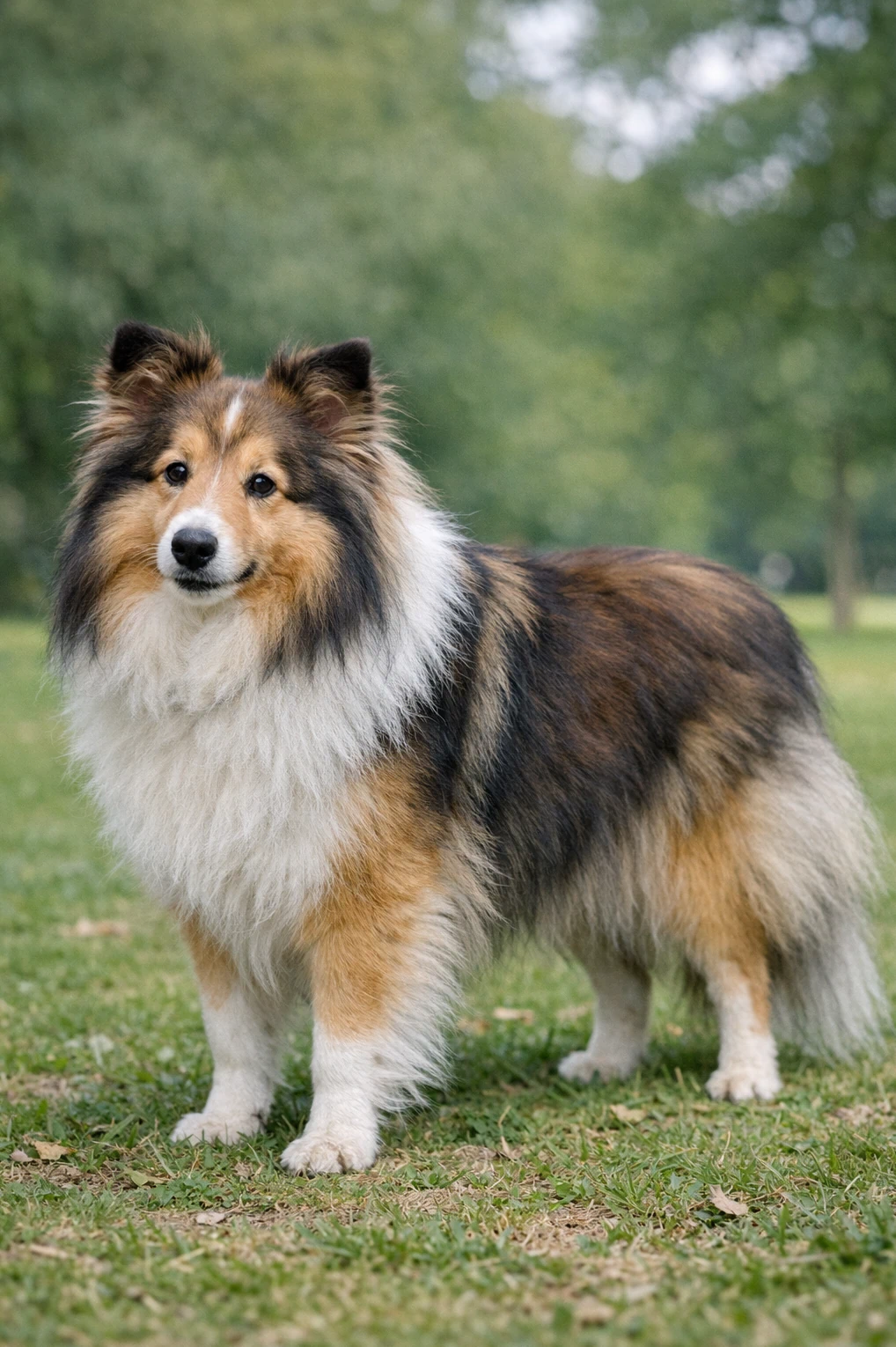
Compact and sturdy at about 13 to 16 inches tall and 15 to 25 pounds, the Sheltie is lively, spirited, and clever. Nutritional Verdict: requires a balanced, nutrient-dense diet to support an active, healthy life.
Understanding the Shetland Sheepdog Metabolism and Energy Needs
As a small working dog bred to move close to livestock and respond quickly, the Shetland Sheepdog combines lively stamina with sharp problem solving. That mix means diets should support steady activity, rapid bursts of movement, and sustained mental alertness.
Lean, digestible animal protein is central, helping preserve muscle and fuel quick reactions. Healthy fats provide concentrated energy for short, vigorous work and support skin and coat, with omega-3s like DHA and EPA helping cognitive function.
Carbohydrates should come from low-glycemic sources such as sweet potato and oats, delivering slow-release fuel for training and play, while soluble fiber helps digestion. Portion control matters, since small dogs need calorie-dense recipes to avoid too much volume.
Consider targeted supplements, for example glucosamine for joint resilience and antioxidant support for brain health as they age. Together these choices match a compact, agile dog that thrives on activity and attention.
Managing Shetland Sheepdog Genetic Health Risks Through Nutrition
Hip Dysplasia
Helpful nutrients
Patellar Luxation
Helpful nutrients
Eye Disorders (CEA, PRA)
Helpful nutrients
Hypothyroidism
Helpful nutrients
Von Willebrand Disease (bleeding tendency)
Helpful nutrients
Epilepsy / Seizure Disorders
Helpful nutrients
Allergies and Skin Sensitivities
Helpful nutrients
Obesity
Helpful nutrients
Shetland Sheepdog Feeding & Calorie Calculator
Estimated Daily Calories
Tip: Start with this amount and adjust after 2–3 weeks based on your dog's body condition and weight trend.
This estimate provides a starting point for feeding. Individual calorie needs may vary depending on metabolism, body condition, and health status. Always monitor your dog's weight and consult your veterinarian when adjusting diet.
Foods and Ingredients to Avoid for Shetland Sheepdog Dogs
Shetland Sheepdogs are a small, active breed with a tendency to gain weight if portion sizes and treats are not carefully managed.
High-fat human foods, greasy table scraps, and fatty cuts of meat can quickly push a Sheltie into excess weight, increasing strain on their knees and spine and raising the risk of pancreatitis.
Choose lean proteins and measured portions instead, and limit rich treats to avoid unwanted pounds and the joint and metabolic problems that can follow.
Xylitol is extremely dangerous for dogs, and small breeds like Shelties are especially vulnerable because even tiny amounts can cause severe reactions.
Ingestion can trigger a rapid drop in blood sugar, seizures, and liver damage, so avoid sugar-free gums, baked goods, and some peanut butters that list xylitol on the label.
Always read ingredient lists and keep sweetener-containing products well out of reach, since a small dog can be affected by what seems like a tiny taste.
Onions, garlic, chives, and leeks contain compounds that can damage a dog’s red blood cells, potentially causing anemia.
Because Shelties are on the smaller side, it takes less of these foods to create a harmful dose compared with larger breeds.
Cooked or raw forms pose a risk, and onion powder in processed foods is a common hidden source.
Avoid feeding any allium family ingredients and be cautious with table scraps and prepared foods that may include them.
Grapes and raisins have been linked to acute kidney injury in dogs, and there is no reliable safe dose established.
Small dogs like Shelties can be affected by very small amounts, so it is best to keep grapes, raisins, and any foods containing them completely off the menu.
If accidental ingestion occurs, contact your veterinarian or emergency clinic promptly, as early treatment improves the chance of a good outcome.
Cooked bones are brittle and can splinter, creating sharp fragments that can cut the mouth, lodge in the throat, or perforate the digestive tract.
For a small-boned breed like a Sheltie, even seemingly sturdy bones can lead to choking, dental fractures, or intestinal blockage, which often require emergency care.
If you want to offer a chew, choose vet-recommended, size-appropriate options designed to reduce splintering and supervise chewing sessions closely.
Many Shelties show skin sensitivities or digestive upset, so foods with artificial preservatives, colors, and strong flavorings can worsen itchiness, ear problems, or tummy troubles.
Ingredients such as BHA, BHT, and some artificial colors have been linked to sensitivities in susceptible dogs and may make allergy management more difficult.
Opting for simpler, naturally preserved diets with recognizable ingredients can help keep your Sheltie’s coat healthy and reduce the chance of flare ups.
How Nutritional Needs Change Throughout the Shetland Sheepdog Life Stages
Dogs need different nutrition as they move from puppyhood to adulthood and into their senior years. A Shetland Sheepdog's needs change with its rapid but moderate growth, lively activity level, and any breed tendencies toward joint or thyroid issues. Tailoring feeding and nutrients to life stage supports healthy growth, sustained energy, and graceful aging.
| Life Stage | Age Range | Primary Objective | Key Nutrient Focus |
|---|---|---|---|
| Puppy | 0–12 months | controlled skeletal development, immune support, brain development | DHA, balanced calcium/phosphorus, high-quality protein |
| Adult | 1–7 years | lean muscle maintenance and sustained energy | high-quality protein, omega-3 fatty acids, fiber |
| Senior | 7+ years | joint mobility, metabolic health, and cognitive support | glucosamine, chondroitin, antioxidants, lower calories |
As puppies, Shetland Sheepdogs grow quickly but not as fast as giant breeds, so controlled, steady growth is ideal. Their bright, energetic nature means they burn lots of calories during play, but their smaller bone structure benefits from careful portioning to avoid excess weight that stresses joints.
Focus on high quality protein for muscle building, balanced calcium and phosphorus for skeletal development, and omega 3s like DHA to support brain and vision. A healthy amount of fat gives energy, while antioxidants support the developing immune system.
Feed puppy-formula food formulated for medium breeds, offering three to four small meals a day when young, then gradually reducing frequency as they mature. Monitor weight and body condition, and adjust portions to support steady growth and reduce risks like patellar luxation or thyroid concerns.
As adults, Shetland Sheepdogs are active and intelligent, so their diet should sustain steady energy and lean muscle mass without excess calories. Quality animal proteins help maintain muscle, while moderate fats provide fuel for play and training, and essential fatty acids support the long double coat and skin health.
Choose a balanced formula for medium, active breeds, with moderate protein and controlled calories to prevent weight gain. Split daily intake into two meals to help steady energy and aid digestion, and adjust portions based on activity level, seasonal work, or recovery from injury.
Regular weight checks and body condition scoring help fine tune portions, and talk with your veterinarian about any breed-specific concerns like thyroid function.
As Shetland Sheepdogs enter their senior years, metabolism often slows and activity usually decreases, which means calorie needs may drop. Aging can bring stiffer joints and tougher digestion, so nutrient-dense but lower calorie meals help maintain weight and muscle.
Prioritize highly digestible proteins to preserve lean mass, and include joint-supporting nutrients like omega 3s, glucosamine, and chondroitin to ease mobility. Antioxidants such as vitamin E and selenium support cellular health and a resilient immune system.
Increase dietary fiber gradually if digestion slows, and consider smaller, more frequent meals if dental issues appear. Keep a close eye on weight, mobility, and thyroid health, and adjust the plan with your veterinarian to match your Sheltie's changing needs.
Kibble vs Fresh vs Raw for Shetland Sheepdog
Different feeding models suit different lifestyles and household routines, and each has trade offs to consider.
For a Shetland Sheepdog, activity level, small size, and long double coat help shape which diet fits best.
Pros
- Convenient and easy to portion for busy owners.
- Crunch helps reduce tartar, supporting dental health in small mouths.
- Available in small kibble sizes suited to Sheltie jaws.
- Formulas for active dogs provide concentrated energy for play and agility.
Cons
- Can be calorie dense, risking weight gain without careful portion control.
- Lower moisture content may not support hydration after exercise.
- Some formulas contain fillers that can upset sensitive stomachs.
- Quality varies widely, so ingredient labels need close reading.
Pros
- Highly palatable, great for picky Shelties with refined taste.
- High moisture supports hydration and healthy digestion.
- You control protein and fats to support coat and energy.
- Easier to avoid common allergens or additives.
Cons
- More time consuming to prepare and plan balanced meals.
- Costs add up faster than kibble for active dogs.
- Requires careful supplementation to ensure complete nutrition.
- Needs refrigeration and dedicated meal prep space.
Pros
- High quality proteins mimic an ancestral diet and can boost energy.
- Some owners see improved coat sheen and muscle tone.
- Minimal processing preserves natural nutrients for growth and activity.
- Feeding raw can offer variety for an intelligent, food curious breed.
Cons
- Higher bacterial risk requires strict hygiene during handling.
- Small bones can pose choking or dental hazards for Shelties.
- Balancing calcium and nutrients is tricky without expert guidance.
- Often more expensive and needs freezer space for storage.
| Diet Type | Pros for Shetland Sheepdog | Potential Downsides |
|---|---|---|
| High-Quality Kibble |
|
|
| Fresh Cooked Food |
|
|
| Raw Diet (BARF) |
|
|
Our Recommendation
For many Shetland Sheepdogs, high quality kibble provides convenient, balanced nutrition that fits active routines.
Fresh cooked food is a great option for those who want control over ingredients, while raw diets can work with veterinary guidance and strict hygiene.
See Also
Breeds with similar group, size, and coat characteristics