Best Dog Food for Polish Lowland Sheepdog in 2026Based on Nutritional Science
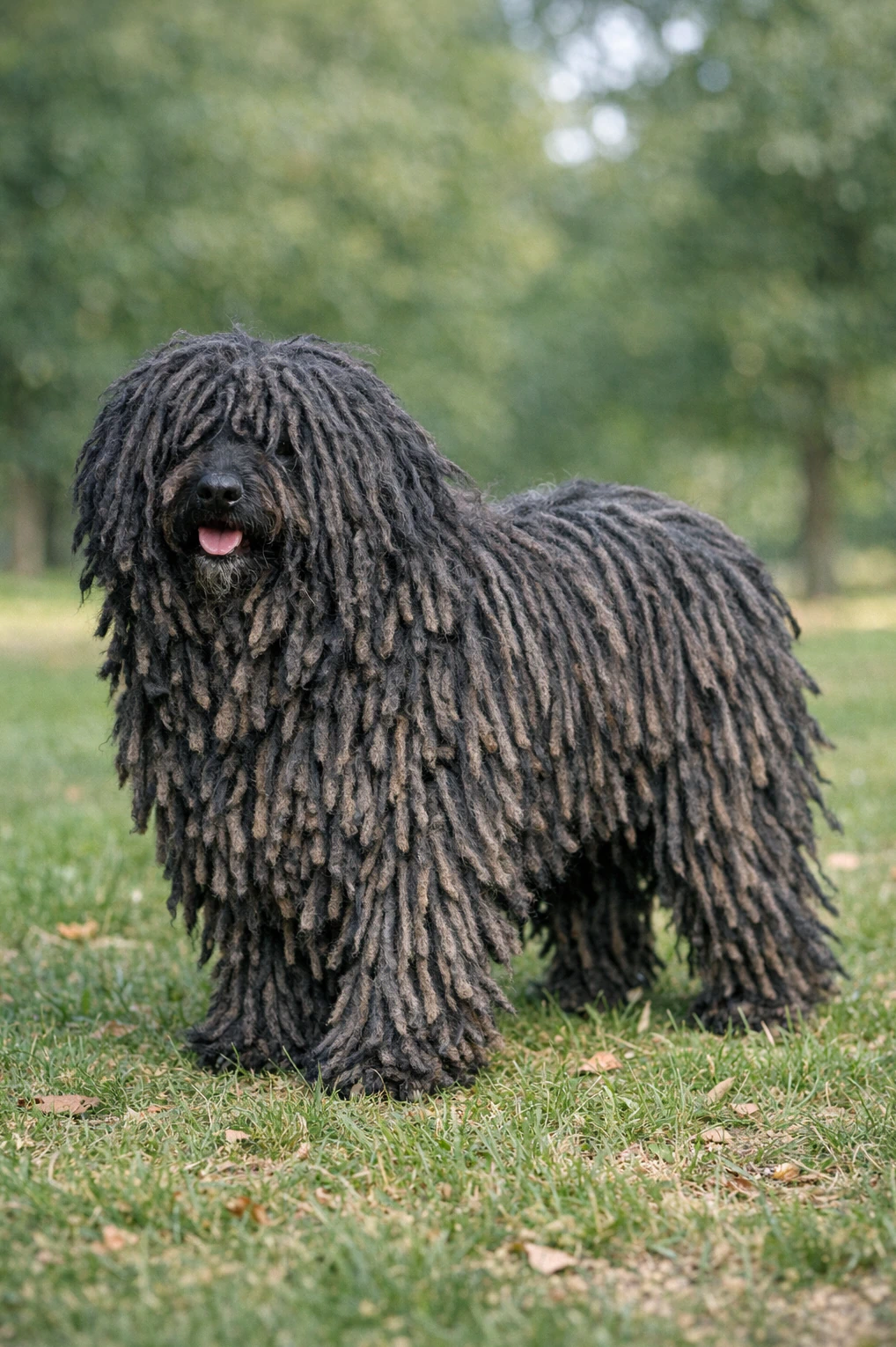
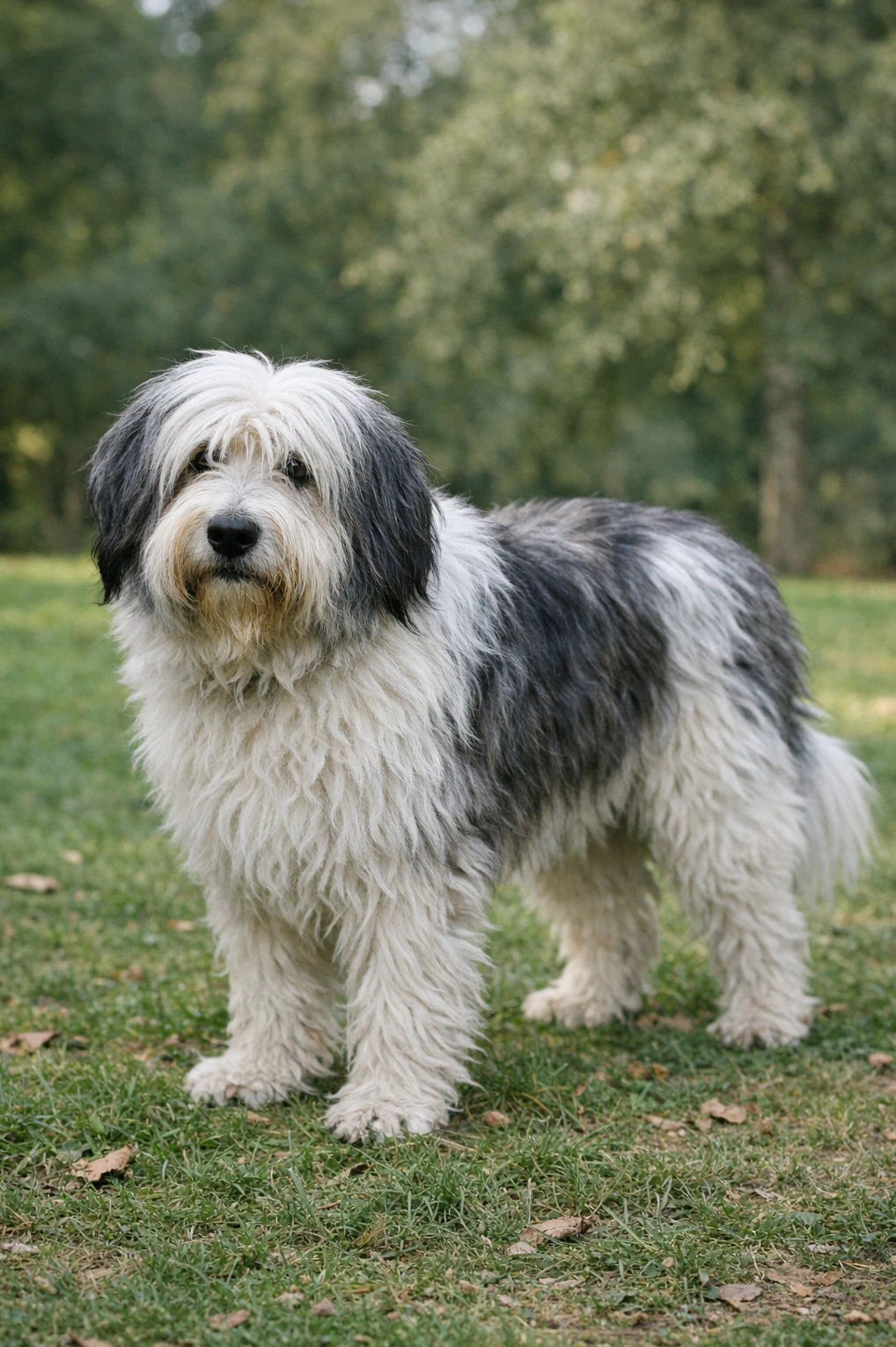
Polish Lowland Sheepdog males stand about 18 to 20 inches and weigh 30 to 50 pounds, sporting a self-assured, spirited, and bright temperament. Nutritional Verdict: needs a balanced, active dog diet for steady energy.
Understanding the Polish Lowland Sheepdog Metabolism and Energy Needs
Raised to work with flocks on Polish farms, this sturdy herding companion is bold, energetic, and quick-witted. Those instincts mean it thrives on steady mental and physical fuel rather than short bursts of sugary snacks.
A diet centered on high-quality animal protein supports lean muscle, endurance, and recovery after play or work, so ingredients like chicken, beef, or eggs are valuable. Moderate amounts of healthy fats provide sustained calories and support a dense, weather-resistant coat, while omega-3s aid skin and brain health. Slow-digesting carbohydrates such as sweet potato and brown rice offer reliable energy and digestive fiber. Joint-support nutrients like glucosamine can help the hips and stifles of an active dog stay comfortable.
Translate this into meals that prioritize real protein, moderate healthy fats, and whole-food carbs, with portioning aligned to activity level. Adjust with age, and check with your veterinarian for precise targets.
Managing Polish Lowland Sheepdog Genetic Health Risks Through Nutrition
Hip Dysplasia
Helpful nutrients
Eye Conditions (PRA, Cataracts)
Helpful nutrients
Hypothyroidism
Helpful nutrients
Skin Allergies & Itchy Skin
Helpful nutrients
Obesity & Weight Management
Helpful nutrients
Ear Infections (due to dense coat/inner ear issues)
Helpful nutrients
Polish Lowland Sheepdog Feeding & Calorie Calculator
Estimated Daily Calories
Tip: Start with this amount and adjust after 2–3 weeks based on your dog's body condition and weight trend.
This estimate provides a starting point for feeding. Individual calorie needs may vary depending on metabolism, body condition, and health status. Always monitor your dog's weight and consult your veterinarian when adjusting diet.
Foods and Ingredients to Avoid for Polish Lowland Sheepdog Dogs
Polish Lowland Sheepdogs are a medium, active breed but their 30 to 50 pound frame can still gain weight quickly if fed rich table scraps or fatty cuts of meat.
Excess dietary fat increases the risk of obesity, which strains hips and joints and can reduce stamina during walks and play.
Very high fat meals can also trigger pancreatitis, a painful and dangerous condition, so stick to lean protein sources and controlled portions to keep your dog fit and comfortable.
Xylitol, often found in sugar-free gum, candies, some peanut butters and baked goods, is highly toxic to dogs and can cause a rapid drop in blood sugar and liver failure.
Even small amounts that might seem harmless for a 30 to 50 pound Polish Lowland Sheepdog can lead to serious illness.
Always read labels, avoid human treats with artificial sweeteners, and keep household items out of reach to prevent accidental ingestion and a trip to the emergency vet.
Onions, garlic and chives contain compounds that can damage a dog’s red blood cells and lead to hemolytic anemia, even in cooked or powdered form.
Repeated or moderate exposures in a medium-sized dog like a Polish Lowland Sheepdog can cause weakness, pale gums and difficulty breathing.
Avoid feeding any savory dishes that include these ingredients and be cautious with leftovers, spice mixes and certain commercial treats that may list them on the label.
Grapes and raisins are unpredictable and can cause kidney failure in dogs, with no reliable safe dose across individual animals.
A single raisin hidden in a treat or trail mix can be dangerous for a Polish Lowland Sheepdog weighing 30 to 50 pounds, so it is best to remove all grapes and raisin-containing foods from reach.
Keep fruit bowls, baking ingredients and snack mixes secure to avoid accidental poisoning, and seek immediate veterinary care if ingestion is suspected.
Some grain-free formulas that rely heavily on peas, lentils or chickpeas to replace grains have been associated in studies with heart concerns in certain dogs, so caution is warranted when choosing these diets.
For a medium-breed, active dog like a Polish Lowland Sheepdog, a balanced diet with a variety of quality protein and carbohydrate sources is a safer choice.
Before switching to or relying on a legume-dense commercial diet long term, consult your veterinarian and consider diets with established nutritional profiles and monitoring.
Artificial preservatives such as BHA and BHT and bright food dyes can trigger skin sensitivities, digestive upset and low-level inflammation in some dogs, which may affect coat quality in a breed known for its thick, weather-resistant fur.
Choosing foods and treats with natural preservation methods and fewer artificial colors helps reduce the chance of flare-ups and keeps your Polish Lowland Sheepdog’s coat and skin healthier.
Read ingredient lists and opt for simpler, whole-food based options when possible.
How Nutritional Needs Change Throughout the Polish Lowland Sheepdog Life Stages
Polish Lowland Sheepdogs have different nutritional needs at puppyhood, adulthood, and senior years. Their medium size, lively herding background, and clever temperament influence how fast they grow, how much energy they use, and which health tendencies to watch for. Breed growth rate, activity level, and common tendencies guide adjustments in calories, protein, and supplements as they move through life stages.
| Life Stage | Age Range | Primary Objective | Key Nutrient Focus |
|---|---|---|---|
| Puppy | 0–12 months | controlled skeletal development, immune support, brain development | DHA, balanced calcium/phosphorus, high-quality protein |
| Adult | 1–7 years | lean muscle maintenance and sustained energy | high-quality protein, omega-3 fatty acids, fiber |
| Senior | 7+ years | joint mobility, metabolic health, and cognitive support | glucosamine, chondroitin, antioxidants, lower calories |
Polish Lowland Sheepdog puppies grow at a moderate pace compared with giant breeds, but their herding heritage and lively nature mean they need steady, nutrient-rich support for muscles and brain development. Focus on skeletal health by feeding controlled calories and a balanced calcium to phosphorus ratio to avoid overly rapid bone growth. Provide high-quality animal protein and essential fatty acids like DHA to support cognition and a healthy coat.
Feed smaller, frequent meals, usually three to four times a day when very young, then slowly reduce frequency as they approach adulthood. Include adequate vitamins and minerals for immunity and monitor body condition closely. Discuss any lines with joint sensitivity with your veterinarian so intake and supplements can be tailored appropriately.
As adults, Polish Lowland Sheepdogs benefit from diets that support steady energy and lean muscle, matching their confident and lively temperament. Choose a balanced food with moderate to high quality protein to preserve muscle mass, and moderate fat to fuel regular activity without excess calories. Complex carbohydrates and fiber help steady energy between exercise sessions.
Omega fatty acids support the double coat and skin health while keeping inflammation in check. Adjust portion sizes and meal frequency based on activity, for example less on calm days and more during heavy herding, agility, or play schedules. Regular weight checks and muscle condition scoring help you fine tune intake to prevent unwanted weight gain, which can stress joints and reduce stamina.
As Polish Lowland Sheepdogs enter their senior years they often need fewer calories but more focus on nutrient density and joint support to stay comfortable and active. Metabolism typically slows and digestion can become less efficient, so choose easily digestible proteins, higher fiber for gut health, and controlled fat to maintain body condition without weight gain.
Include joint-support ingredients such as glucosamine, chondroitin, and omega-3 fatty acids, plus antioxidants like vitamin E and selenium to support cellular health and immune function. Monitor mobility and adjust calories and exercise to match reduced activity, and work with your veterinarian to tailor supplements or senior formulas if any health concerns arise.
Kibble vs Fresh vs Raw for Polish Lowland Sheepdog
Polish Lowland Sheepdogs thrive with food that matches their lively, clever nature and long double coat. Different feeding models suit different routines, grooming needs, and activity levels.
Pros
- Convenient and easy to portion for busy owners.
- Balanced formulas support their lively herding energy.
- Crunchy kibbles help reduce tartar during chewing.
- Many formulas aid weight control and coat health for long double coats.
Cons
- Lower moisture may not suit active dogs needing extra hydration.
- Some brands contain fillers that add unnecessary calories.
- Less appealing to picky, clever eaters without variety.
- Overfeeding kibble risks excess weight in less-exercised dogs.
Pros
- Highly palatable, excellent for picky or food-driven herding dogs.
- High moisture helps hydration after active play or work.
- Control over ingredients lets you focus on coat support nutrients.
- Easier to adjust calories for growth, activity, or weight management.
Cons
- Needs careful recipe planning to ensure full nutrient balance.
- More time consuming for busy households with an active dog.
- Costs add up faster than kibble for regular feeding.
- Short shelf life requires strict refrigeration and safe storage.
Pros
- High-quality proteins may support muscle tone for an active herding breed.
- Many owners notice improved coat condition on raw diets.
- Natural textures can satisfy clever dogs that enjoy variety.
Cons
- Strict hygiene is essential to avoid bacterial contamination risks.
- Raw bones can be hazardous for dental or choking issues.
- Requires veterinary guidance to properly balance nutrients long term.
- Handling and storage demands are greater than other diets.
| Diet Type | Pros for Polish Lowland Sheepdog | Potential Downsides |
|---|---|---|
| High-Quality Kibble |
|
|
| Fresh Cooked Food |
|
|
| Raw Diet (BARF) |
|
|
Our Recommendation
Many owners find high-quality kibble meets this breed's needs when paired with regular exercise and mental stimulation.
If you want more control over ingredients, fresh cooked food or a carefully planned raw diet can support coat and energy, with veterinary guidance.
See Also
Breeds with similar group, size, and coat characteristics