Best Dog Food for German Shepherd Dog in 2026Based on Nutritional Science
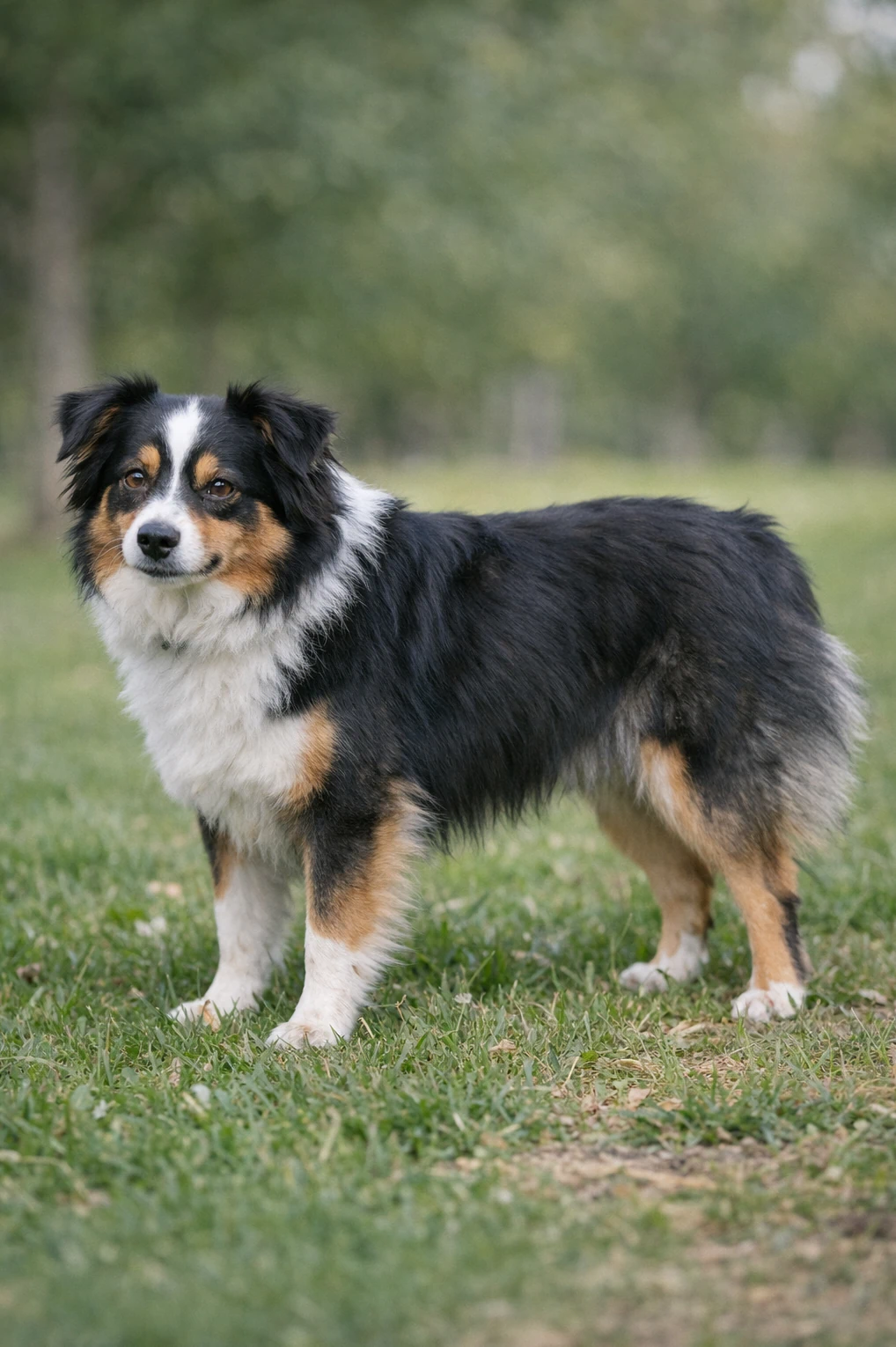
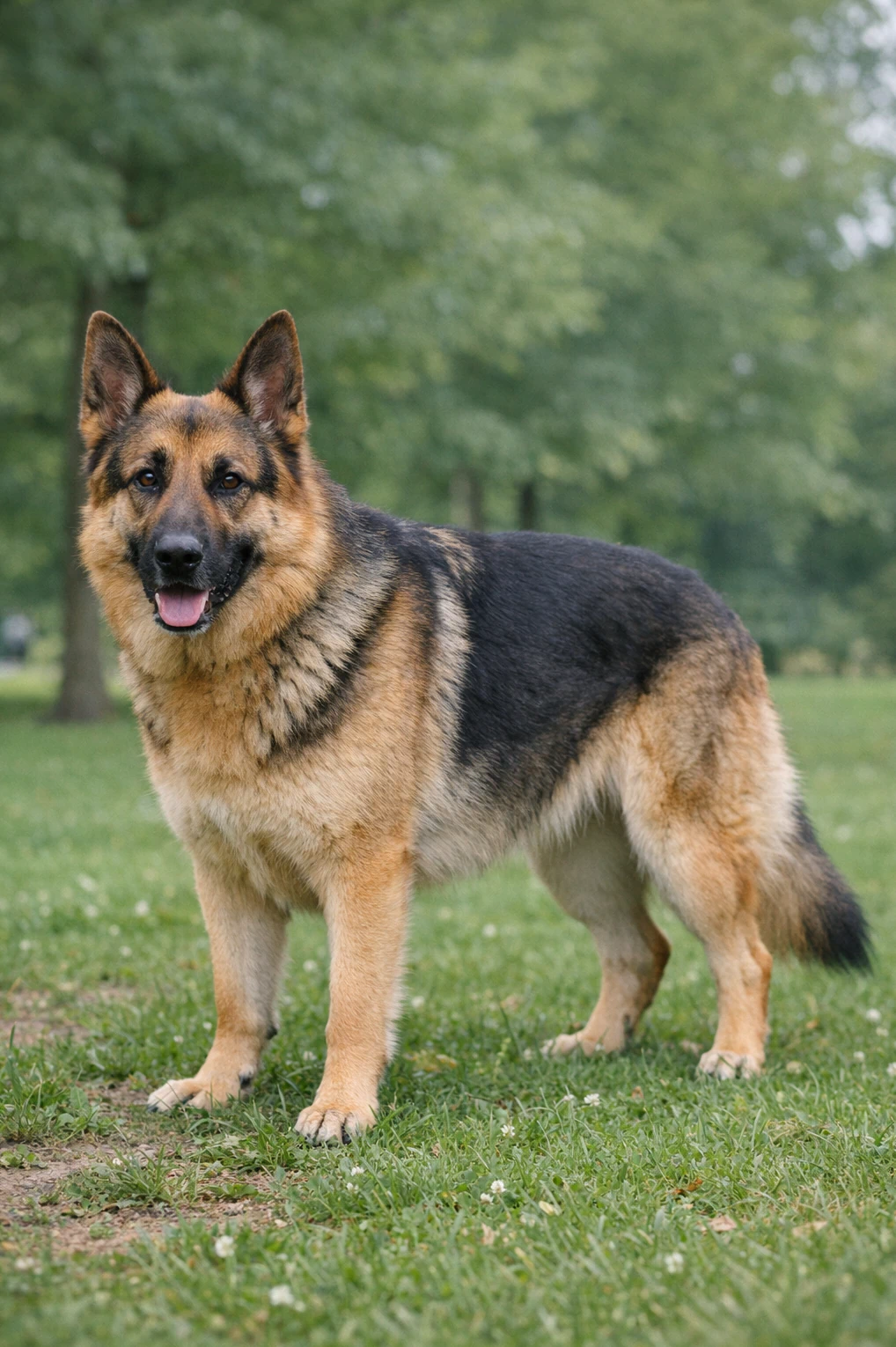
Large, sturdy male German Shepherds stand about 24 to 26 inches and weigh 65 to 90 pounds, showing bold, self-assured, and clever temperaments. Nutritional Verdict: High quality protein and joint support are essential for activity.
Understanding the German Shepherd Dog Metabolism and Energy Needs
As a shepherd bred to manage livestock and protect flocks, this dog is brave, self-assured, and quick-thinking. Those traits call for diets rich in highly digestible protein to preserve lean muscle, fuel short bursts, and aid recovery after activity. Animal proteins such as chicken, beef, or fish supply complete amino acids for strong muscles and a resilient immune system.
Moderate, quality fats provide steady energy and support skin and brain health, while omega-3s help joint comfort and cognitive sharpness. Joint-support supplements like glucosamine and chondroitin can protect hip and joint function over time. Finally, complex carbohydrates and fiber deliver slow-release energy and promote gut balance, keeping an active, alert dog focused without blood sugar spikes.
Managing German Shepherd Dog Genetic Health Risks Through Nutrition
Degenerative Myelopathy
Helpful nutrients
Hip Dysplasia
Helpful nutrients
Elbow Dysplasia
Helpful nutrients
Bloat (Gastric Dilatation-Volvulus)
Helpful nutrients
Digestive Upset from Table Scraps
Helpful nutrients
Obesity / Weight Management
Helpful nutrients
German Shepherd Dog Feeding & Calorie Calculator
Estimated Daily Calories
Tip: Start with this amount and adjust after 2–3 weeks based on your dog's body condition and weight trend.
This estimate provides a starting point for feeding. Individual calorie needs may vary depending on metabolism, body condition, and health status. Always monitor your dog's weight and consult your veterinarian when adjusting diet.
Foods and Ingredients to Avoid for German Shepherd Dog Dogs
Given a German Shepherd's large frame and tendency to gain weight, high-fat foods and rich table scraps can quickly lead to obesity and pancreatitis.
Excess fat places extra strain on hips and elbows, which can worsen or contribute to joint problems.
Keep fatty leftovers, fried foods, and fatty cuts of meat off the menu, and reserve small pieces of kibble or low-fat treats for training.
If you suspect pancreatitis, contact your veterinarian promptly.
Cooked bones can splinter into sharp fragments that pierce the mouth, throat, stomach, or intestines, creating a medical emergency.
Because German Shepherds are strong chewers, the risk is higher for broken teeth and dangerous fragments.
Avoid giving any cooked poultry or pork bones, even as treats.
Choose veterinarian-approved chew toys, supervised raw bones when appropriate, or long-lasting dental chews instead to keep your dog safe.
German Shepherds are a deep-chested breed at higher risk for gastric dilatation and volvulus, commonly called bloat, so anything that encourages gulping can raise that risk.
Free-feeding, a single large meal, or very dry dusty kibble can contribute to fast eating and bloating.
Serve measured meals twice daily, consider a slow-feeder or puzzle bowl, and avoid vigorous exercise right after eating.
If you see a swollen belly, pacing, or unproductive vomiting, seek emergency care right away.
Large-breed puppies like German Shepherds need carefully balanced calcium and phosphorus for healthy bone growth.
Too much calcium or inappropriate growth supplements can disrupt skeletal development and increase the risk of hip or elbow dysplasia.
Use a veterinarian-recommended large-breed puppy formula and avoid homemade diets or extra calcium supplements unless prescribed. Regular vet checkups will help adjust nutrition as your pup grows.
Some dogs show skin or digestive sensitivities to artificial preservatives, colors, and vague fillers, which can lead to itching, ear infections, or loose stools.
Ingredients like BHA, BHT, ethoxyquin, or unnamed 'meat by-products' also provide inconsistent nutrition for an active working breed.
Choose foods with named protein sources and natural preservatives when possible, and consult your vet if you notice chronic skin or digestive issues.
A gentler diet often supports a healthier coat and tummy.
Certain common human foods are toxic to dogs regardless of size, and German Shepherds are no exception.
Chocolate, grapes and raisins, xylitol, onions, and garlic can cause vomiting, weakness, low blood sugar, red blood cell damage, or organ failure in severe cases.
Keep these items well out of reach, check labels on baked goods and sugar-free treats, and contact your veterinarian or a poison hotline immediately if you suspect ingestion.
Quick action can be lifesaving.
How Nutritional Needs Change Throughout the German Shepherd Dog Life Stages
German Shepherd Dogs have changing nutritional needs at each life stage: puppyhood, adulthood, and senior years. Growth rate, activity level, and breed-specific health tendencies like hip dysplasia, degenerative myelopathy, and bloat influence what and how much they should eat. Tailoring food to stage helps support skeletal development, energy, and long-term health.
| Life Stage | Age Range | Primary Objective | Key Nutrient Focus |
|---|---|---|---|
| Puppy | 0–18 months | controlled skeletal development, immune support, brain development | DHA, balanced calcium/phosphorus, high-quality protein |
| Adult | 1.5–5 years | lean muscle maintenance and sustained energy | high-quality protein, omega-3 fatty acids, fiber |
| Senior | 5+ years | joint mobility, metabolic health, and cognitive support | glucosamine, chondroitin, antioxidants, lower calories |
German Shepherd puppies grow quickly and need nutrition that supports large-breed development without encouraging excessive, rapid growth. Focus on controlled calories and balanced calcium and phosphorus to protect developing bones and joints, along with quality protein for muscle and DHA for brain and vision development.
Feed a large-breed puppy formula and split meals into three to four smaller feedings to reduce bloat risk and steady energy. Monitor weight and body condition closely, since this active and intelligent breed needs enough energy for play and training, but excess calories can raise the chance of hip and elbow problems as they mature.
As adults, German Shepherds need a maintenance diet that preserves lean muscle and meets their high energy needs without excess fat. Aim for high quality protein to support muscle, moderate healthy fats for sustained energy, and controlled calories that reflect whether your dog is a working, active companion or a more sedentary pet.
Include fiber and digestible carbohydrates for stable energy and a nutrient profile that supports joint health, since this breed is prone to hip and elbow concerns. Regular weight checks, age and activity adjustments, and feeding from a large-breed maintenance formula help reduce bloat risk and keep coat and muscle condition in good shape.
As German Shepherds enter their senior years their metabolism often slows and activity tends to decrease, which can lead to weight gain if calories are not adjusted. Prioritize high quality, easily digestible protein to preserve muscle, while modestly lowering calories and fat to match reduced exercise.
Support mobility with joint-friendly nutrients such as omega-3 fatty acids and glucosamine or chondroitin when appropriate, and include antioxidants to help cellular health because this breed can face degenerative conditions. Smaller, more frequent meals and attention to digestion and coat condition will keep a senior Shepherd comfortable, and regular vet checks will help tailor diet to mobility or weight changes.
Kibble vs Fresh vs Raw for German Shepherd Dog
Different feeding models suit different lifestyles, activity levels, and health concerns. For German Shepherds, consider joint support, calorie control, and bloat awareness when choosing a diet.
Pros
- Convenient and easy to portion for busy owners.
- Formulas for large breeds support controlled growth and healthy weight.
- Often includes joint-supporting supplements like glucosamine and chondroitin.
- Shelf-stable and easy to store for active households.
Cons
- Lower moisture content may not suit dogs that drink little.
- Some brands use fillers or low-quality ingredients.
- Overfeeding can quickly lead to obesity in less active dogs.
- Large meals before exercise may increase bloat risk.
Pros
- Highly palatable, helpful for picky or recovering German Shepherds.
- High moisture supports digestion and kidney health.
- You control ingredient quality and can add joint-support nutrients.
- Easier on sensitive stomachs than some processed diets.
Cons
- More time consuming and costly than kibble.
- Requires careful planning or supplements for complete nutrition.
- Needs refrigeration and dependable meal prep routines.
- Improper calcium or calorie balance can harm growing puppies.
Pros
- Mimics ancestral diet with high protein and low carbs.
- Some owners report improved coat and energy in active dogs.
- Can be tailored to include joint-friendly ingredients like omega-3s.
- Minimal processing preserves natural nutrients.
Cons
- Higher bacterial contamination risk without strict hygiene.
- Whole bones pose choking or dental fracture risks.
- Harder to ensure balanced vitamins and minerals.
- May be unsuitable for households with young children or immune-compromised people.
| Diet Type | Pros for German Shepherd Dog | Potential Downsides |
|---|---|---|
| High-Quality Kibble |
|
|
| Fresh Cooked Food |
|
|
| Raw Diet (BARF) |
|
|
Our Recommendation
For many German Shepherds, a high-quality large-breed kibble or a carefully planned fresh-cooked diet fits well, offering joint support and calorie control.
Raw feeding can be an option for experienced owners under veterinary guidance. Whatever you choose, prioritize balanced nutrition and bloat-aware feeding habits.
See Also
Breeds with similar group, size, and coat characteristics