Best Dog Food for Lancashire Heeler in 2026Based on Nutritional Science
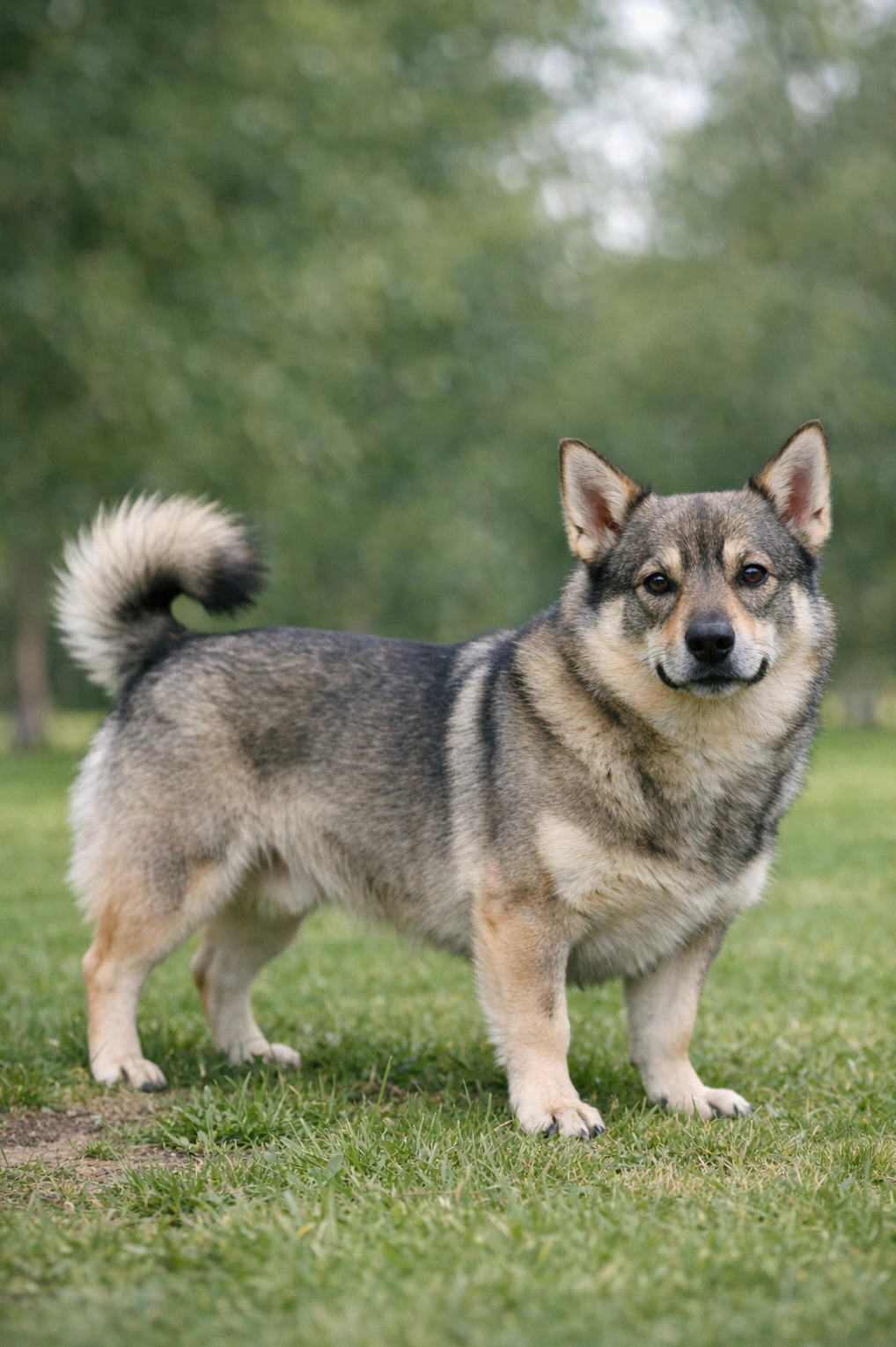
Compact Lancashire Heeler, about 10 to 12 inches tall and 9 to 17 pounds, is clever, adaptable, and warm-hearted. Nutritional Verdict: needs balanced portions with quality protein, healthy fats, and steady exercise.
Understanding the Lancashire Heeler Metabolism and Energy Needs
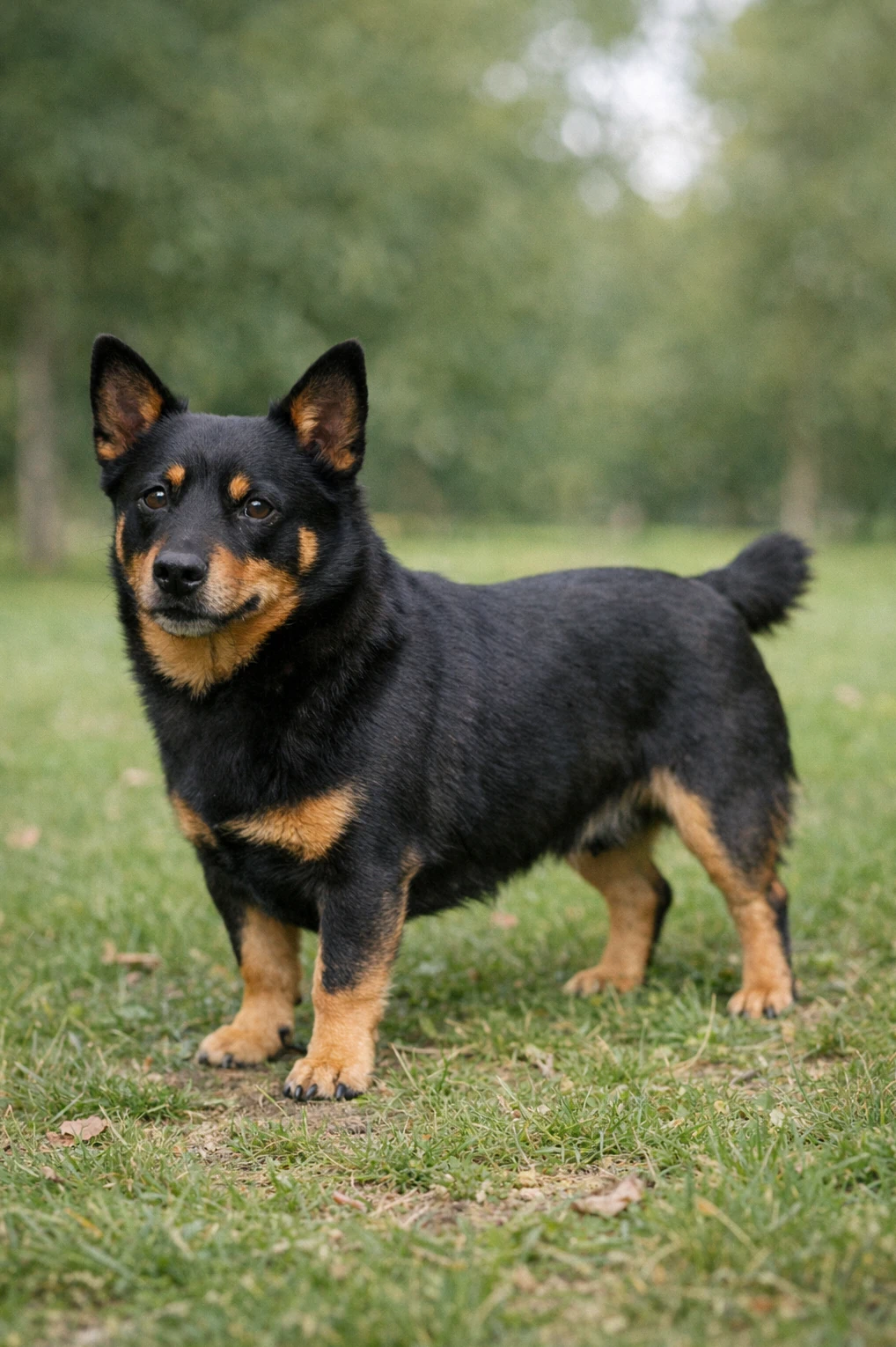
Raised for nimble stock work in tight fields, these dogs developed a compact, energetic frame and quick problem-solving. That heritage means modern companions need food that supports short bursts of speed, mental sharpness, and a friendly, clingy nature.
A stronger portion of high-quality animal protein helps preserve lean muscle and fuels those sudden sprints, while moderate healthy fats supply concentrated energy and keep the coat resilient. Limiting simple starches in favor of whole grains or vegetables provides steadier fuel and gentler digestion. Adding omega-3 fatty acids supports joints and brain function, and glucosamine or chondroitin can be useful for long-term mobility.
Practical choices include named meats first, a source of fish oil, and controlled calorie density to prevent weight gain. Pair meals with activity and small training rewards to keep both body and mind content.
Managing Lancashire Heeler Genetic Health Risks Through Nutrition
Primary Lens Luxation (PLL)
Helpful nutrients
Obesity / Overweight
Helpful nutrients
Lancashire Heeler Feeding & Calorie Calculator
Estimated Daily Calories
Tip: Start with this amount and adjust after 2–3 weeks based on your dog's body condition and weight trend.
This estimate provides a starting point for feeding. Individual calorie needs may vary depending on metabolism, body condition, and health status. Always monitor your dog's weight and consult your veterinarian when adjusting diet.
Foods and Ingredients to Avoid for Lancashire Heeler Dogs
Lancashire Heelers are small dogs with a tendency to gain weight, so high-fat foods and greasy table scraps can cause rapid calorie overload.
Excess fat not only contributes to obesity, it can also increase the risk of pancreatitis, which is a serious and painful condition.
Stick to lean protein and controlled portion sizes, and avoid sharing fatty human foods.
Keeping fats moderate helps maintain a healthy weight and protects those little joints and the heart.
Because this breed weighs only 9 to 17 pounds, treats add up quickly and can push a Lancashire Heeler into excess calories.
Overfeeding treats is a common cause of unwanted weight gain, which strains the back, hips and overall mobility as they age.
Use low-calorie, nutrient-rich treats and count them toward daily calories. Treats should help training without sabotaging your dog’s weight management plan.
Xylitol, often found in sugar-free gum, candy and some peanut butters, is extremely toxic to dogs and can cause rapid hypoglycemia and liver damage, even in small amounts.
A tiny Lancashire Heeler can be affected by much smaller doses than larger breeds, so vigilance is essential.
Check ingredient labels on human foods and pet products, and never offer anything containing xylitol. When in doubt, consult your veterinarian immediately if exposure is suspected.
Grapes and raisins can cause kidney failure in dogs, and the dangerous dose is unpredictable from one dog to another.
For a small breed like the Lancashire Heeler, a modest amount can represent a high dose per body weight, increasing the risk of severe illness.
Avoid offering grapes, raisins and products that contain them. When sharing fruit, choose safe options and remove pits, seeds and any sweetened or processed coatings.
Big, heavy chews and cooked bones can splinter, break teeth or become choking hazards for a small-mouthed dog.
Lancashire Heelers have delicate jaws relative to larger breeds, so dense chews meant for big dogs are unsafe and can lead to dental fractures or intestinal blockages.
Offer appropriately sized, softer dental chews or vet-approved alternatives, and supervise chew time to keep your dog safe and comfortable.
A high-quality commercial diet is usually balanced for essential nutrients, while raw or homemade diets can be nutrient-deficient if not carefully planned.
Small breeds like the Lancashire Heeler need precise calorie and nutrient control to avoid weight problems and ensure proper development across life stages.
If you choose a home-prepared or raw approach, work closely with your veterinarian or a canine nutritionist to design a safe, balanced plan and to minimize bacterial risks.
How Nutritional Needs Change Throughout the Lancashire Heeler Life Stages
Puppyhood, adulthood, and senior years bring different nutritional needs for your Lancashire Heeler, because growth, activity, and health tendencies change over time. Small size, lively temperament, and breed-specific risks like primary lens luxation influence portion size, nutrient balance, and monitoring. Tailoring feeding to growth rate, daily exercise, and veterinary guidance helps keep your Heeler healthy and thriving at every stage.
| Life Stage | Age Range | Primary Objective | Key Nutrient Focus |
|---|---|---|---|
| Puppy | 0–10 months | controlled skeletal development, immune support, brain development | DHA, balanced calcium/phosphorus, high-quality protein |
| Adult | 10 months–8 years | lean muscle maintenance and sustained energy | high-quality protein, omega-3 fatty acids, fiber |
| Senior | 8+ years | joint mobility, metabolic health, and cognitive support | glucosamine, chondroitin, antioxidants, lower calories |
Lancashire Heeler puppies grow quickly and reach adult size much earlier than larger breeds, so their diets must support rapid tissue and brain development without promoting excessive weight gain. Their small, energetic bodies need concentrated calories and frequent meals to keep blood sugar steady and support play and learning.
Choose a puppy formula with high quality animal protein, balanced fats, and added DHA for brain and eye development, while keeping calcium and phosphorus levels appropriate for small-breed growth. Feed three to four small meals a day and adjust portions as growth and activity change. Because the breed can carry primary lens luxation, ensure breeder and pup eye testing, and check supplements with your veterinarian before adding anything extra.
As adults, Lancashire Heelers settle into a steady metabolism and benefit from a diet that maintains lean muscle while matching their active but small-frame lifestyle. Moderate to high quality protein at each meal supports muscle tone, while healthy fats provide energy for bursts of activity and help keep the double coat glossy.
Calorie intake should align with daily exercise, whether lively walks, play, or farm work like tasks the breed loves, because even small dogs can gain weight if under-exercised. Include sources of omega-3 fatty acids and antioxidants to support skin, coat, and eye health, and discuss portioning and treat allowances with your veterinarian to keep your Heeler at a healthy weight.
As seniors, Lancashire Heelers often slow down but can remain lively into their teens, so nutrition should reflect lower calorie needs without sacrificing muscle-preserving protein. Aging dogs may have stiffer joints and sensitive digestion, so a diet with moderate calories, higher quality protein, and joint-supporting nutrients helps mobility and overall wellbeing.
Look for formulas with glucosamine, chondroitin, or omega-3 fatty acids to support joint comfort, along with antioxidants like vitamin E and beta-carotene to support eye and cellular health, given the breed's history with lens luxation. Add gentle fiber for digestive regularity and consider smaller kibble or softened food if dental wear appears, discussing any supplement or major change with your veterinarian.
Kibble vs Fresh vs Raw for Lancashire Heeler
Different feeding models suit different lifestyles, activity levels, and health needs. For the Lancashire Heeler, size, energy level, and eye health are key considerations when choosing a diet.
Pros
- Convenient and easy to portion for busy owners.
- Formulas for small breeds match calorie needs of active Heelers.
- Firm kibble helps reduce tartar and support dental health.
- Consistent nutrient profiles simplify feeding and weight management.
Cons
- Can be calorie-dense, risking weight gain without careful portion control.
- Lower moisture content may not suit dogs that drink little.
- Some formulas contain fillers or lower-quality proteins.
- Sensitive Heelers may need limited ingredient or novel protein diets.
Pros
- Highly palatable and great for picky Lancashire Heelers.
- High moisture supports digestion and steady hydration.
- You control ingredient quality and can avoid common allergens.
- Easier to add eye-supporting nutrients like omega-3s and antioxidants.
Cons
- More time and cost involved than kibble.
- Requires careful planning to ensure complete nutrition.
- Needs refrigeration and daily meal prep.
- Homemade mistakes can leave out essential vitamins and minerals.
Pros
- Mimics ancestral diet with raw protein and natural fats.
- Some owners report improved coat sheen and lively energy.
- Portion sizes fit small breeds and active metabolisms well.
- Minimal processing can preserve heat-sensitive nutrients.
Cons
- Strict hygiene and storage are essential to prevent bacterial risks.
- Small bones can pose choking or tooth fracture hazards for tiny Heelers.
- Balancing vitamins and minerals is challenging without expert guidance.
- Some vets express concern over infection risks in household members.
| Diet Type | Pros for Lancashire Heeler | Potential Downsides |
|---|---|---|
| High-Quality Kibble |
|
|
| Fresh Cooked Food |
|
|
| Raw Diet (BARF) |
|
|
Our Recommendation
Many Lancashire Heelers do well on high-quality kibble for convenience, dental benefit, and easier portion control.
Fresh cooked food fits owners who want ingredient control and targeted nutrients, while raw diets should be pursued only with veterinary guidance and strict hygiene.
See Also
Breeds with similar group, size, and coat characteristics