Best Dog Food for Swedish Vallhund in 2026Based on Nutritional Science
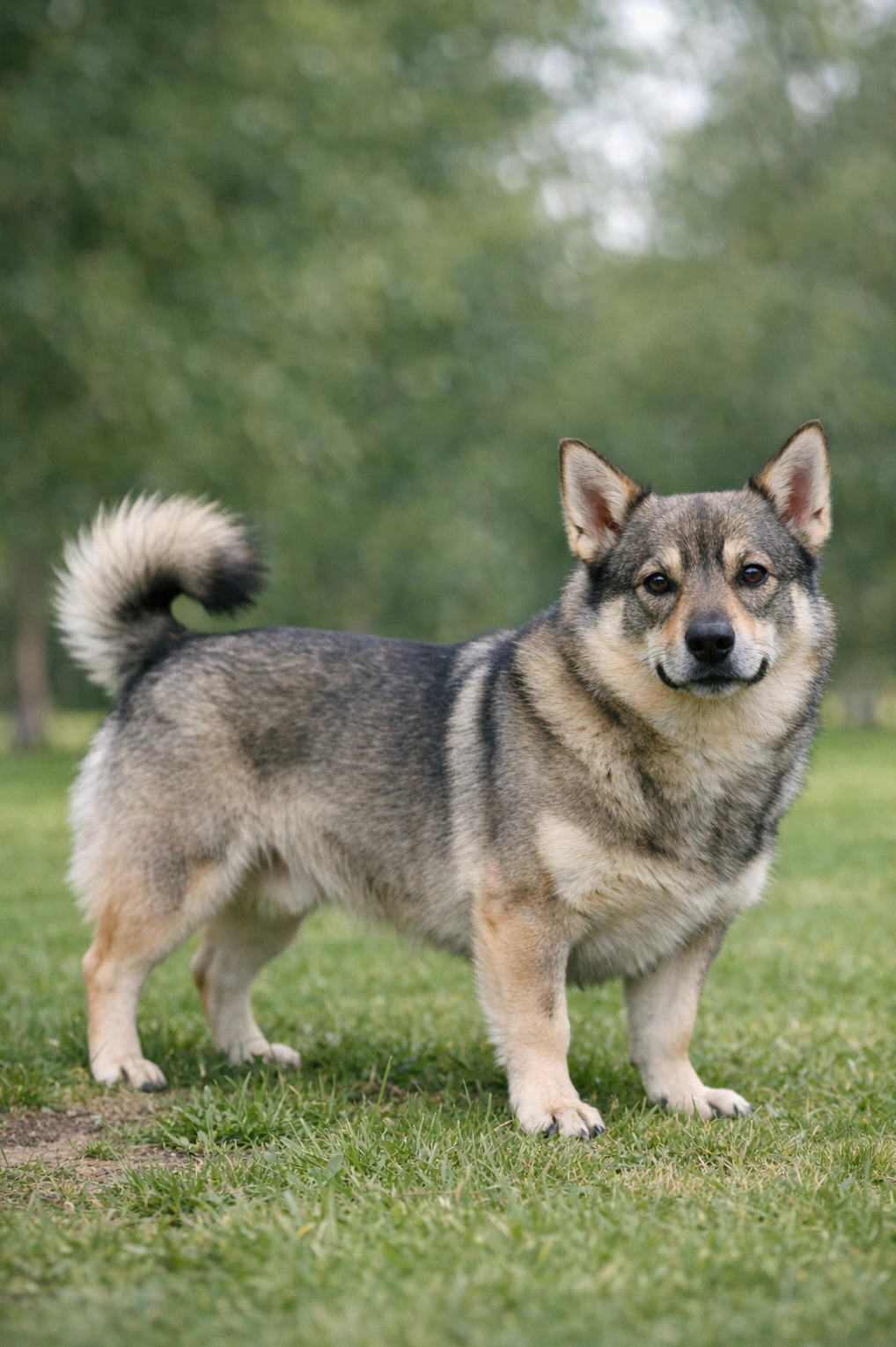
Compact and sturdy at 12.5 to 13.75 inches and 20 to 35 pounds, this amiable, lively, and alert herding dog loves activity.
Nutritional Verdict: a protein-rich, balanced diet supports muscle, energy, and joints.
Understanding the Swedish Vallhund Metabolism and Energy Needs
This small Scandinavian stock dog is lively, sociable, and always on guard, so its diet should support bursts of activity and steady focus. Lean, high-quality animal protein helps preserve strong muscles and quick recovery after play, while moderate healthy fats supply fast fuel and keep skin and coat glossy. Complex carbohydrates like sweet potato offer slow energy, preventing spikes that can lead to weight gain in a compact frame.
Because these dogs worked close to people and animals, joint and brain support matters for long-term mobility and calm attention. Adding omega-3s and joint supplements such as glucosamine can protect cartilage and support cognitive sharpness. Controlled portioning and nutrient-dense food help this breed stay fit, alert, and content throughout an active life.
Managing Swedish Vallhund Genetic Health Risks Through Nutrition
Hip Dysplasia
Helpful nutrients
Swedish Vallhund Retinopathy (Inherited Eye Disease)
Helpful nutrients
Overweight / Obesity
Helpful nutrients
Swedish Vallhund Feeding & Calorie Calculator
Estimated Daily Calories
Tip: Start with this amount and adjust after 2–3 weeks based on your dog's body condition and weight trend.
This estimate provides a starting point for feeding. Individual calorie needs may vary depending on metabolism, body condition, and health status. Always monitor your dog's weight and consult your veterinarian when adjusting diet.
Foods and Ingredients to Avoid for Swedish Vallhund Dogs
Swedish Vallhunds are classic "easy keepers," which means excess calories turn into extra weight more quickly than you might expect.
High-fat table scraps, fried foods, and rich treats can push a Vallhund into overweight territory and raise the chance of pancreatitis, a painful inflammation of the pancreas.
Keeping your Vallhund on lean protein and controlled portions helps protect their hips and spine, which is especially important because breeders screen for hip issues and extra weight only makes joint stress worse.
Sugary snacks lead to rapid weight gain and dental problems, both of which are bad news for a small, active breed that already tends to pack on pounds.
Even small amounts of candy, baked goods, or sugary human treats can add up for a Vallhund.
Xylitol, a common sweetener in sugar-free gum and some peanut butters, is highly toxic to dogs and can cause dangerous drops in blood sugar and liver damage, so avoid all products that list it.
Grapes and their dried forms can cause acute kidney failure in dogs, and there is no reliable way to predict which dog will be affected or how severe the reaction will be.
For a small to medium breed like the Swedish Vallhund, even a few pieces can be serious because of their smaller body size.
Play it safe and keep these fruits out of reach, and teach family and guests that sharing them is not an option.
All forms of onion and garlic, raw or cooked, can damage a dog’s red blood cells and lead to hemolytic anemia.
Small dogs are often more sensitive because a smaller dose represents a larger proportion of their body weight, so Swedish Vallhunds can show symptoms sooner.
Avoid feeding these ingredients in any quantity, and be careful with flavored foods, left-overs, and seasonings that may contain onion or garlic powder.
Diets that rely heavily on peas, lentils, or other legumes have been associated with heart muscle issues in some dogs, particularly when those ingredients displace key nutrients.
While most Vallhunds thrive on a high-quality diet, avoid formulas where legumes are the primary protein or carbohydrate source without clear nutritional balance.
Talk with your veterinarian about choosing a complete, balanced food and consider foods that include quality animal proteins and essential nutrients tied to heart health.
Ingredients like BHA, BHT, and artificial dyes can sometimes trigger skin sensitivities, digestive upset, or low-level allergic reactions in dogs with sensitive coats.
Since Swedish Vallhunds benefit from a healthy skin and coat to show off their charming appearance, avoiding unnecessary additives helps keep them comfortable and looking their best.
Opt for foods preserved naturally or those that list specific, recognizable ingredients, and monitor your dog for any signs of itchiness or upset after diet changes.
Kibble vs Fresh vs Raw for Swedish Vallhund
Different feeding models suit different lifestyles and household routines. For an energetic, watchful Swedish Vallhund, consider activity level, joint care, and ingredient quality when choosing a diet.
Pros
- Convenient and easy to portion for busy owners.
- Formulas for active small breeds support energy needs and healthy weight.
- Dry texture can help reduce tartar during chewing.
- Fortified with vitamins and fatty acids to support coat and eye health.
Cons
- Lower moisture content may not suit dogs that drink little water.
- Some brands include fillers or low-quality ingredients.
- Calorie-dense formulas risk weight gain without careful portion control.
- May not satisfy very picky eaters as well as fresh food.
Pros
- Highly palatable, great for picky or recovering Swedish Vallhunds.
- Higher moisture content supports hydration and gentle digestion.
- You control ingredient quality and can prioritize joint-support nutrients.
- Easier to adjust calories for active or less active days.
Cons
- Requires careful planning to ensure complete, balanced nutrition.
- More time consuming and often more expensive than kibble.
- Needs refrigeration and safe storage between meals.
- Improper recipes can lack essential vitamins, minerals, and calcium.
Pros
- High protein and minimal processing appeals to ancestral feeding.
- Some owners report shinier coats and higher sustained energy.
- Can be tailored to support muscle mass and joint health.
- No heat processing preserves certain natural nutrients and enzymes.
Cons
- Higher risk of bacterial contamination without strict hygiene practices.
- Raw bones can pose choking or dental fracture risk for small dogs.
- Balancing calcium and other nutrients requires veterinary guidance.
- Can be costly and time intensive to prepare safely and correctly.
| Diet Type | Pros for Swedish Vallhund | Potential Downsides |
|---|---|---|
| High-Quality Kibble |
|
|
| Fresh Cooked Food |
|
|
| Raw Diet (BARF) |
|
|
Our Recommendation
For many Swedish Vallhunds, a high-quality kibble formulated for active small breeds provides a convenient, balanced baseline that supports energy and dental health.
Fresh cooked food suits owners who want ingredient control and joint support, while raw diets are best for experienced owners able to manage hygiene and nutritional balance.
See Also
Breeds with similar group, size, and coat characteristics