Best Dog Food for Australian Cattle Dog in 2026Based on Nutritional Science
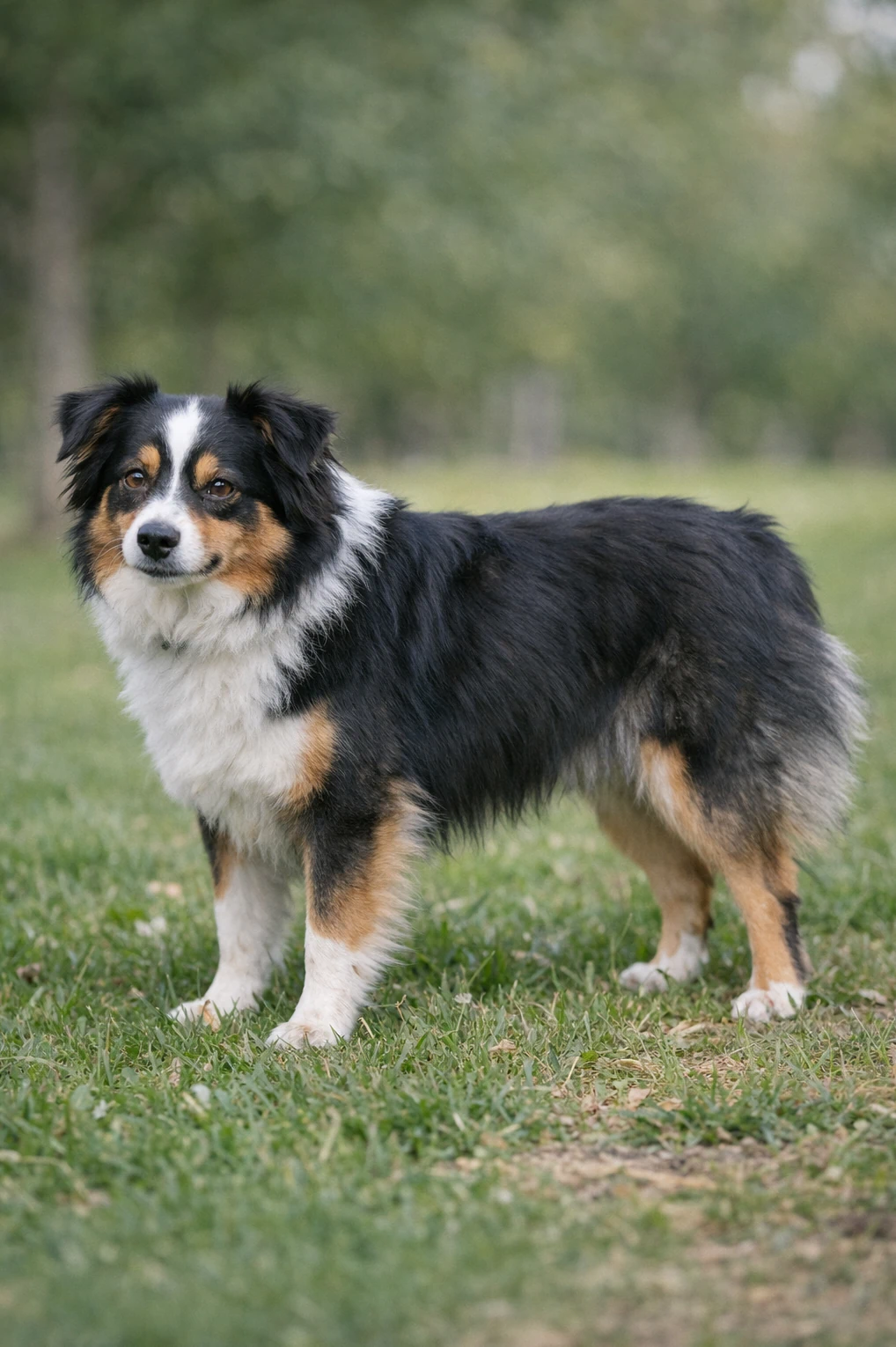
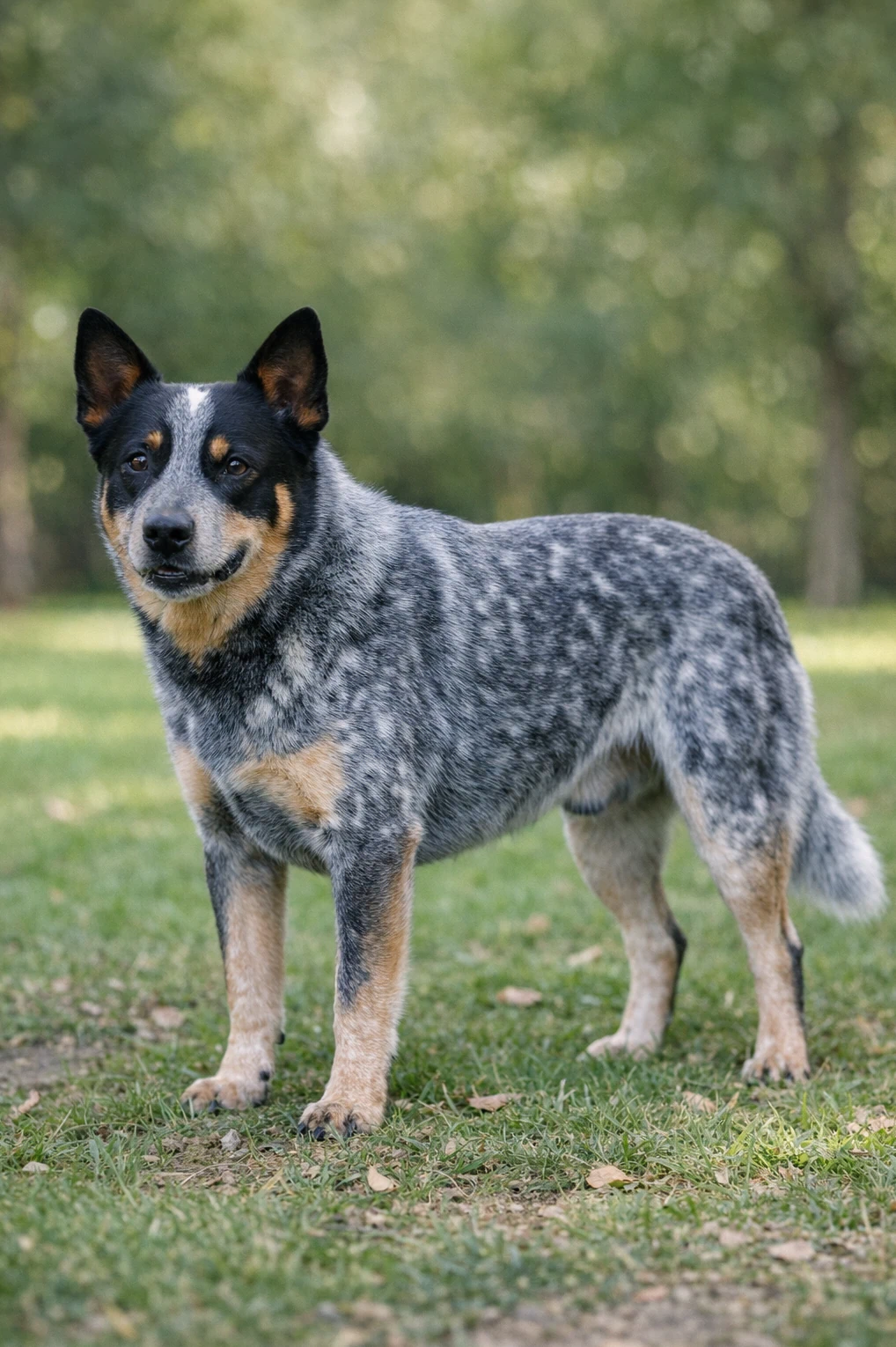
Australian Cattle Dog males stand about 18 to 20 inches and weigh 35 to 50 pounds. Devoted, quick-witted, and persistent, they need nutrient-dense, protein-forward meals. Nutritional Verdict: support energy with quality protein and balanced fats.
Understanding the Australian Cattle Dog Metabolism and Energy Needs
This cattle-driving companion thrives on long days guiding livestock, so their food should support steady stamina and clear focus. Their heritage of nonstop movement and quick problem solving means lean muscle and even blood sugar matter, so high-quality animal protein helps maintain strength and repair working tissue.
Healthy fats offer concentrated fuel for long outings and help keep the brain and coat in top shape, so include oils like salmon or flax. Moderate complex carbs such as sweet potato or brown rice top up energy without adding extra pounds, and fiber steadies digestion.
Consider joint support like glucosamine with chondroitin, plus omega-3s to reduce inflammation and support mobility and mental sharpness. Small, regular meals and a slightly higher protein with controlled fat level suit their energetic, focused nature and help keep them fit and happy.
Managing Australian Cattle Dog Genetic Health Risks Through Nutrition
Deafness
Helpful nutrients
Progressive Retinal Atrophy (Vision Loss)
Helpful nutrients
Hip Dysplasia
Helpful nutrients
Ear Infections and Wax Buildup
Helpful nutrients
Dental Disease
Helpful nutrients
Obesity and Weight Management
Helpful nutrients
Australian Cattle Dog Feeding & Calorie Calculator
Estimated Daily Calories
Tip: Start with this amount and adjust after 2–3 weeks based on your dog's body condition and weight trend.
This estimate provides a starting point for feeding. Individual calorie needs may vary depending on metabolism, body condition, and health status. Always monitor your dog's weight and consult your veterinarian when adjusting diet.
Foods and Ingredients to Avoid for Australian Cattle Dog Dogs
Australian Cattle Dogs are athletic and do best at a healthy body weight, so high-fat foods and fatty table scraps are risky.
Excess fat calories can lead to rapid weight gain, placing extra strain on hips and joints and increasing the chance of mobility problems later in life.
Avoid fried foods, rich sauces, and fatty cuts of meat.
Choose lean protein sources and portion treats carefully, and check with your vet before changing fat levels in their diet.
Xylitol, often found in sugar-free gum, candies, some peanut butters, and baked goods, is extremely toxic to dogs and can cause life-threatening low blood sugar and liver failure.
Even small amounts can produce rapid symptoms, so it is essential to keep anything containing xylitol out of reach.
Read labels on human foods and pet-safe treats, and call your veterinarian or emergency clinic immediately if you suspect ingestion.
All forms of onions, garlic, and chives, raw or cooked and even powdered, can damage a dog’s red blood cells and lead to hemolytic anemia.
For an active breed like the Australian Cattle Dog, anemia can reduce stamina and overall health, making it harder for them to stay active and happy.
Avoid giving these ingredients in meals, leftovers, or seasonings, and be cautious with foods like gravy, stews, and prepared mixes that may contain onion or garlic powder.
Raw diets and uncooked bones carry risks of bacterial contamination such as Salmonella, and bones can splinter and cause choking, mouth injuries, or intestinal blockages.
Australian Cattle Dogs love to chew, but a fractured tooth or GI emergency can be expensive and dangerous.
If you consider a raw approach, talk closely with your veterinarian about safe handling, sourcing, and hygiene, and never give cooked bones that easily splinter.
Puppies fed diets too high in calcium or calories can grow too quickly, which increases stress on developing bones and joints and can contribute to conditions like hip dysplasia.
Australian Cattle Dogs are a medium, active breed, so balanced growth is important to support healthy hips and mobility.
Use a puppy formula designed for medium-breed dogs, avoid unprescribed supplements, and follow your vet’s guidance on feeding amounts and growth monitoring.
Ingredients like BHA, BHT, artificial colors, and some common protein sources can trigger skin sensitivities, digestive upset, or allergic reactions in susceptible dogs.
Since coat and skin health affect comfort and activity, avoiding unnecessary additives can help keep an Australian Cattle Dog feeling its best.
If you notice itching, ear issues, or chronic digestive problems, discuss an elimination trial or limited-ingredient diet with your veterinarian to pinpoint triggers and find a gentle, nutritious option.
Kibble vs Fresh vs Raw for Australian Cattle Dog
Different feeding models suit different lifestyles, energy levels, and health needs. For the Australian Cattle Dog, choose a diet that supports high activity, lean muscle, and joint health.
Pros
- Convenient and easy to portion for busy owners.
- Often formulated for joint support and lean muscle maintenance.
- Crunch helps reduce tartar when combined with regular dental care.
- Stable shelf life and consistent nutrition per serving.
Cons
- Can contain fillers that add unnecessary calories.
- Lower moisture content may not suit every active ACD.
- May lack tailored protein for very active working dogs.
- Quality varies widely, so careful label reading is important.
Pros
- Highly palatable, great for picky or recovering dogs.
- High moisture supports hydration and healthy digestion.
- You control ingredient quality and can add joint supplements.
- Easily adjusted for changing activity levels and weight.
Cons
- Requires careful planning to ensure complete nutrition.
- More time consuming and typically more expensive than kibble.
- Needs refrigeration and safe handling to avoid spoilage.
- If not balanced, can miss nutrients important for ACD health.
Pros
- High protein and fat support energy for active dogs.
- Some owners report shinier coats and increased vitality.
- Minimal processing preserves certain nutrients and enzymes.
- Can be tailored to meet working dogs' higher energy needs.
Cons
- Risks bacterial contamination without strict hygiene and sourcing.
- Bone hazards can fracture teeth in strong-jawed ACDs.
- Requires veterinary guidance to ensure proper nutrient balance.
- Harder to guarantee joint-support nutrients for dogs prone to hip dysplasia.
| Diet Type | Pros for Australian Cattle Dog | Potential Downsides |
|---|---|---|
| High-Quality Kibble |
|
|
| Fresh Cooked Food |
|
|
| Raw Diet (BARF) |
|
|
Our Recommendation
For most Australian Cattle Dogs, a high-quality, higher-protein kibble or a carefully planned fresh-cooked diet provides balanced energy and joint support.
Raw feeding can work for committed owners with veterinary guidance, but consistency and attention to joint, dental, and genetic health are most important.
See Also
Breeds with similar group, size, and coat characteristics