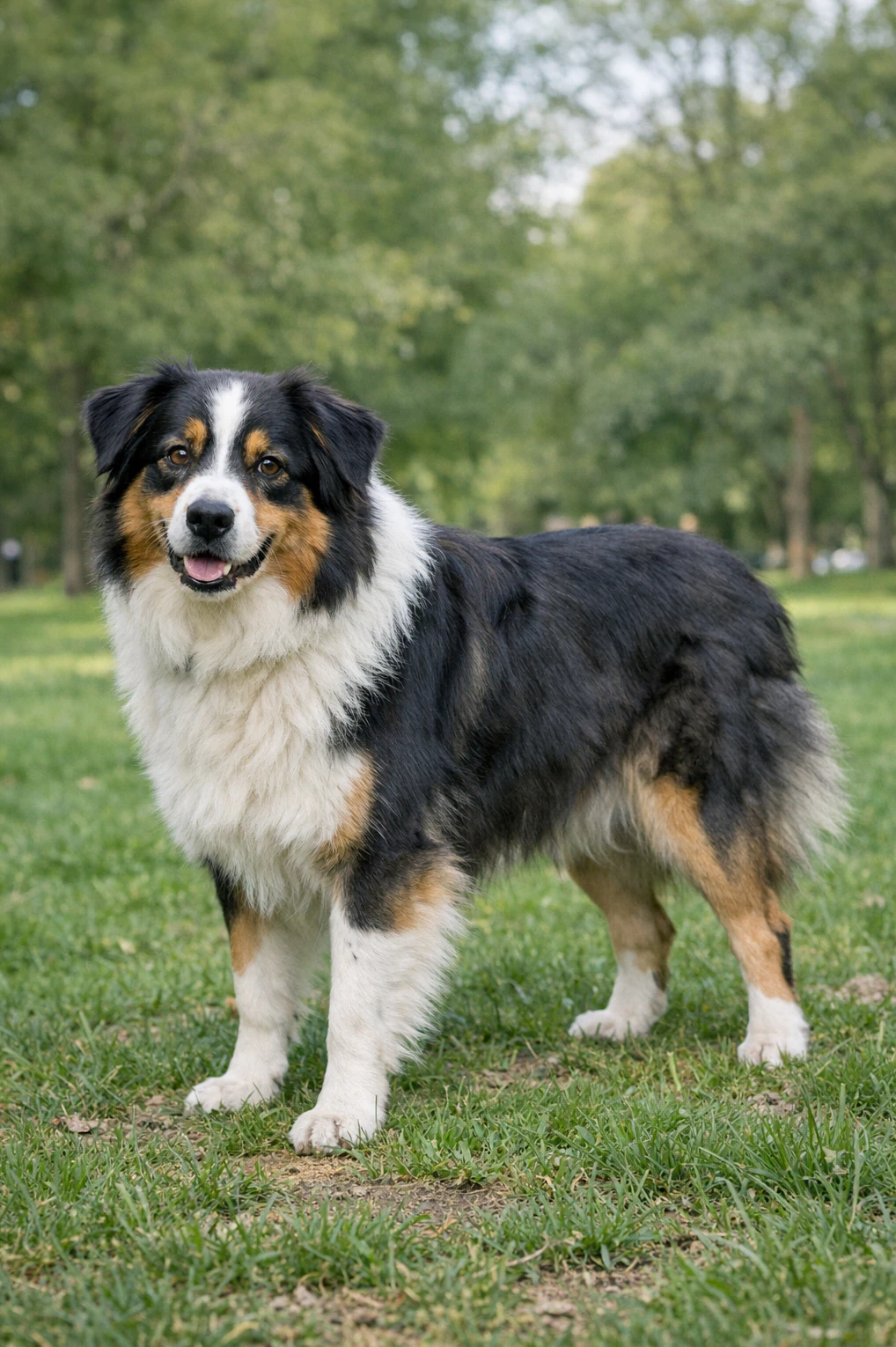
Best Dog Food for Canaan Dog in 2026Based on Nutritional Science
Medium-sized Canaan males stand about 20–24 inches and weigh 45–55 pounds. Watchful, attentive and self-assured, they thrive on high-quality protein, balanced fats, controlled portions, and regular activity for steady energy.

Understanding the Canaan Dog Metabolism and Energy Needs
Originating from Middle Eastern herding stock, these dogs were bred to move flocks with stamina and quick decisions, so modern companions keep the same demands. Think of them as naturally ready to work, always watchful and confidently independent. That makes nutrients that support lean muscle, steady energy, and sharp cognition especially important.
Prioritize high-quality animal protein to preserve fast-twitch and endurance muscle fibers, for example chicken, lamb, or fish. Moderate healthy fats supply concentrated fuel and promote healthy skin and coat, while low-glycemic complex carbohydrates such as sweet potato or brown rice provide slow-burning energy for long bouts of activity. Omega-3 fatty acids support brain focus and reduce inflammation, and targeted joint support like glucosamine can help maintain mobility for an active, quick-moving dog.
Managing Canaan Dog Genetic Health Risks Through Nutrition
Ear Infections
Helpful nutrients
Dental Disease (tartar, gum issues)
Helpful nutrients
Overweight / Obesity
Helpful nutrients
Canaan Dog Feeding & Calorie Calculator
Estimated Daily Calories
Tip: Start with this amount and adjust after 2–3 weeks based on your dog's body condition and weight trend.
This estimate provides a starting point for feeding. Individual calorie needs may vary depending on metabolism, body condition, and health status. Always monitor your dog's weight and consult your veterinarian when adjusting diet.
Foods and Ingredients to Avoid for Canaan Dog Dogs
Canaan Dogs can be prone to gaining extra weight, and their medium build means extra pounds place stress on joints and overall mobility.
Foods high in fat, like fried table scraps, fatty cuts of meat, and rich human foods, add calories quickly and can also trigger pancreatitis in sensitive dogs.
Keep to lean protein sources and veterinary-approved portion sizes, and reserve rich human foods for very rare treats to protect weight and long term health.
Training treats are useful, but the calories add up fast for a 45 to 55 pound Canaan Dog, especially if your dog is less active.
Too many small rewards can shift daily calorie balance and lead to gradual weight gain, which raises the risk of joint problems and reduces stamina.
Count treats toward the daily calorie allowance, choose low calorie options, and use praise or play as reward when possible to keep weight in a healthy range.
Grapes, raisins, and currants are toxic to many dogs and can cause sudden kidney failure, even in small amounts.
Because Canaan Dogs may not show symptoms right away, exposure can quickly become serious before you notice any change in behavior or appetite.
Avoid offering these fruits entirely, and keep baked goods and trail mixes out of reach to prevent accidental ingestion and a dangerous veterinary emergency.
Xylitol, a common artificial sweetener in sugar free gum, baked goods, and some peanut butters, causes a rapid insulin release in dogs that leads to dangerous hypoglycemia.
In larger exposures it can also cause liver damage, and the effects come on quickly enough to require emergency care.
Always check ingredient labels before sharing any human product and keep xylitol containing items well out of reach of curious noses.
Cooked bones tend to splinter and can puncture the mouth, throat, or intestines, or cause choking and obstruction.
Even well meaning handouts like chicken bones or rib ends create a real risk for a medium sized dog, and complications often require surgery.
Offer only vet recommended chews and durable toys, and never leave small or cooked bones where your Canaan Dog can access them unsupervised.
Some Canaan Dogs show skin or digestive sensitivities that can be aggravated by artificial preservatives and colors.
Ingredients such as BHA, BHT, and some synthetic dyes may contribute to itchy skin, ear issues, or stomach upset in dogs with mild allergies.
Choosing foods with natural preservatives and simple ingredient lists can help you spot and avoid triggers, and discuss any suspected sensitivities with your veterinarian for tailored advice.
How Nutritional Needs Change Throughout the Canaan Dog Life Stages
Dogs need different nutrition at each stage of life, from puppyhood through adulthood to the senior years. A Canaan Dog’s needs are shaped by its relatively quick early growth, alert and active temperament, and the breed’s overall hardiness. Good feeding decisions consider growth rate, daily activity level, and any common health tendencies, so food changes are made with these factors in mind.
| Life Stage | Age Range | Primary Objective | Key Nutrient Focus |
|---|---|---|---|
| Puppy | 0–15 months | controlled skeletal development, immune support, brain development | DHA, balanced calcium/phosphorus, high-quality protein |
| Adult | 1.5–6 years | lean muscle maintenance and sustained energy | high-quality protein, omega-3 fatty acids, fiber |
| Senior | 6+ years | joint mobility, metabolic health, and cognitive support | glucosamine, chondroitin, antioxidants, lower calories |
Canaan Dog puppies grow quickly into a large, confident adult, so their early nutrition should support steady, controlled growth and proper skeletal development. Choose a large-breed puppy formula that balances calories and provides an appropriate calcium to phosphorus ratio to reduce the risk of orthopedic stress, and avoid overfeeding which can cause too-rapid growth.
Feed smaller, frequent meals when they are very young, moving to two meals a day by about one year. Prioritize high quality protein, DHA for brain development, essential fatty acids for skin and coat, and vitamins and minerals for bone health, while remembering that supervised, age-appropriate exercise helps build muscles without straining developing joints.
As an adult, a Canaan Dog needs nutrition that maintains lean muscle, steady energy, and a healthy body condition suited to its alert, vigilant nature. Provide a balanced diet with good-quality protein to support muscles, moderate fat for energy, and the right calorie level based on whether your dog is mostly a family companion or a more active working partner.
Monitor body condition and adjust portions with changing activity, and include nutrients that support skin and coat health, like omega fatty acids, since their double coat benefits from good oils. Regular dental care and ear checks remain important and feeding routines should complement daily exercise and mental stimulation.
In the senior years a Canaan Dog may experience a slower metabolism, reduced activity and changes in digestion, so calorie needs often decrease while protein needs stay important to prevent muscle loss. Mobility can become a concern for larger dogs, so easier-to-digest proteins, added fiber for gut health, and diets that are palatable for aging teeth help maintain weight and nutrition.
Consider joint-support nutrients such as glucosamine, chondroitin and omega-3 fatty acids, along with antioxidants like vitamin E to support healthy aging. Work with your veterinarian to adjust calories and supplements as activity changes, and keep up routine checks of teeth and ears to catch issues early.
Kibble vs Fresh vs Raw for Canaan Dog
Different feeding models suit different lifestyles and dog personalities. For a Canaan Dog, factor in its alert energy, lean build, and regular ear and dental care needs.
Pros
- Convenient and easy to portion for busy owners.
- Helps reduce tartar when chewed regularly.
- Consistent, balanced nutrition in every serving from reputable brands.
- Long shelf life suits active households and breeders.
Cons
- Can be calorie-dense, risking weight gain without portion control.
- Some formulas include fillers or artificial additives.
- Lower moisture may not support dogs that need extra hydration.
- May be less appealing to picky eaters.
Pros
- Highly palatable, often loved by picky Canaan Dogs.
- Higher moisture supports hydration and healthy skin.
- You control ingredient quality, useful for food sensitivities.
- Can be tailored to activity level and condition.
Cons
- More time and cost intensive than kibble.
- Requires careful supplementation for complete nutrition.
- Meal prep and refrigeration add daily responsibilities.
- Portion errors can lead to unwanted weight change.
Pros
- High-quality raw protein may suit active, confident Canaan Dogs.
- Some owners report shinier coats and more energy.
- Minimally processed ingredients appeal to those avoiding fillers.
- Can be portioned to match activity and lean build.
Cons
- Strict hygiene needed to avoid bacterial contamination.
- Risk from feeding bones requires careful selection and supervision.
- Balancing vitamins and minerals is challenging without guidance.
- Not ideal in homes with young children or immunocompromised people.
| Diet Type | Pros for Canaan Dog | Potential Downsides |
|---|---|---|
| High-Quality Kibble |
|
|
| Fresh Cooked Food |
|
|
| Raw Diet (BARF) |
|
|
Our Recommendation
For most Canaan Dogs, high-quality kibble provides reliable, balanced nutrition with convenient portion control.
Fresh cooked meals suit owners who can commit to careful planning, while raw diets should only be attempted with veterinary guidance and strict hygiene.
See Also
Breeds with similar group, size, and coat characteristics