Best Dog Food for Collie in 2026Based on Nutritional Science
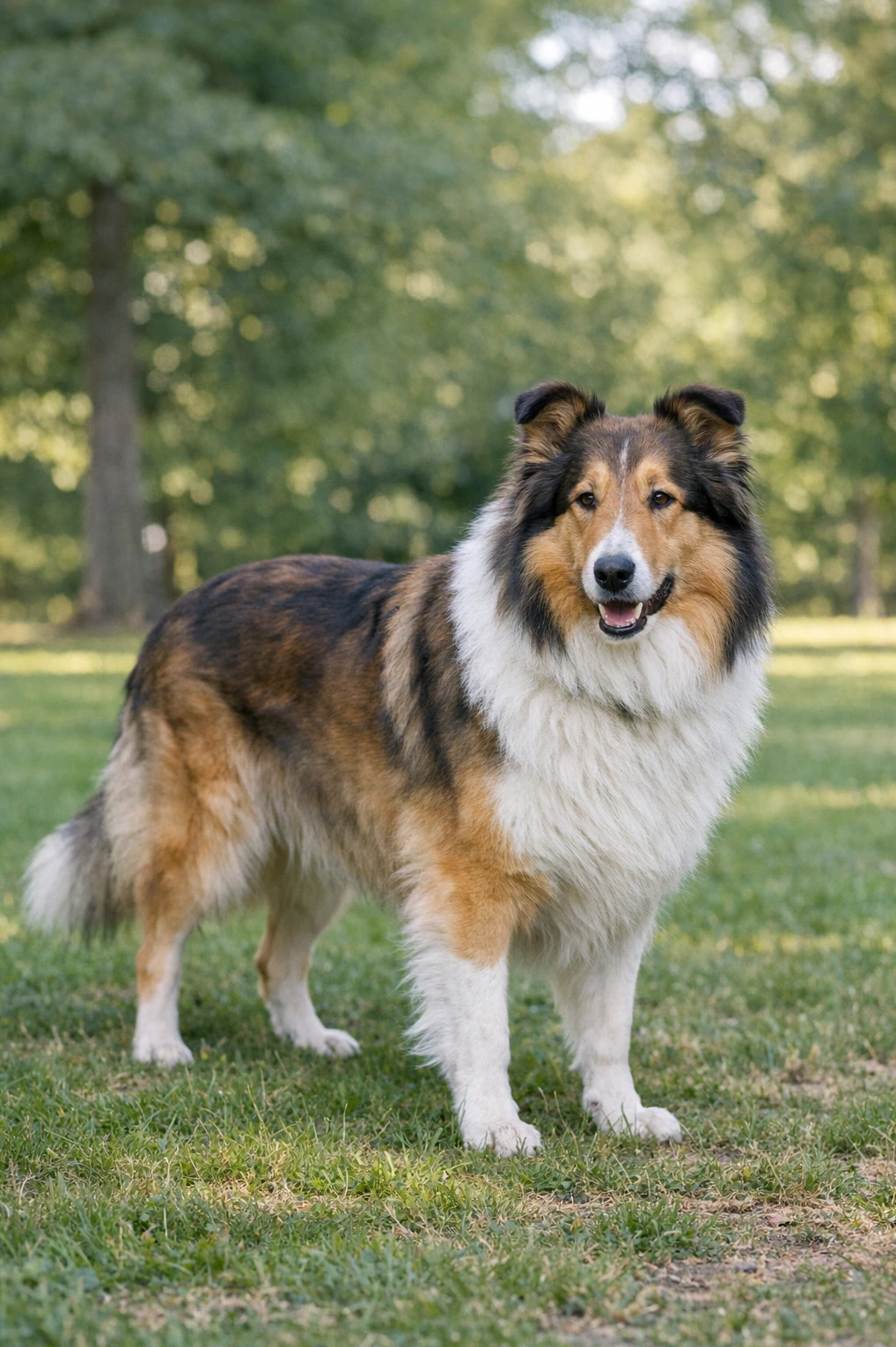
Tall, elegant Collie males stand about 24 to 26 inches and weigh 60 to 75 pounds. Loyal and dignified companions. Nutritional verdict: feed a balanced, protein-rich diet to support energy and healthy coat.
Understanding the Collie Metabolism and Energy Needs
As descendants of stock handlers that needed quick thinking and steady movement, these dogs benefit from a diet that supports endurance, lean muscle, and sharp cognition. A higher quality protein level helps preserve muscle and supports the quick bursts of activity they still enjoy, so aim for formulas where protein is a leading ingredient, around 25 to 30 percent on a dry matter basis. Moderate healthy fats give concentrated energy and support skin and coat condition, with omega-3s particularly helpful for brain health and a shiny coat.
Slow-release carbohydrates and fiber maintain steady energy and gut comfort without spikes, while joint-support ingredients like glucosamine and chondroitin protect an active frame from wear. Antioxidants and targeted vitamins support long-term mental sharpness, helping a loyal, dignified companion stay fit and comfortable through every stage of life.
Managing Collie Genetic Health Risks Through Nutrition
Collie Eye Anomaly (CEA)
Helpful nutrients
MDR1 Drug Sensitivity
Helpful nutrients
Bloat (Gastric Dilatation-Volvulus risk)
Helpful nutrients
Skin and Coat Problems
Helpful nutrients
Food Sensitivities (corn or soy)
Helpful nutrients
Collie Feeding & Calorie Calculator
Estimated Daily Calories
Tip: Start with this amount and adjust after 2–3 weeks based on your dog's body condition and weight trend.
This estimate provides a starting point for feeding. Individual calorie needs may vary depending on metabolism, body condition, and health status. Always monitor your dog's weight and consult your veterinarian when adjusting diet.
Foods and Ingredients to Avoid for Collie Dogs
Many Collie owners and breed experts prefer to avoid corn and soy, since these ingredients are common fillers that offer little in the way of quality protein.
For a breed that thrives on meat-based diets to support skin, coat, and energy, heavy reliance on corn or soy can dilute the nutrient profile and contribute to digestive upset or food sensitivities.
Choosing a diet where named meats are the main ingredients helps ensure your Collie gets the amino acids and fats it needs for a healthy coat, stable weight, and steady energy levels.
Grain-free recipes that substitute large amounts of peas, lentils, or other legumes have been linked to heart concerns in some dogs, especially when they make up a big portion of the protein source.
For a medium-large breed like the Collie, whose health should be monitored for lifelong vitality, relying on legume-heavy formulas can risk imbalanced amino acids, including taurine-related issues.
If you choose a grain-free diet, work with your veterinarian to check that the food is balanced and that your dog’s heart and taurine levels are monitored regularly.
Table scraps and very fatty foods, like bacon, fried leftovers, and rich sauces, can quickly lead to weight gain and increase the risk of pancreatitis, which can be severe.
Collies typically do well at a healthy weight, and carrying extra pounds puts added stress on their joints and overall mobility as they age.
Stick to lean protein sources and measured portions, and treat table scraps as an occasional rarity rather than part of the daily diet to protect your Collie’s long-term health.
All members of the allium family, including onions, garlic, leeks, and chives, contain compounds that damage red blood cells and can cause anemia in dogs, sometimes even after small amounts over time.
This risk is not tied to breed, so Collies should never be fed foods or seasonings that contain these ingredients, whether raw, cooked, or powdered.
Watch for hidden forms of alliums in prepared foods and human meals, and keep your dog’s diet simple and free of these common household hazards.
Grapes, raisins, and currants can cause sudden kidney failure in dogs, and the toxic dose is unpredictable between individual animals.
For a responsible Collie owner, it is safest to avoid these fruits entirely and keep any foods or baked goods that might contain them well out of reach.
If your Collie accidentally eats even a small amount, contact your veterinarian immediately, as early intervention can be critical to preventing serious harm.
Xylitol is an artificial sweetener found in sugar-free gum, some peanut butters, baked goods, and dental products, and it can trigger a dangerous drop in blood sugar and even liver failure in dogs.
Because Collies are often given treats like peanut butter, checking ingredient labels is an easy step to avoid this life-threatening ingredient.
Avoid any products labeled sugar-free unless you are certain they are xylitol-free, and choose dog-safe treats that list simple, recognizable ingredients.
Collies can carry the MDR1 mutation, which makes them sensitive to certain drug compounds, so caution is needed with herbal supplements, specialty treats, or unregulated additives that may contain drug-like ingredients or undeclared substances.
These products can interact with medications or cause unexpected reactions in dogs with genetic sensitivities.
Always consult your veterinarian before introducing a new supplement or unconventional treat, and choose products with clear labeling and veterinary approval to keep your Collie safe.
Kibble vs Fresh vs Raw for Collie
Different feeding models suit different lifestyles and health needs. For Collies, activity level, coat care, and genetic sensitivities help determine the best option.
Pros
- Convenient and easy to portion for busy families.
- Consistent, balanced nutrition supports active herding energy.
- Formulas with omega fatty acids help maintain Collie coat.
- Dry texture can aid in reducing tartar buildup.
Cons
- Lower moisture content may not suit dogs that drink little.
- Quality varies, some brands use fillers or low-cost ingredients.
- Overfeeding can easily lead to weight gain in less active Collies.
- Veterinary guidance helps tailor kibble choices for genetic health concerns.
Pros
- Highly palatable, good for picky or recovering dogs.
- High moisture supports hydration and healthy digestion.
- Full control over ingredients to prioritize quality proteins.
- Easier to tailor meals for coat condition and energy needs.
Cons
- Requires careful planning to ensure balanced nutrition daily.
- More time consuming and needs refrigeration and prep.
- Can be more expensive over time than kibble.
- Risk of imbalance without veterinary or nutritionist oversight.
Pros
- High protein, low carb, may suit active Collies' energy needs.
- Many owners report improved skin and coat condition.
- Unprocessed ingredients preserve natural vitamins and enzymes.
- Customizable to avoid allergens and fillers.
Cons
- Strict hygiene required to prevent bacterial contamination.
- Risk of bone fragments causing choking or intestinal injury.
- Hard to achieve balanced vitamins and minerals without guidance.
- Not recommended without veterinarian supervision for puppies and older dogs.
| Diet Type | Pros for Collie | Potential Downsides |
|---|---|---|
| High-Quality Kibble |
|
|
| Fresh Cooked Food |
|
|
| Raw Diet (BARF) |
|
|
Our Recommendation
For many Collies, a high-quality, breed-appropriate kibble provides convenient, balanced nutrition that supports activity and coat health.
Fresh cooked meals are great for picky eaters or dogs needing tailored ingredients, while raw diets can work for some owners who follow strict hygiene and veterinary guidance.
If your Collie has known genetic concerns such as MDR1 or eye conditions, work closely with your veterinarian when choosing any feeding model.
See Also
Breeds with similar group, size, and coat characteristics