Best Dog Food for Bearded Collie in 2026Based on Nutritional Science
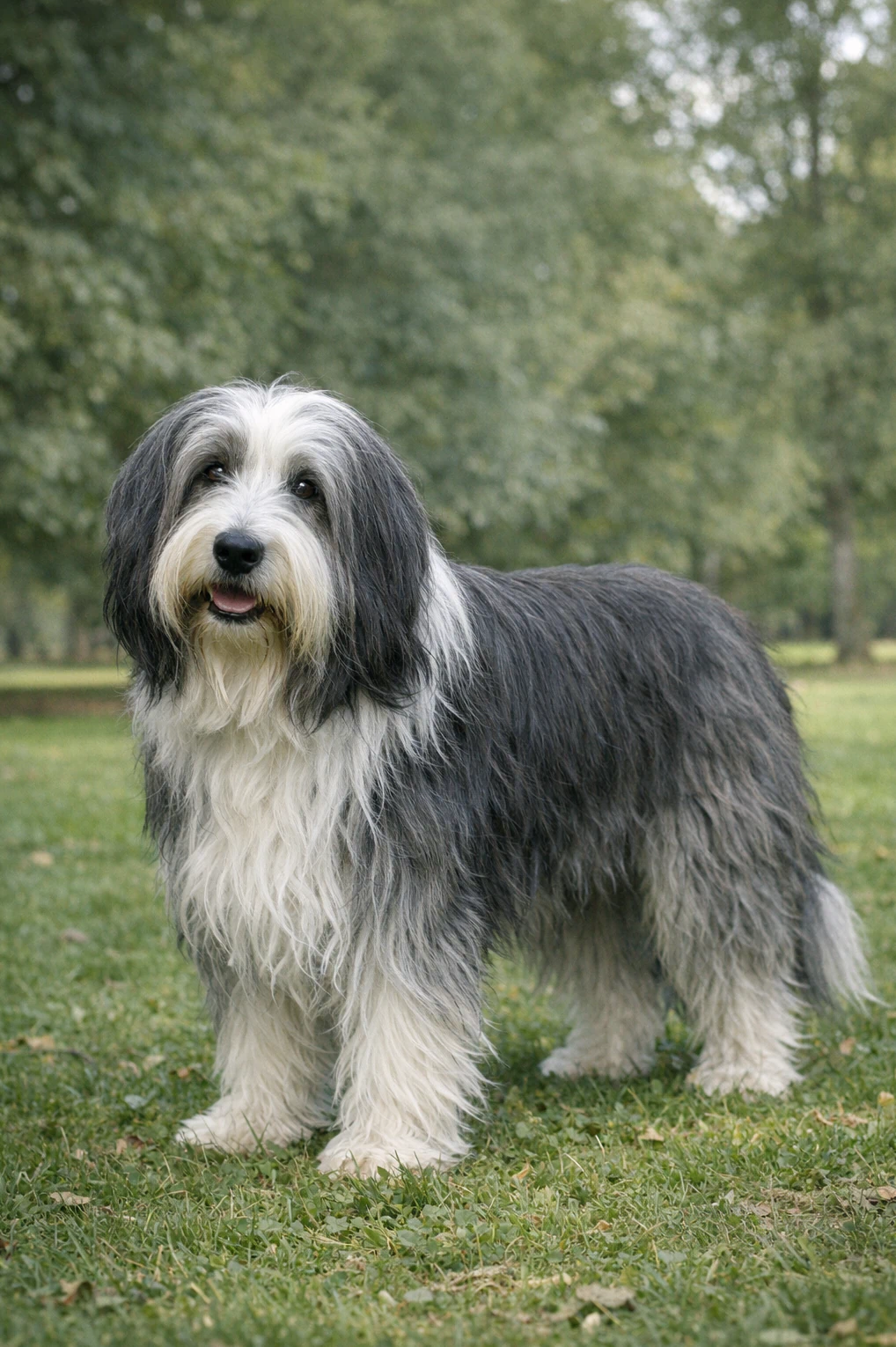
Medium-sized males at about 21 to 22 inches and 45 to 55 pounds, the Bearded Collie is clever, sprightly and delightfully charming. Nutritional verdict: active, balanced diets with quality protein and joint support work best.
Understanding the Bearded Collie Metabolism and Energy Needs
As a shaggy herding companion, this dog pairs quick thinking with lively energy and an engaging nature. Those qualities mean it needs food that fuels short bursts of activity, supports ongoing mental work, and keeps a thick coat and skin in good condition.
Prioritize high quality protein, about 26 to 30 percent, to preserve lean muscle and speed recovery after sprints and turns. Moderate fat, around 14 to 18 percent, supplies steady energy and helps the dense coat stay supple, while carbohydrates near 35 to 40 percent provide lasting endurance without excess weight. Omega 3s support skin and fur, and glucosamine with chondroitin helps protect agile hips and knees.
Antioxidants and B vitamins aid focus and nerve health so clever minds remain sharp during training. Feeding this way mirrors the demands of dogs bred to gather livestock, keeping body and brain balanced for both play and work.
Managing Bearded Collie Genetic Health Risks Through Nutrition
Hip Dysplasia
Helpful nutrients
Hypothyroidism
Helpful nutrients
Autoimmune Diseases
Helpful nutrients
Allergies (skin and food)
Helpful nutrients
Eye Problems
Helpful nutrients
Ear Irritation and Wax Buildup
Helpful nutrients
Dental Problems
Helpful nutrients
Obesity
Helpful nutrients
Bearded Collie Feeding & Calorie Calculator
Estimated Daily Calories
Tip: Start with this amount and adjust after 2–3 weeks based on your dog's body condition and weight trend.
This estimate provides a starting point for feeding. Individual calorie needs may vary depending on metabolism, body condition, and health status. Always monitor your dog's weight and consult your veterinarian when adjusting diet.
Foods and Ingredients to Avoid for Bearded Collie Dogs
Bearded Collies can be prone to gaining weight, and meals or snacks that are very high in fat can quickly lead to unwanted pounds and added stress on hips and joints.
Excess dietary fat also increases the chance of stomach upset and in some dogs may contribute to pancreatitis.
Keep treats and rich table scraps to a minimum, and choose lean protein sources and balanced commercial diets formulated for a medium, active breed like the Beardie.
Treats are a lovely part of training and bonding, but too many can be a major source of extra calories for a 45 to 55 pound Bearded Collie.
Overfeeding treats contributes to obesity which can worsen hip dysplasia and place strain on joints.
Human table scraps are often higher in salt and fat, and they can unbalance a carefully planned diet.
Use low calorie training treats and factor them into your dog’s daily calorie allowance.
Onions, garlic, leeks and chives contain compounds that can damage a dog’s red blood cells and lead to anemia, even in small amounts over time.
Seasonings, powdered mixes and cooked dishes can be sneaky sources, so avoid feeding any foods seasoned with alliums.
Because Bearded Collies may already face health challenges, preventing avoidable issues like anemia keeps energy levels steady and supports overall wellbeing.
If you suspect ingestion, contact your veterinarian promptly.
Grapes and raisins can cause sudden kidney problems in dogs, and chocolate contains theobromine which is toxic depending on the amount and type.
These items should never be offered to a Bearded Collie, whose medium size still makes them vulnerable to serious effects from small quantities.
Keep these foods well out of reach during gatherings, and educate family and guests about the dangers. If ingestion occurs, seek veterinary advice right away.
Bearded Collies can be sensitive to ingredients that trigger skin allergies or digestive upset, so it is wise to avoid dog foods and treats with artificial preservatives, colors or flavors.
Ingredients such as BHA, BHT and artificial dyes have been linked to skin flare ups and stomach issues in some dogs.
Choosing diets with natural preservation and limited additives helps support a healthy coat and reduces the chance of allergic reactions that this breed can be prone to.
Diets that rely heavily on peas, lentils or other legumes in place of grains have been associated with heart concerns in some dogs, particularly when taurine status is not monitored.
While the link is still being studied, it is sensible to avoid homemade or commercial recipes that use very high levels of legumes as the main ingredient for a Bearded Collie.
Work with your veterinarian to choose balanced formulas and to monitor heart health if you feed grain-free or legume-rich diets.
How Nutritional Needs Change Throughout the Bearded Collie Life Stages
Bearded Collies have changing nutritional needs as they move from puppyhood to adulthood to senior years, and those shifts matter for their health and happiness. Their growth rate, lively activity level, and breed-specific health tendencies shape how much and what to feed.
As a large, bouncy herding breed, Beardies grow quickly and need careful attention to skeletal development, calorie balance, and coat condition. Tailoring nutrition through life stages helps prevent joint stress, manage weight, and support immune and eye health.
| Life Stage | Age Range | Primary Objective | Key Nutrient Focus |
|---|---|---|---|
| Puppy | 0–15 months | controlled skeletal development, immune support, brain development | DHA, balanced calcium/phosphorus, high-quality protein |
| Adult | 1.5–6 years | lean muscle maintenance and sustained energy | high-quality protein, omega-3 fatty acids, fiber |
| Senior | 6+ years | joint mobility, metabolic health, and cognitive support | glucosamine, chondroitin, antioxidants, lower calories |
Bearded Collie puppies grow quickly for a large breed, and steady, controlled growth is key to healthy bones and joints. Because Beardies can be prone to hip dysplasia, avoiding excess calories and rapid weight gain during growth reduces stress on developing hips and elbows.
Skeletal development needs a balanced ratio of calcium and phosphorus, plenty of high quality protein for muscle and tissue growth, and omega-3 fatty acids such as DHA to support brain and eye development. Vitamin D and trace minerals are important, but avoid supplements that push calcium beyond veterinarian guidance.
Feed young Beardies three to four small meals a day when very young, moving to two meals by adolescence as growth slows. Keep an eye on signs of allergies or digestive sensitivity, and work with your breeder or vet to tailor portions if there are family histories of hypothyroidism or autoimmune issues.
Adult Bearded Collies do best on a diet focused on high quality protein to preserve lean muscle, with moderate healthy fats to fuel their bouncy, active lifestyle. A balanced formula with complete vitamins and minerals supports metabolism, skin, and the breed's silky long coat.
Portion size should match daily activity, more for working or very active dogs and less for couch companions, and regular exercise helps keep weight in check. Because Beardies can develop hypothyroidism or allergies, monitor energy levels and coat condition and adjust calories or ingredients with veterinary guidance.
Feeding twice a day helps steady energy and reduces begging, and measuring portions by body condition prevents gradual weight gain as activity changes with seasons or life events.
As Bearded Collies enter their senior years, metabolism often slows and activity typically drops, so calorie needs may decrease while protein needs remain important to preserve muscle. Digestive sensitivity can increase, so easily digestible proteins and moderated fat levels help maintain energy without promoting weight gain.
Joint health becomes a top priority for a sturdy, large breed, so diets that include joint supports such as glucosamine, chondroitin, and omega-3 fatty acids can ease mobility and comfort. Antioxidants like vitamin E and selenium support immune function and may protect eye and cognitive health as the Beardie ages.
Smaller, more frequent meals or softer kibble can help dogs with dental or digestive changes, and close weight monitoring helps reduce joint strain. Work with your veterinarian to adjust calories if hypothyroidism, allergies, or autoimmune issues affect appetite or weight.
Kibble vs Fresh vs Raw for Bearded Collie
Different feeding models suit different lifestyles and health needs.
Choosing the right option for a Bearded Collie means matching activity level, coat care, and breed-specific health risks.
Pros
- Convenient and easy to portion for busy owners.
- Consistent, balanced nutrition supports an active Beardie's energy needs.
- Dry kibble helps reduce tartar between daily teeth brushing.
- Many formulas include joint-supporting nutrients for hip health.
Cons
- Some formulas contain fillers or low-quality proteins that may trigger allergies.
- Overfeeding calorie-dense kibble can lead to weight gain in less active Beardies.
- Lower moisture content may not suit dogs prone to dry skin.
- May need supplements to support seasonal coat and skin needs.
Pros
- Highly palatable for picky or food-motivated Beardies.
- Allows control over proteins for dogs with food sensitivities.
- High moisture supports hydration and healthy skin and coat.
- Easier to include joint-friendly ingredients like fish or greens.
Cons
- Requires careful recipe balancing to avoid nutrient gaps.
- More time-consuming and often costlier than kibble.
- Needs refrigeration and consistent meal prep routines.
- Can vary day to day without strict portion and supplement plans.
Pros
- High protein and minimal processing can suit a working Beardie's needs.
- Some owners report improved coat sheen and increased energy.
- Raw bones can aid dental health when handled and sized safely.
Cons
- Demands strict hygiene to prevent bacterial contamination.
- Whole bones can risk tooth damage or gastrointestinal obstruction.
- Balancing vitamins and minerals is tricky without professional guidance.
- May be inadvisable for dogs with immune or endocrine concerns.
| Diet Type | Pros for Bearded Collie | Potential Downsides |
|---|---|---|
| High-Quality Kibble |
|
|
| Fresh Cooked Food |
|
|
| Raw Diet (BARF) |
|
|
Our Recommendation
For many Bearded Collies, a high-quality kibble paired with targeted supplements or occasional fresh meals balances convenience and health.
Fresh-cooked options work well for sensitive or picky Beardies, while raw diets require experienced handling and veterinary input before starting.
See Also
Breeds with similar group, size, and coat characteristics