Best Dog Food for Belgian Malinois in 2026Based on Nutritional Science
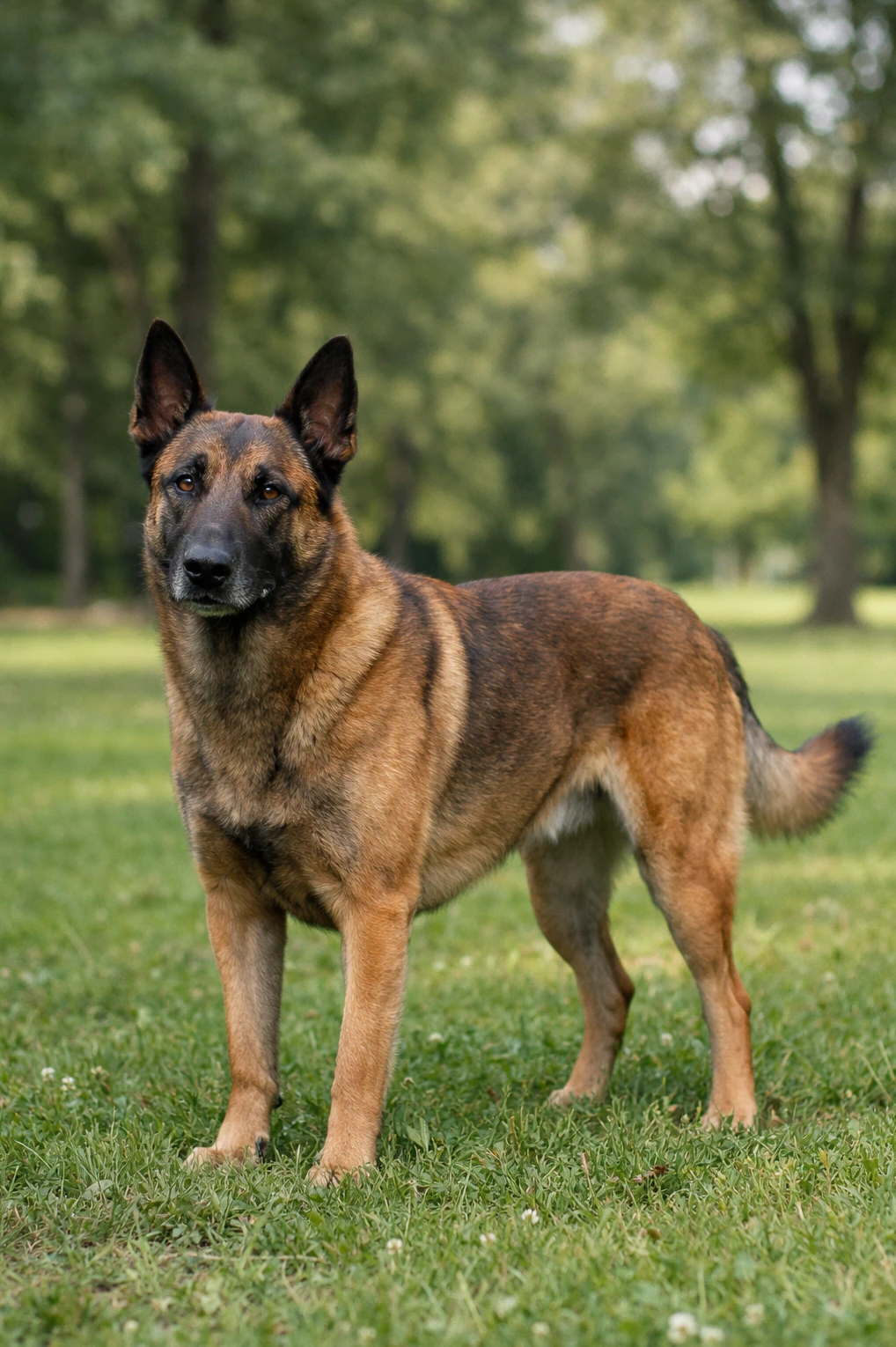
Big, athletic male Malinois stand about 24 to 26 inches and weigh 60 to 80 pounds. Bold, sharp, and industrious, they thrive on a high-protein, high-energy diet. Nutritional verdict: fuel active bodies with quality protein.
Understanding the Belgian Malinois Metabolism and Energy Needs
This nimble shepherd-line dog was developed to move livestock and work long days, so its body favors lean muscle and sustained exertion. That history means diets should emphasize high-quality protein to support muscle repair and preserve a muscular frame.
Healthy fats act as concentrated fuel and help maintain quick reactions and alertness, so including omega-3 rich oils supports cognitive function and soothes joints. Fat also aids absorption of fat-soluble vitamins that protect active tissues.
Carbohydrates should come from slow-burning sources like sweet potato or oats to provide steady energy rather than spikes and crashes. Moderate fiber supports digestion and a stable gut, which matters for a driven, energetic companion.
Targeted supplements such as glucosamine for joint resilience and DHA for brain health make sense for a vigorous, attentive worker. B vitamins and antioxidants round out support for energy metabolism and recovery after intense activity.
Managing Belgian Malinois Genetic Health Risks Through Nutrition
Hip and Elbow Dysplasia
Helpful nutrients
Eye Problems
Helpful nutrients
Ear Infections
Helpful nutrients
Dental Disease
Helpful nutrients
Obesity
Helpful nutrients
Belgian Malinois Feeding & Calorie Calculator
Estimated Daily Calories
Tip: Start with this amount and adjust after 2–3 weeks based on your dog's body condition and weight trend.
This estimate provides a starting point for feeding. Individual calorie needs may vary depending on metabolism, body condition, and health status. Always monitor your dog's weight and consult your veterinarian when adjusting diet.
Foods and Ingredients to Avoid for Belgian Malinois Dogs
Belgian Malinois can carry weight if treats and table scraps add up, so very high-fat foods are best avoided.
High-fat meals and greasy human snacks raise calorie intake quickly and can trigger pancreatitis, a painful inflammation that needs veterinary care.
Keeping fat at moderate levels supports healthy weight and eases pressure on hips and elbows, which is important for a 60 to 80 pound working-breed dog.
Choose lean proteins and measured treats to keep your dog fit and active.
Xylitol, often found in sugar-free gum, mints, baked goods, and some nut butters, is extremely toxic to dogs and can cause a dangerous drop in blood sugar and liver damage.
Even small amounts can be life threatening, so always check ingredient lists and keep such products well out of reach.
Other artificial sweeteners and sugar substitutes can also upset digestion or add unnecessary calories, complicating weight management for a breed that can gain weight without careful portioning.
Grapes and raisins can cause sudden kidney failure in dogs, and onions and garlic can damage red blood cells leading to anemia.
These ingredients can be present in unexpected places, like baked goods, baby food, or restaurant leftovers, so be cautious before sharing human food.
Because Malinois are active and rely on steady health, preventing exposure to these common toxins helps avoid serious illness and keeps them ready for walks, training, and play.
Whole raw bones may seem natural, but they can splinter and cause choking, mouth or intestinal injuries, or obstructions that require emergency surgery.
Raw diets can also carry bacteria like Salmonella and Campylobacter, posing risk to your dog and to people in the household.
If you are considering raw feeding or bone treats for a Belgian Malinois, discuss safe options, sourcing, and handling with your veterinarian to reduce injury and infection risks.
Large-breed puppies, including Belgian Malinois, need controlled calcium and calorie intake to support steady, healthy bone and joint development.
Too much calcium or too many calories can cause rapid growth and contribute to developmental orthopedic issues such as hip or elbow problems.
Follow breeder and veterinarian guidance on puppy formulas and portion sizes, and avoid indiscriminate supplementing unless a vet has recommended it for a specific reason.
Diets that replace grains with large amounts of peas, lentils, chickpeas, or other legumes have been linked in some cases to dilated cardiomyopathy in dogs.
While the research is ongoing, it is wise to be cautious with long-term exclusive use of legume-dominant grain-free formulas, especially for an active breed that needs reliable cardiac health.
When choosing food for your Malinois, look for balanced recipes, consider rotating proteins under veterinary guidance, and have regular checkups to monitor heart and overall health.
How Nutritional Needs Change Throughout the Belgian Malinois Life Stages
Dogs need different nutrition at puppyhood, adulthood, and in their senior years, because their bodies and activity levels change as they age. For a working, large-breed dog like the Belgian Malinois, growth rate, high daily activity, and breed-specific health tendencies influence what to feed at each stage. Tailoring food to life stage helps support growth, maintain muscle and energy, and protect joints and long-term health.
| Life Stage | Age Range | Primary Objective | Key Nutrient Focus |
|---|---|---|---|
| Puppy | 0–15 months | controlled skeletal development, immune support, brain development | DHA, balanced calcium/phosphorus, high-quality protein |
| Adult | 1.5–6 years | lean muscle maintenance and sustained energy | high-quality protein, omega-3 fatty acids, fiber |
| Senior | 6+ years | joint mobility, metabolic health, and cognitive support | glucosamine, chondroitin, antioxidants, lower calories |
As large, fast-growing dogs, Belgian Malinois puppies require a carefully balanced plan to support steady growth without stressing developing bones and joints. Controlled calorie intake and feeding a large-breed puppy formula help manage growth rate and reduce risk of hip and elbow dysplasia. Offer three to four smaller meals daily until about six months, then transition to two meals, keeping portions steady rather than one large feeding.
Focus on high quality animal protein for lean muscle, appropriate calcium and phosphorus ratios for skeletal development, DHA for brain and vision, and omega-3 fats to help inflammation. Avoid excessive supplements unless directed by your veterinarian, and begin gentle dental and ear care habits early to prevent problems later.
Adult Belgian Malinois are athletic and hardworking, so their diet should support sustained energy and lean muscle mass. Aim for high quality animal protein to preserve muscle, with moderate to higher fat for energy if your dog has an active working life. Balance calories to match daily workload, increasing portions on heavy training or working days and reducing them during rest periods.
Include joint-support nutrients like omega-3s and consider foods with added glucosamine if recommended by your veterinarian. Maintain regular feeding times to support training, keep fresh water available, and monitor body condition closely to avoid unintended weight gain that can stress hips and elbows. Regular dental and ear checks remain important for overall wellbeing.
As Belgian Malinois enter their senior years, metabolism and activity often slow, while joint wear and digestion can change. Adjust calories to match lower energy needs to prevent weight gain, while keeping protein high quality to help preserve muscle mass.
Prioritize joint support with omega-3 fatty acids, glucosamine, and chondroitin to ease mobility and protect hips and elbows. Include antioxidants such as vitamin E and beta-carotene to support eye health and overall cellular health, given the breed's predisposition to certain eye issues.
Gentle fiber increases and highly digestible ingredients can aid digestion, while smaller, more frequent meals may suit dogs with dental wear. Continue monitoring weight, mobility, ears, and teeth, and consult your veterinarian for tailored supplements or diet changes.
Kibble vs Fresh vs Raw for Belgian Malinois
Different feeding models suit different lifestyles, energy needs, and training goals. For a Belgian Malinois, activity level, joint health, and working demands should guide your choice.
Pros
- Convenient for busy handlers and easy to portion for training.
- Many formulas offer high protein for muscle maintenance.
- Kibble variants with joint support help long-term hip and elbow health.
- Dry texture can aid dental health when chewed.
Cons
- Can be calorie-dense and promote weight gain if inactive.
- Some brands include fillers or low-quality ingredients.
- Lower moisture content may require extra water intake.
- Picky working dogs may find certain formulas less appealing.
Pros
- Very palatable, helpful for picky or recovering dogs.
- High moisture helps hydration during heavy activity days.
- You control ingredient quality and avoid unwanted additives.
- Easier to add supplements for joints and recovery.
Cons
- Requires careful balancing to meet all vitamin and mineral needs.
- Time-consuming and requires consistent meal prep.
- More expensive over time compared to standard kibble.
- Needs refrigeration and careful storage for food safety.
Pros
- High protein and natural fats support lean muscle and stamina.
- Some owners see shinier coats and higher energy levels.
- Less processed ingredients may appeal to working dogs.
- Easily adjustable portions for intense training days.
Cons
- Higher bacterial contamination risk without strict hygiene.
- Bones can present choking or dental fracture hazards.
- Balancing calcium and micronutrients is challenging at home.
- May be impractical for handlers who travel or train often.
- Veterinary support is essential to avoid nutritional gaps.
| Diet Type | Pros for Belgian Malinois | Potential Downsides |
|---|---|---|
| High-Quality Kibble |
|
|
| Fresh Cooked Food |
|
|
| Raw Diet (BARF) |
|
|
Our Recommendation
For most Belgian Malinois, a high-quality, nutrient-dense kibble formulated for active dogs or a vet-supervised fresh cooked plan tends to work best.
Raw feeding can suit experienced owners who follow strict hygiene and professional guidance, but it requires more oversight.
See Also
Breeds with similar group, size, and coat characteristics