Best Dog Food for Belgian Laekenois in 2026Based on Nutritional Science
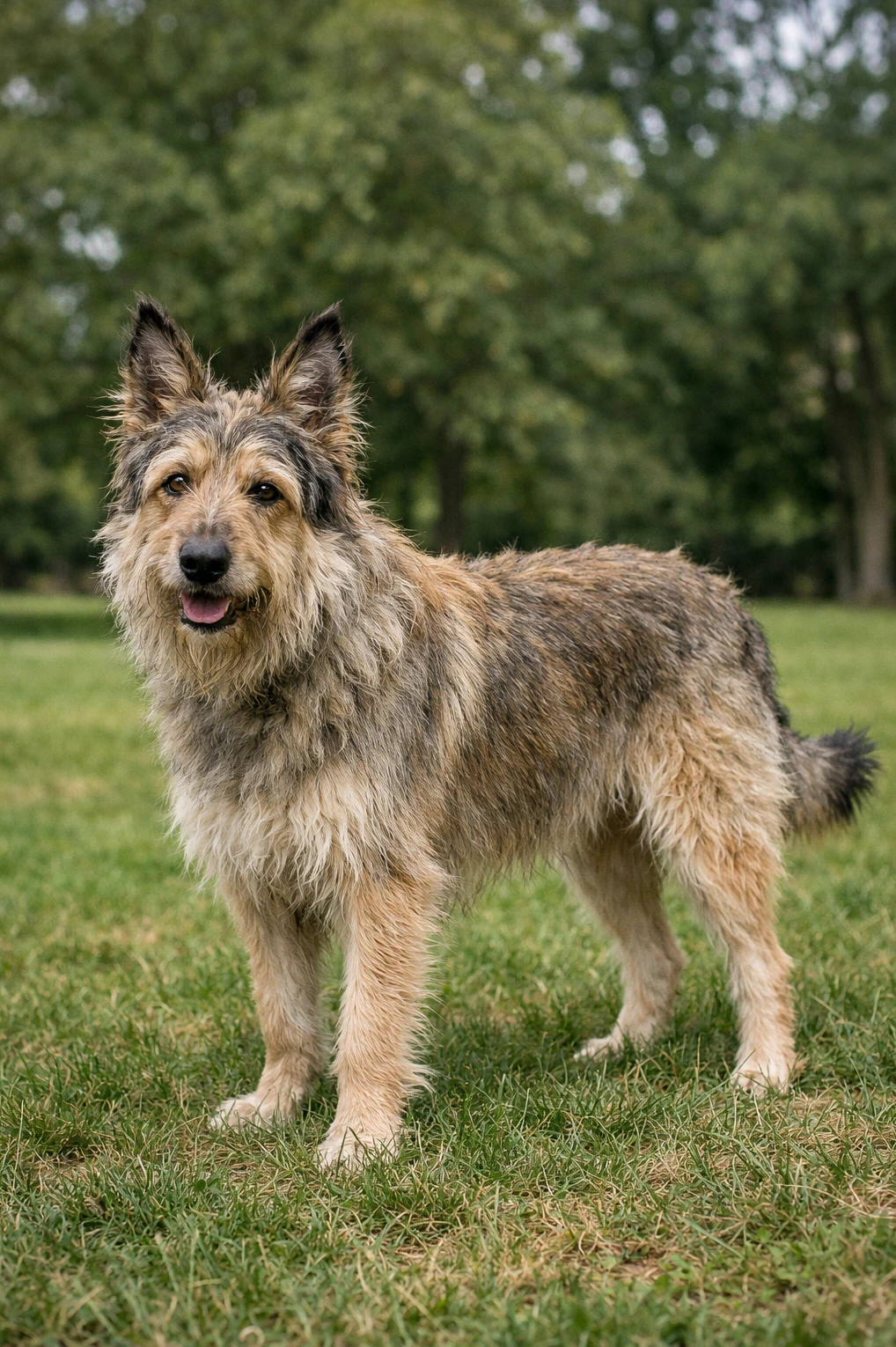
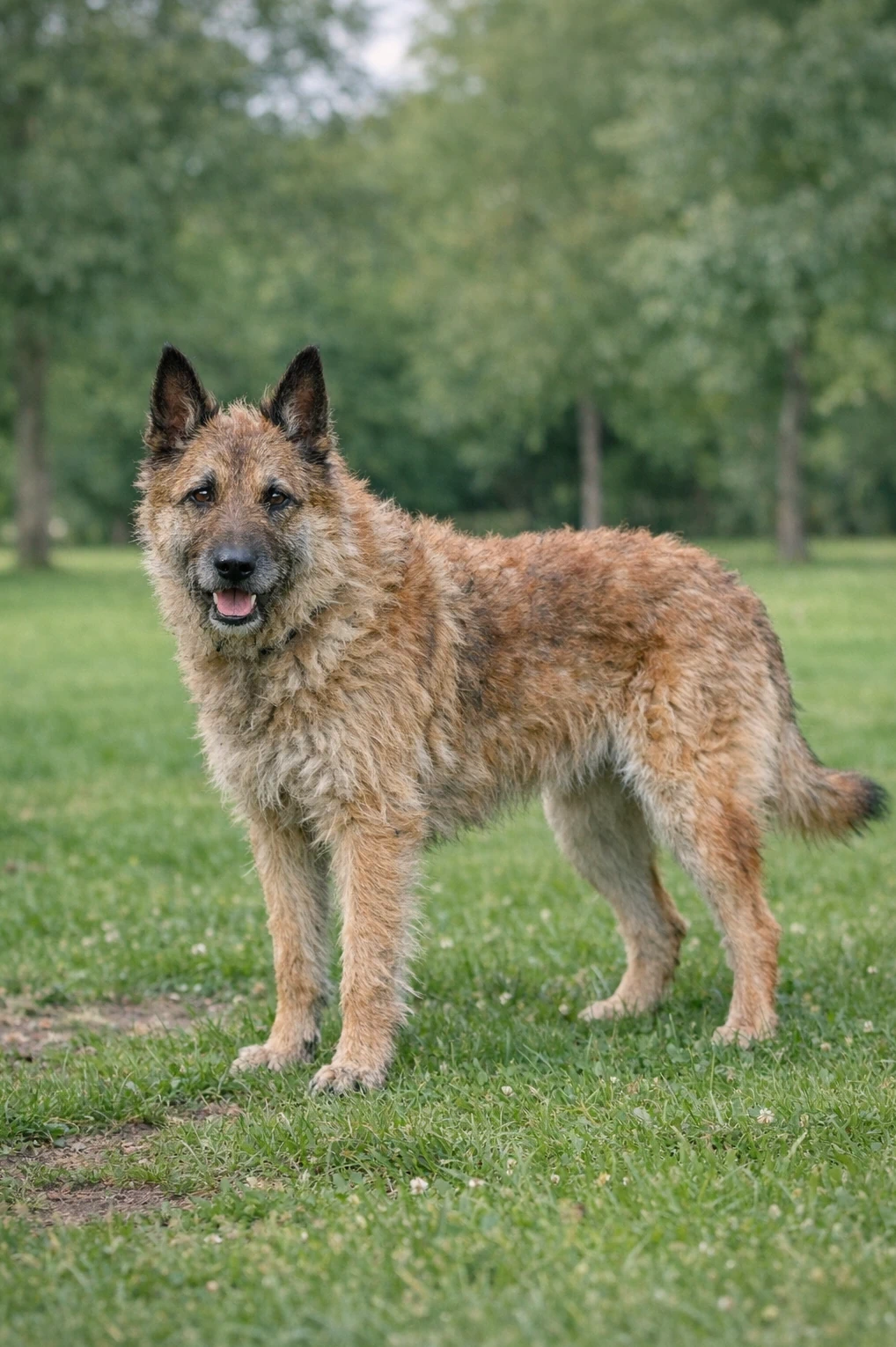
Large, muscular dog at about 24-26 inches and 55-65 pounds, watchful, bright, and devoted. Nutritional verdict: feed balanced, protein-rich meals with consistent portions to maintain energy and healthy coat and condition.
Understanding the Belgian Laekenois Metabolism and Energy Needs
Built to manage livestock, these dogs need a diet that fuels quick bursts, long days, and mental focus. Their active, quick-thinking nature and close bonds with people mean they require nutrients for both body and brain.
Lean, high-quality animal protein is essential to keep fast-twitch muscles strong and to support recovery after work or play. Healthy fats provide sustained fuel and support cognitive sharpness, especially omega-3s such as EPA and DHA for joint comfort and skin and coat health.
Complex carbohydrates from vegetables and whole grains give steady energy without sugar spikes, and targeted supplements like glucosamine, chondroitin, and antioxidants help protect joints and cognition as they age. A moderate calorie plan that preserves leanness while meeting activity needs is ideal, and splitting meals keeps energy even and concentration steady.
Managing Belgian Laekenois Genetic Health Risks Through Nutrition
Ear Infections
Helpful nutrients
Dental Health (Tartar and Gum Disease)
Helpful nutrients
Overweight & Obesity
Helpful nutrients
Belgian Laekenois Feeding & Calorie Calculator
Estimated Daily Calories
Tip: Start with this amount and adjust after 2–3 weeks based on your dog's body condition and weight trend.
This estimate provides a starting point for feeding. Individual calorie needs may vary depending on metabolism, body condition, and health status. Always monitor your dog's weight and consult your veterinarian when adjusting diet.
Foods and Ingredients to Avoid for Belgian Laekenois Dogs
Rich, fatty table scraps and very high-fat diets can quickly add calories to a Belgian Laekenois's daily intake, and some individuals are prone to gaining weight.
Excess body weight stresses their joints and can reduce stamina for the long walks and play sessions this active breed enjoys.
High-fat meals can also increase the risk of digestive upsets and pancreatitis, a painful condition.
Keep meals balanced with lean proteins and moderate healthy fats, and check portion sizes with your veterinarian to protect long-term health.
Treats are wonderful for training and bonding, but overdoing them is an easy path to obesity in a medium to large dog like the Laekenois.
Extra calories from snacks can add up faster than you expect and contribute to weight gain that affects mobility and overall wellbeing.
Use low-calorie rewards and factor treats into daily calorie totals.
Reserve higher-calorie bites for special occasions and work with your vet to set a target weight and sensible treat limits for your dog.
Certain common human foods are unsafe for dogs and should never be offered.
Chocolate, grapes and raisins, onions and garlic, and products containing xylitol can cause serious illness, from digestive distress to life-threatening problems with the heart or liver.
A curious Laekenois that grazes at the table or counter can be at real risk.
Store hazardous foods securely and teach family members and guests not to share human snacks. If ingestion occurs, contact your veterinarian or emergency clinic right away.
Some grain-free diets substitute grains with large amounts of peas, lentils, chickpeas, or other legumes, and research has linked certain formulations to heart muscle problems in some dogs.
Because Belgian Laekenois are a medium to large breed with active lifestyles, maintaining good cardiac health is important for their endurance and longevity.
Talk with your veterinarian before choosing a grain-free formula, and prefer foods backed by clinical nutrition research.
Regular checkups and heart screening are sensible if you feed high-legume diets.
Laekenois puppies grow relatively quickly and need a balanced, age-appropriate diet designed for large-breed development.
Excess calcium or calories in homemade or inappropriate puppy formulas can lead to overly rapid growth, which places undue stress on developing joints and can increase the risk of orthopedic problems.
Follow a veterinarian's guidance on puppy nutrition, choose a reputable large-breed puppy diet when recommended, and avoid supplementing calcium unless specifically directed by your vet.
How Nutritional Needs Change Throughout the Belgian Laekenois Life Stages
Like people, dogs have changing nutritional needs as they move from puppyhood to adulthood and into their senior years. Belgian Laekenois require diets that reflect their breed's growth rate, large-frame development, activity level, and any common health tendencies. Tailoring calories, protein, and key nutrients helps support healthy bones, a glossy wiry coat, and steady energy across life stages.
| Life Stage | Age Range | Primary Objective | Key Nutrient Focus |
|---|---|---|---|
| Puppy | 0–15 months | controlled skeletal development, immune support, brain development | DHA, balanced calcium/phosphorus, high-quality protein |
| Adult | 1.5–6 years | lean muscle maintenance and sustained energy | high-quality protein, omega-3 fatty acids, fiber |
| Senior | 6+ years | joint mobility, metabolic health, and cognitive support | glucosamine, chondroitin, antioxidants, lower calories |
Belgian Laekenois puppies grow into a large, athletic dog, so their nutrition should support steady, not rushed, growth. Aim for a puppy formula designed for large breeds with controlled calories and balanced calcium to phosphorus ratios to protect developing bones and joints. Higher protein and calorie density than adult food is important, but avoid overfeeding, and split daily intake into three to four smaller meals to reduce strain on the skeleton and digestive system.
Rich sources of quality animal protein, omega fatty acids for brain and coat health, and DHA for early cognitive development are helpful. Monitor growth rate and body condition, and work with your vet to adjust portions. Regular ear checks and early dental care are good habits to start, since the breed can be active and curious, which affects exercise and feeding plans.
As adults, Belgian Laekenois are large, active dogs that need nutrition to maintain lean muscle and steady energy for training and activity. Choose a complete adult formula with high quality animal protein and moderate healthy fats to support stamina and coat condition. Balanced carbohydrates and fiber help sustain energy without rapid blood sugar swings, while vitamins and minerals support immune function.
Feed typically two measured meals daily and adjust amounts for exercise level, since this alert, intelligent breed may need more calories during heavy work or sport. Monitor body condition score and trim portions if your dog becomes less active. Regular dental care and ear monitoring also support overall health, because good hygiene complements nutritional efforts for long term wellbeing.
As Belgian Laekenois reach their senior years, their metabolism often slows and activity typically decreases, which can lead to weight gain unless calories are adjusted. Aging can also affect digestion and oral health, so highly digestible proteins and moderately reduced calories help maintain muscle without excess fat. Softer or smaller kibble can ease chewing for dogs with dental wear, and increased fiber may support steady digestion.
Joint support becomes more important for a large, active breed, so formulations with omega-3 fatty acids and clinically supported levels of glucosamine and chondroitin can help mobility. Antioxidants such as vitamin E and selenium support cellular health and the immune system as dogs age. Work with your veterinarian to tailor calorie intake and nutrient ratios, monitor weight and mobility, and continue ear and dental care to keep your Laekenois comfortable and active.
Kibble vs Fresh vs Raw for Belgian Laekenois
When it comes to feeding your Belgian Laekenois, different feeding models suit different lifestyles, activity levels, and grooming needs.
This alert, affectionate breed thrives on food that supports energy, lean muscle, and a healthy wiry coat.
Pros
- Convenient and easy to portion for busy owners.
- Consistent nutrient profile supports energy for active days.
- Dry kibble helps keep teeth cleaner between brushings.
- Formulas often include omega fatty acids for a wiry coat.
Cons
- Can be calorie-dense, risking weight gain without careful portioning.
- Some formulas contain fillers or low-quality proteins.
- Lower moisture content may require extra water for hydration.
- Limited ability to tailor ingredients for specific sensitivities.
Pros
- Highly palatable and tempting for picky or active eaters.
- High moisture content supports digestion and hydration.
- Full control over protein sources benefits food-sensitive dogs.
- Easy to adjust calories for work or rest days.
Cons
- Requires careful recipes to ensure complete nutrition.
- More time and expense than feeding kibble regularly.
- Needs refrigeration and planning for meal prep.
- Inconsistent feeding schedules can make prep impractical.
Pros
- Mimics ancestral diet with fresh protein and fats.
- Many owners report shinier coats and higher energy.
- High moisture helps keep active dogs well hydrated.
- Allows tailoring to individual preferences and sensitivities.
Cons
- Demands strict hygiene to prevent bacterial contamination.
- Whole bones can pose choking or tooth risks if mishandled.
- Balancing calcium and micronutrients requires expert guidance.
- Not always practical for multi-dog or busy households.
| Diet Type | Pros for Belgian Laekenois | Potential Downsides |
|---|---|---|
| High-Quality Kibble |
|
|
| Fresh Cooked Food |
|
|
| Raw Diet (BARF) |
|
|
Our Recommendation
For most Belgian Laekenois, a high-quality kibble provides balanced energy and convenience that suits an active lifestyle.
Owners who want more control over ingredients may prefer fresh cooked meals, while raw diets can work but need veterinary guidance and strict hygiene.
See Also
Breeds with similar group, size, and coat characteristics