Best Dog Food for Belgian Tervuren in 2026Based on Nutritional Science
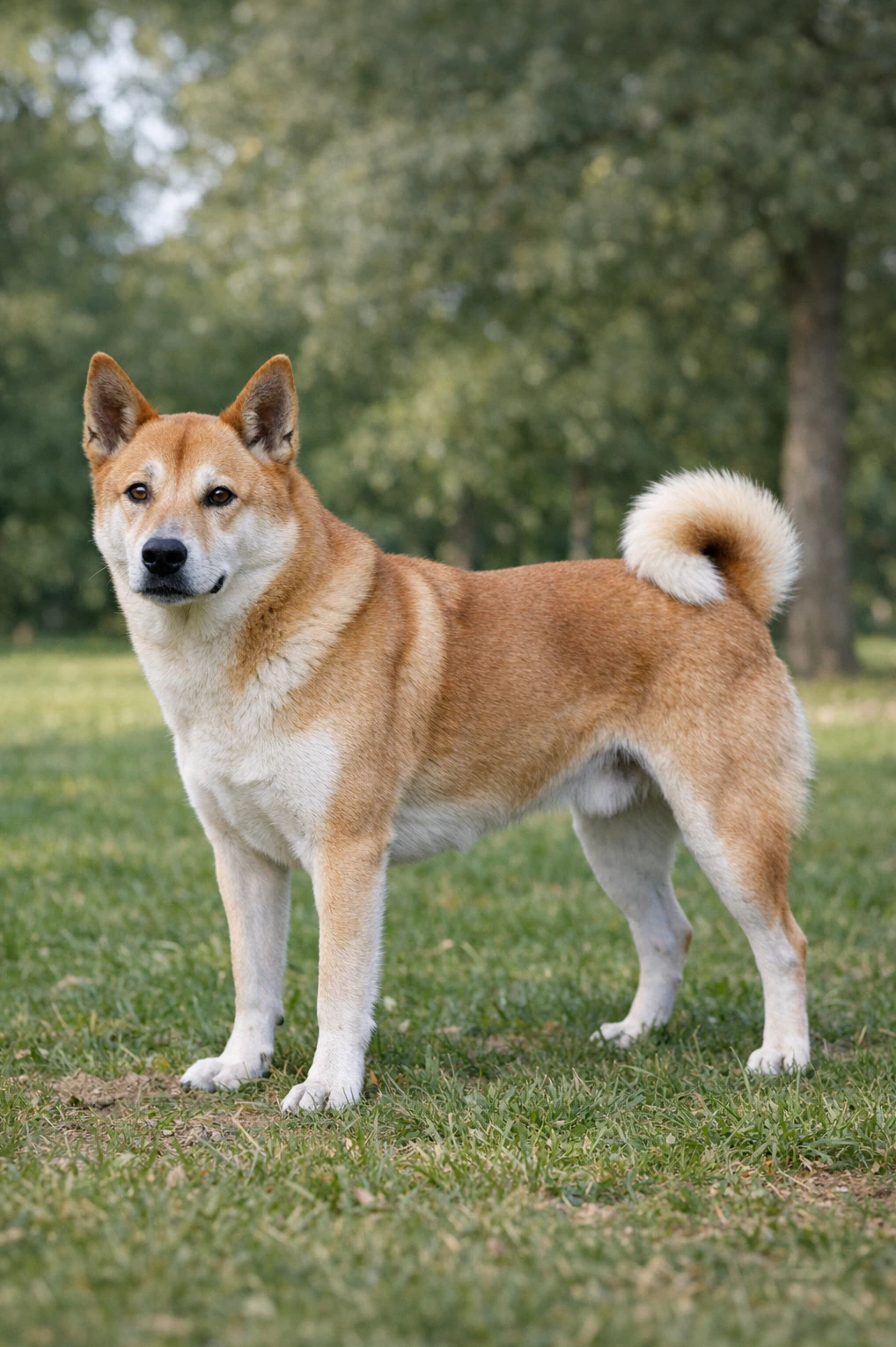
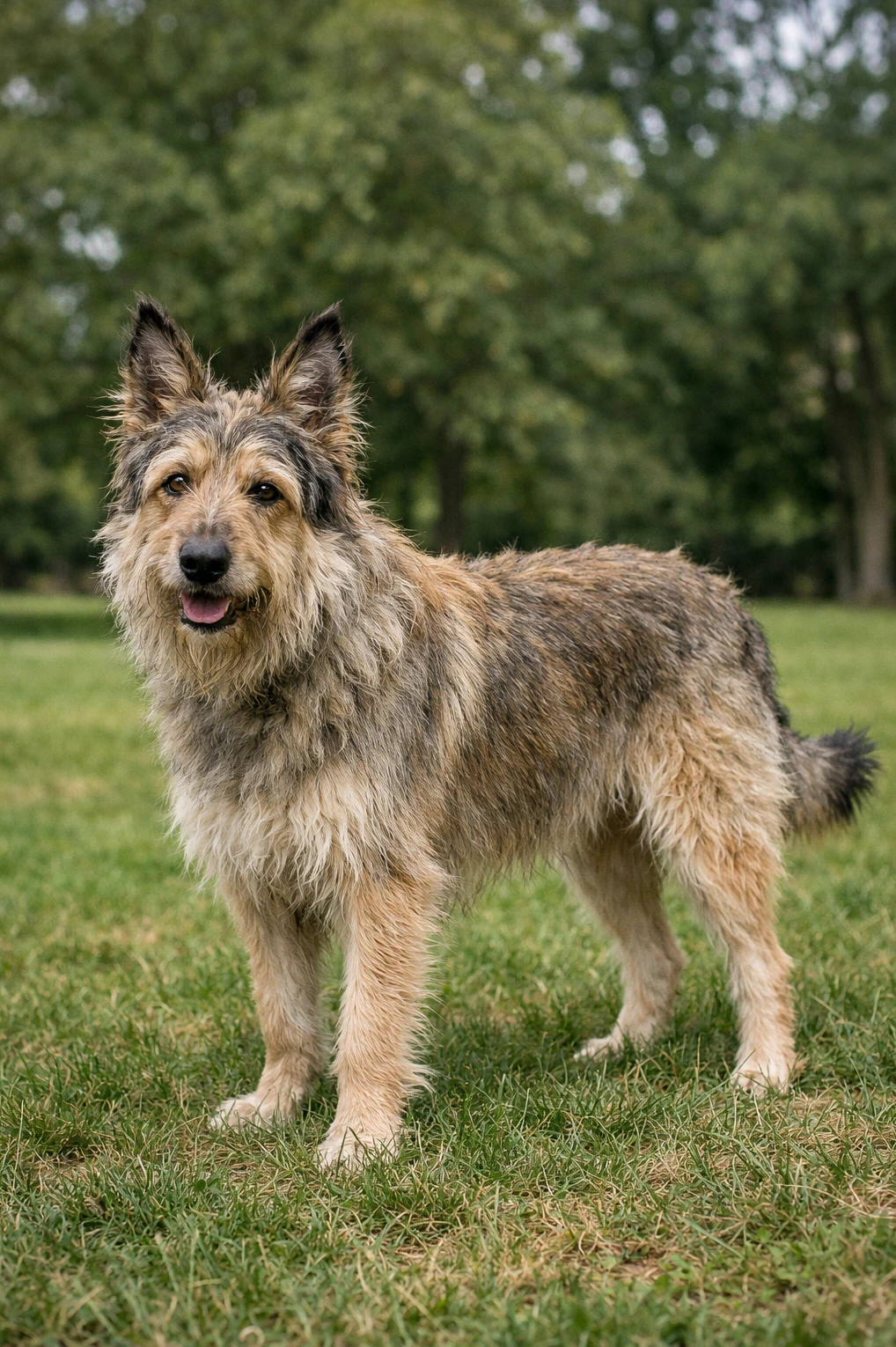
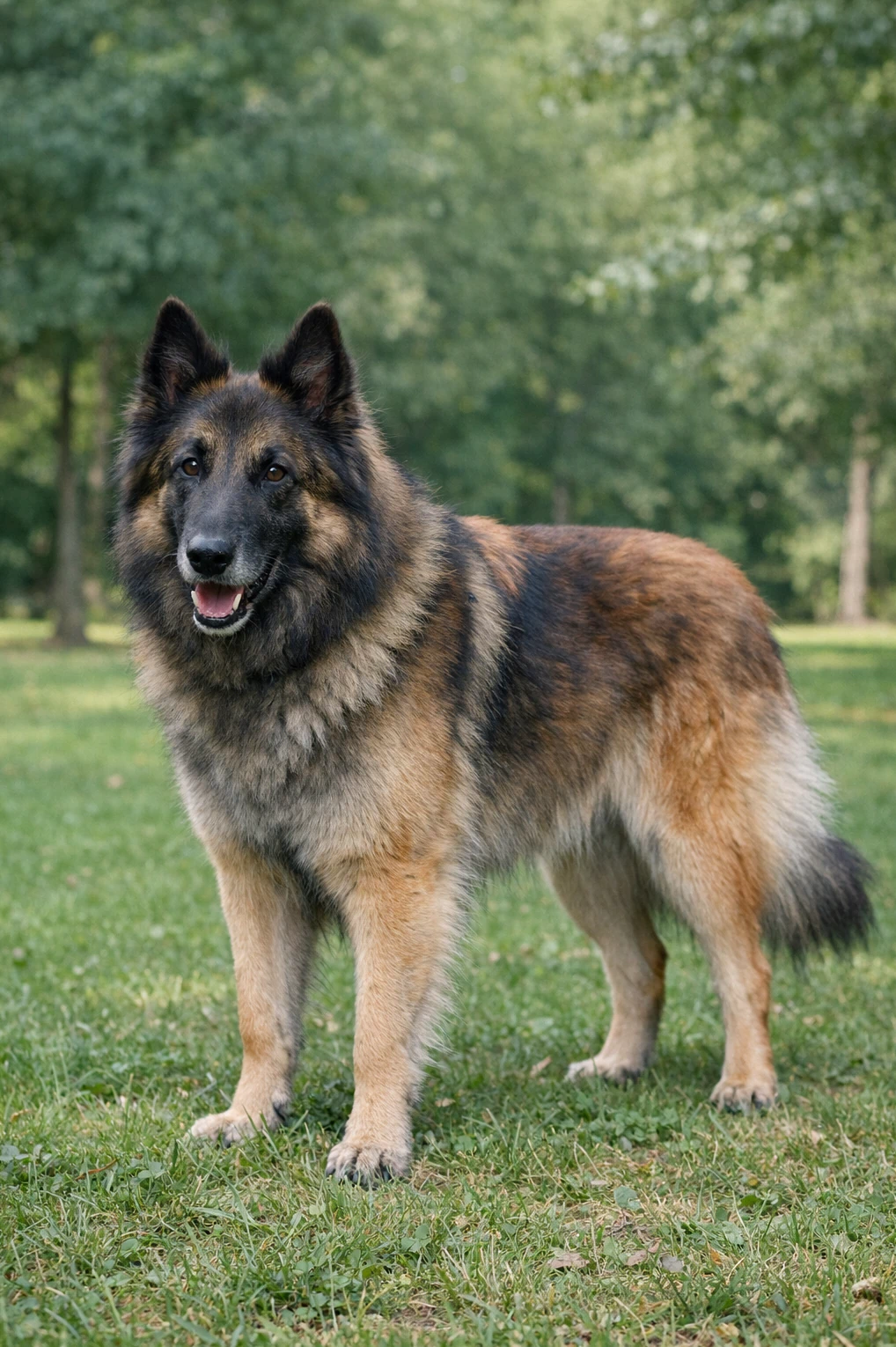
Belgian Tervuren males stand about 24 to 26 inches and weigh 55 to 75 pounds. They are vigilant, clever, and bold. Nutritional verdict: feed a high-protein, balanced diet to support energy and lean muscle.
Understanding the Belgian Tervuren Metabolism and Energy Needs
This shepherd-type dog was developed to move and control livestock, so it combines keen vigilance, quick thinking, and bravery. Those daily drives and fast bursts of motion mean it needs fuel that supports both strong muscles and a sharp mind.
That translates into a diet richer in high-quality protein to maintain lean muscle and support recovery, moderate healthy fats to provide long-lasting energy and brain nutrients such as DHA, and controlled carbohydrates for sustained stamina without weight gain. Think lean meats, eggs, and oily fish alongside whole-food carbs like sweet potato and brown rice for training days.
Because this dog is active and mentally engaged, joint support and cognitive nutrients matter, and supplements like glucosamine, chondroitin, and omega-3s help preserve mobility and focus. Antioxidants and B vitamins support recovery and mental sharpness, and feeding amounts should be matched to daily activity so the dog stays fit and ready for work.
Managing Belgian Tervuren Genetic Health Risks Through Nutrition
Hip and Elbow Dysplasia
Helpful nutrients
Progressive Retinal Atrophy and Cataracts
Helpful nutrients
Epilepsy and Seizure Disorders
Helpful nutrients
Hypothyroidism
Helpful nutrients
Skin and Food Allergies
Helpful nutrients
Bloat (Gastric Dilatation-Volvulus)
Helpful nutrients
Obesity and Weight Management
Helpful nutrients
Belgian Tervuren Feeding & Calorie Calculator
Estimated Daily Calories
Tip: Start with this amount and adjust after 2–3 weeks based on your dog's body condition and weight trend.
This estimate provides a starting point for feeding. Individual calorie needs may vary depending on metabolism, body condition, and health status. Always monitor your dog's weight and consult your veterinarian when adjusting diet.
Foods and Ingredients to Avoid for Belgian Tervuren Dogs
Given the Belgian Tervuren's medium-large, active build and tendency to gain weight if overfed, high-fat foods and fatty table scraps are best avoided.
Rich, greasy meals can trigger pancreatitis and promote excess body fat, which places extra stress on hips and joints over time.
Choose lean protein sources and controlled portions to support muscle and sustained energy without unnecessary fat.
Avoid fried foods, fatty trimmings, and calorie-dense treats that encourage slow, cumulative weight gain and joint strain.
Deep-chested breeds like the Belgian Tervuren have a higher risk of gastric dilatation and volvulus, commonly called bloat, especially when they eat large meals quickly.
Foods that expand or ferment excessively, such as large portions of bread or certain bean-heavy meals, can increase gastric gas and the chance of a life-threatening twist.
Offer two or three measured meals daily and avoid vigorous exercise right after eating. Using portion control and feeding strategies that slow fast eaters helps reduce the risk.
Some grain-free diets that rely heavily on peas, lentils, or other legumes have been associated with heart concerns in some dogs, including dilated cardiomyopathy in susceptible animals.
While research continues, a strong, healthy heart is important for an active, endurance-oriented breed like the Tervuren, so caution is warranted with legume-dense formulas.
Opt for balanced diets with clearly named meat sources and a variety of carbohydrate ingredients, or discuss taurine and cardiac health with your veterinarian if you feed or consider a grain-free product.
For growing Tervuren puppies, excessive calcium and overly calorie-rich diets can accelerate bone growth and contribute to developmental joint issues like hip dysplasia.
Large-breed puppies need formulas with controlled calcium, phosphorus, and moderated calories to support steady skeletal development and avoid abnormal joint stress.
Use a diet specifically labeled for large-breed puppies and follow feeding guidelines closely while monitoring growth rate. Rapid weight gain early in life can create lifelong orthopedic challenges.
Belgian Tervurens can be prone to skin and digestive sensitivities, so limiting artificial preservatives, colors, and flavorings is a sensible move.
Ingredients like BHA, BHT, and certain dyes may trigger itchy skin, ear problems, or upset stomachs in dogs with sensitivities.
Choose foods preserved naturally or with minimal additives, and introduce new diets slowly so you can watch for any changes in coat condition, skin, or digestion that might signal a reaction.
Raw or undercooked meat, eggs, and unprocessed bones carry bacterial and parasitic risks that can make your dog quite sick, and active breeds may decline quickly if infected.
Whole bones can also splinter and cause choking or internal injury for dogs that chew aggressively.
If you are considering a raw diet, work with a veterinary nutritionist to ensure balanced nutrition, safe handling, and testing.
Alternatively, choose reputable commercial diets that meet recognized nutritional standards to reduce risk.
How Nutritional Needs Change Throughout the Belgian Tervuren Life Stages
Dogs have different nutritional requirements during puppyhood, adulthood, and senior years, and these needs shift as they grow and age. Breed growth rate, activity level, and common health tendencies all influence the right calories, feeding schedule, and nutrient balance. For a Belgian Tervuren, a large, active herding breed, tailored feeding supports healthy bones, sustained energy, and long-term joint and cognitive health.
| Life Stage | Age Range | Primary Objective | Key Nutrient Focus |
|---|---|---|---|
| Puppy | 0–15 months | controlled skeletal development, immune support, brain development | DHA, balanced calcium/phosphorus, high-quality protein |
| Adult | 1.5–6 years | lean muscle maintenance and sustained energy | high-quality protein, omega-3 fatty acids, fiber |
| Senior | 6+ years | joint mobility, metabolic health, and cognitive support | glucosamine, chondroitin, antioxidants, lower calories |
Belgian Tervuren puppies grow quickly during the first year, moving from rapid bone and muscle development into a slower, more refined adult build. Because they are a large, active breed, controlled steady growth is important to reduce stress on developing joints and lower the risk of hip or elbow problems.
Young Tervurens do well on a large-breed puppy formula that balances calories for steady growth, with measured calcium and phosphorus to support skeletal development without excess. Feed smaller, frequent meals, typically three to four times a day when very young, transitioning to two to three by six months, so energy is steady and digestion remains comfortable. Focus on high-quality animal protein for muscle, DHA for brain and vision, and antioxidants for immune support, while monitoring body condition closely to prevent too rapid weight gain.
As an adult, a Belgian Tervuren needs a diet that supports lean muscle, sustained energy, and mental sharpness. High-quality animal protein, moderate healthy fats, and appropriate calories help maintain stamina for herding and agility activities, while avoiding excess weight that stresses the joints.
Choose a balanced adult formula for large active breeds, with protein around 22 to 26 percent and fat in a moderate range to match activity, adjusting portions after exercise days. Include omega-3 fatty acids for skin and coat and consider joint-supporting nutrients if you notice stiffness. Monitor body condition and activity level, and work with your veterinarian to tweak calories and macronutrients as your dog's workload or lifestyle changes.
Senior Belgian Tervurens often experience a gradual slowdown in metabolism and a drop in overall activity, with mobility issues sometimes emerging due to joint wear or arthritis. Calorie needs commonly decline, so reducing energy intake while keeping protein high helps preserve lean muscle and a healthy weight.
Choose a senior or controlled-calorie formula rich in high-quality protein, with added joint-support nutrients like glucosamine, chondroitin, and omega-3s to support cartilage and reduce inflammation. Add antioxidants such as vitamin E and beta-carotene to support aging cells, and more soluble fiber to help digestion if stools become soft or slower to pass. Keep mealtimes regular, monitor body condition and mobility, and consult your veterinarian about supplements, dental care, and any tailored dietary adjustments.
Kibble vs Fresh vs Raw for Belgian Tervuren
Different feeding models suit different lifestyles and routines. For an alert, active Belgian Tervuren, pick a diet that supports sustained energy, lean muscle, and a healthy double coat.
Pros
- Convenient and easy to portion for busy owners.
- Formulated options support active, working breeds' energy needs.
- Consistent calories help maintain lean muscle with regular exercise.
- Dry texture can aid dental health through chewing.
Cons
- Lower moisture content may not suit dogs that drink little.
- Some formulas include fillers or lower quality ingredients.
- Calorie-dense options risk weight gain without strict portion control.
- May require supplements for optimal coat and joint support.
Pros
- Highly palatable, good for picky or performance dogs.
- High moisture supports hydration and kidney health.
- Easy to control ingredient quality for allergies or sensitivities.
- Can be tailored to energy and coat needs with vet guidance.
Cons
- Requires time for preparation and reliable recipes.
- Nutrition can be unbalanced without proper supplementation.
- More expensive and needs refrigeration or frequent cooking.
Pros
- High protein profile can support muscle and energy levels.
- Some owners report improved coat condition and vitality.
- Can be customized to performance and activity demands.
Cons
- Risk of bacterial contamination requires strict hygiene.
- Balancing calcium and nutrients is challenging without guidance.
- Raw bones can pose choking or dental risks if not appropriate.
- May be impractical for busy owners due to prep and cost.
| Diet Type | Pros for Belgian Tervuren | Potential Downsides |
|---|---|---|
| High-Quality Kibble |
|
|
| Fresh Cooked Food |
|
|
| Raw Diet (BARF) |
|
|
Our Recommendation
Many Belgian Tervuren do well on high-quality kibble formulated for active, working breeds, offering convenience and balanced nutrition.
Fresh cooked diets suit owners who plan meals carefully for coat and digestion, while raw diets can work only with strict hygiene and veterinary guidance.
See Also
Breeds with similar group, size, and coat characteristics