Best Dog Food for Berger Picard in 2026Based on Nutritional Science
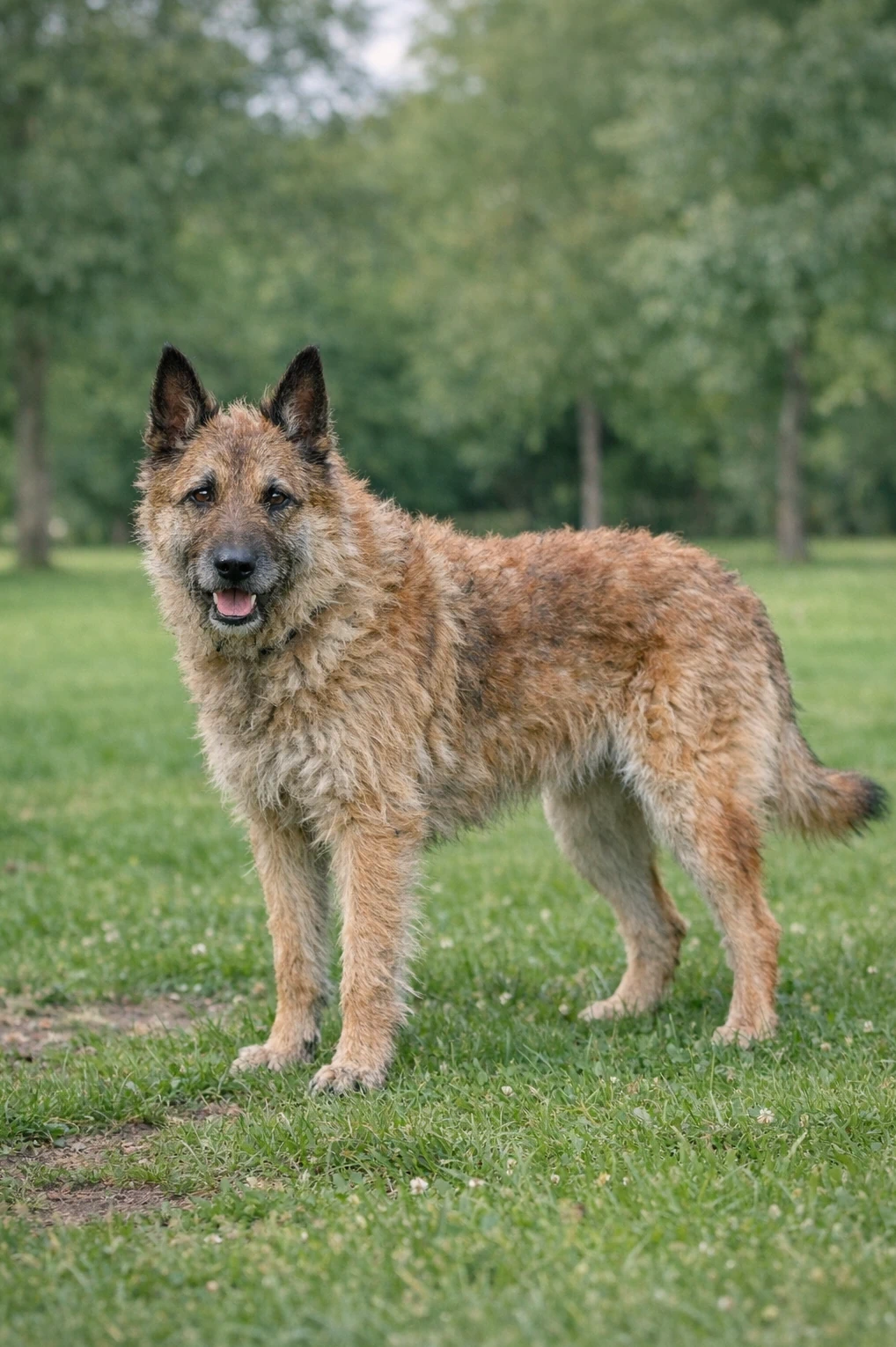
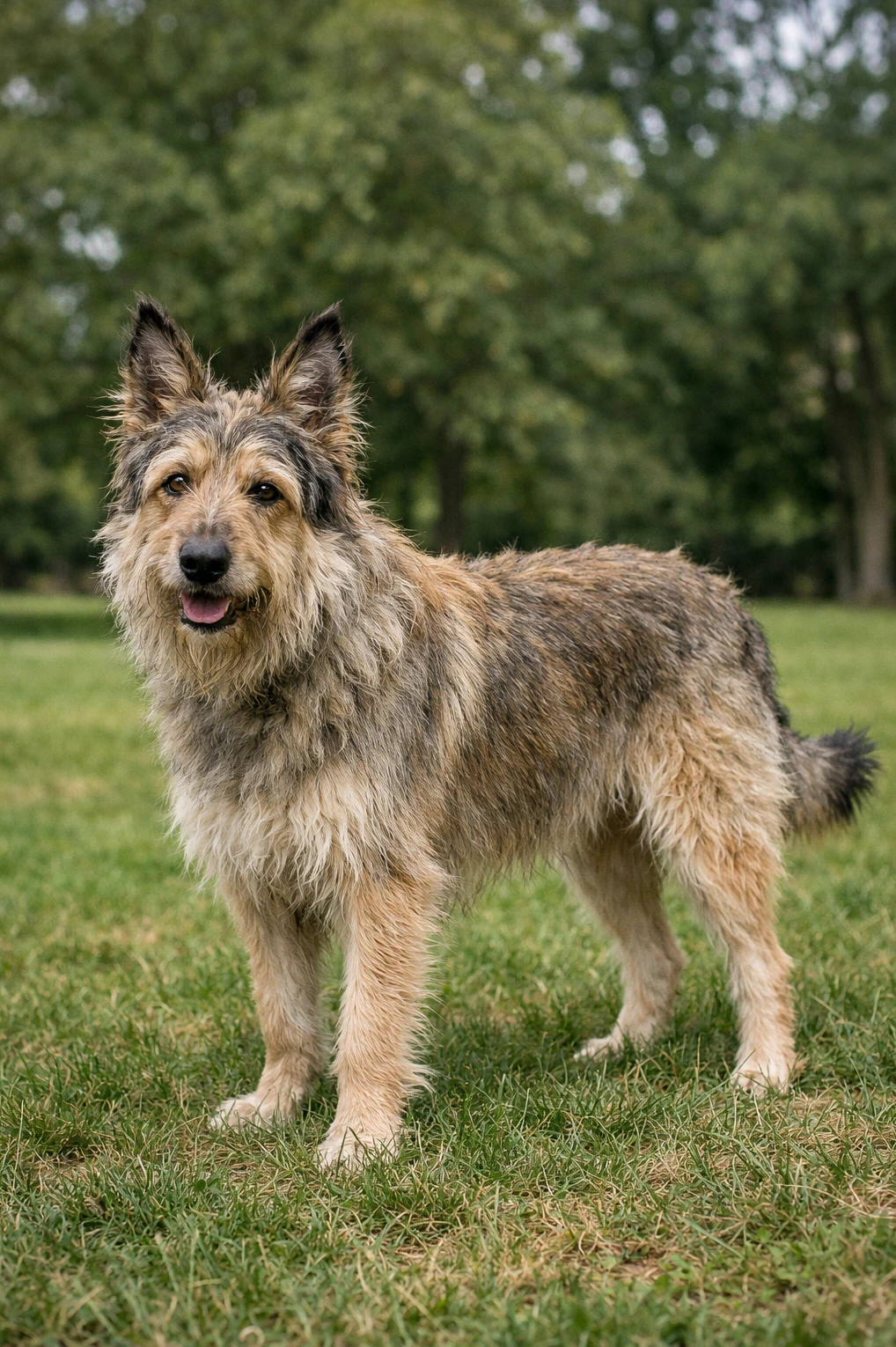
Mid sized Berger Picard males stand about 23.5 to 25.5 inches and weigh 50 to 70 pounds, devoted and amiable yet alert. Nutritional Verdict: active, lean muscle diet with quality protein and balanced fats.
Understanding the Berger Picard Metabolism and Energy Needs
The Berger Picard comes from a history of guiding and moving livestock, so its diet should support steady stamina and quick bursts of activity. Because these dogs are devoted, friendly, and highly attentive, their meals must fuel both body and brain.
Lean, high-quality protein preserves muscle tone for long walks and sudden sprints, with poultry, lamb, or fish as main sources. Moderate healthy fats provide energy and keep the coarse coat glossy and the skin healthy. Complex carbs like sweet potato or oats give steady glucose and useful fiber for focus.
Omega-3 oils support skin, coat, and brain health, while glucosamine helps protect agile joints. Probiotics ease digestion after activity and antioxidants help mental sharpness. Balanced calories prevent excess weight while matching the Picard's energetic, thoughtful nature.
Managing Berger Picard Genetic Health Risks Through Nutrition
Obesity
Helpful nutrients
High energy and muscle maintenance
Helpful nutrients
Inadequate life-stage nutrition
Helpful nutrients
Unbalanced home-prepared diets
Helpful nutrients
Unsafe human foods and treat overfeeding
Helpful nutrients
Dehydration
Helpful nutrients
Berger Picard Feeding & Calorie Calculator
Estimated Daily Calories
Tip: Start with this amount and adjust after 2–3 weeks based on your dog's body condition and weight trend.
This estimate provides a starting point for feeding. Individual calorie needs may vary depending on metabolism, body condition, and health status. Always monitor your dog's weight and consult your veterinarian when adjusting diet.
Foods and Ingredients to Avoid for Berger Picard Dogs
Berger Picards are active and muscular, but some individuals are prone to putting on extra weight.
High-fat table scraps and rich foods add calories quickly, and those extra pounds can stress joints and the spine on a 50 to 70 pound frame.
Fatty meals can also trigger pancreatitis, which is painful and requires veterinary care.
Keep meals lean and balanced, and offer only vet-approved treats so your Picard stays fit and energetic without unnecessary fat.
Treats are wonderful for training, but overly large or calorie-dense rewards can undo a careful diet.
A Berger Picard may burn lots of energy, yet is still susceptible to weight gain, and excess weight can make everyday movement harder and increase long-term joint wear.
Choose small, low-calorie training treats or break larger treats into tiny pieces, and track daily calories so you maintain a healthy weight for your dog's size and activity level.
Cooked bones, including leftover chicken or pork bones, can splinter when chewed and cause cuts, choking, or intestinal blockages.
Berger Picards have strong jaws, so a sharp fragment can do more damage if they chew vigorously.
Raw bones carry bacterial risks, and large marrow bones can be calorie-dense.
If you want to offer bones, discuss safe options and supervision with your veterinarian to avoid dental breaks or gastrointestinal emergencies.
Some grain-free diets replace grains with large amounts of peas, lentils, and other legumes, and research has linked certain formulations to heart issues in susceptible dogs.
While the science is still evolving, feeding a diet heavily reliant on legumes may raise concerns about taurine-related heart health for medium to large breeds.
Talk with your veterinarian before choosing a grain-free food, and consider diets backed by long-term research or those that include cardiac health screening if you prefer legume-rich recipes.
Berger Picards can be sensitive to skin and digestive irritants, and artificial preservatives, colors, or strong flavorings sometimes contribute to itchy skin or tummy upset.
Ingredients like BHA, BHT, and some synthetic dyes may aggravate sensitivities in dogs with delicate coats or stomachs.
Opt for foods preserved naturally or with minimal additives, and monitor your dog's skin and digestion after switching foods so you can spot any reactions early and adjust accordingly.
Several common human foods are outright dangerous for dogs, including chocolate, grapes and raisins, xylitol-sweetened items, onions, garlic, and macadamia nuts.
These can cause vomiting, diarrhea, low blood sugar, liver damage, or life-threatening reactions, and the effect is not always dose-dependent for a 50 to 70 pound dog.
Keep these foods well out of reach, teach household members not to share snacks, and contact your veterinarian or emergency clinic immediately if accidental ingestion occurs.
How Nutritional Needs Change Throughout the Berger Picard Life Stages
Dogs need different nutrition during puppyhood, adulthood, and their senior years, and those needs change as their bodies and lifestyles change. Breed growth rate, activity level, and common health tendencies all influence how much and what type of food is best. For a Berger Picard, a large, wiry-coated and loyal companion, those factors guide calories, protein, and nutrient timing to support strong bones, a healthy coat, and steady energy throughout life.
| Life Stage | Age Range | Primary Objective | Key Nutrient Focus |
|---|---|---|---|
| Puppy | 0–15 months | controlled skeletal development, immune support, brain development | DHA, balanced calcium/phosphorus, high-quality protein |
| Adult | 1.5–6 years | lean muscle maintenance and sustained energy | high-quality protein, omega-3 fatty acids, fiber |
| Senior | 6+ years | joint mobility, metabolic health, and cognitive support | glucosamine, chondroitin, antioxidants, lower calories |
Berger Picard puppies grow into a large-frame dog, usually filling out over a slower, steady period that can extend up to 12 to 18 months. That steady growth means avoiding excessive calories and too much supplemental calcium, because rapid early growth can strain developing joints and bones.
Feed smaller, more frequent meals when they are young, moving from three or four feedings a day to two by around six months, and match portion sizes to activity. Emphasize high-quality protein for muscle, balanced calcium and phosphorus for skeletal development, DHA for brain and eye health, and omega fatty acids to keep their wiry coat healthy. Since Picards are observant and lively, watch weight and energy closely and adjust food to prevent excess body fat while still supporting steady growth.
As adults, Berger Picards need nutrition that helps preserve lean muscle and provides steady energy for daily walks, play, and any light work or training they enjoy. A diet with digestible, high-quality protein and moderate healthy fats supports muscle maintenance and stamina, while balanced carbohydrates and fiber aid digestion and consistent energy levels.
Adjust calories to match each dog’s lifestyle, providing more for active, working Picards and less for those who are more sedentary. Include omega fatty acids for skin and coat health and consider joint-supporting nutrients in maintenance diets, because keeping weight in a healthy range reduces stress on a large frame and helps maintain mobility over the long term.
As Berger Picards enter their senior years, metabolism often slows and activity usually decreases, which can reduce calorie needs while muscle maintenance remains important. Older dogs may have changes in digestion and dental health, so highly digestible proteins and slightly smaller or softened kibble can make eating easier, while keeping protein high helps preserve muscle mass.
Support aging joints with glucosamine, chondroitin, and omega-3 fatty acids, and include antioxidants such as vitamin E to support immune health. Monitor weight and body condition carefully, adjust calories to prevent excess fat that stresses joints, and work with your veterinarian to tailor a senior feeding plan that keeps your Picard comfortable and active as they age.
Kibble vs Fresh vs Raw for Berger Picard
Different feeding models suit different lifestyles and dog needs. For a Berger Picard, size, activity level, and wiry coat help guide the best choice.
Pros
- Convenient and easy to portion for busy owners.
- Formulas exist for active, large-breed dogs with joint-support ingredients.
- Dry texture can help reduce tartar on teeth.
- Typically shelf-stable and cost-effective for larger appetites.
Cons
- Some brands use fillers that may add unnecessary calories.
- Lower moisture content may not suit dogs that drink less.
- Less control over specific ingredient quality compared with fresh diets.
- Switching brands can upset sensitive stomachs without gradual transition.
Pros
- Highly palatable, great for picky Berger Picards.
- High moisture supports hydration and gentler digestion.
- You control ingredient quality and protein sources.
- Can be tailored for coat health and activity level.
Cons
- Requires careful balancing to meet all nutrient needs.
- More time consuming and often more expensive than kibble.
- Needs refrigeration and safe handling to avoid spoilage.
- Skipping supplements can leave gaps in joint or vitamin needs.
Pros
- High-protein, minimally processed diet appealing to active dogs.
- Some owners report shinier coats and improved energy.
- Can be tailored to a Berger Picard's activity and size.
- Bone-in meals may satisfy natural chewing instincts.
Cons
- Higher risk of bacterial contamination without strict hygiene.
- Raw bones can pose choking or dental fracture risks.
- Difficult to create a balanced diet without professional guidance.
- Household members with weak immunity may be at increased risk.
| Diet Type | Pros for Berger Picard | Potential Downsides |
|---|---|---|
| High-Quality Kibble |
|
|
| Fresh Cooked Food |
|
|
| Raw Diet (BARF) |
|
|
Our Recommendation
Many Berger Picards do well on high-quality kibble formulated for medium to large, active dogs, offering balanced nutrition and convenience.
Fresh cooked food suits owners who want ingredient control and coat support, while raw diets may work for experienced owners committed to strict safety and nutritional balance.
See Also
Breeds with similar group, size, and coat characteristics