Best Dog Food for Australian Shepherd in 2026Based on Nutritional Science
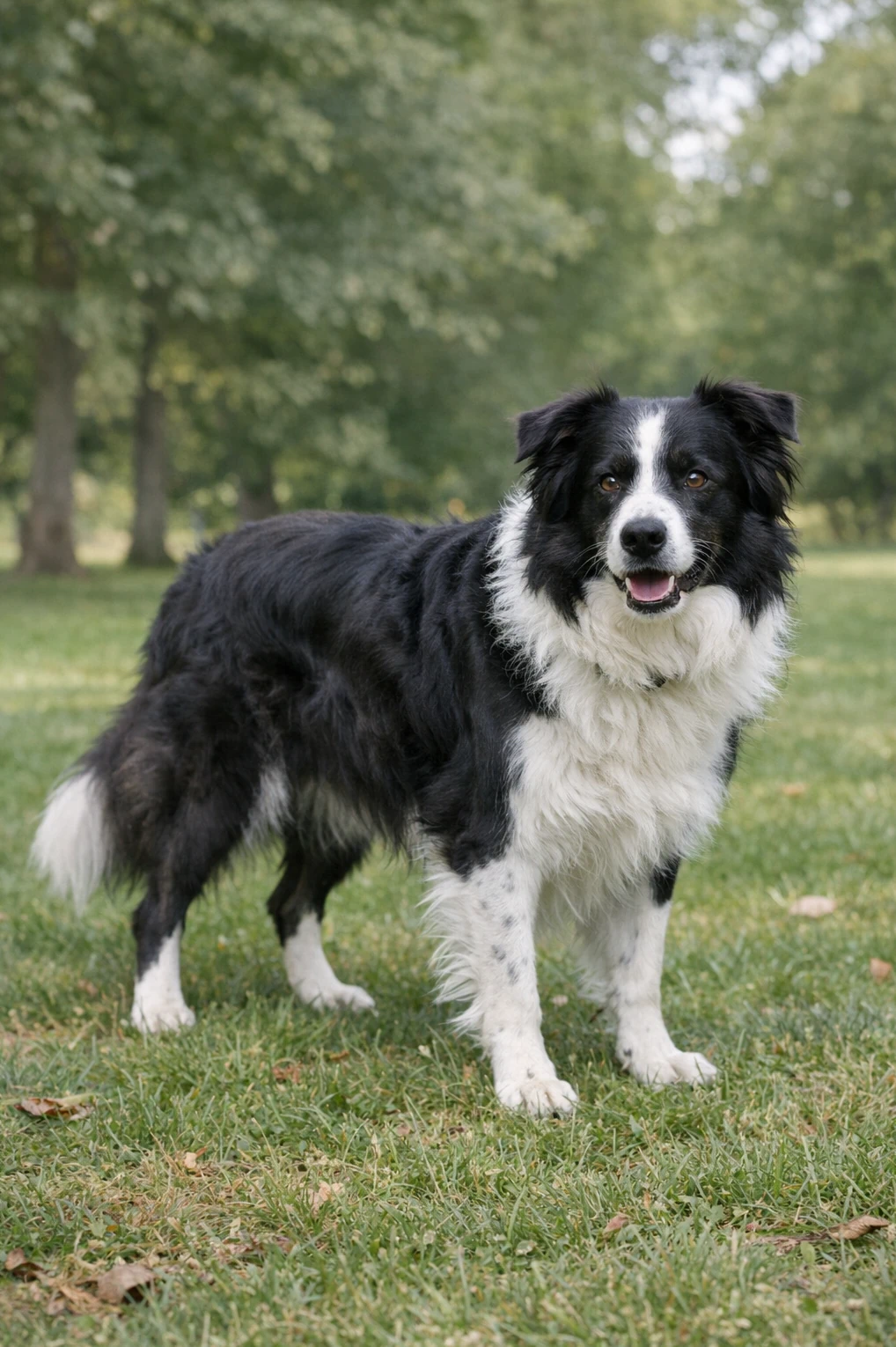
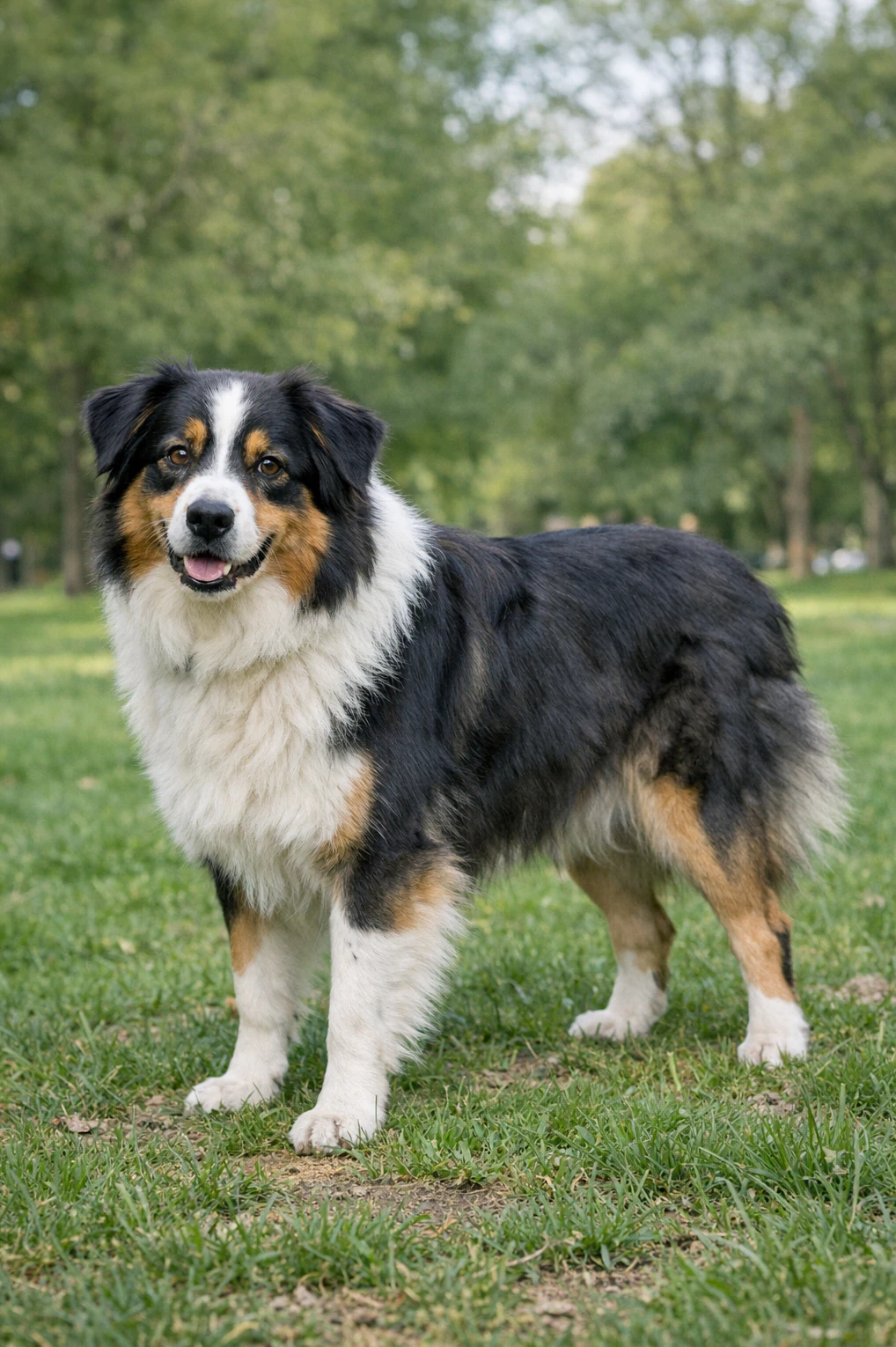
Medium to large, males stand about 20–23 inches and weigh 50–65 pounds. Bright, driven, and lively, they thrive on a balanced, protein-forward diet tailored for active pups. Nutritional verdict: energy-focused nutrition.
Understanding the Australian Shepherd Metabolism and Energy Needs
Bred to manage livestock, this lively, driven companion needs fuel for quick bursts and long days of work. High mental demand and constant activity mean nutrients must support lean muscle, steady endurance, and mental focus.
Aim for higher protein, about 28 to 32 percent of calories, to preserve muscle and aid cognition. Moderate to rich fat, near 18 to 22 percent, provides concentrated energy and improves vitamin absorption. Quality carbohydrates like sweet potato and oats give steady glucose for bursts without sharp spikes.
Include omega-3 rich fish for joint support and a glossy coat, plus glucosamine for agile joints. Antioxidants and B vitamins back quick thinking and recovery. Feed timing, hydration, and balanced electrolytes help this active herding dog perform and recover.
Managing Australian Shepherd Genetic Health Risks Through Nutrition
Hip Dysplasia
Helpful nutrients
Epilepsy
Helpful nutrients
Cataracts / Eye Health
Helpful nutrients
Certain Forms of Cancer
Helpful nutrients
Ear Buildup and Infections
Helpful nutrients
Dental Disease
Helpful nutrients
Obesity / Weight Management
Helpful nutrients
Australian Shepherd Feeding & Calorie Calculator
Estimated Daily Calories
Tip: Start with this amount and adjust after 2–3 weeks based on your dog's body condition and weight trend.
This estimate provides a starting point for feeding. Individual calorie needs may vary depending on metabolism, body condition, and health status. Always monitor your dog's weight and consult your veterinarian when adjusting diet.
Foods and Ingredients to Avoid for Australian Shepherd Dogs
Australian Shepherds can be prone to weight gain and pancreatitis, so avoid feeding fatty table scraps, bacon, fried foods, and rich gravies.
Excess dietary fat can quickly lead to unwanted weight gain, which places extra stress on their hips and spine and increases the chance of pancreatitis.
Keep meals and treats on the lean side, and talk with your veterinarian if you notice rapid weight gain or signs of digestive upset.
A balanced, lower-fat diet helps protect joint health and overall vitality for a 50 to 65 pound male.
Treats are wonderful for training, but Aussie owners should be careful about portion size because calories add up quickly.
Too many treats can lead to obesity, which worsens joint issues like hip dysplasia and makes an active herding dog less mobile and comfortable.
Use small, low-calorie rewards and count treats as part of the daily calorie allowance.
For a 50 to 65 pound male, portion control and regular weight checks help keep them lean and energetic.
Chocolate, coffee, tea, and other caffeinated products contain compounds that are toxic to dogs and can cause vomiting, tremors, irregular heartbeat, and even seizures.
Australian Shepherds of moderate size can be seriously affected by surprisingly small amounts, so these foods must never be offered as treats.
Keep all chocolate and caffeinated goods out of reach and educate family and guests to do the same.
If your dog consumes any of these items, contact your veterinarian or an emergency clinic right away.
Grapes and raisins can cause sudden kidney failure in some dogs, and there is no reliable safe dose, so avoid them completely.
A few raisins in a cookie can be harmful for a medium sized dog, and symptoms may appear quickly.
Also remove pits and seeds from fruits before sharing, since they can be choking hazards or contain toxic elements.
Stick to dog-safe fruits in small amounts and check with your vet if you are unsure.
Xylitol, a sugar substitute in gum, some peanut butters, and many sugar-free foods, causes rapid insulin release and dangerous drops in blood sugar in dogs, sometimes leading to liver failure.
Australian Shepherds are vulnerable to these effects, and even small amounts can be life threatening for a 50 to 65 pound male.
Always read labels before giving human foods, and choose xylitol-free options if you want to share a treat. If ingestion is suspected, seek immediate veterinary care.
Some grain-free diets that rely heavily on peas, lentils, chickpeas, or other legumes have been associated in certain cases with heart muscle disease called dilated cardiomyopathy.
The link is not fully understood, but it is sensible to be cautious with formulas that use large amounts of legumes as primary carbohydrate or protein sources.
For an Australian Shepherd, who does well on balanced nutrition, select a complete diet with varied, high-quality ingredients and consult your veterinarian before switching to a legume-heavy grain-free formula.
Regular checkups and heart monitoring are good precautions.
How Nutritional Needs Change Throughout the Australian Shepherd Life Stages
Dogs have different nutritional needs during puppyhood, adulthood, and their senior years, and Australian Shepherds are no exception. Their growth rate, high activity level, and breed-specific health tendencies shape the amounts and types of calories, protein, fats, and supplements they need. Adjusting food for each life stage helps support healthy bones, reliable energy, and long-term wellbeing.
| Life Stage | Age Range | Primary Objective | Key Nutrient Focus |
|---|---|---|---|
| Puppy | 0–15 months | controlled skeletal development, immune support, brain development | DHA, balanced calcium/phosphorus, high-quality protein |
| Adult | 1.5–6 years | lean muscle maintenance and sustained energy | high-quality protein, omega-3 fatty acids, fiber |
| Senior | 6+ years | joint mobility, metabolic health, and cognitive support | glucosamine, chondroitin, antioxidants, lower calories |
Aussie puppies grow quickly during their first year, but full skeletal maturity often takes 12 to 18 months, especially for larger individuals. Controlled, steady growth helps reduce the risk of hip dysplasia, so calorie intake should avoid excesses while still supporting the high energy demands of a smart, work-oriented pup. Early life also sets the stage for lifelong joint and coat health.
Feed smaller, frequent meals early on, moving from four to three and then two meals as they mature, and choose a large-breed puppy formula with high-quality protein for muscle, DHA for brain and eye development, and a balanced calcium to phosphorus ratio for healthy bone growth. Include omega-3s for coat and skin, moderate fat for energy, and probiotics or gentle fiber to support digestion. Keep treats controlled and schedule regular vet checkups to tailor portions based on growth percentiles and breed-specific tendencies like hip concerns.
As adults, Australian Shepherds need nutrition that maintains lean muscle mass and supports sustained energy for their active, work-oriented lifestyle. Quality animal proteins should make up a significant portion of calories to preserve muscle, while moderate fat supplies concentrated energy. The exact caloric needs depend on whether your Aussie is a couch companion or a daily herding partner.
Feed two balanced meals a day with digestible carbohydrates and fiber for steady energy and gut health, and include omega-3 fats for coat and joint comfort and antioxidants for overall cellular health. Control portion sizes and track body condition to avoid excess weight, which strains hips and joints. If your dog has specific health tests from a breeder or veterinarian, use those results to fine-tune protein and fat levels under professional guidance.
As Australian Shepherds enter their senior years, metabolism often slows and activity levels fall, while mobility and joint stiffness can become more noticeable. Seniors may digest food less efficiently and lose muscle if protein is inadequate, so focus on highly digestible proteins and maintain protein levels to preserve lean mass. Dental wear can make kibble harder to manage, so texture and palatability matter.
Adjust calories downward if activity drops, and add joint-support nutrients like glucosamine, chondroitin, and omega-3s EPA/DHA to support mobility. Antioxidants such as vitamin E and selenium help healthy aging and immune function. Increase gentle fiber for digestion, consider smaller, more frequent meals, and consult your veterinarian for tailored changes if your Aussie has hip concerns or other age-related conditions.
Kibble vs Fresh vs Raw for Australian Shepherd
Different feeding approaches suit different lifestyles and activity levels. For your Australian Shepherd, pick a diet that supports energy, joint health, and a healthy double coat.
Pros
- Convenient for busy owners and easy to portion for training.
- Many formulas include joint-supporting nutrients for active, working dogs.
- Dry texture helps reduce tartar buildup with regular chewing.
- Calorie-dense options are available for high-energy Aussies.
Cons
- Lower moisture content may require extra hydration for active dogs.
- Some brands contain fillers or lower-quality ingredients.
- Standard formulas may not meet very high energy needs.
- Less control over ingredients for dogs with food sensitivities.
Pros
- Highly palatable, often loved by picky or working Aussies.
- High moisture supports hydration during heavy activity.
- You control ingredients, helpful for allergies and sensitive stomachs.
- Easily include supplements for joints and coat health.
Cons
- Requires time and planning to ensure complete nutrition.
- More expensive and needs refrigeration for leftovers.
- Improper recipes can cause nutrient imbalances over time.
- Meal prep may be impractical for very busy households.
Pros
- High protein can support lean muscle and sustained energy.
- Some owners report shinier coats and improved vitality.
- Minimal processing preserves certain natural nutrients.
- Can be tailored for working dogs' calorie needs.
Cons
- Bacterial risks require strict hygiene and safe handling.
- Balancing calcium and phosphorus is critical and tricky.
- Raw bones pose a choking or dental hazard.
- Not ideal for households with immunocompromised people.
| Diet Type | Pros for Australian Shepherd | Potential Downsides |
|---|---|---|
| High-Quality Kibble |
|
|
| Fresh Cooked Food |
|
|
| Raw Diet (BARF) |
|
|
Our Recommendation
For most Australian Shepherds, a high-quality kibble designed for active breeds or a balanced fresh-cooked diet works well.
Raw feeding can suit some owners, but it needs careful balancing, strict hygiene, and veterinary guidance.
See Also
Breeds with similar group, size, and coat characteristics