Best Dog Food for Belgian Sheepdog in 2026Based on Nutritional Science
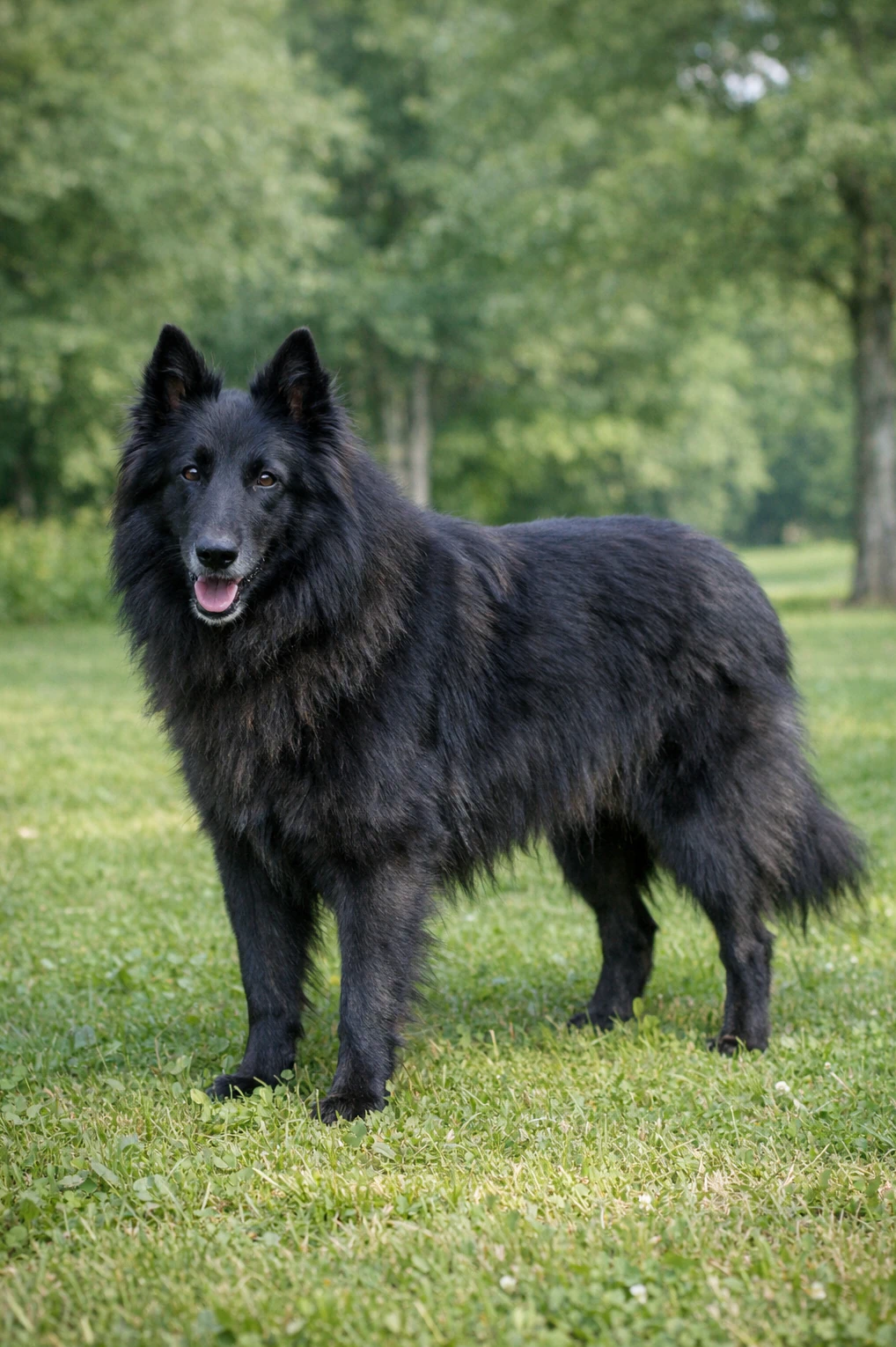
Large, intelligent and alert Belgian Sheepdog stands 24 to 26 inches tall and weighs 55 to 75 pounds. Energetic, earnest nature. Nutritional Verdict: needs a balanced, protein-rich diet to support activity and lean muscle.
Understanding the Belgian Sheepdog Metabolism and Energy Needs
This elegant, quick-witted herding companion was shaped to move and manage livestock, so its diet should support stamina, sharp focus, and lean strength. Daily nutrition needs to fuel both bursts of activity and sustained patrols across fields.
Generous, high-quality animal protein keeps muscles strong and repairs tissue after work, and amino acids support brain chemicals that help with concentration and calm. Healthy fats provide dense, lasting energy and keep the coat glossy, while omega-3 fatty acids aid joint and cognitive health.
Measured amounts of slow-release carbohydrates offer steady fuel without weight gain, and fiber supports digestive balance. For long-term mobility and mental sharpness, add joint support and antioxidant nutrients, plus B vitamins for steady nerves and learning. A tailored balance helps this dog thrive in modern family life.
Managing Belgian Sheepdog Genetic Health Risks Through Nutrition
Epilepsy
Helpful nutrients
Elbow and Hip Dysplasia
Helpful nutrients
Progressive Retinal Atrophy and Cataracts
Helpful nutrients
Certain Cancers
Helpful nutrients
Sensitivity to Anesthesia
Helpful nutrients
Ear Infections
Helpful nutrients
Dental Issues
Helpful nutrients
Obesity
Helpful nutrients
Belgian Sheepdog Feeding & Calorie Calculator
Estimated Daily Calories
Tip: Start with this amount and adjust after 2–3 weeks based on your dog's body condition and weight trend.
This estimate provides a starting point for feeding. Individual calorie needs may vary depending on metabolism, body condition, and health status. Always monitor your dog's weight and consult your veterinarian when adjusting diet.
Foods and Ingredients to Avoid for Belgian Sheepdog Dogs
Belgian Sheepdogs can be prone to carrying extra weight, and high-fat foods or rich table scraps can quickly push them toward obesity.
Excess fat not only leads to weight gain, it can contribute to pancreatitis and place extra strain on the hips and elbows in a breed already screened for joint issues.
Keep treats lean and feed human foods sparingly, and check with your veterinarian before offering fatty leftovers as an occasional snack.
Large breed puppies, like male Belgian Sheepdogs, need controlled calorie and calcium intake to avoid overly rapid growth that may affect developing bones and joints.
Diets formulated for large breed puppies help manage growth rate and reduce pressure on the hips and elbows, which this breed may be screened for.
Avoid free feeding high-calorie or high-calcium homemade diets without veterinary guidance, and work with your vet to choose the right growth plan for your pup.
Certain human foods are outright toxic to dogs, and Belgian Sheepdogs are not an exception.
Xylitol, grapes and raisins, and chocolate can cause severe illness even in a single serving, with risks ranging from low blood sugar to organ failure depending on the item and amount.
Store sweets and human treats safely out of reach, and contact your veterinarian or emergency clinic promptly if you suspect your dog ate any of these ingredients.
Salt-heavy snacks and seasoned human meals can upset your Belgian Sheepdog's stomach and worsen conditions like high blood pressure or heart disease if present.
Excessive sodium can also make water intake spike, which may lead to uncomfortable digestive upset or contribute to weight issues.
Offer fresh, unseasoned food and treats made for dogs, and avoid feeding salty snacks like chips, cured meats, or heavily spiced leftovers.
Some grain-free diets that rely heavily on peas, lentils, or other legumes have been associated with heart concerns in certain dogs, although research is ongoing.
For a large, active breed like the Belgian Sheepdog, a balanced formula with appropriate protein and carbohydrate sources is usually a safer choice, especially if the dog has any cardiac signs or a family history of heart disease.
Talk with your veterinarian before switching to a grain-free diet, and monitor heart health as part of routine care if you use legume-rich formulations.
Belgian Sheepdogs are known to be sensitive to anesthesia, so any supplements or herbal remedies should be reviewed well in advance of planned procedures.
Some supplements, such as high-dose fish oil, certain herbs, or products that affect clotting, can interfere with anesthesia or recovery.
Always provide your veterinary team with a full list of supplements and medications before surgery, and follow their instructions about stopping or continuing any products.
How Nutritional Needs Change Throughout the Belgian Sheepdog Life Stages
Belgian Sheepdogs have different nutritional needs at puppyhood, adulthood, and senior years, so feeding should change as they grow. Their growth rate, high activity level and breed health tendencies influence calorie needs, nutrient balance and when to add joint or eye support, and working dogs often need more targeted nutrition than laid-back companions.
| Life Stage | Age Range | Primary Objective | Key Nutrient Focus |
|---|---|---|---|
| Puppy | 0–15 months | controlled skeletal development, immune support, brain development | DHA, balanced calcium/phosphorus, high-quality protein |
| Adult | 1.5–6 years | lean muscle maintenance and sustained energy | high-quality protein, omega-3 fatty acids, fiber |
| Senior | 6+ years | joint mobility, metabolic health, and cognitive support | glucosamine, chondroitin, antioxidants, lower calories |
Belgian Sheepdog puppies grow quickly but as a large breed they need a steady, controlled pace to protect developing bones and joints. A large-breed puppy formula with balanced calcium and phosphorus helps support skeletal development, and portion control reduces the risk of too-rapid growth which can worsen hip or elbow dysplasia. Feed young Belgians three to four smaller meals daily, and avoid high-impact exercise until growth plates close.
Prioritize high-quality protein for muscle and DHA for brain and eye development, along with omega-3s for a healthy double coat. Gentle joint support like appropriate levels of glucosamine and chondroitin can be considered in consultation with your vet, especially if hip or elbow issues run in the line. Keep routine ear checks and dental care part of early life, and have breeders screen for hereditary conditions to guide nutritional choices.
Adult Belgian Sheepdogs need nutrition that preserves lean muscle while fueling their alert, active nature. High-quality protein should be the foundation of meals, and balanced healthy fats provide sustained energy for herding or agility work. Calorie needs vary with activity level, so an active working Belgian will require more calories than a mostly indoor companion, while both benefit from complex carbohydrates and fiber for steady energy and digestion.
Keep an eye on body condition and adjust portions to avoid excess weight which strains hips and elbows. Include antioxidants for eye health and omega-3s for coat and joint wellness, and discuss tailored joint supplements with your veterinarian. Regular dental and ear care help keep your Belgian comfortable and performing at their best.
As Belgian Sheepdogs enter their senior years their metabolism often slows and mobility can become a concern, especially in a large breed prone to joint issues. Focus on highly digestible, protein-rich meals to preserve muscle mass while trimming overall calories if activity drops. Add joint-support nutrients like glucosamine, chondroitin and omega-3 fatty acids, and include antioxidants to support eye health and cellular resilience.
If dental wear or digestion changes make eating harder, moistened food or smaller, more frequent meals can help. Monitor weight closely to reduce stress on hips and elbows, and keep up regular eye and ear checks given the breed's predispositions. Work with your veterinarian to tailor a senior plan that balances calorie control, joint care and comfort, and factor in anesthesia sensitivity before any procedures.
Kibble vs Fresh vs Raw for Belgian Sheepdog
Different feeding models suit different lifestyles, energy levels, and household routines.
Below are pros and downsides of high-quality kibble, fresh cooked food, and raw diets, tailored to the Belgian Sheepdog.
Pros
- Convenient and easy to portion for busy handlers.
- Consistent, balanced nutrition suitable for an active herding breed.
- Shelf-stable, handy for travel to training and trials.
- Some formulas support joint health and coat condition.
Cons
- Lower moisture content may require extra water or wetting.
- Some brands include fillers or low-quality ingredients.
- Calorie-dense formulas can promote weight gain without portion control.
- May be less appealing to picky or scent-driven dogs.
Pros
- Highly palatable, often loved by picky Belgian Sheepdogs.
- High moisture content supports hydration and digestion.
- Full control over protein sources helps with food sensitivities.
- Easier to adjust calories for working or retired dogs.
Cons
- Time-consuming to prepare and requires meal planning.
- Risk of nutrient imbalance without recipes from a nutritionist.
- More expensive per serving than most kibbles.
- Needs refrigeration and careful storage between meals.
Pros
- High-quality proteins can match the breed's active energy needs.
- Owners report improved coat condition and vitality in some dogs.
- Minimal processing preserves certain nutrients and textures.
- Can be tailored to individual size and activity levels.
Cons
- Strict hygiene required to prevent bacterial contamination at home.
- Improperly balanced raw diets can stress growing joints and bones.
- Handling raw meat increases household biosecurity responsibilities.
- Veterinary guidance is essential to avoid nutritional gaps for large breeds.
| Diet Type | Pros for Belgian Sheepdog | Potential Downsides |
|---|---|---|
| High-Quality Kibble |
|
|
| Fresh Cooked Food |
|
|
| Raw Diet (BARF) |
|
|
Our Recommendation
For many Belgian Sheepdogs, a high-quality kibble with appropriate calorie control and joint support is a solid, low-stress choice.
Fresh cooked or properly balanced raw diets can also work well for picky or performance dogs, but they need careful planning and veterinary input.
See Also
Breeds with similar group, size, and coat characteristics