Best Dog Food for Entlebucher Mountain Dog in 2026Based on Nutritional Science
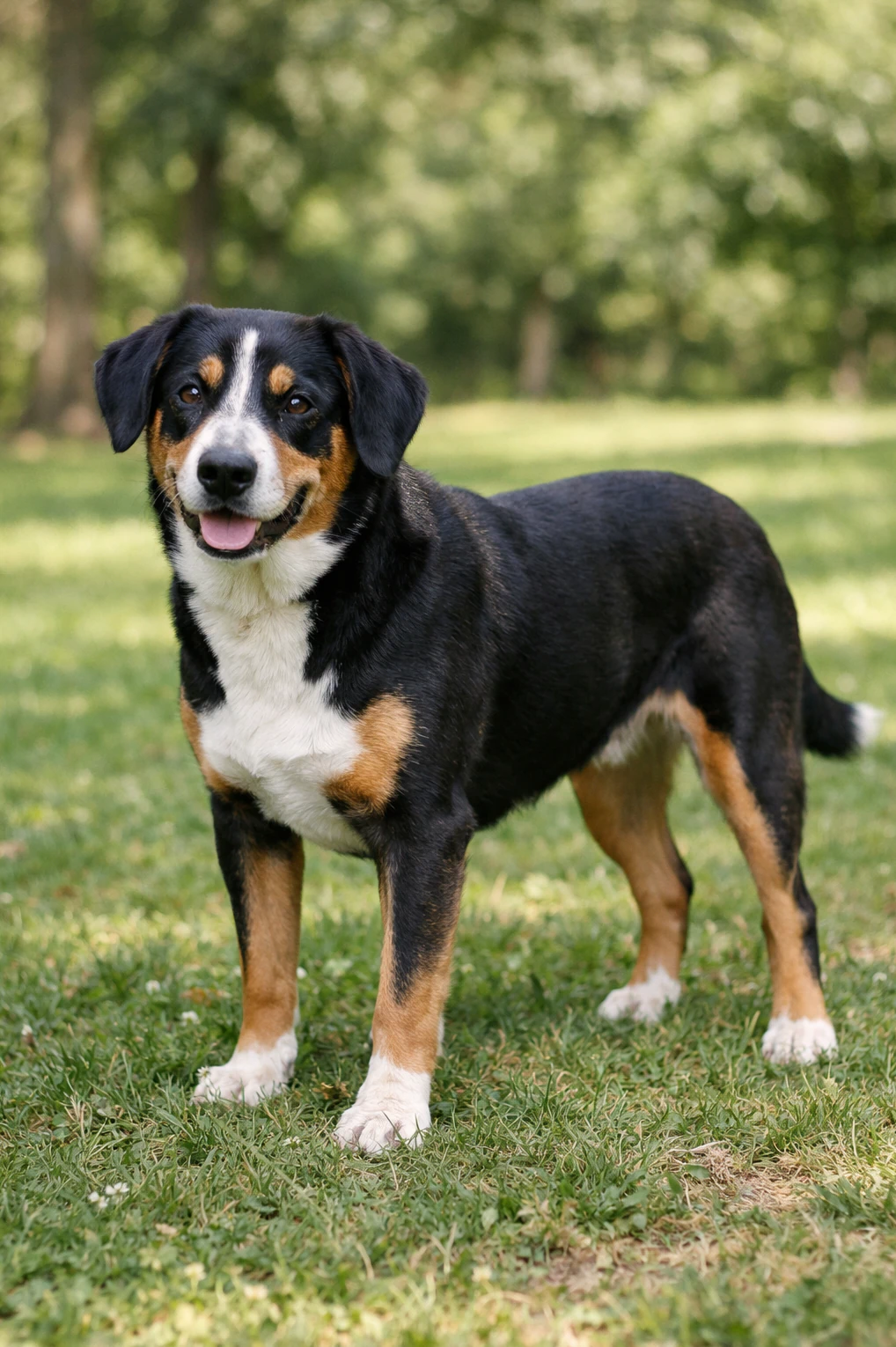
Compact yet sturdy Entlebucher males stand about 17.5-20.5 inches and weigh 50-65 pounds. Devoted, clever, and lively companions. Nutritional verdict: balanced protein and joint-supporting nutrients keep them fit and happy.
Understanding the Entlebucher Mountain Dog Metabolism and Energy Needs
Built as a compact alpine herder, this dog was developed to work long hours guiding livestock across uneven ground. With a devoted nature, keen problem-solving, and lively drive, their bodies require fuel that supports lean muscle, sharp cognition, and steady endurance.
A nutrition plan focused on higher quality protein, ample healthy fats, and controlled carbohydrates makes sense. Protein keeps muscles resilient during bursts of activity, fats provide sustained energy and help joint and brain health, while measured carbs from whole foods prevent blood sugar swings and support day-long stamina. Aim for bioavailable meats, oily fish, and fibrous vegetables rather than empty starches.
Targeted supplements such as omega-3s and joint-building compounds support mobility, and B-complex nutrients aid metabolism and cognitive speed. Because many now live less active lives than their ancestors, portion control and nutrient density are essential to keep this energetic companion fit and happy.
Managing Entlebucher Mountain Dog Genetic Health Risks Through Nutrition
Entlebucher urinary syndrome (ureteral misplacement)
Helpful nutrients
Hip Dysplasia
Helpful nutrients
Luxating Patellas
Helpful nutrients
Eye Disorders
Helpful nutrients
Obesity / Weight Gain
Helpful nutrients
Entlebucher Mountain Dog Feeding & Calorie Calculator
Estimated Daily Calories
Tip: Start with this amount and adjust after 2–3 weeks based on your dog's body condition and weight trend.
This estimate provides a starting point for feeding. Individual calorie needs may vary depending on metabolism, body condition, and health status. Always monitor your dog's weight and consult your veterinarian when adjusting diet.
Foods and Ingredients to Avoid for Entlebucher Mountain Dog Dogs
Because Entlebuchers love to eat and can become overweight, high-fat foods and greasy table scraps are risky.
Excess fat leads to weight gain, placing extra stress on hips and knees and increasing the chance of joint problems like hip dysplasia and luxating patella.
High-fat meals also raise the risk of pancreatitis, which can be serious, so treats and rich human foods should be rare and lean.
Work with your vet to find the right fat balance for an active or working dog.
Treats are a great training tool but too many calories quickly cause obesity in this breed, and extra weight makes joint issues worse.
Entlebuchers are enthusiastic eaters, so it is easy to overdo rewards during training sessions.
Keep treats small, low in calories, and counted toward the daily food allowance, or use measured portions of regular food for training.
Moderation helps protect their hips and knees and keeps them at a healthy weight for an active lifestyle.
Rapid growth and excess calcium or calories in puppyhood can contribute to orthopedic problems later in life, which is important given this breed's risk for hip and patella issues.
Puppies need diets formulated for medium to large breeds that control calcium and energy to support steady, healthy development.
Avoid giving adult-strength supplements or free-choice high calcium foods unless your vet recommends them, and follow breeder or veterinary guidance on the right growth formula.
Proper early nutrition reduces the risk of skeletal problems as they mature.
Since Entlebuchers can have urinary tract anomalies, it is wise to avoid very salty foods that increase thirst and affect urinary function.
High sodium intake may aggravate urinary concerns and is unnecessary for a dog on a balanced commercial diet.
Skip salty table scraps like bacon, cured meats, and snack foods, and always provide fresh water to support healthy bladder function.
If you notice any changes in urination, consult your veterinarian promptly.
Some grain-free diets rely heavily on peas, lentils, and other legumes as primary carbohydrate sources, which in some cases have been linked to heart concerns when diets are not properly balanced.
While not every dog is affected, choosing such formulas without veterinary guidance can be risky for an active breed that needs balanced nutrition.
Before switching to a grain-free diet, discuss it with your vet and monitor heart and overall health during any diet change.
A well-balanced, appropriately formulated diet is usually safest for working and companion Entlebuchers.
Artificial preservatives, flavors, and colors can trigger sensitivities in some dogs and may contribute to skin or digestive upset, which is frustrating for both dog and owner.
Entlebuchers benefit from a clean, balanced diet that supports a healthy coat and comfortable digestion.
When possible, choose foods with natural preservation and introduce new formulas slowly to watch for reactions.
If you suspect food sensitivities, work with your vet to identify culprits and find suitable alternatives.
How Nutritional Needs Change Throughout the Entlebucher Mountain Dog Life Stages
Dogs need different nutrition during puppyhood, adulthood, and their senior years. For the Entlebucher Mountain Dog, a moderately large and active herding breed, those needs shift with a relatively fast early growth rate, high daily activity, and breed tendencies such as hip concerns and occasional urinary issues. Matching food to each life stage supports proper growth, steady energy, and gentler aging for a happy, healthy companion.
| Life Stage | Age Range | Primary Objective | Key Nutrient Focus |
|---|---|---|---|
| Puppy | 0–15 months | controlled skeletal development, immune support, brain development | DHA, balanced calcium/phosphorus, high-quality protein |
| Adult | 1.5–6 years | lean muscle maintenance and sustained energy | high-quality protein, omega-3 fatty acids, fiber |
| Senior | 6+ years | joint mobility, metabolic health, and cognitive support | glucosamine, chondroitin, antioxidants, lower calories |
Entlebucher puppies grow quickly in their first year, but as a large breed their bones and joints mature more slowly and benefit from steady, controlled growth. Rapid weight gain can raise the risk of hip dysplasia and joint strain, so calories should be managed to support gradual bone and cartilage development, with attention to a proper calcium to phosphorus ratio, not excess calcium supplementation.
Provide high quality animal protein for muscle growth and DHA for brain and vision, with moderate fat to fuel their enthusiastic activity. Offer three to four small meals a day when very young, moving to two or three as they approach six months, and choose a large-breed puppy formula that includes joint-support nutrients and omega-3s. Monitor weight and consult your veterinarian if there are family histories of urinary or hip problems.
Adult Entlebuchers need balanced nutrition to maintain lean muscle and steady energy for work and play, especially since they are smart and enthusiastic movers. Focus on high quality protein to preserve muscle mass, moderate healthy fats for sustained energy, and digestible carbohydrates to match activity levels, adjusting portions on rest days or during heavier exercise seasons to avoid unwanted weight gain.
Lifestyle factors matter, so pair feeding with regular daily exercise and mental stimulation to keep metabolism and body composition healthy. Include omega-3 fatty acids for coat and joint health and antioxidants for overall wellbeing, and keep an eye on urinary health by encouraging hydration and discussing diet choices with your vet when screening for breed-specific issues.
As Entlebuchers age, metabolism often slows and mobility can decline, particularly if there is a history of hip dysplasia or joint strain, so calorie needs may fall while the need for joint support rises. Offer highly digestible, lean protein to preserve muscle, and consider lowering overall calories if activity drops to prevent weight gain that stresses joints. Add joint-supporting nutrients such as glucosamine and chondroitin and keep omega-3s in the diet to help inflammation and mobility.
Seniors also benefit from antioxidants for eye and cognitive health, extra fiber for gentler digestion, and softer kibble or moistened food if dental issues appear. Monitor weight, mobility, and urinary signs closely and work with your veterinarian to adjust calories, supplements, and feeding frequency for comfortable, healthy aging.
Kibble vs Fresh vs Raw for Entlebucher Mountain Dog
Different feeding models suit different lifestyles, energy needs, and health concerns. For the Entlebucher Mountain Dog, choose a plan that supports activity and joint health.
Pros
- Convenient and easy to portion for busy owners.
- Provides consistent balanced nutrition for active dogs.
- Dry formula supports dental health through chewing.
- Many formulas include glucosamine for joint support.
Cons
- Some brands contain fillers or low quality ingredients.
- Lower moisture may not suit dogs that drink less.
- Calories can add up, raising obesity risk without portion control.
- Scent or texture may be less appealing for picky eaters.
Pros
- Highly palatable for picky or selective eaters.
- High moisture helps hydration and urinary tract health.
- You control ingredients, useful for allergy or sensitivity management.
- Can be adjusted to support weight and joint needs.
Cons
- Time consuming to prepare consistently balanced meals.
- Requires supplements or vet guidance for full nutrition.
- Higher cost and need for refrigeration.
- Risk of inconsistency in calories without careful planning.
Pros
- High protein mimics ancestral diets for energetic working dogs.
- Some owners report improved coat and vitality.
- Minimal processing preserves natural nutrients.
- Can be tailored for joint and muscle maintenance.
Cons
- Requires strict hygiene to avoid bacterial contamination.
- Unbalanced meals risk nutrient gaps without expert guidance.
- Whole bones can be hazardous, especially with small pieces.
- May stress owners unsure about sourcing and safety.
| Diet Type | Pros for Entlebucher Mountain Dog | Potential Downsides |
|---|---|---|
| High-Quality Kibble |
|
|
| Fresh Cooked Food |
|
|
| Raw Diet (BARF) |
|
|
Our Recommendation
For most Entlebuchers, high quality kibble with joint support and added moisture fits an active lifestyle and busy owners.
Fresh cooked food is ideal for picky dogs or specific ingredient control, while raw diets can work but need strict hygiene and veterinary guidance.
See Also
Breeds with similar group, size, and coat characteristics