Best Dog Food for Bergamasco Sheepdog in 2026Based on Nutritional Science
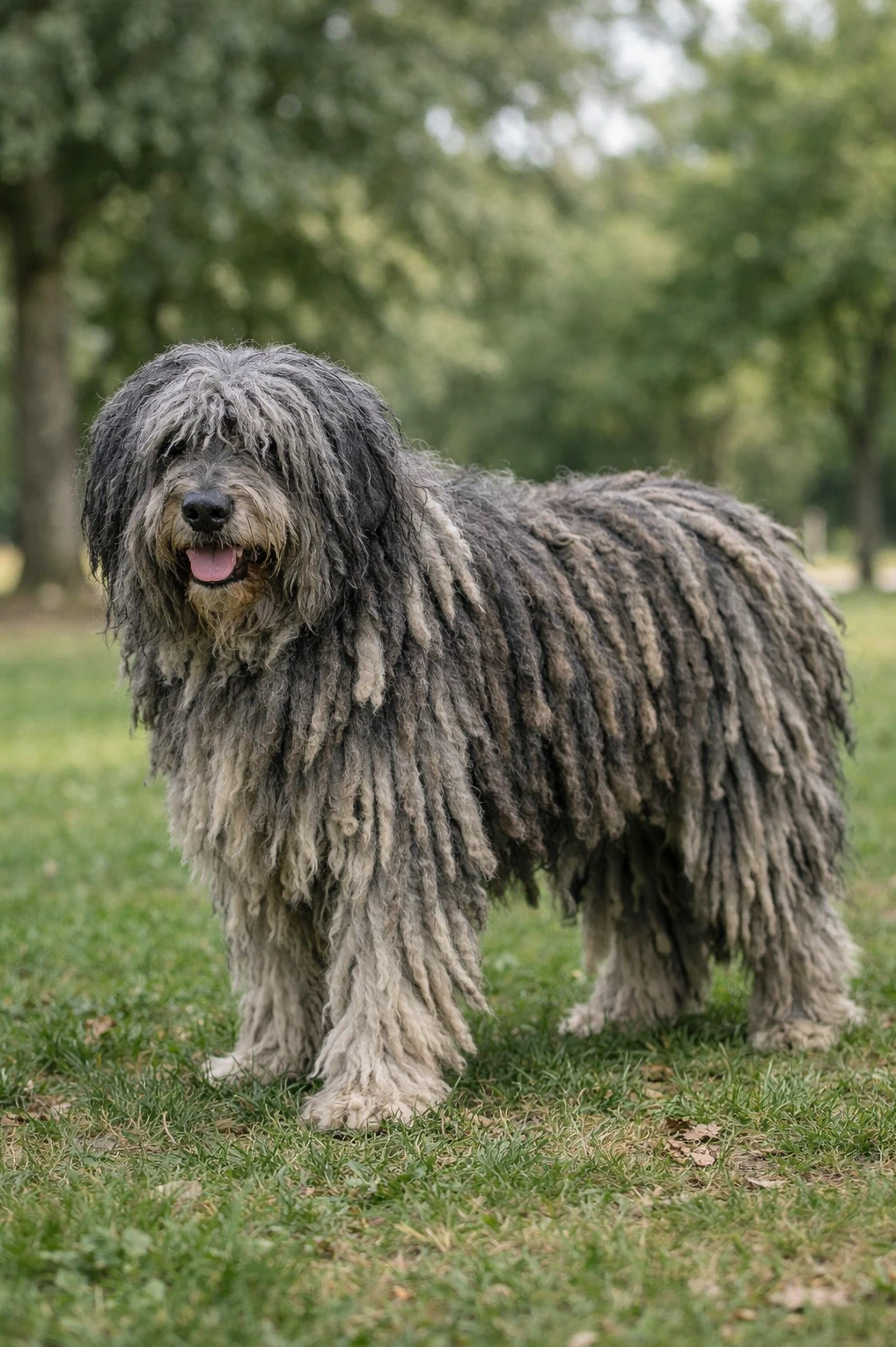
Sturdy medium-large dog, about 23.5 inches tall and 70-84 pounds, self-reliant, clever and outgoing.
Nutritional verdict: a balanced, protein-rich diet with healthy fats supports coat health and steady energy needs.
Understanding the Bergamasco Sheepdog Metabolism and Energy Needs
As a rustic Italian flock-handling companion, this dog was developed to move livestock across rough terrain and spend long hours outdoors. That history means meals should support steady stamina, resilient muscles, and a protective, heavy coat. High quality animal protein helps maintain lean mass for endurance, while modest, stable carbohydrates supply slow-release energy for long working days.
Healthy fats are vital for skin and dense, felted hair, so omega-3s and omega-6 support gloss and reduce dryness. Concentrated fats also provide compact energy without excess bulk. Joint-support nutrients like glucosamine and chondroitin benefit an active frame, and antioxidants plus B vitamins help cognitive sharpness and stress resilience in a self-reliant, people-loving companion.
Managing Bergamasco Sheepdog Genetic Health Risks Through Nutrition
Obesity
Helpful nutrients
Nutritional imbalance from home-prepared diets
Helpful nutrients
Age-related nutritional needs
Helpful nutrients
Dehydration
Helpful nutrients
Bergamasco Sheepdog Feeding & Calorie Calculator
Estimated Daily Calories
Tip: Start with this amount and adjust after 2–3 weeks based on your dog's body condition and weight trend.
This estimate provides a starting point for feeding. Individual calorie needs may vary depending on metabolism, body condition, and health status. Always monitor your dog's weight and consult your veterinarian when adjusting diet.
Foods and Ingredients to Avoid for Bergamasco Sheepdog Dogs
Bergamascos can gain weight if given too many rich or fatty foods, and excess fat can contribute to pancreatitis in some dogs, which is painful and can require emergency care.
Keep table scraps, fatty cuts of meat, and fried snacks to a minimum and focus on lean protein sources and vet-approved commercial diets that match their activity level and life stage.
Portion control and feeding measured meals help keep their weight steady and their coat healthy without overloading their digestive system.
Treats are great for training and bonding, but Bergamascos can be prone to carrying extra pounds if treats become a large part of their daily calories.
Count treats as part of their overall food allowance, choose low-calorie options for frequent rewards, and avoid human snack foods that are calorie-dense and nutritionally empty.
Small, healthy treats and using portions of their regular kibble as rewards can keep training fun without tipping the scales.
Large breed puppies like Bergamascos need balanced mineral levels while their bones develop, and too much calcium or improper supplementation can lead to abnormal growth and joint problems.
Use a commercial large-breed puppy formula or follow your veterinarian's guidance closely if you prepare home-cooked meals, and avoid adding extra calcium unless prescribed.
Proper growth depends on the right balance of nutrients, so routine vet checks and weight monitoring are important during the first year.
Some grain-free diets that rely heavily on peas, lentils, or other pulses have been linked to heart concerns in certain dogs when they form a large percentage of the formula.
While not every dog is affected, Bergamascos are a larger breed and may do better on balanced diets that include a variety of quality carbohydrate and protein sources.
Talk with your veterinarian before switching to a grain-free diet, and choose formulas backed by nutritional testing and reputable manufacturers.
Ingredients like artificial colors, flavors, and some chemical preservatives can trigger skin sensitivities or digestive upset in dogs that are prone to mild allergies.
Since Bergamascos benefit from a healthy coat and skin, choosing foods with more natural preservatives and simple ingredient lists can reduce the chance of flare-ups.
If you notice itching, recurrent ear infections, or loose stools after a diet change, discuss ingredient choices with your vet and consider an elimination trial.
Certain human foods are dangerous to dogs regardless of size, and Bergamascos should never be given chocolate, grapes or raisins, xylitol-sweetened products, onions, garlic, or macadamia nuts.
These items can cause serious problems such as vomiting, low blood sugar, kidney damage, or neurological signs, and require prompt veterinary attention if ingested.
Keep human treats out of reach, educate family members and guests, and call your veterinarian or an emergency hotline right away if you suspect your dog ate something toxic.
How Nutritional Needs Change Throughout the Bergamasco Sheepdog Life Stages
Dogs' nutritional needs shift as they move from playful puppyhood to steady adulthood and gentle senior years. Breed growth rate, activity level, and common health tendencies shape what each life stage needs. For a Bergamasco Sheepdog, size, coat type, and natural energy all influence calories, protein, and specific nutrients to support growth, maintenance, and aging.
| Life Stage | Age Range | Primary Objective | Key Nutrient Focus |
|---|---|---|---|
| Puppy | 0–15 months | controlled skeletal development, immune support, brain development | DHA, balanced calcium/phosphorus, high-quality protein |
| Adult | 1.5–6 years | lean muscle maintenance and sustained energy | high-quality protein, omega-3 fatty acids, fiber |
| Senior | 6+ years | joint mobility, metabolic health, and cognitive support | glucosamine, chondroitin, antioxidants, lower calories |
Bergamasco puppies grow into a large, sturdy dog so their growth pattern is steady but significant during the first year. Controlled, measured weight gain helps protect developing bones and joints, so balanced calcium and phosphorus levels are important, along with protein to build lean muscle. Because their coat becomes heavy and corded, essential fatty acids also support skin and coat health as they mature.
Offer three to four small meals a day while they are young to avoid overeating and to steady blood sugar, then gradually move to two meals by adulthood. Focus on high quality, digestible protein, moderate calories to prevent rapid growth, and nutrients like DHA for brain development and a balanced mineral profile for skeletal health.
As adults Bergamasco Sheepdogs need nutrition that preserves lean muscle and provides steady energy for moderate daily activity. A diet with high quality protein and moderate fat helps maintain muscle mass without excess calories, while readily digestible carbohydrates and fiber support stable energy and gut health. Their sociable and intelligent nature means regular exercise and mental stimulation will influence how many calories they need on any given day.
Choose formulas that match large breed needs, with controlled calorie density to reduce strain on joints and ample protein to prevent muscle loss. Include omega fatty acids for skin and corded coat condition, and monitor weight closely, adjusting portions for activity level or seasonal changes.
As Bergamascos enter their senior years their metabolism often slows and activity levels can drop, which raises the risk of gradual weight gain and loss of muscle. Stiffness or joint discomfort can appear in large dogs, so supporting mobility becomes a priority, and digestion may be less efficient as they age. Maintaining high quality protein helps protect muscle, while slight calorie reductions prevent extra weight that stresses joints.
Choose senior formulas with joint supporting nutrients like glucosamine and chondroitin, and include antioxidants such as vitamins C and E to help cellular health. Higher digestibility, moderate fiber for gut regularity, and omega fatty acids for coat and inflammation balance are helpful, and regular weight checks with a vet will guide gradual adjustments.
Kibble vs Fresh vs Raw for Bergamasco Sheepdog
Different feeding models suit different lifestyles and dog needs. For a Bergamasco Sheepdog, consider energy level, coat care, and joint health when choosing food.
Pros
- Convenient and easy to portion for busy households.
- Often includes glucosamine and omega-3s to support joints and coat.
- Long shelf life and easy to store.
- Helps maintain dental health through chewing.
Cons
- Lower moisture may not suit dogs that drink little.
- Some formulas contain fillers or artificial additives.
- May need portion control to prevent weight gain in less active dogs.
Pros
- Highly palatable, great for picky eaters.
- High moisture supports hydration and skin health for a corded coat.
- You control ingredients for quality and allergy management.
- Can be balanced for large-breed needs like joints and weight.
Cons
- Requires careful planning to ensure complete nutrition.
- More time consuming and often pricier than kibble.
- Needs refrigeration and safe handling.
Pros
- Mimics ancestral diet with high-quality proteins.
- Some owners report improved coat condition and energy.
- Minimal processing preserves natural nutrients.
Cons
- Strict hygiene needed to prevent bacterial contamination.
- Bones can splinter and pose choking risks.
- Requires veterinary guidance to balance nutrients for large-breed needs.
| Diet Type | Pros for Bergamasco Sheepdog | Potential Downsides |
|---|---|---|
| High-Quality Kibble |
|
|
| Fresh Cooked Food |
|
|
| Raw Diet (BARF) |
|
|
Our Recommendation
For most Bergamascos, a high-quality kibble or a carefully planned fresh cooked diet meets coat, joint, and energy needs best.
A raw approach can work, but only with strict hygiene and veterinary balancing.
See Also
Breeds with similar group, size, and coat characteristics