Best Dog Food for Rafeiro do Alentejo in 2026Based on Nutritional Science
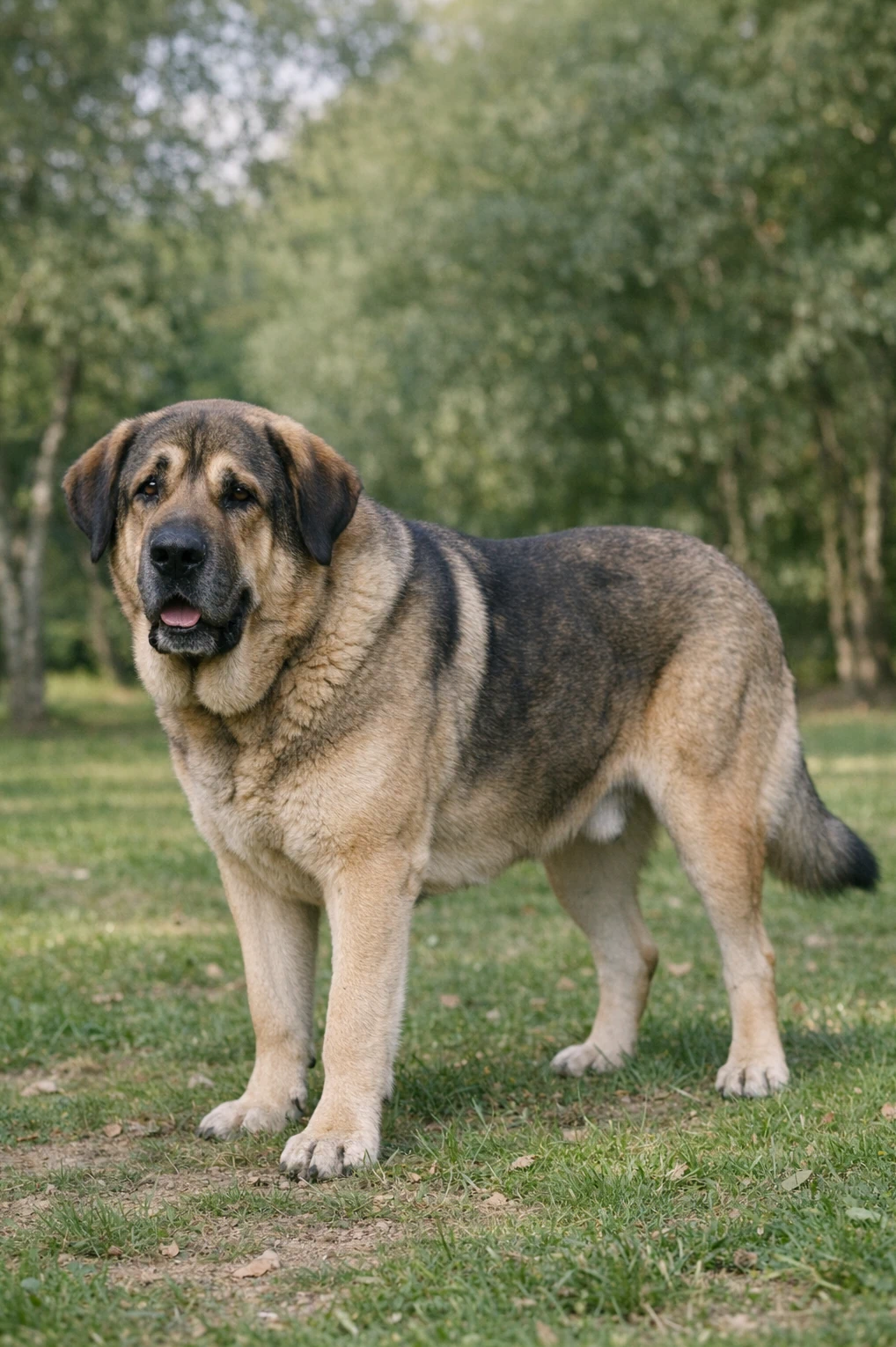
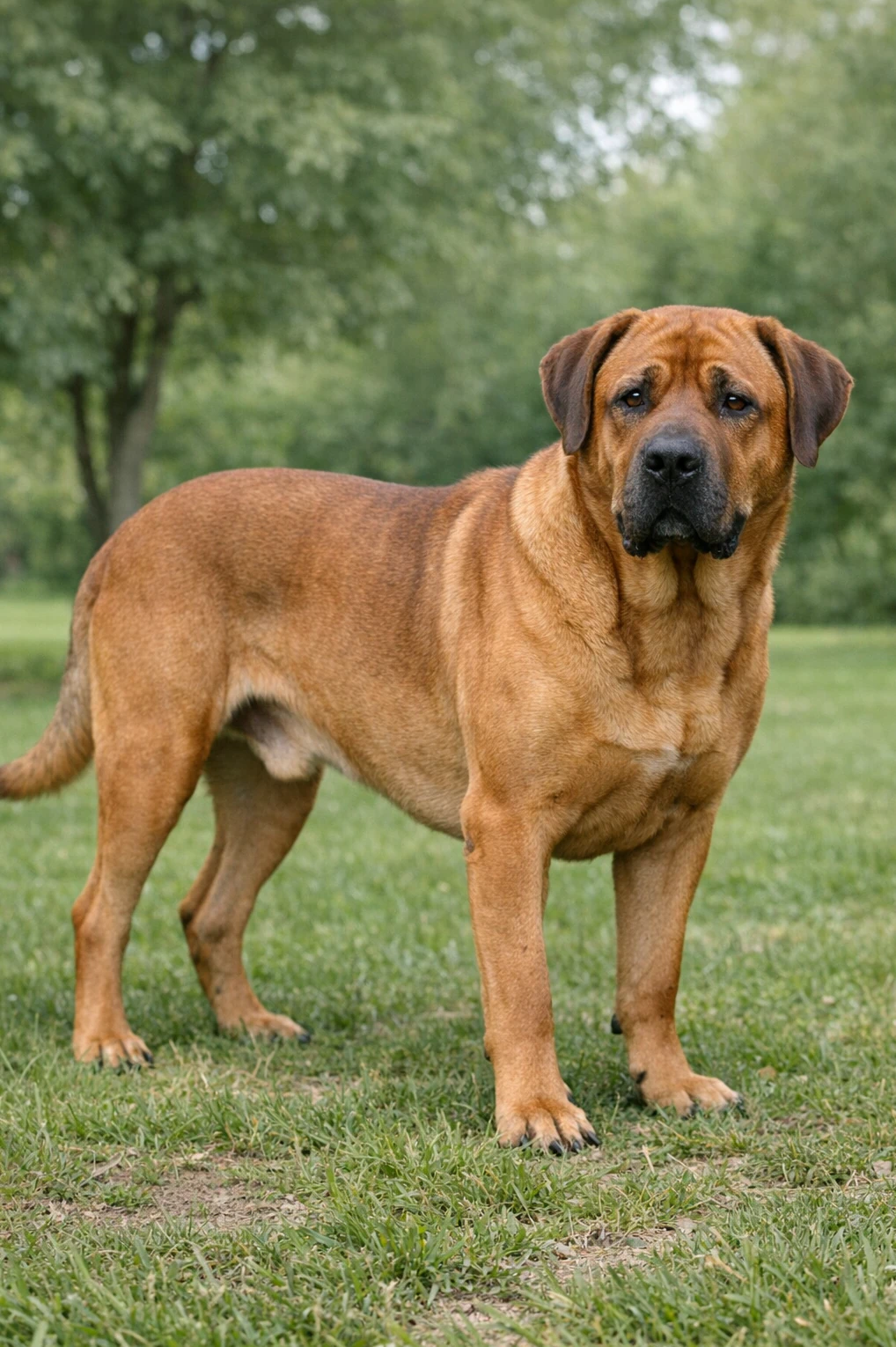
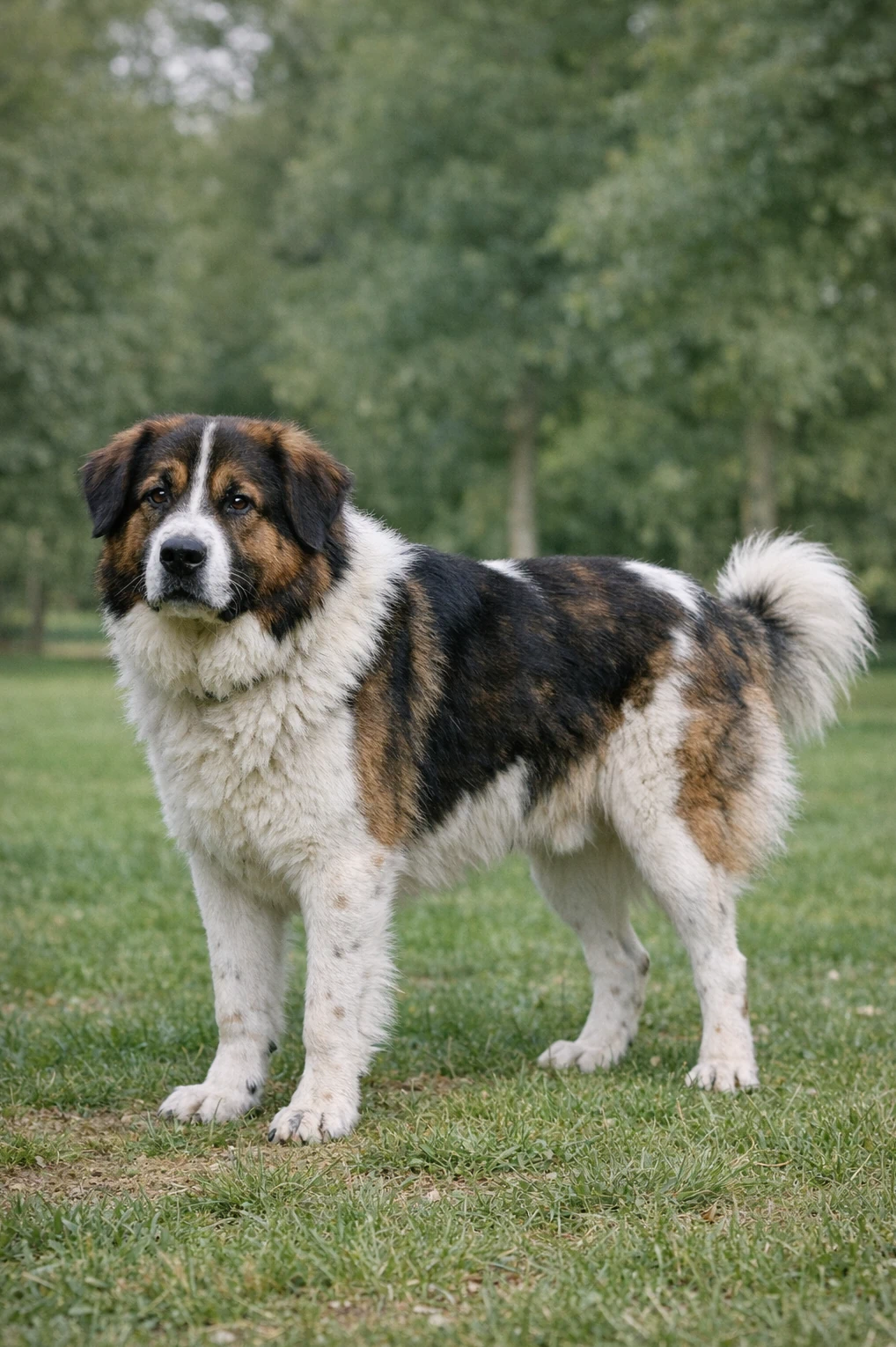
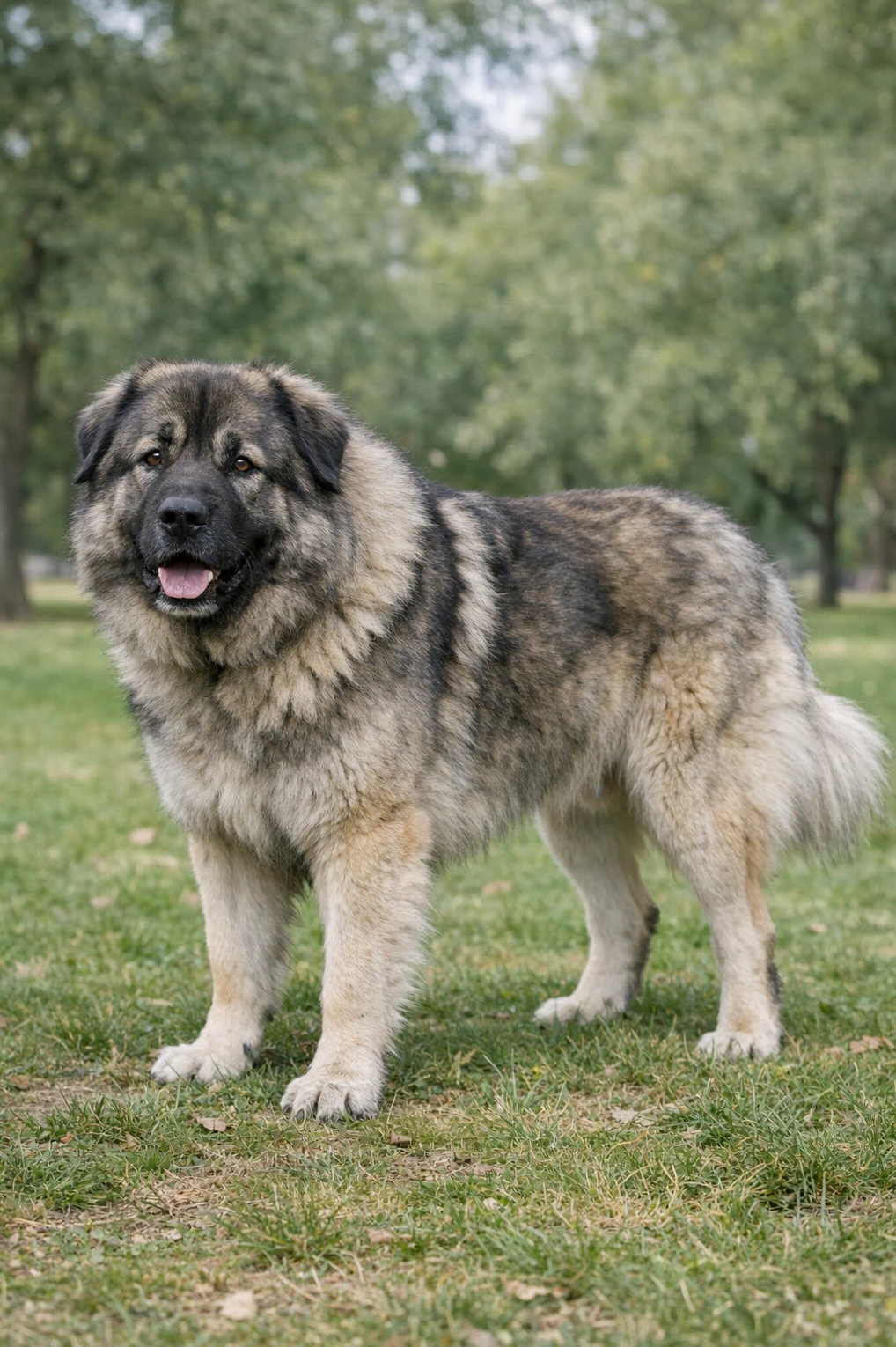
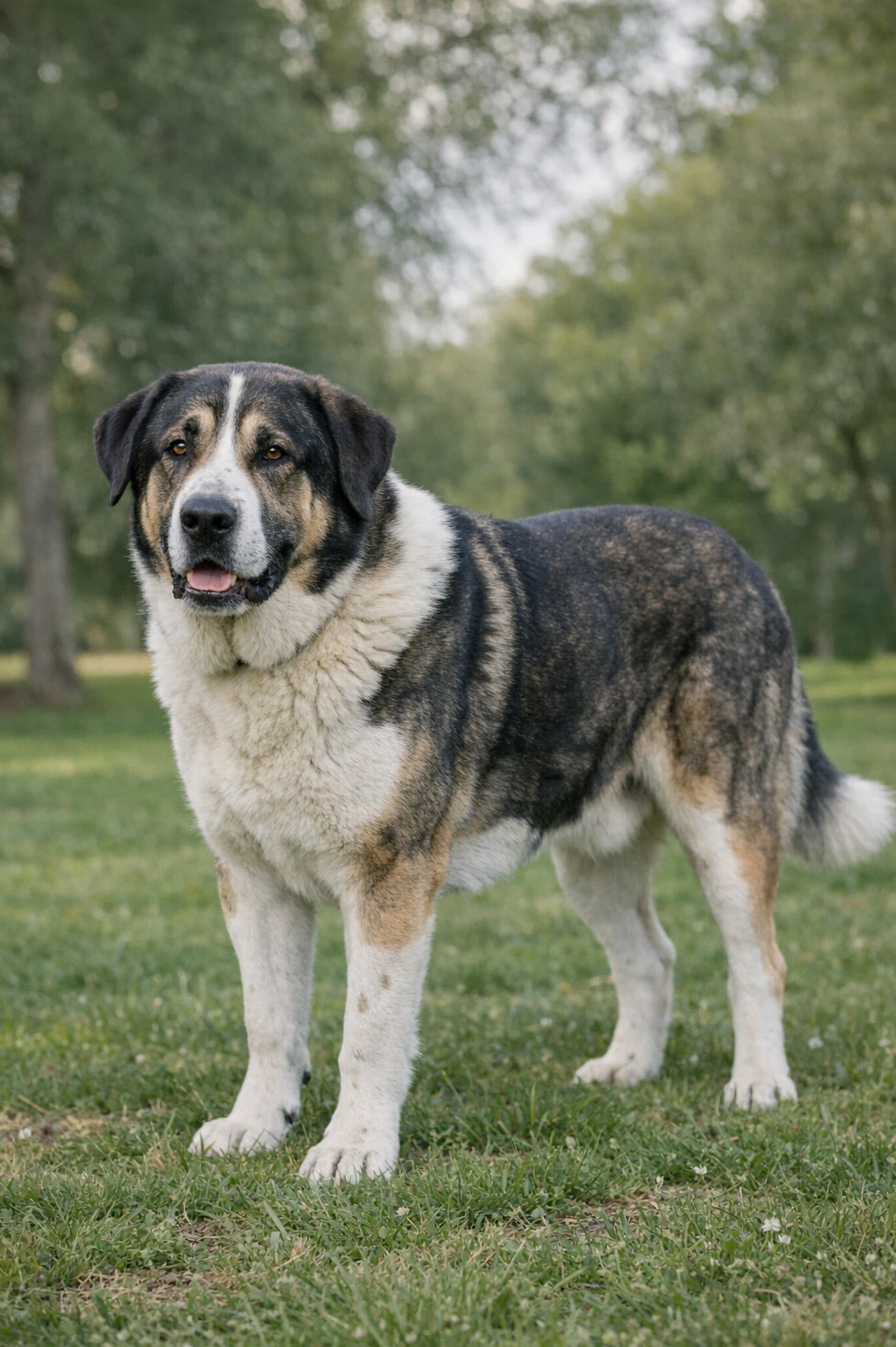
Large guardian, about 25 to 29 inches tall and 77 to 132 pounds. Self-assured, serene and muscular. Nutritional verdict: needs protein-rich, balanced meals with joint-supporting nutrients for sustained strength daily.
Understanding the Rafeiro do Alentejo Metabolism and Energy Needs
As a traditional guardian from Portugal's Alentejo plains, this large, steady dog was bred to protect flocks, spend long hours outdoors, and rely on strength rather than constant speed. That history means adult maintenance needs favor durable, lean muscle and slow-release energy, rather than sprint-focused fuel. Modern companions keep the same frame and joint demands, so diets should reflect long-term support.
Higher-quality animal protein helps preserve robust musculature, for example 22–28% protein from meat sources supports repair and endurance. Healthy fats, like fish oil and chicken fat, give concentrated calories and promote a weather-resistant coat and clear thinking, while controlled carbohydrates from whole grains or vegetables provide fiber without excess calories. Supplements such as glucosamine and chondroitin protect hips and knees, and omega-3s reduce inflammation and maintain skin health.
Managing Rafeiro do Alentejo Genetic Health Risks Through Nutrition
Rafeiro do Alentejo Feeding & Calorie Calculator
Estimated Daily Calories
Tip: Start with this amount and adjust after 2–3 weeks based on your dog's body condition and weight trend.
This estimate provides a starting point for feeding. Individual calorie needs may vary depending on metabolism, body condition, and health status. Always monitor your dog's weight and consult your veterinarian when adjusting diet.
Foods and Ingredients to Avoid for Rafeiro do Alentejo Dogs
Rich, fatty table scraps and high-fat treats can quickly lead to unwanted weight gain in a large dog like a Rafeiro do Alentejo, which already carries a lot of mass on its joints.
Excess body fat increases stress on hips and elbows and can worsen mobility over time.
High fat can also trigger pancreatitis in some dogs, which is a painful, potentially serious condition.
Stick to lean protein and measured treats to protect their joints and digestion.
Large-breed pups need carefully balanced calcium, phosphorus, and calories while they grow, because too much can accelerate bone growth and lead to joint problems such as hip dysplasia.
Over-supplementing with adult-formula foods, human calcium supplements, or free-feeding rich diets can be risky for a Rafeiro puppy.
Use a diet formulated for large-breed growth, follow feeding guidelines, and check with your vet before adding supplements to support proper skeletal development.
Ingredients like large amounts of legumes, certain peas, and some high-fiber fillers can cause excess gas and bloating in sensitive dogs.
For a deep-chested, large dog that is more vulnerable to gastric dilatation and volvulus, frequent bloating and gas are a concern worth minimizing.
Choose recipes with easily digestible carbohydrates and moderate fiber levels, and watch for signs of discomfort after meals so you can adjust the diet appropriately.
Very palatable, calorie-dense kibble or lots of wet toppers can make a dog gulp food quickly, which increases the risk of swallowing air and possibly bloat for a large-chested breed.
Rapid eating also makes portion control harder and can contribute to overeating.
Use slower-feeding bowls, measured portions, and meal pacing strategies to reduce the chance of rapid intake and to keep digestion calmer.
Artificial preservatives, colors, and low-quality fillers may irritate skin and digestion in dogs with sensitivities.
While not unique to the Rafeiro do Alentejo, these additives offer little nutritional benefit and can complicate management of coat, skin, and gastrointestinal health in a large, active dog.
Opt for whole-food ingredients and natural preservation when possible, and monitor your dog for itchy skin or loose stools after switching foods.
Chocolate, grapes, raisins, xylitol, onions, and garlic are toxic to dogs and should never be given, regardless of breed size.
Although a larger dog may tolerate a smaller accidental exposure less poorly than a tiny dog, these foods can still cause serious illness and require urgent veterinary care.
Store human foods out of reach, avoid feeding from the table, and teach family members and visitors what is off-limits to keep your Rafeiro safe.
How Nutritional Needs Change Throughout the Rafeiro do Alentejo Life Stages
Rafeiro do Alentejo dogs have changing nutritional needs at puppyhood, adulthood and senior years. Growth rate, activity level and breed-specific health tendencies shape how much and what type of food they need at each stage. As a giant, confident and calm livestock guardian, their diet should support steady growth, strong muscles and healthy joints while avoiding rapid weight gain or nutritional imbalances.
| Life Stage | Age Range | Primary Objective | Key Nutrient Focus |
|---|---|---|---|
| Puppy | 0–18 months | controlled skeletal development, immune support, brain development | DHA, balanced calcium/phosphorus, high-quality protein |
| Adult | 1.5–5 years | lean muscle maintenance and sustained energy | high-quality protein, omega-3 fatty acids, fiber |
| Senior | 5+ years | joint mobility, metabolic health, and cognitive support | glucosamine, chondroitin, antioxidants, lower calories |
Rafeiro do Alentejo puppies grow into very large, powerful adults, so their growth needs to be steady rather than rushed. Slow, controlled growth helps protect developing bones and joints, so avoid high-calorie free-feeding and rapid weight gain. Feed smaller, frequent meals, typically three to four times daily, to support digestion and reduce bloat risk while matching their calm but strong activity pattern.
Choose a large-breed puppy formula with controlled levels of calcium and phosphorus, high-quality protein for muscle development, and healthy fats including DHA for brain and eye development. Monitor body condition closely to prevent excess weight that stresses hips and elbows, and discuss supplements with your vet rather than adding them on your own.
Adult Rafeiro do Alentejo need nutrition that preserves their powerful build while preventing excess weight. A steady diet with quality animal protein to maintain muscle and moderate fat for energy is ideal, paired with balanced carbohydrates for sustained activity. Look for a large-breed adult formula that meets caloric needs without promoting rapid weight gain.
Feed twice daily to support digestion and reduce bloat risk, and match portions to activity level, since these dogs are calm most of the time but can be surprisingly active when working. Regular, moderate exercise helps keep muscle tone and joint health, and periodic weight checks will guide adjustments in calories or treats to protect hips and overall mobility.
As Rafeiro do Alentejo enter their senior years, metabolism slows and activity usually decreases, which raises the risk of weight gain that strains joints. Digestive efficiency and dental comfort can decline, so choose diets with highly digestible protein to preserve muscle while moderating calories. Prioritize joint-support ingredients like glucosamine and omega-3 fatty acids, and add antioxidants such as vitamin E to help cellular health.
Serve smaller, more palatable meals and consider softer kibble or moistened food if chewing is an issue, while monitoring body condition and mobility closely. Work with your vet to fine-tune calorie intake and any supplements, balancing lower calories with enough nutrients to protect hips, elbows and overall energy.
Kibble vs Fresh vs Raw for Rafeiro do Alentejo
Different feeding models suit different lifestyles and energy needs.
For a confident, calm, and powerful Rafeiro do Alentejo, factors like joint support, calorie control, and convenience often matter most.
Pros
- Convenient and easy to portion for busy owners.
- Large-breed formulas support joint health and controlled calories.
- Shelf-stable for working dogs on farms.
- Complete nutrition in every serving reduces balancing errors.
Cons
- Lower moisture content can be an issue for dogs who drink less.
- Some brands use fillers that add unnecessary calories.
- May not tempt very picky eaters.
- Overfeeding calorie-dense formulas risks weight gain in calmer dogs.
Pros
- Highly digestible and often well accepted by picky dogs.
- High moisture supports hydration and healthy digestion.
- You control ingredient quality and joint-support supplements.
- Easy to tailor calories for working or resting days.
Cons
- Requires careful planning to meet large-breed calcium needs.
- Time-consuming and more expensive than kibble.
- Needs refrigeration and regular meal prep.
- Imbalance risks can affect developing joints if not managed.
Pros
- High protein supports muscle mass in powerful breeds.
- Some owners report improved coat condition and energy.
- Raw meaty bones can help dental health when used safely.
- Minimal processing preserves many natural nutrients.
Cons
- Bacterial contamination risk for dogs and household members.
- Requires precise balancing for calcium and phosphorus needs.
- Bones can fracture teeth or cause intestinal obstructions.
- Not recommended without veterinary guidance, especially for puppies.
| Diet Type | Pros for Rafeiro do Alentejo | Potential Downsides |
|---|---|---|
| High-Quality Kibble |
|
|
| Fresh Cooked Food |
|
|
| Raw Diet (BARF) |
|
|
Our Recommendation
For most Rafeiro do Alentejo owners, a high-quality large-breed kibble with joint support is a practical, balanced choice.
Fresh cooked or carefully managed raw diets can work well if you have the time and veterinary guidance to keep calcium and joint needs in check.
See Also
Breeds with similar group, size, and coat characteristics