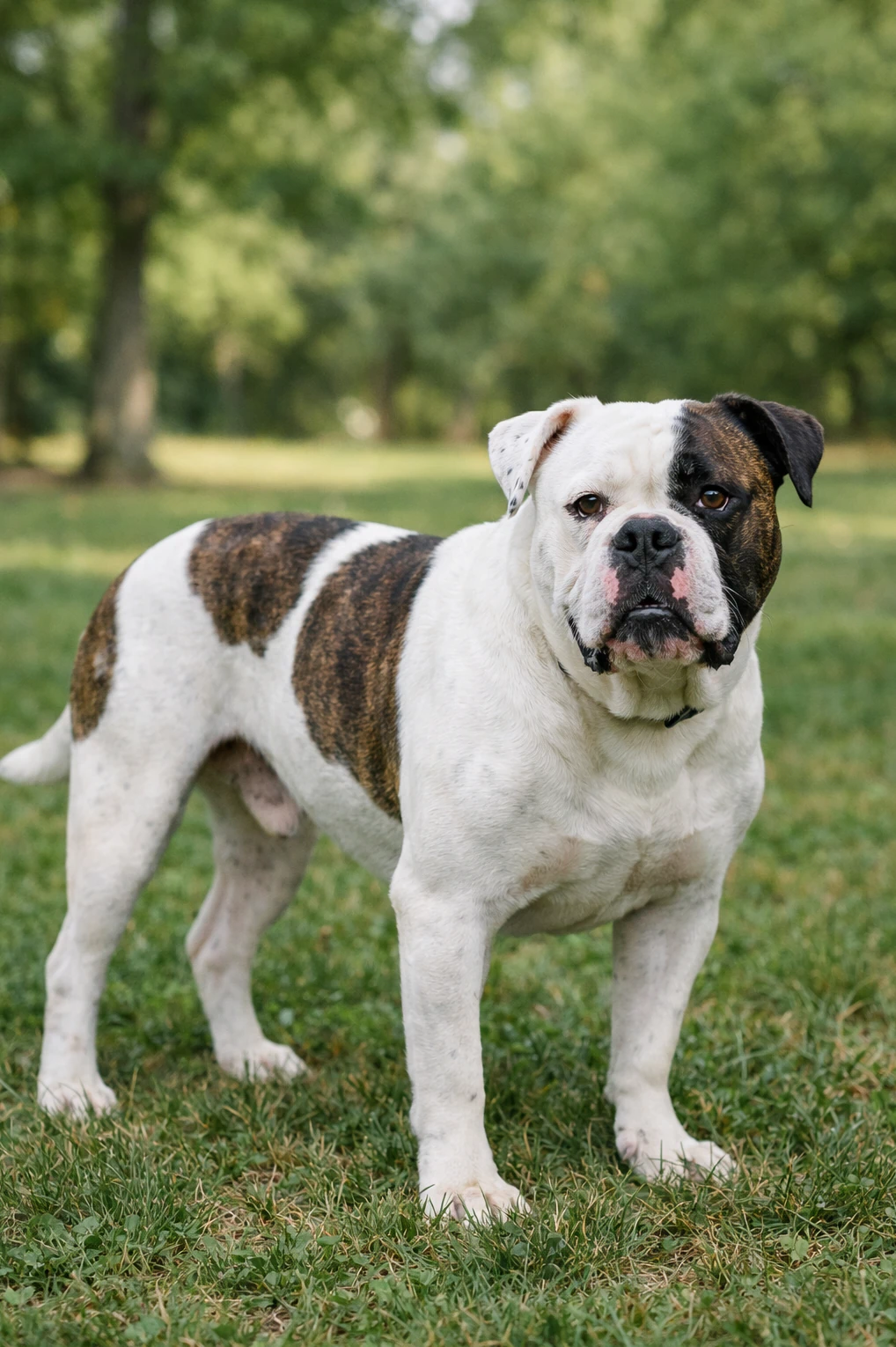
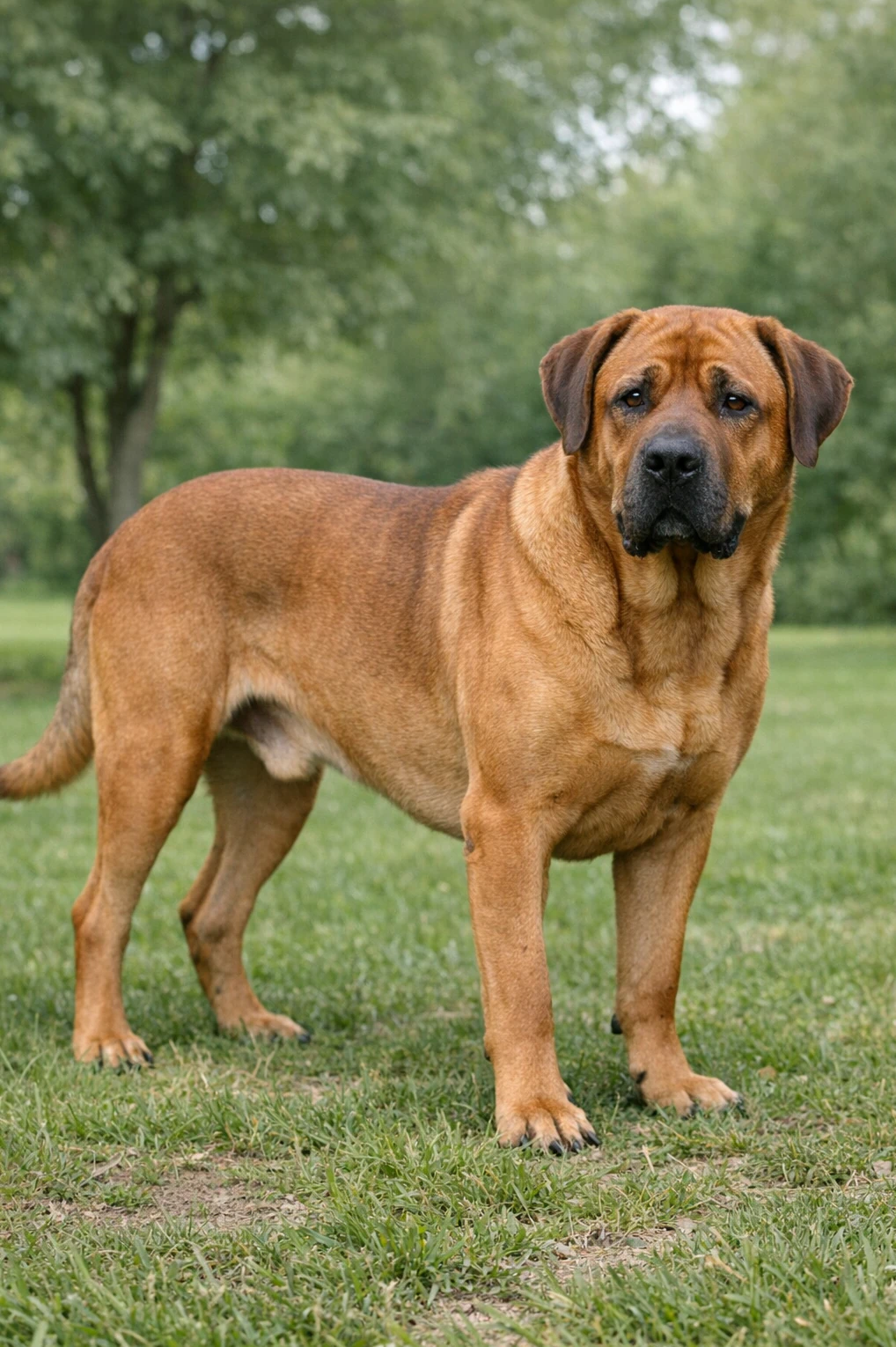
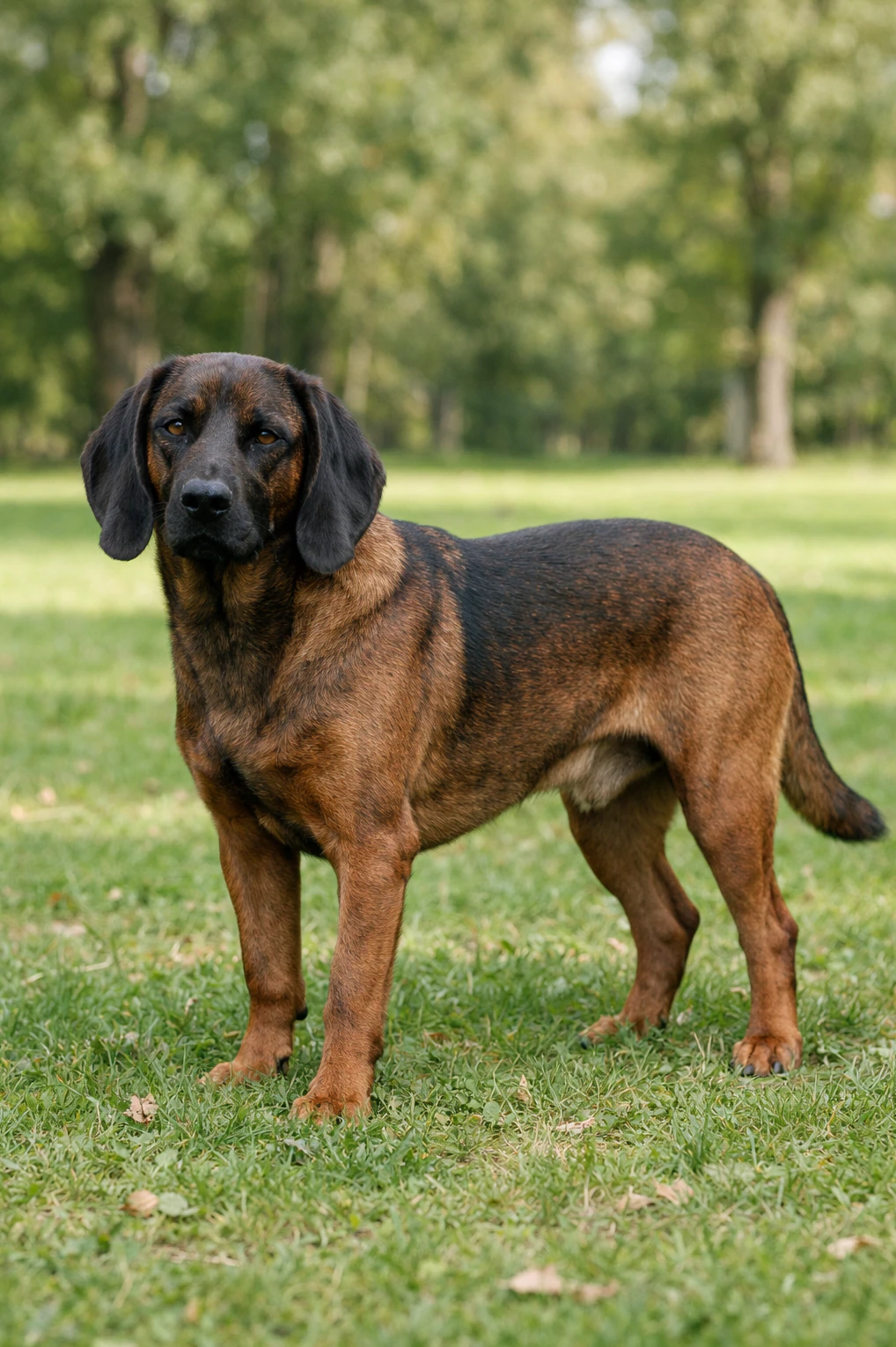
Best Dog Food for Catahoula Leopard Dog in 2026Based on Nutritional Science
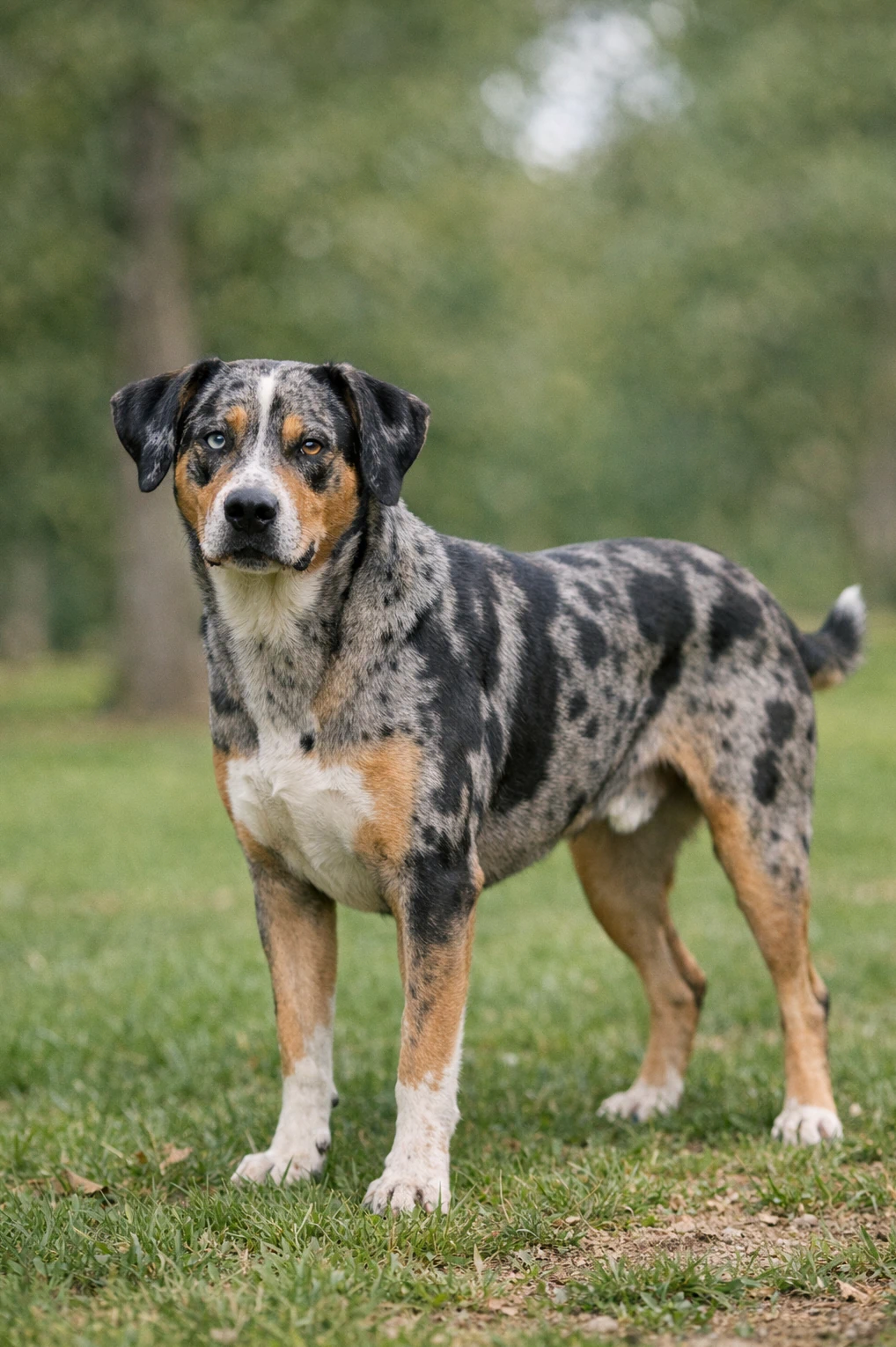
Catahoula Leopard Dog, 22 to 24 inches tall and 50 to 95 pounds, is self-reliant, devoted, and vigilant. Nutritional verdict: active, muscular build benefits from high-quality protein, balanced fats, and joint-supporting nutrients for steady energy.
Understanding the Catahoula Leopard Dog Metabolism and Energy Needs
This Southern-born working type was developed for tracking, herding and making quick decisions in rough country, so its diet should support stamina, lean muscle and mental sharpness. Because these dogs are self-reliant, devoted and constantly on the alert, feeding for sustained energy and joint durability matters as much as flavor and safety.
Higher levels of quality animal protein help preserve the lean mass needed for long pursuits and sudden bursts, while healthy fats act as dense fuel for prolonged activity; marine oils also soothe mild inflammation and keep the coat healthy. Slow-release carbohydrates like sweet potato or oats top up glycogen without spiking blood sugar, helping steady focus during long outings.
Targeted supplements such as glucosamine with chondroitin support joints after heavy work, antioxidants safeguard recovery, and B vitamins with omega-3s aid cognitive function. Portion control and activity-matched calories prevent unwanted weight that can stress joints, keeping an active companion fit and content.
Managing Catahoula Leopard Dog Genetic Health Risks Through Nutrition
Hip Dysplasia
Helpful nutrients
Elbow Dysplasia
Helpful nutrients
Deafness (congenital or age-related)
Helpful nutrients
Eye Disorders (PRA, cataracts, other degenerative issues)
Helpful nutrients
Skin Allergies and Irritation
Helpful nutrients
Weight Management and Obesity
Helpful nutrients
Catahoula Leopard Dog Feeding & Calorie Calculator
Estimated Daily Calories
Tip: Start with this amount and adjust after 2–3 weeks based on your dog's body condition and weight trend.
This estimate provides a starting point for feeding. Individual calorie needs may vary depending on metabolism, body condition, and health status. Always monitor your dog's weight and consult your veterinarian when adjusting diet.
Foods and Ingredients to Avoid for Catahoula Leopard Dog Dogs
Catahoulas are active, muscular dogs, but excess dietary fat can still be a concern.
High-fat treats, greasy table scraps, and fatty cuts of meat can contribute to rapid weight gain and increase the chance of pancreatitis, a painful inflammation of the pancreas.
Keeping fats from healthy sources and moderating overall calorie intake helps protect their hips and joints, which is important for a medium-large dog that needs to stay lean and mobile for work and play.
Diets that swap grains for large amounts of peas, lentils, chickpeas, or potato have been associated with reports of heart rhythm problems in some dogs.
While not every dog is affected, large-breed dogs like Catahoulas may be more vulnerable to the consequences of reduced cardiac function.
Avoid feeding a diet where legumes or potatoes are the main ingredient until you have discussed it with your veterinarian, especially if your dog has any signs of fatigue, coughing, or exercise intolerance.
Large-breed puppies need a balanced, controlled rate of growth to develop strong, well-formed bones.
Too much calcium or overly rich calories early in life can contribute to abnormal bone growth and joint problems such as hip or elbow dysplasia.
Choose puppy formulas labeled for large or giant breeds and follow feeding guidelines, because steady, moderate growth supports healthy skeletal development for a Catahoula as it matures.
Chocolate, grapes and raisins, xylitol (found in some sugar-free gums and baked goods), onions, and garlic are toxic to dogs and should never be offered.
Reactions range from stomach upset to life-threatening organ damage depending on the ingredient and amount eaten.
Keep these items well out of reach and teach family members and guests which human foods are unsafe, so your Catahoula stays protected during meals and celebrations.
Some dogs are sensitive to artificial preservatives, colors, and flavorings, which can lead to itchy skin, digestive upset, or chronic inflammation.
Ingredients like BHA, BHT, and certain dyes may trigger reactions in sensitive dogs even if they do not make every dog ill.
Choosing foods with natural preservation methods and limited, recognizable ingredients can be gentler on the coat and stomach of a Catahoula that tends toward skin sensitivities.
Cooked bones and very hard chews can splinter and cause choking, mouth injuries, or intestinal blockages.
Large, brittle bones may also crack teeth, which is painful and may require dental procedures.
If you give chews, opt for appropriately sized, softer options designed for strong chewers and supervise chewing sessions closely, or discuss safe alternatives with your veterinarian to protect your dog's mouth and digestive tract.
How Nutritional Needs Change Throughout the Catahoula Leopard Dog Life Stages
Dogs need different nutrition across life stages: puppyhood, adulthood, and senior years. A Catahoula Leopard Dog’s needs shift as it grows from a fast-developing, active youngster into a muscular working adult and then into a senior that may slow down. These needs are shaped by the breed’s growth rate, high activity level, size, and any common health tendencies, so feeding plans should adapt over time.
| Life Stage | Age Range | Primary Objective | Key Nutrient Focus |
|---|---|---|---|
| Puppy | 0–18 months | controlled skeletal development, immune support, brain development | DHA, balanced calcium/phosphorus, high-quality protein |
| Adult | 1.5–5 years | lean muscle maintenance and sustained energy | high-quality protein, omega-3 fatty acids, fiber |
| Senior | 5+ years | joint mobility, metabolic health, and cognitive support | glucosamine, chondroitin, antioxidants, lower calories |
Catahoula Leopard Dog puppies grow quickly into a large, active adult, so their early nutrition should support steady, controlled growth and healthy skeleton formation. Focus on high quality protein, balanced calcium and phosphorus, and essential fatty acids like DHA for brain development. Because they can be energetic and independent, adequate calories are important without encouraging overly rapid weight gain.
Feed puppies three to four smaller meals a day to manage energy and reduce stress on developing joints. Choose formulas for large or giant breed puppies to help control growth rate and include glucosamine precursors if recommended by your vet. Monitor weight and body condition, and adjust portions as they mature.
As adults, Catahoula Leopard Dogs are muscular, active and often keep busy on patrol or play, so protein helps maintain lean muscle and healthy body condition. Aim for a diet with quality animal protein around 20 to 30 percent of calories depending on activity, with moderate healthy fats for energy and omega fatty acids for skin and coat. Because they are watchful and independent, consistent feeding routines help manage training and behavior.
Feed two meals a day to stabilize energy and avoid grazing that can lead to weight gain. Match portions to daily activity, increasing for working dogs and trimming for more sedentary pets. Regular exercise, mental enrichment, and periodic body condition checks are key to keeping an adult Catahoula fit and happy.
As Catahoulas age, metabolism often slows while joint wear and tear can affect mobility, especially in a large, active breed. Older dogs may lose muscle and have reduced calorie needs, yet still require high quality protein to preserve lean mass. Increase joint support through omega-3 fatty acids, glucosamine and chondroitin if your vet approves, and include antioxidants like vitamin E and selenium to support healthy aging.
Adjust calories to prevent weight gain while keeping meals nutrient dense, and consider smaller, more frequent meals if appetite or digestion changes. Add soluble fiber to help regularity and choose kibble suited for senior teeth, or moisten food if dental issues arise. Regular vet checks help tailor diet to changing health needs.
Kibble vs Fresh vs Raw for Catahoula Leopard Dog
Catahoula Leopard Dogs have an active, working nature and benefit from diets that match their energy needs.
Different feeding models suit varied routines, budgets, and owner comfort with meal prep.
Pros
- Convenient and easy to portion for active handlers.
- Large-breed formulas support lean muscle and sustained energy for work.
- Crunchy kibble helps reduce tartar and keeps teeth cleaner.
- Long shelf life and simple storage suit rural or busy households.
Cons
- Some brands use fillers or lower-quality ingredients lacking essential nutrients.
- Lower moisture content may not suit dogs that drink less during work.
- Needs careful portioning to prevent weight gain in less active seasons.
- High-quality formulas can be pricier than generic options.
Pros
- Highly palatable, great for picky or selective eaters.
- High moisture supports hydration after long activity.
- Owner control over ingredients helps manage food sensitivities.
- Easier to adjust calories for growth, work days, or weight control.
Cons
- Requires careful recipes and supplements to ensure balanced nutrition.
- More time and refrigeration are needed for regular meal prep.
- Cost can add up quickly for larger, active dogs.
- Shorter shelf life raises spoilage risk in warm climates.
Pros
- High protein mimics ancestral diet for working, active dogs.
- Some owners report improved coat sheen and increased vitality.
- Minimally processed ingredients may feel more natural and fresh.
- Can be tailored to address individual allergies or sensitivities.
Cons
- Strict hygiene is required to avoid bacterial contamination risks.
- Whole bones can pose choking or tooth fracture risks.
- Hard to balance minerals and vitamins without veterinary guidance.
- Practical challenges include freezer space, prep time, and sourcing quality ingredients.
| Diet Type | Pros for Catahoula Leopard Dog | Potential Downsides |
|---|---|---|
| High-Quality Kibble |
|
|
| Fresh Cooked Food |
|
|
| Raw Diet (BARF) |
|
|
Our Recommendation
For most Catahoulas, a high-quality kibble formulated for active, large-breed dogs provides consistent nutrition and convenience.
Fresh cooked food is a strong option for owners who want ingredient control, while raw diets suit experienced handlers who can manage hygiene and proper nutrient balance.
See Also
Breeds with similar group, size, and coat characteristics