Best Dog Food for Hanoverian Scenthound in 2026Based on Nutritional Science
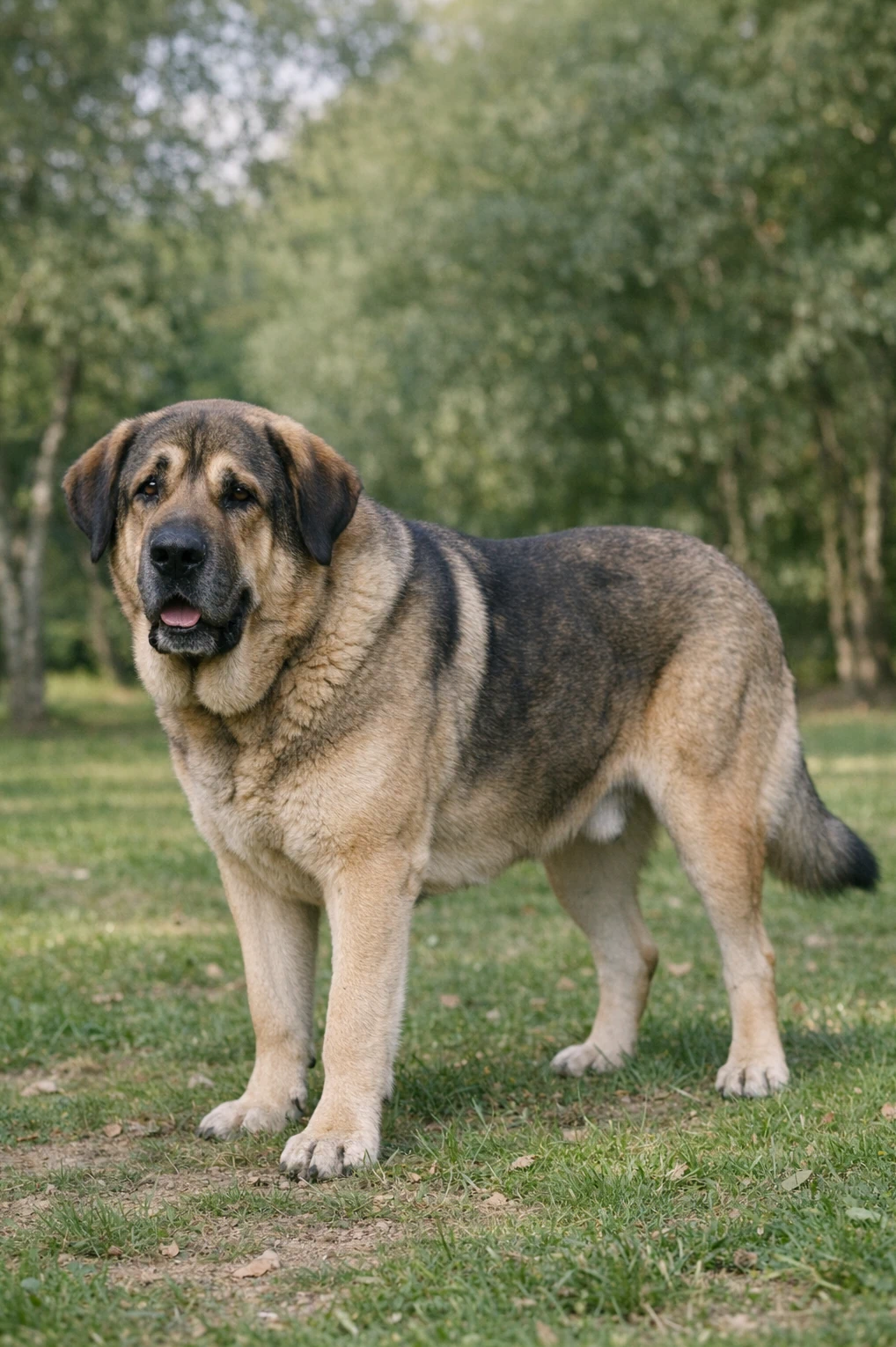
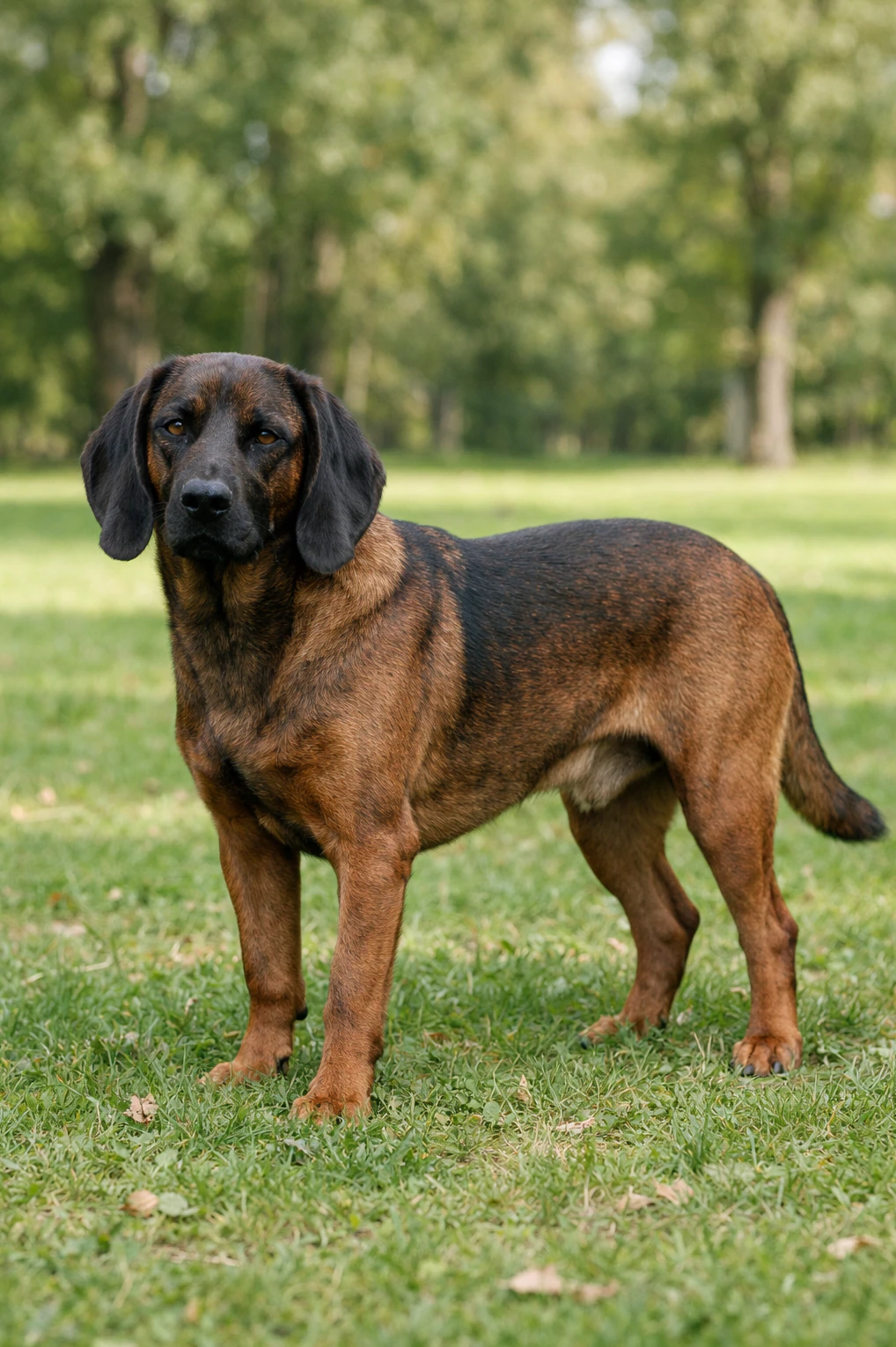
Hanoverian Scenthound stands about 19 to 21 inches and weighs 79 to 99 pounds. This self-reliant, devoted, even-tempered hound thrives on high-quality protein, balanced fats, and joint-supporting supplements. Nutritional verdict: steady, portion-controlled diet.
Understanding the Hanoverian Scenthound Metabolism and Energy Needs
As a scent hound developed to follow trails for long hours, the Hanoverian Scenthound needs a diet that supports endurance and a keen nose. Higher quality animal protein, roughly 28 to 32 percent of calories, helps maintain lean muscle and repair the specialized tissues used in tracking, while supporting steady recovery after outings.
Their self-reliant, devoted and steady temperament means they often work at a measured pace rather than sprint, so moderate fats, about 18 to 22 percent, provide long-burning energy and support brain function without promoting excess weight. Complex carbohydrates from whole grains or vegetables supply consistent fuel for lengthy tracking sessions, but should be kept modest to avoid sluggishness.
Targeted nutrients matter too. Omega-3s support cognitive sharpness and nasal health, joint supplements like glucosamine help aging trackers stay active, and B vitamins aid efficient energy use, all reflecting their heritage and everyday needs.
Managing Hanoverian Scenthound Genetic Health Risks Through Nutrition
Digestive sensitivity
Helpful nutrients
Weight management
Helpful nutrients
Joint health
Helpful nutrients
Growth and life stage needs
Helpful nutrients
Hydration and electrolyte balance
Helpful nutrients
Hanoverian Scenthound Feeding & Calorie Calculator
Estimated Daily Calories
Tip: Start with this amount and adjust after 2–3 weeks based on your dog's body condition and weight trend.
This estimate provides a starting point for feeding. Individual calorie needs may vary depending on metabolism, body condition, and health status. Always monitor your dog's weight and consult your veterinarian when adjusting diet.
Foods and Ingredients to Avoid for Hanoverian Scenthound Dogs
Hanoverian Scenthounds are medium-large working dogs with active metabolisms, but too much dietary fat can still cause rapid weight gain and digestive upset.
Rich table scraps, fried foods, and fatty cuts of meat can overwhelm their system and increase the chance of pancreatitis in susceptible dogs.
Stick to lean protein sources and measure portions, and talk with your veterinarian about the right fat level for your dog’s activity and life stage to keep them trim and comfortable.
Because this breed reaches a substantial adult size, growing Hanoverian Scenthound puppies need balanced calories and minerals to support steady bone development.
Too much calcium, too many calories, or free-choice adult foods can speed growth and raise the risk of joint and orthopedic problems later on.
Follow breeder and vet guidance on a large-breed puppy formula and feeding schedule, and avoid extra calcium supplements unless prescribed by a professional.
Some grain-free diets that rely heavily on peas, lentils, chickpeas, or potatoes have been linked to heart concerns in certain dogs, especially when they make up a large portion of the recipe.
For a medium-large breed like the Hanoverian Scenthound, heart health and endurance matter, so diet choices deserve care.
Prefer balanced formulas with recognizable protein sources, and discuss ingredient choices with your veterinarian if you are considering a grain-free option.
Cooked bones can splinter and raw large bones may break teeth or cause blockages, which is a higher concern for a strong-mouthed 79 to 99 pound scent hound that can gulp or chew aggressively.
Gastrointestinal perforations and dental fractures are painful and often require emergency care.
If you offer chews, choose vet-approved options sized appropriately, supervise chewing sessions, and remove any pieces that become small enough to swallow whole.
Some Hanoverian Scenthounds can be sensitive to additives that irritate the skin or upset digestion, so avoiding artificial preservatives like BHA, BHT, and certain colors can help reduce flare-ups.
Long-term exposure to unnecessary additives also contributes nothing to nutrition and may complicate food sensitivities.
Look for diets preserved naturally and with simple ingredient lists, and monitor your dog’s coat and digestion when trying new foods.
Common human foods such as xylitol, chocolate, grapes and raisins, onions, garlic, and alcoholic products are toxic to dogs and should never be offered.
Large dogs may tolerate small amounts of some items better than tiny breeds, but toxicity is unpredictable and can cause life-threatening reactions.
Keep harmful foods well out of reach, know the emergency number for your vet or poison control, and seek prompt care if you suspect your dog ate something dangerous.
How Nutritional Needs Change Throughout the Hanoverian Scenthound Life Stages
Dogs need different nutrition as they move from puppyhood to adulthood and then into senior years. Growth, activity, and health tendencies shape what and how much they need at each stage, and those factors vary by breed. For a Hanoverian Scenthound, size, growth rate, and typical energy patterns guide choices like calorie levels, protein quality, and joint support, so they grow strong and enjoy a long, comfortable life.
| Life Stage | Age Range | Primary Objective | Key Nutrient Focus |
|---|---|---|---|
| Puppy | 0–18 months | controlled skeletal development, immune support, brain development | DHA, balanced calcium/phosphorus, high-quality protein |
| Adult | 1.5–5 years | lean muscle maintenance and sustained energy | high-quality protein, omega-3 fatty acids, fiber |
| Senior | 5+ years | joint mobility, metabolic health, and cognitive support | glucosamine, chondroitin, antioxidants, lower calories |
Hanoverian Scenthound puppies are giant-breed youngsters, which means steady, controlled growth is essential to protect developing bones and joints. Feed a formula made for large or giant-breed puppies with controlled calcium and phosphorus, high quality protein for lean muscle, and DHA for brain and eye development. Smaller, more frequent meals, three to four times a day when very young, then moving to two or three, help balance energy and reduce stress on the skeleton.
Your curious Hanoverian puppy is moderately active, so calories should support play without encouraging overly rapid weight gain. Consider early joint support nutrients and keep exercise low impact until growth plates close. Check in with your veterinarian or breeder to tailor portion size and the best nutrient balance for this breed's size and any health tendencies.
As adults, Hanoverian Scenthounds need a steady diet to maintain lean muscle and consistent energy for daily scent work or relaxed companionship. Aim for a food with high quality animal protein and moderate fat to support muscle repair and steady activity, keeping calories in check so they stay fit and content. Include omega-3 fatty acids for skin and coat health and digestible carbohydrates for steady energy.
Feed two meals a day to help digestion and weight control, adjusting portions for activity level as working dogs need more calories than calm household companions. Monitor body condition and adjust fat and calorie intake rather than protein, and schedule periodic weight or body condition checks with your veterinarian to catch any changes early.
In their senior years, Hanoverian Scenthounds often experience a slower metabolism, changes in digestion, and the first signs of reduced mobility. Calorie needs commonly decrease even as muscle mass may begin to decline, so increase high quality protein that is easily digestible while reducing excess fat to maintain a healthy weight. Soften kibble or add wet food if dental wear makes chewing harder, and provide fiber and probiotics to support gentle digestion.
Joint support becomes more important for this large breed, so look for glucosamine, chondroitin and omega-3 fatty acids, along with antioxidants like vitamin E to support healthy aging. Adjust portions and monitor body condition regularly, and work with your veterinarian to screen for breed-specific concerns so you can tailor calorie intake, supplements and any therapeutic diets that help your Hanoverian Scenthound stay comfortable, mobile and happily engaged in daily walks.
Kibble vs Fresh vs Raw for Hanoverian Scenthound
Different feeding models suit different lifestyles and activity levels, and each has pros and downsides.
For Hanoverian Scenthounds, consider their scenting drive, size, and calm independence when choosing a diet.
Pros
- Convenient and easy to portion for busy owners.
- Consistent, balanced nutrition supports this breed's joint and muscle needs.
- Crunchy texture helps reduce tartar through chewing.
- Stable shelf life and portability suit active scent work outings.
Cons
- Lower moisture content may not suit dogs that drink little water.
- Some formulas include fillers or ingredients that trigger sensitivities.
- Portion control is important, or obesity risk increases for calmer dogs.
- Less enticing for picky, scent-driven Hanoverian Scenthounds.
Pros
- Highly palatable, often wins over picky Hanoverian Scenthounds.
- High moisture content supports hydration during scent work.
- You can tailor recipes for joint support and weight management.
- Fresh ingredients may soothe sensitive stomachs or food sensitivities.
Cons
- More time consuming than kibble, with daily meal prep.
- Higher cost, especially for large-bodied dogs.
- Requires careful planning to ensure complete nutrition long term.
- Needs refrigeration and safe handling between outings.
Pros
- High protein mimics ancestral diet, useful for scent-hound endurance.
- Some owners report shinier coat and improved energy.
- Minimal processing preserves natural nutrients in whole foods.
- Can be tailored to support healthy weight and activity levels.
Cons
- Higher risk of bacterial contamination without strict hygiene.
- Bone feeding can cause choking or dental injuries if not managed.
- Balancing nutrients is challenging without veterinary guidance.
- Not ideal for homes with young children or immunocompromised people.
| Diet Type | Pros for Hanoverian Scenthound | Potential Downsides |
|---|---|---|
| High-Quality Kibble |
|
|
| Fresh Cooked Food |
|
|
| Raw Diet (BARF) |
|
|
Our Recommendation
For most Hanoverian Scenthound owners, high-quality kibble offers a practical, balanced base that fits active outings and steady routines.
Fresh cooked food is a great option for picky dogs or those with sensitivities, while raw diets suit experienced owners with veterinary support and strict hygiene.
See Also
Breeds with similar group, size, and coat characteristics