Best Dog Food for Spanish Mastiff in 2026Based on Nutritional Science
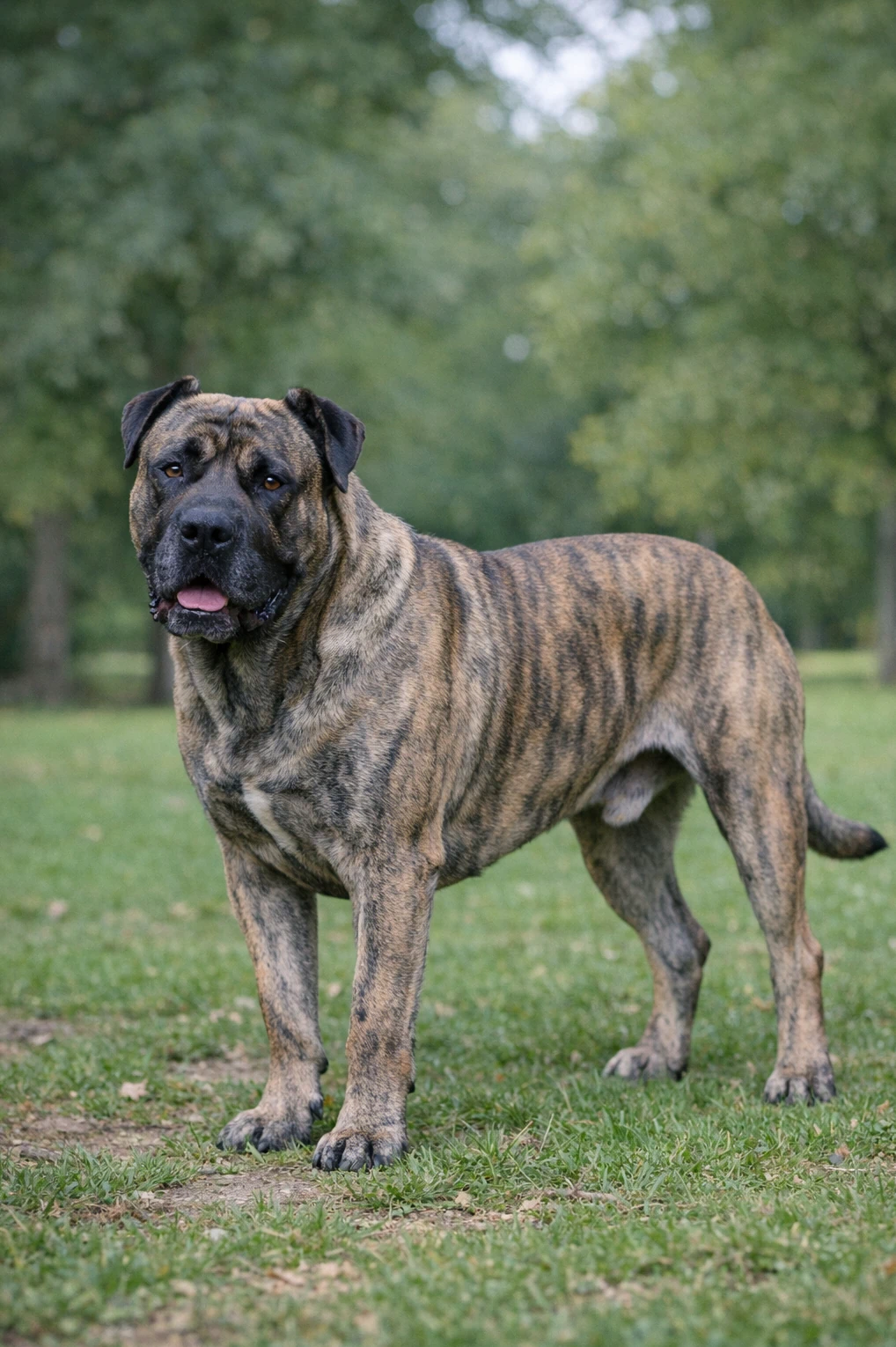
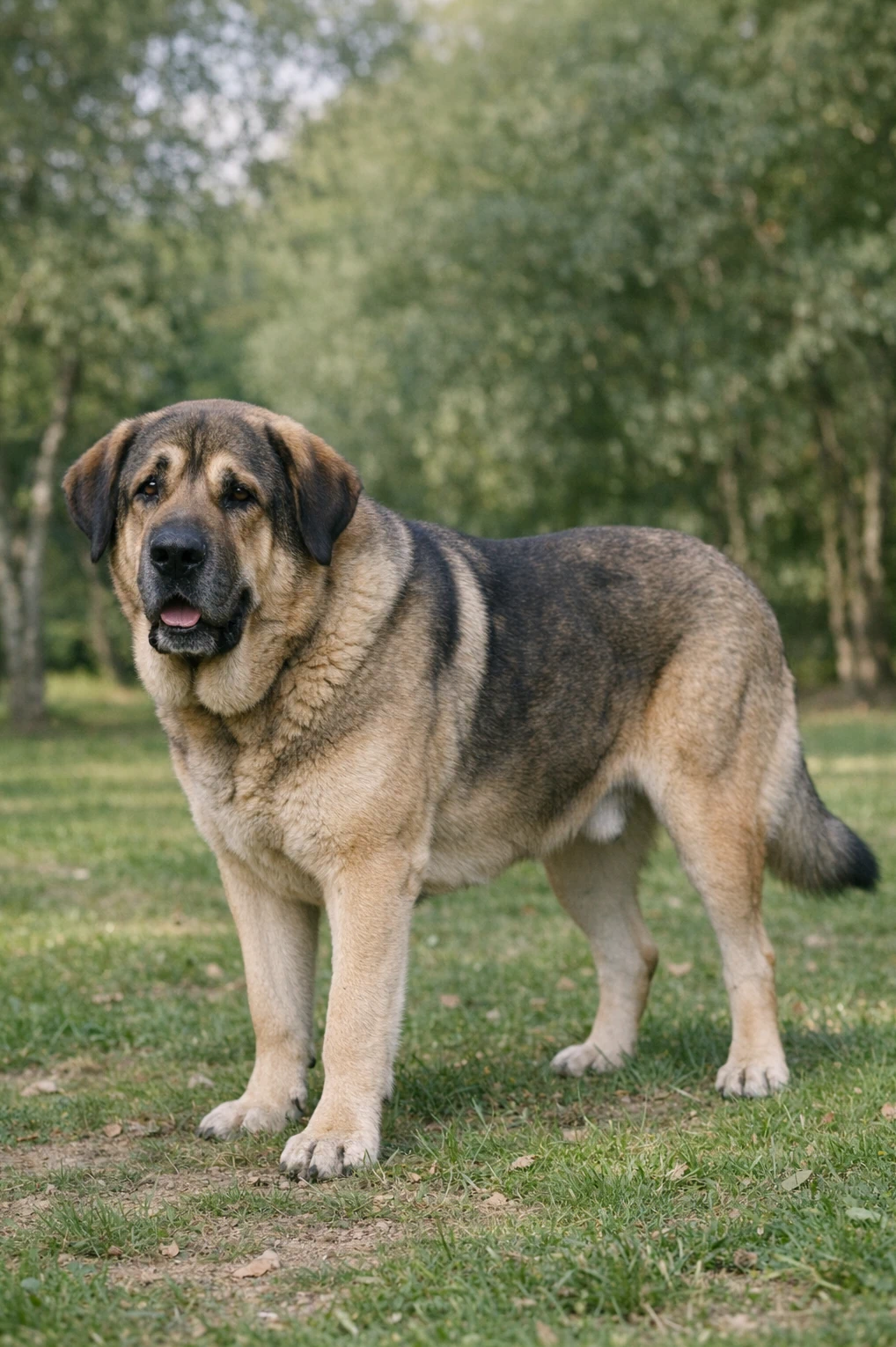
Spanish Mastiff, a large guardian standing about 28 to 35 inches and weighing 140 to 200 pounds, is clever, devoted, and gentle. Nutritional verdict: needs a nutrient-dense, calorie-rich diet to support its size and activity.
Understanding the Spanish Mastiff Metabolism and Energy Needs
Spanish Mastiffs come from a long line of flock guardians, so they developed steady endurance, calm confidence, and a warm devotion to their people. Those thoughtful, loving instincts mean diets should support steady strength and a balanced temperament, rather than quick bursts of energy or empty calories.
High quality protein is key to protect their heavy frame and preserve lean muscle, especially as they age. Moderate healthy fats provide efficient fuel and keep skin and coat soft, but should be portioned to avoid excess weight. Complex carbohydrates and fiber help digestion and provide slow energy for long, low-impact activity.
Joint supplements like glucosamine and chondroitin are wise for supporting large joints, and omega-3s help reduce inflammation and nourish the coat. Growing pups need careful calcium and phosphorus balance to ensure steady bone development, and probiotics support a sensitive gut.
Managing Spanish Mastiff Genetic Health Risks Through Nutrition
Hip Dysplasia
Helpful nutrients
Elbow Dysplasia
Helpful nutrients
Osteoarthritis
Helpful nutrients
Obesity
Helpful nutrients
Bloat (Gastric Dilatation-Volvulus)
Helpful nutrients
Skin Allergies & Irritation
Helpful nutrients
Hypothyroidism
Helpful nutrients
Spanish Mastiff Feeding & Calorie Calculator
Estimated Daily Calories
Tip: Start with this amount and adjust after 2–3 weeks based on your dog's body condition and weight trend.
This estimate provides a starting point for feeding. Individual calorie needs may vary depending on metabolism, body condition, and health status. Always monitor your dog's weight and consult your veterinarian when adjusting diet.
Foods and Ingredients to Avoid for Spanish Mastiff Dogs
Spanish Mastiffs are large, powerful dogs and they can still be sensitive to very fatty foods.
High-fat table scraps, greasy commercial treats, or rich human foods can trigger pancreatitis and lead to rapid weight gain, which puts extra stress on already heavy joints.
Keep their diet focused on moderate fat, quality proteins, and controlled calorie portions to protect their pancreas and maintain a healthy weight that supports long-term joint health.
Deep-chested breeds like the Spanish Mastiff are at higher risk for gastric dilatation and volvulus, commonly called bloat, which can be life threatening.
Eating one very large meal, gulping food quickly, or vigorous exercise right after eating increases that risk.
Divide daily food into two or more measured meals, use a slow-feeder bowl if needed, and avoid heavy activity around mealtimes to reduce the chance of bloat and keep digestion smoother.
Given this breed's strong jaw and size, hard bones or very tough chews can seem tempting but they carry real risks.
Cooked bones can splinter and cause perforations, while extremely hard chews may fracture teeth or create choking hazards and intestinal blockages.
Choose safe, appropriately sized chews designed for large breeds, and always supervise chewing so you can remove pieces before they become dangerous.
Large breed puppies like Spanish Mastiffs need controlled calcium, phosphorus, and calorie intake to avoid abnormal bone growth and joint problems.
Diets formulated for smaller breeds or homemade recipes with too much calcium or too many calories can contribute to hip and elbow dysplasia or other skeletal issues.
Feed a reputable large-breed puppy formula during growth phases and follow your veterinarian's guidance on portion size and supplements to support steady, healthy development.
Offering regular human snacks can quietly add calories, salt, and unhealthy fats that lead to obesity and worsen joint strain in a heavy dog.
Seasoned foods and sauces may also upset their stomach or contain ingredients that are unsafe for dogs.
Reserve small, low-calorie treats for training and celebration, and avoid making table scraps a habit so your Mastiff stays at a healthy weight for comfortable movement and long-term joint welfare.
Some foods are outright toxic to dogs regardless of size, and a Spanish Mastiff's larger body does not make them immune.
Chocolate, grapes and raisins, xylitol-sweetened products, onions, and garlic can cause severe illness ranging from vomiting and low blood sugar to kidney failure, depending on the amount.
Keep these items well out of reach, teach family members and guests about dangers, and contact a veterinarian immediately if accidental ingestion is suspected.
How Nutritional Needs Change Throughout the Spanish Mastiff Life Stages
Spanish Mastiffs have changing nutritional needs from puppyhood through adulthood to their senior years. As giant breed dogs, their growth, activity levels and common health tendencies shape how much and what they should eat. Puppies need controlled calories for steady bone and joint development, adults need balanced nutrition to maintain muscle and prevent weight gain, and seniors often require adjustments for slower metabolism and joint support.
| Life Stage | Age Range | Primary Objective | Key Nutrient Focus |
|---|---|---|---|
| Puppy | 0–18 months | controlled skeletal development, immune support, brain development | DHA, balanced calcium/phosphorus, high-quality protein |
| Adult | 1.5–5 years | lean muscle maintenance and sustained energy | high-quality protein, omega-3 fatty acids, fiber |
| Senior | 5+ years | joint mobility, metabolic health, and cognitive support | glucosamine, chondroitin, antioxidants, lower calories |
Spanish Mastiff puppies grow quickly early on but, as a giant breed, they continue a longer growth period than medium dogs. This makes steady, controlled growth essential to protect developing bones and joints.
Feeding should focus on measured calories and a balanced ratio of calcium to phosphorus to avoid rapid skeletal stress. Offer three to four smaller meals per day during early puppyhood, moving to two larger meals as they mature, which also helps reduce bloat risk.
High quality protein supports muscle and cognitive development, while controlled fat keeps energy steady. Include joint-building nutrients like glucosamine and chondroitin, and ensure omega-3 fatty acids for inflammation support. Monitor weight closely, since Spanish Mastiffs are prone to joint problems that worsen with excess pounds.
Adult Spanish Mastiffs reach impressive sizes, often weighing well over 140 pounds, so their adult diet should prioritize maintaining lean muscle, steady energy and healthy joints. Provide high quality animal protein to preserve muscle mass, paired with moderate fat for energy without encouraging excess weight.
Calorie intake should match activity level, which tends toward moderate daily exercise and seasonal guarding, so avoid overfeeding during lower activity periods. Include joint-supporting ingredients such as glucosamine, chondroitin and omega-3s, and choose a diet with controlled calcium to help long-term skeletal health.
Watch body condition regularly, adjust portions to keep a trim waist and comfortable movement, and consider slow feeders to reduce bloat risk during meal times.
Senior Spanish Mastiffs often show slower metabolism, reduced activity and early signs of joint stiffness, so nutrition should be adjusted to support comfort and longevity. Reduce calories modestly if activity falls, while keeping protein high quality and adequate to preserve lean muscle.
Increase joint support through glucosamine, chondroitin and omega-3s from EPA and DHA, and add antioxidants like vitamin E and selenium to help cellular health. Easier-to-digest ingredients and moderate fiber can help with changing digestion and weight control.
Softer kibble or wet mixes can assist if dental wear is an issue. Monitor body condition and mobility closely, and work with your veterinarian to tailor calories, salt and supplements for any age-related conditions common in giant breeds, such as arthritis or potential cardiac concerns.
Kibble vs Fresh vs Raw for Spanish Mastiff
Different feeding models suit different lifestyles and activity levels, especially for a large guardian like the Spanish Mastiff.
Choosing food that supports joint health, controlled growth, and manageable meal prep will help keep this gentle giant healthy and happy.
Pros
- Convenient to store and portion for owners managing large dogs.
- Large-breed formulas help control growth and support joint development.
- Consistent balanced nutrition simplifies feeding a heavy, powerful dog.
- Crunchy kibble can help reduce tartar on teeth.
Cons
- Calorie density can promote weight gain if portions are too large.
- Lower moisture content may require extra water or wet food for hydration.
- Some formulas include fillers or low-quality ingredients, stressing sensitive stomachs.
- Kibble alone may not address joint support for massive, aging mastiffs.
Pros
- Highly palatable, good for picky large-breed eaters.
- High moisture content supports hydration and digestion.
- You control ingredient quality and can add joint supplements easily.
- Easier to adjust calories to prevent obesity in lower-activity dogs.
Cons
- More expensive and time-consuming than dry food.
- Requires careful planning to ensure calcium and nutrient balance for large breeds.
- Prepared meals need refrigeration and safe storage for big batches.
- Inconsistent recipes risk deficiencies without veterinary recipe approval.
Pros
- High-quality protein supports muscle mass in powerful working breeds.
- Some owners report shinier coat and improved coat health.
- Can be tailored to large-breed chewing habits and portion sizes.
- Minimal processing preserves some natural nutrients.
Cons
- Higher bacterial contamination risk, demanding strict hygiene and storage.
- Balancing calcium and phosphorus is critical for heavy, fast-growing dogs.
- Raw bones can fracture teeth or cause choking in enthusiastic chewers.
- Requires veterinary oversight and careful sourcing for safety and balance.
| Diet Type | Pros for Spanish Mastiff | Potential Downsides |
|---|---|---|
| High-Quality Kibble |
|
|
| Fresh Cooked Food |
|
|
| Raw Diet (BARF) |
|
|
Our Recommendation
For most Spanish Mastiffs, a high-quality large-breed kibble provides reliable nutrition and convenience when portioned carefully.
Fresh cooked or well-planned raw diets can also work, but they need veterinary guidance to protect joints and maintain proper mineral balance.
See Also
Breeds with similar group, size, and coat characteristics