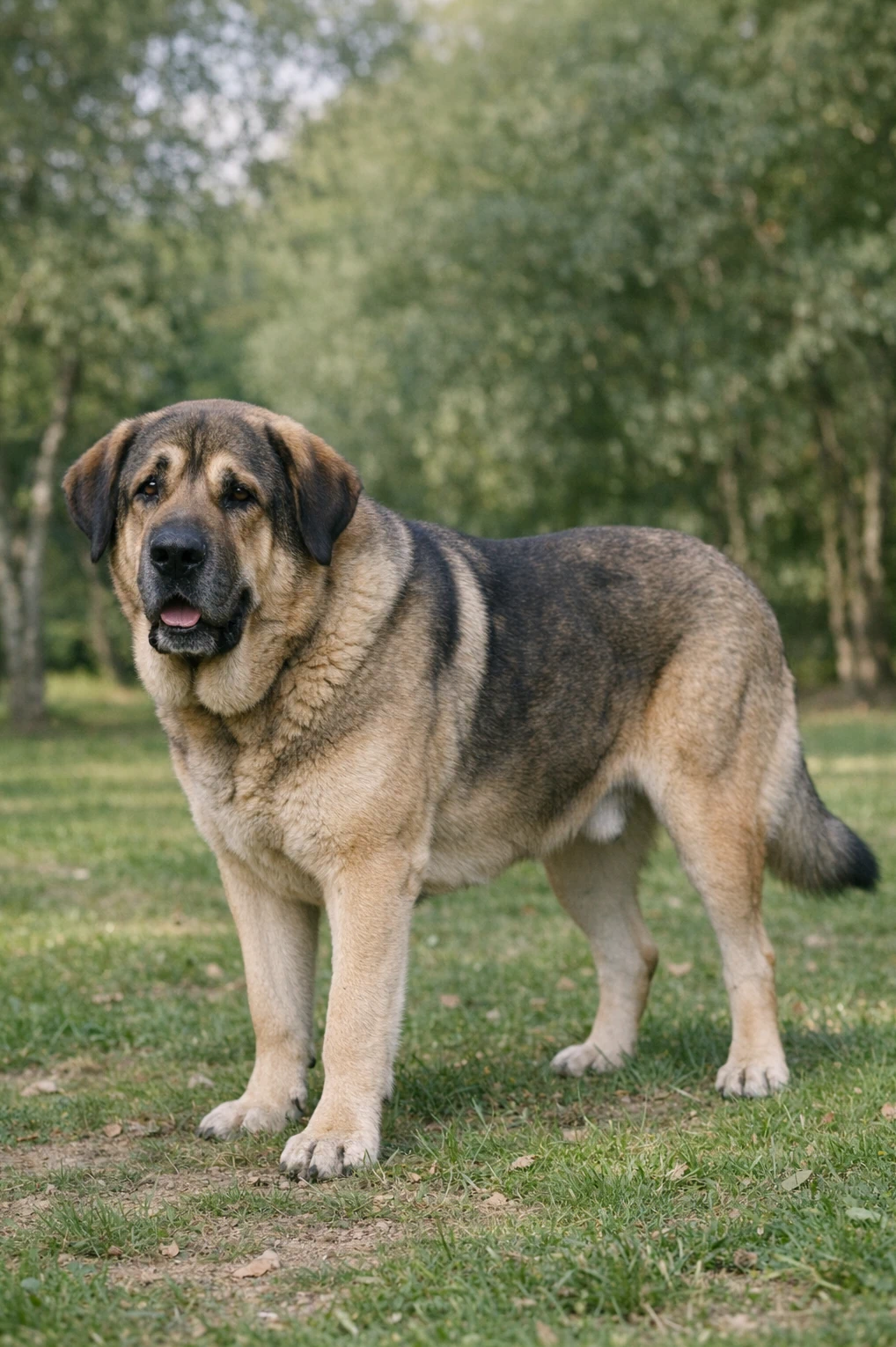
Best Dog Food for American Bulldog in 2026Based on Nutritional Science
American Bulldogs are large, devoted and bold companions, standing about 20 to 25 inches and weighing 60 to 100 pounds. Nutritional verdict: high-quality, protein-focused meals with joint support and sensible calorie management, plus regular exercise.

Understanding the American Bulldog Metabolism and Energy Needs
This muscular, devoted companion comes from early working lines developed for strength and dependable guarding. Because of its compact power and self-assured nature, nutrition should prioritize support for lean mass, joint resilience, and steady energy.
High quality animal proteins are essential to maintain dense musculature and repair after bursts of activity, think poultry, beef, or fish. Protein also helps with healthy weight, which eases strain on hips and shoulders.
Healthy fats provide concentrated fuel and promote a glossy coat, so include sources like fish oil and chicken fat. Keep carbohydrates moderate and focused on fiber and low-glycemic grains or vegetables to preserve steady blood sugar and avoid excess weight.
Add joint supplements such as glucosamine and chondroitin along with omega-3 fatty acids to reduce inflammation and preserve mobility as they age. Controlling portion sizes and routine meals keeps this robust companion fit and comfortable.
Managing American Bulldog Genetic Health Risks Through Nutrition
Hip and Elbow Problems (dysplasia, arthritis)
Helpful nutrients
Puppy Growth and Skeletal Development
Helpful nutrients
Muscle Strength and Maintenance
Helpful nutrients
Coat and Skin Health
Helpful nutrients
Genetic and Overall Health Resilience
Helpful nutrients
American Bulldog Feeding & Calorie Calculator
Estimated Daily Calories
Tip: Start with this amount and adjust after 2–3 weeks based on your dog's body condition and weight trend.
This estimate provides a starting point for feeding. Individual calorie needs may vary depending on metabolism, body condition, and health status. Always monitor your dog's weight and consult your veterinarian when adjusting diet.
Foods and Ingredients to Avoid for American Bulldog Dogs
Because American Bulldogs are large and muscular, excess body weight quickly translates into extra stress on hips, elbows, and joints.
High-fat table scraps, fatty cuts of meat, and greasy treats can lead to rapid weight gain and increase the risk of pancreatitis in some dogs.
Keeping dietary fat controlled and choosing lean protein sources helps preserve joint health and maintain an active, comfortable body as your dog matures.
Large-breed puppies like American Bulldogs need a careful balance of calcium and vitamin D to ensure slow, steady bone growth.
Too much added calcium or high-dose vitamin D in the first 14 months can contribute to abnormal bone development and joint problems later in life.
Stick to a quality large-breed puppy formula until your vet says it is time to switch to adult food, and avoid extra supplements unless recommended by your veterinarian.
Diets that replace grains with large amounts of peas, lentils, or other legumes have been linked in some studies to heart concerns in certain breeds.
For a heavy, powerful breed like the American Bulldog, choosing a balanced formula with appropriate protein and carbohydrate sources is a safer choice.
If you prefer grain-free for specific reasons, consult your veterinarian and monitor heart health with regular checkups and appropriate diagnostics.
Artificial preservatives such as BHA, BHT, and some synthetic colors, plus cheap fillers like excessive corn gluten or unnamed meat meals, can aggravate skin sensitivities and provide poor nutritional value.
An American Bulldog benefits from a diet that supports muscle, joint, and coat health rather than one filled with empty calories.
Choosing foods with natural preservatives and clearly listed, quality ingredients helps keep their coat glossy and reduces digestive or skin reactions.
Feeding very large meals immediately before or after vigorous play can increase the chance of digestive upset and may contribute to the risk of bloat in deep-chested or heavy dogs.
American Bulldogs carry substantial mass, and a full stomach plus high activity can be uncomfortable and risky.
Feed measured meals, allow a calm rest period after eating, and split daily food into two or more portions to reduce strain and support healthy digestion.
Chocolate, grapes, raisins, xylitol, onions, garlic, and alcohol are toxic to dogs and must be avoided entirely.
Beyond toxicity, frequent high-calorie treats, fatty human snacks, and sweets contribute to weight gain, which worsens joint stress in a breed prone to hip and elbow issues.
Offer healthy, portioned treats and train with low-calorie rewards so your American Bulldog stays motivated without adding extra pounds.
How Nutritional Needs Change Throughout the American Bulldog Life Stages
Dogs have changing nutritional needs as they move from puppyhood to adulthood and into their senior years. Breed growth rate, activity level, and common health tendencies shape how much and what they should eat, so feeding plans differ for a giant, muscular dog like the American Bulldog compared with smaller breeds. Paying attention to life stage gives your dog the best chance to thrive.
| Life Stage | Age Range | Primary Objective | Key Nutrient Focus |
|---|---|---|---|
| Puppy | 0–18 months | controlled skeletal development, immune support, brain development | DHA, balanced calcium/phosphorus, high-quality protein |
| Adult | 1.5–5 years | lean muscle maintenance and sustained energy | high-quality protein, omega-3 fatty acids, fiber |
| Senior | 5+ years | joint mobility, metabolic health, and cognitive support | glucosamine, chondroitin, antioxidants, lower calories |
American Bulldog puppies grow quickly, often with heavy bone and muscle development in the first year, so controlled, steady growth is ideal to protect developing joints. Feeding frequent, measured meals (three to four times daily when very young, moving to two to three by six months) helps manage energy and supports healthy weight gain without overloading the skeleton.
Choose a puppy formula formulated for large or giant breeds, with moderate calories, high quality protein to support muscle, and balanced calcium and phosphorus for skeletal health. Include omega-3 fatty acids for brain development and joint-supporting nutrients like glucosamine and chondroitin if recommended by your vet, especially given the breed's predisposition to hip and elbow concerns.
As adults, American Bulldogs need nutrition that preserves their muscular build and steady energy without promoting excess weight. A diet with high quality protein and moderate fat helps maintain lean mass, while controlled calories prevent obesity which can stress hips and elbows.
Feed two meals a day to support metabolism and reduce bloating risk, adjusting portions for activity level since working or active dogs need more calories than more sedentary pets. Include nutrients that support joint health, such as omega-3s, and work with your veterinarian to tailor calorie targets and select a food that matches your dog's body condition and lifestyle.
In senior years American Bulldogs often experience a slowing metabolism, reduced activity and greater strain on joints, so calorie needs may decline while demand for joint and antioxidant support rises. Slower digestion or dental wear can affect feeding, so choose easily digestible proteins and adjust kibble size or texture as needed.
Foods with added glucosamine, chondroitin, and omega-3s help maintain mobility, while antioxidants like vitamin E and omega-rich ingredients support healthy aging. Monitor weight and body condition closely, lowering calories if your dog becomes less active, and consult your vet about supplementing fiber for digestion or switching to a senior formula tuned to joint, weight and digestive needs.
Kibble vs Fresh vs Raw for American Bulldog
Different feeding models suit different lifestyles and health needs. Your American Bulldog's size, activity, and joint risk all play a role in choosing the best option.
Pros
- Convenient and easy to portion for busy owners.
- Large-breed formulas often include joint-support nutrients like glucosamine.
- Consistent and balanced nutrition in every serving.
- Shelf-stable and easy to store for active households.
Cons
- Some kibbles are calorie-dense, risking weight gain.
- Lower moisture content may not suit dogs that drink little.
- Quality varies, so ingredients should be checked closely.
- May not satisfy very picky eaters as well as fresh food.
Pros
- Highly palatable and often favored by picky eaters.
- High moisture content helps with hydration and digestion.
- You control ingredient quality and can manage allergies easily.
- Easy to add joint-support supplements and tailored nutrients.
Cons
- More time consuming and expensive than kibble.
- Requires careful planning to ensure complete nutrition.
- Needs refrigeration and safe meal prep practices.
- Portioning large-breed calorie needs can be tricky.
Pros
- High protein profile supports muscular build and energy.
- Some owners report shinier coats and better vitality.
- Lower carbohydrate load can suit a muscular breed.
- Can be tailored for joint health with proper supplements.
Cons
- Strict hygiene is essential to avoid bacterial contamination.
- Small or sharp bones can cause choking or internal injury.
- Balancing vitamins and minerals requires veterinary guidance.
- Storage and prep can be time consuming and messy.
| Diet Type | Pros for American Bulldog | Potential Downsides |
|---|---|---|
| High-Quality Kibble |
|
|
| Fresh Cooked Food |
|
|
| Raw Diet (BARF) |
|
|
Our Recommendation
For most American Bulldogs, a high-quality large-breed kibble with joint support offers balance, convenience, and reliable nutrition.
Fresh cooked meals can be excellent when properly balanced, and raw diets may work only with veterinary oversight and strict hygiene.
See Also
Breeds with similar group, size, and coat characteristics