Best Dog Food for Tosa in 2026Based on Nutritional Science
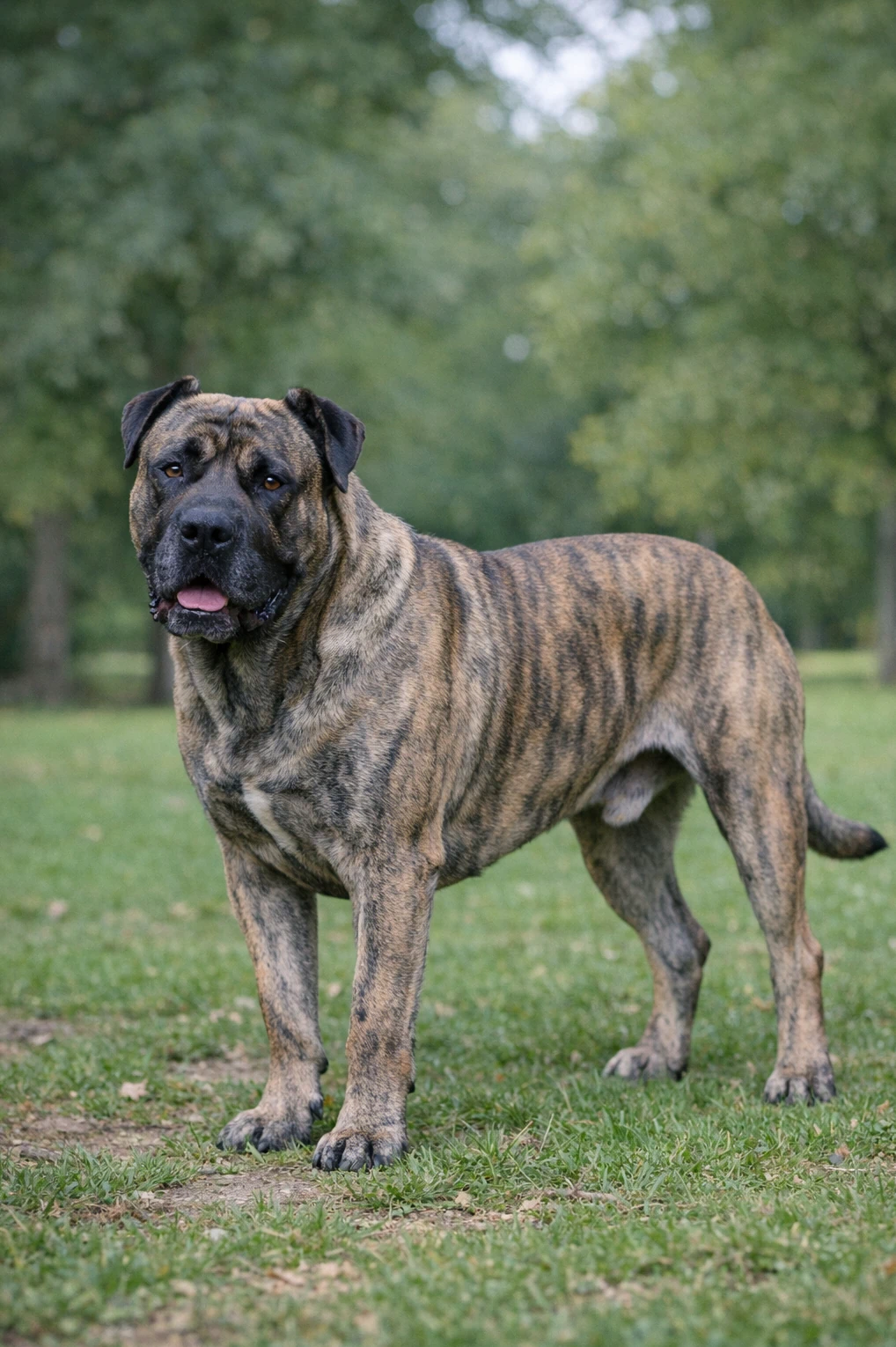
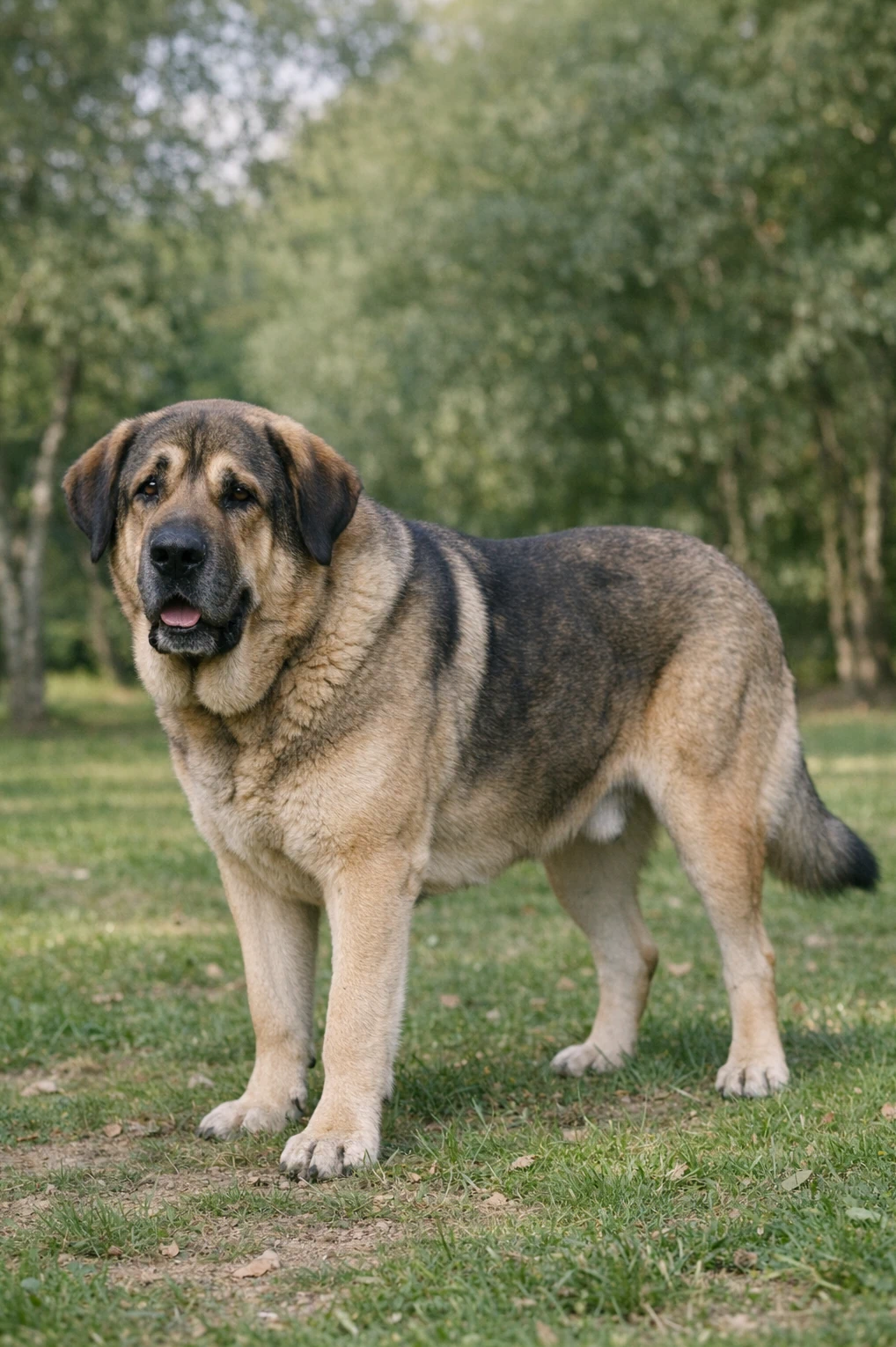
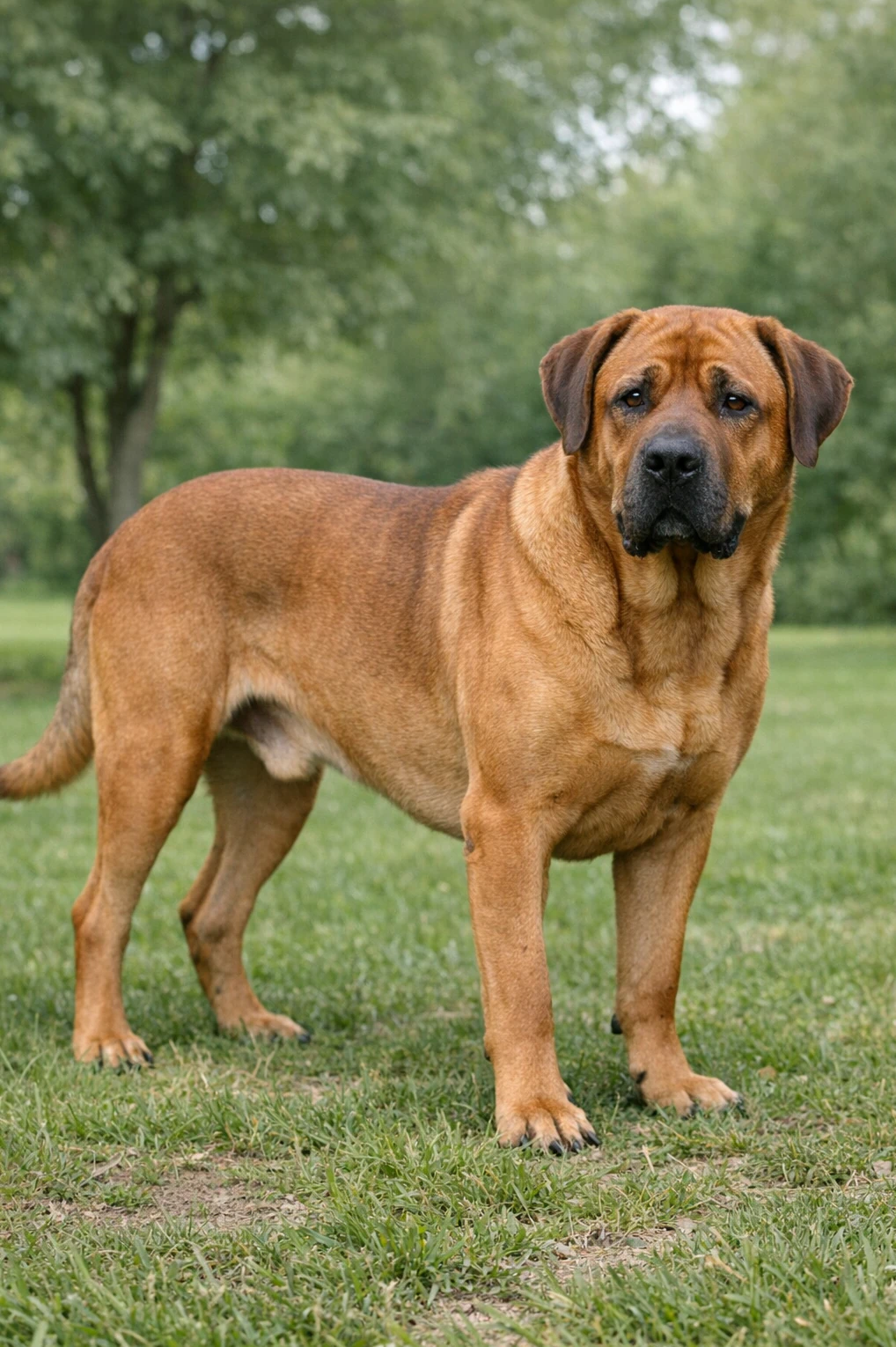
Large Tosa, standing about 21.5 to 23.5 inches tall and weighing 100 to 200 pounds, is alert, courageous, and steady. Nutritional Verdict: hearty, balanced meals with quality protein to support muscle and overall calm energy.
Understanding the Tosa Metabolism and Energy Needs
Tosa dogs come from early foundational stock developed for stamina, control and guarding duties. As large, composed protectors with strong nerves and steady focus, they need a diet that supports sustained power rather than quick bursts of activity.
Their muscular frame thrives on higher quality protein to maintain lean mass and aid recovery, so meals centered on chicken, beef or fish make sense. Healthy fats supply concentrated, lasting energy and support skin and coat, with fish oil providing beneficial omega 3s. Carbohydrates should be moderate and gradual release, like sweet potato or brown rice, to fuel work without promoting extra body fat.
Because of their size and the stresses on joints, targeted support such as glucosamine with chondroitin and antioxidants can preserve mobility. Consistent portion control and regular, measured exercise help them stay fit and comfortable.
Managing Tosa Genetic Health Risks Through Nutrition
Tosa Feeding & Calorie Calculator
Estimated Daily Calories
Tip: Start with this amount and adjust after 2–3 weeks based on your dog's body condition and weight trend.
This estimate provides a starting point for feeding. Individual calorie needs may vary depending on metabolism, body condition, and health status. Always monitor your dog's weight and consult your veterinarian when adjusting diet.
Foods and Ingredients to Avoid for Tosa Dogs
Because a Tosa can weigh well over 100 pounds, high-fat foods and rich table scraps can lead to rapid weight gain and increase the chance of pancreatitis.
Excess dietary fat adds calorie density without nutritional benefit, and that extra weight stresses hips, knees, and the spine.
Keep treats lean, choose low-fat protein sources, and avoid feeding fried or heavily sauced human foods without checking with your veterinarian first.
Tosa are a deep-chested, large-breed type, and that body shape raises the risk of gastric dilatation-volvulus, often called bloat.
Eating one very large meal or gulping food quickly can increase the chance that the stomach will distend and twist, which is an emergency.
To lower risk, feed two to three measured meals per day, use slow-feeder bowls if needed, and avoid vigorous exercise right after eating.
Some grain-free formulas rely heavily on peas, lentils, or other pulses as main protein and carbohydrate sources, and these diets have been linked in rare cases to heart muscle issues in dogs.
Large breeds like the Tosa need steady cardiac health to support their size, so diets very high in legumes should be chosen with caution.
Talk to your vet about balanced foods that meet AAFCO standards and consider cardiac-monitoring if you feed a legume-heavy formula long term.
Because Tosas are large, it's easy to unintentionally overfeed them with high-calorie treats, chews, or human food, which promotes obesity.
Extra pounds amplify joint wear, lower mobility, and can shorten a dog’s active years.
Use small, low-calorie training treats, account for treats in daily calorie goals, and prefer nutrient-dense meals over frequent indulgences to keep your Tosa at a healthy weight.
Fillers, artificial colors, and preservatives like BHA or BHT can sometimes trigger food sensitivities, skin irritation, or digestive upset in individual dogs.
For a large-breed companion that you rely on for strength and companionship, keeping their food simple and minimally processed helps reduce the chance of chronic irritation.
Choose reputable formulas that list real proteins first and avoid unnecessary additives if your Tosa has a sensitive stomach or skin.
Cooked bones can splinter and cause choking, mouth damage, or intestinal perforation, and small, very hard chews may break into sharp pieces.
A powerful chewer like a Tosa can break inappropriate items into dangerous shards or swallow large fragments whole.
Offer only safe, size-appropriate chews and supervise chewing sessions, and avoid giving cooked poultry bones, brittle antlers, or tiny hard treats that could become blockages.
How Nutritional Needs Change Throughout the Tosa Life Stages
Dogs have different nutritional needs at each life stage, and the Tosa is no exception. Puppyhood prioritizes controlled growth for a giant frame, adulthood focuses on maintaining muscle and steady energy, and senior years often require adjustments for metabolism and joint health. These needs are influenced by the breed's growth rate, activity level and any common large-breed tendencies toward joint stress or weight gain.
| Life Stage | Age Range | Primary Objective | Key Nutrient Focus |
|---|---|---|---|
| Puppy | 0–18 months | controlled skeletal development, immune support, brain development | DHA, balanced calcium/phosphorus, high-quality protein |
| Adult | 1.5–5 years | lean muscle maintenance and sustained energy | high-quality protein, omega-3 fatty acids, fiber |
| Senior | 5+ years | joint mobility, metabolic health, and cognitive support | glucosamine, chondroitin, antioxidants, lower calories |
Tosa puppies grow larger and more slowly than small-breed pups, with a prolonged growth window that needs careful nutrition. Rapid weight gain can overload developing joints, so controlled calories and steady growth are important for this vigilant, powerful breed with moderate to high strength and endurance needs.
Prioritize a diet formulated for large or giant-breed puppies, with appropriate calcium to phosphorus balance and high quality protein to support skeletal development and lean muscle. Feed smaller, frequent meals to help steady energy, reduce bloat risk and manage portion sizes. Include nutrients that support joints, such as omega-3 fatty acids and joint precursors, and monitor body condition regularly, adjusting intake as the pup grows.
As adult Tosas reach full size they need nutrition that preserves lean muscle while preventing excess weight that can strain a giant frame. Emphasize high quality animal protein to maintain muscle mass, paired with moderate fat for consistent energy and essential fatty acids for coat and skin health.
Adjust calorie intake to match activity level, since a vigilant and fearless Tosa involved in regular work or long walks will need more fuel than a more sedentary companion. Maintain regular feeding times, include fiber for digestive health, and consider continued joint-supporting nutrients. Regular weight checks and portion control help keep energy balanced and mobility strong.
As Tosas move into their senior years they often experience slower metabolism, reduced activity and changes in digestion that call for smart nutritional tweaks. Calorie needs may decline so adjust portion sizes to prevent weight gain, while ensuring protein remains sufficient to preserve muscle. Digestibility becomes more important, so choose diets with highly digestible ingredients and gentle fiber for regular bowel habits.
Joint support becomes critical for a giant breed, so continue or introduce glucosamine, chondroitin and omega-3 fatty acids for inflammation and cartilage health. Antioxidants like vitamin E and C can support cellular health and immune function, and controlled fat sources help keep coat condition without excess calories. Keep regular vet checkups to tailor diet to changing health needs.
Kibble vs Fresh vs Raw for Tosa
Different feeding models suit different lifestyles and dog needs. For a Tosa, large size, moderate activity, and joint health guide which diet fits best.
Pros
- Convenient and easy to portion for owners of very large dogs.
- Many large-breed formulas include joint support like glucosamine and chondroitin.
- Consistent calorie counts help prevent overeating in naturally patient Tosas.
- Crunchy texture can aid surface tartar control between brushings.
Cons
- Can be calorie-dense, risking weight gain in less active Tosas.
- Lower moisture content may not suit dogs that drink little water.
- Some formulas contain fillers or low-quality ingredients.
- Individual sensitivities may require trying multiple brands.
Pros
- Highly palatable and great for picky or post-illness Tosas.
- Higher moisture supports hydration and easier digestion for large dogs.
- Full control over ingredient quality and joint-support additions.
- Easier to adjust calories and protein for maintaining lean muscle.
Cons
- Requires careful supplementation to ensure calcium and vitamin balance.
- Time-consuming meal prep and refrigeration for large portion sizes.
- Generally more expensive than kibble for a 100+ pound dog.
- Improper planning can create long-term nutrient gaps.
Pros
- High protein and minimal processing can support muscle mass.
- Many owners report shinier coats and increased energy.
- Easily customized to avoid allergens and low-quality fillers.
- Can offer natural variety that appeals to confident, food-driven Tosas.
Cons
- Higher bacterial contamination risk without strict hygiene protocols.
- Whole or brittle bones can cause choking or gastrointestinal injury.
- Balancing calcium and phosphorus is critical for large-breed health.
- Often requires veterinary guidance and quality sourcing to be safe.
| Diet Type | Pros for Tosa | Potential Downsides |
|---|---|---|
| High-Quality Kibble |
|
|
| Fresh Cooked Food |
|
|
| Raw Diet (BARF) |
|
|
Our Recommendation
For most Tosas, a high-quality large-breed kibble provides balanced nutrition and convenience.
Fresh cooked diets work well when combined with proper supplementation and planning, especially for picky or sensitive individuals.
Raw feeding can suit some owners but demands strict hygiene and veterinary oversight to protect a big, powerful breed.
See Also
Breeds with similar group, size, and coat characteristics