Best Dog Food for Broholmer in 2026Based on Nutritional Science
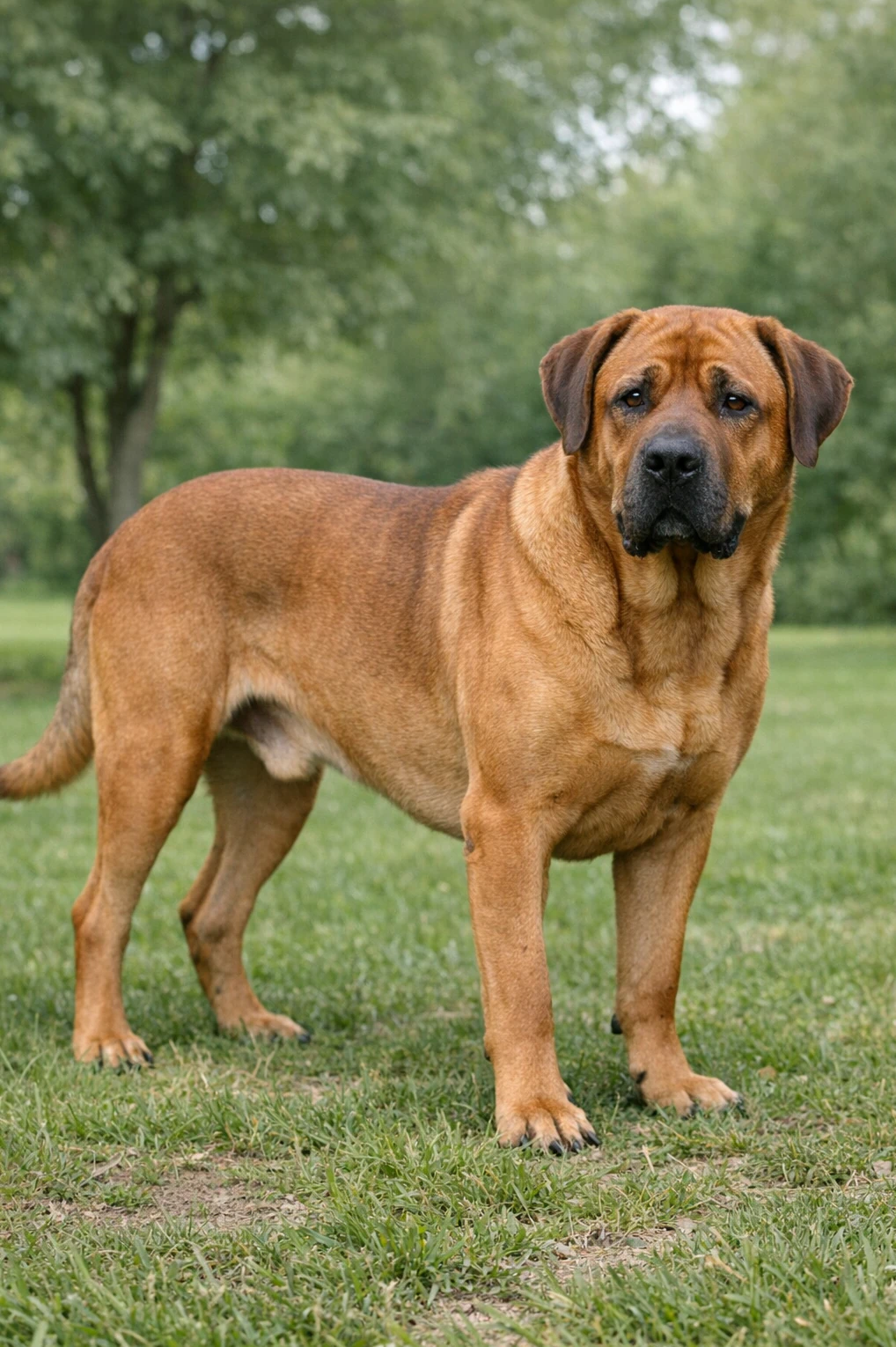
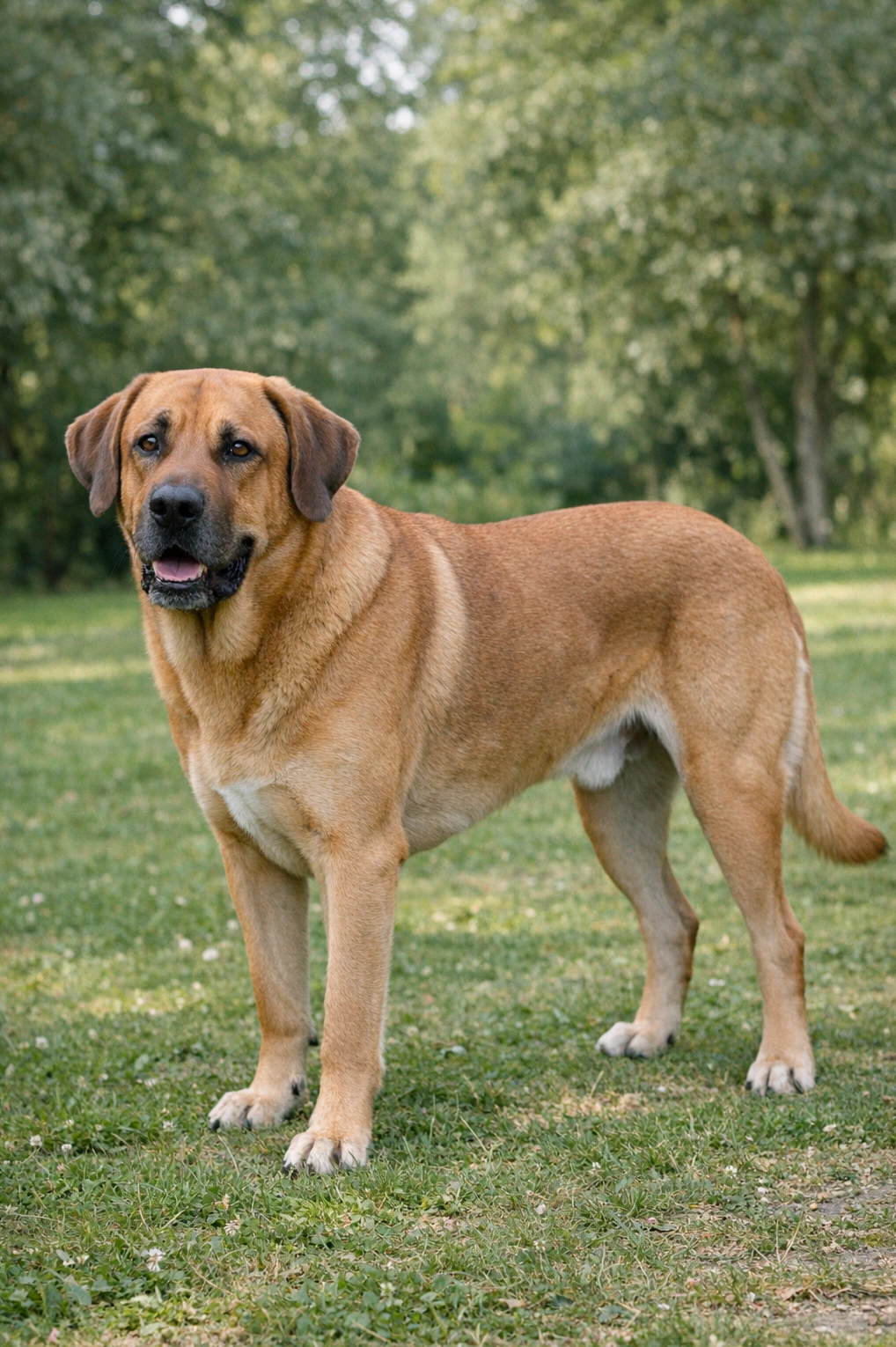
Broholmer: large, amiable, affectionate guardian, 27.5 to 29.5 inches, 90 to 150 pounds. Nutritional Verdict: balanced large-breed diet with joint-supporting nutrients and steady calories for healthy weight and strong bones.
Understanding the Broholmer Metabolism and Energy Needs
This large Danish guardian was bred to protect estates while living closely with family, so its diet must support both steady strength and easygoing companionship. Affectionate and attentive by nature, these dogs benefit from nutrition that keeps muscles strong without promoting excess weight.
Lean animal proteins are essential to preserve their substantial frame and maintain endurance during long, low intensity activity, so include sources such as poultry, beef, or fish. Healthy fats provide concentrated fuel and support skin, coat, and brain health, with omega 3s from fish oil helping reduce inflammation. Carbohydrates should be moderate and low glycemic, for steady energy and weight control, think sweet potato or oats.
Joint protective supplements like glucosamine and chondroitin, plus balanced calcium and phosphorus during growth, help prevent orthopedic problems. A modest fiber level aids digestion and keeps them content between meals.
Managing Broholmer Genetic Health Risks Through Nutrition
Broholmer Feeding & Calorie Calculator
Estimated Daily Calories
Tip: Start with this amount and adjust after 2–3 weeks based on your dog's body condition and weight trend.
This estimate provides a starting point for feeding. Individual calorie needs may vary depending on metabolism, body condition, and health status. Always monitor your dog's weight and consult your veterinarian when adjusting diet.
Foods and Ingredients to Avoid for Broholmer Dogs
Given the Broholmer's large, heavy build and tendency toward joint stress, high-fat foods and rich table scraps can quickly cause unwanted weight gain and raise the risk of pancreatitis.
Excess fat places extra load on hips and elbows already under strain in giant breeds, and a sudden fatty meal can trigger inflammation of the pancreas.
Stick to lean proteins and measured treats to keep weight and digestion steady.
Large meals and rapid eating increase the risk of gastric dilatation and volvulus, a life-threatening bloat condition common in deep-chested, large-breed dogs like the Broholmer.
Feeding two or three smaller meals a day, using a slow feeder, and avoiding vigorous exercise close to mealtime can reduce the chance of stomach twisting.
These simple changes help digestion and comfort for a giant dog.
During growth and adulthood, excess dietary calcium and overly calorie-dense diets can contribute to abnormal bone development and accelerated growth, which raises the chance of hip and elbow dysplasia in giant breeds.
Puppy formulas intended for much smaller dogs or free-feeding high-calorie foods are best avoided without veterinary guidance.
Follow breed-appropriate feeding guidelines and monitor growth rate to protect developing joints and long-term mobility.
High-sodium human snacks and processed foods can cause fluid retention, increased blood pressure, and strain on the heart and kidneys, risks that matter for a heavy, less active dog.
Salty cured meats, chips, and restaurant leftovers are often high in fat and preservatives as well, compounding weight and digestive concerns.
Keep treats simple and low-salt, and reserve human snacks only for occasional, safe items.
Diets very high in legumes and pulses, such as peas, lentils, or chickpeas, have been linked in some studies to heart concerns like dilated cardiomyopathy when not balanced with adequate taurine and amino acids.
For a giant breed with a large body and specific nutrient needs, relying on legume-heavy formulas without veterinary oversight can be risky.
Choose complete diets with proven nutrient profiles or discuss supplementation with your vet.
Common toxic foods including chocolate, grapes and raisins, onions and garlic, and the artificial sweetener xylitol must be avoided regardless of size, as they can cause life-threatening reactions.
Although a Broholmer's larger weight may tolerate slightly more than a small dog, these items can still produce serious cardiac, neurological, or gastrointestinal problems.
Store human food securely and teach family members which foods are off-limits to keep your dog safe.
How Nutritional Needs Change Throughout the Broholmer Life Stages
Broholmers have different nutritional needs as they move from puppyhood through adulthood to their senior years. Their giant size, moderate activity level, and the way they grow influence calorie needs, protein requirements, and joint support. Choosing diets that match each stage helps support steady growth, healthy muscles, and long term mobility, while reducing risks common to large breeds.
| Life Stage | Age Range | Primary Objective | Key Nutrient Focus |
|---|---|---|---|
| Puppy | 0–18 months | controlled skeletal development, immune support, brain development | DHA, balanced calcium/phosphorus, high-quality protein |
| Adult | 1.5–5 years | lean muscle maintenance and sustained energy | high-quality protein, omega-3 fatty acids, fiber |
| Senior | 5+ years | joint mobility, metabolic health, and cognitive support | glucosamine, chondroitin, antioxidants, lower calories |
Broholmer puppies grow at a steady but extended rate compared with smaller breeds, so their skeletal development needs careful attention. Controlled calorie intake supports steady bone growth while avoiding rapid weight gain that stresses developing joints.
Feed a large breed puppy formula with high quality protein for lean muscle, balanced calcium and phosphorus for bone health, and moderate fat for energy. Offer multiple small meals per day as their stomach capacity is limited relative to size, and avoid overfeeding during peak growth, because Broholmers are watchful but not hyperactive, monitor their activity to balance energy intake and protect joints, and consider consulting your veterinarian to set an appropriate feeding plan based on your puppy's growth rate.
Adult Broholmers are large, steady dogs that need a diet to maintain lean muscle while preventing excess weight. Moderate activity levels mean calorie needs are lower than highly active breeds, so protein should be high quality to preserve muscle, with controlled fat to provide energy without promoting weight gain.
Choose a balanced adult formula with adequate omega fatty acids for skin and coat, and nutrients that support joint health. Monitor body condition regularly, adjust portions for seasonal activity changes, work with your vet to tailor feeding to your Broholmer's lifestyle and any breed specific tendencies toward weight gain, and limit calorie dense treats while including regular low impact exercise to protect joints.
As Broholmers enter their senior years their metabolism often slows and lean muscle may decline, which reduces calorie needs. Age related changes in digestion and dental health can make nutrient absorption less efficient, so highly digestible proteins and smaller, more frequent meals can help.
Focus on joint support with glucosamine, chondroitin and omega 3 fatty acids, and include antioxidants like vitamin E and selenium to support cellular health. Reduce calories slightly if activity drops, prioritize protein to preserve muscle, and discuss tailored supplements and weight management with your veterinarian to maintain mobility and comfort, and perform routine weight checks plus gentle low impact exercise to help prolong quality of life.
Kibble vs Fresh vs Raw for Broholmer
Different feeding models fit different households and dog lifestyles. Choosing the right approach depends on your Broholmer's activity, weight, and your routine.
Pros
- Convenient and easy to portion for busy owners of large Broholmers.
- Formulas with joint support help protect hips and elbows as they age.
- Calorie-controlled options make healthy weight management easier for this heavy breed.
- Dry texture can help reduce tartar compared to soft diets.
Cons
- Lower moisture content may not suit dogs that drink less.
- Some formulas contain fillers that add empty calories for large dogs.
- Overfeeding is common, increasing obesity and joint strain risk.
- Transitioning can upset digestion in sensitive Broholmers.
Pros
- High moisture content supports hydration and gentler digestion.
- Easy to include joint supplements and controlled protein sources.
- Often preferred by picky eaters in the breed.
- Customizable for weight management and activity differences.
Cons
- More time consuming and requires careful meal planning.
- Can be costly when feeding a large adult Broholmer.
- Risk of nutritional imbalance without veterinary guidance.
- Needs refrigeration and safe storage for large batch meals.
Pros
- High-quality proteins can support lean muscle in this large breed.
- Some owners note shinier coats and improved energy.
- Less processing preserves more natural nutrients.
- Can be portioned to manage weight and activity level.
Cons
- Requires strict hygiene to prevent bacterial contamination in the home.
- Unbalanced homemade recipes can cause long-term nutrient gaps.
- Large bones pose fracture or obstruction risks even for big dogs.
- May increase household bacterial risk around children or elderly visitors.
- Veterinary guidance and regular monitoring are essential and sometimes costly.
| Diet Type | Pros for Broholmer | Potential Downsides |
|---|---|---|
| High-Quality Kibble |
|
|
| Fresh Cooked Food |
|
|
| Raw Diet (BARF) |
|
|
Our Recommendation
For most Broholmers, a high-quality kibble with joint support and careful portioning is a practical, reliable choice.
Fresh cooked food suits owners who want greater control, while raw diets can work only with strict hygiene and veterinary oversight.
See Also
Breeds with similar group, size, and coat characteristics