Best Dog Food for Tornjak in 2026Based on Nutritional Science
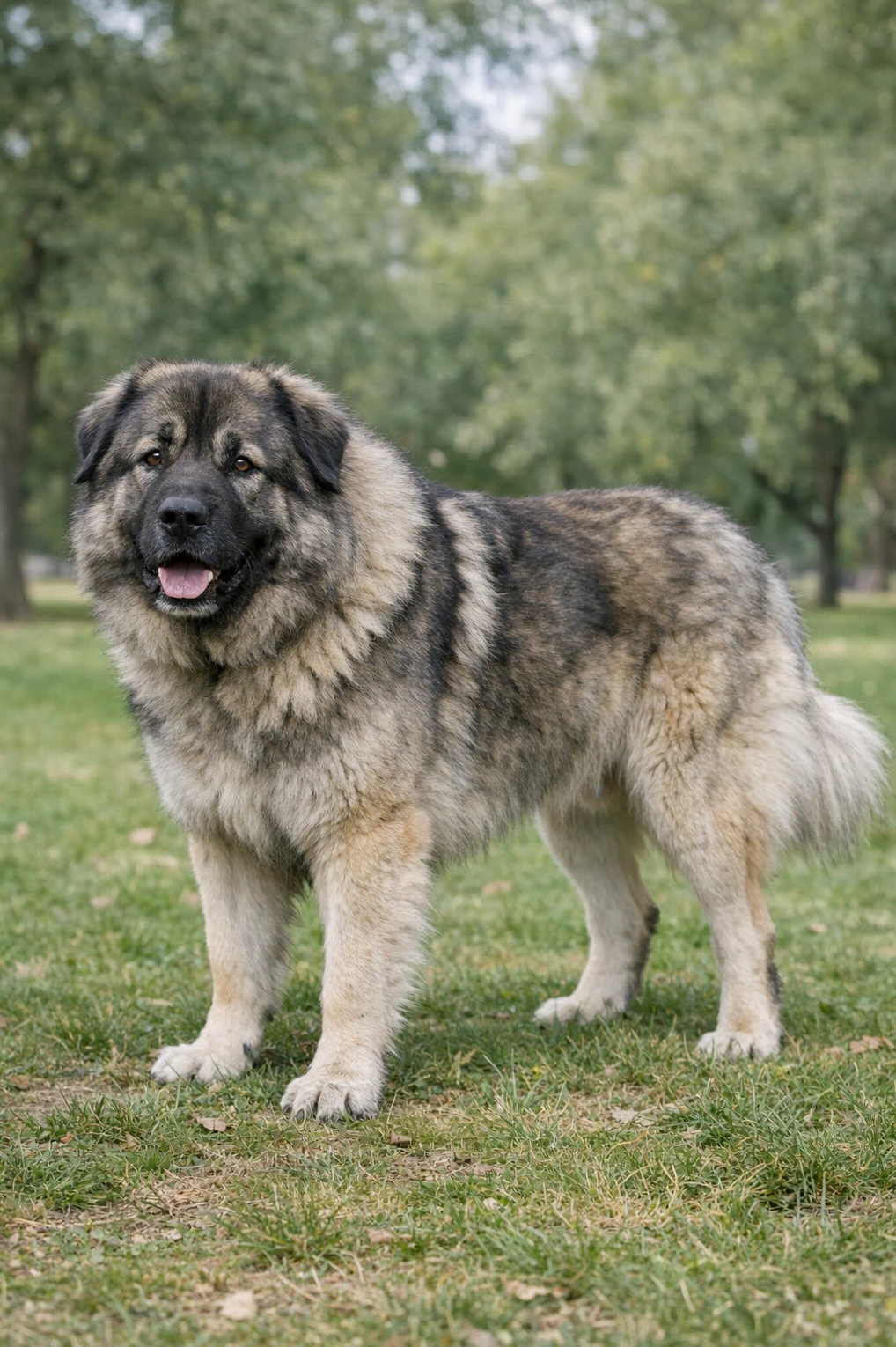
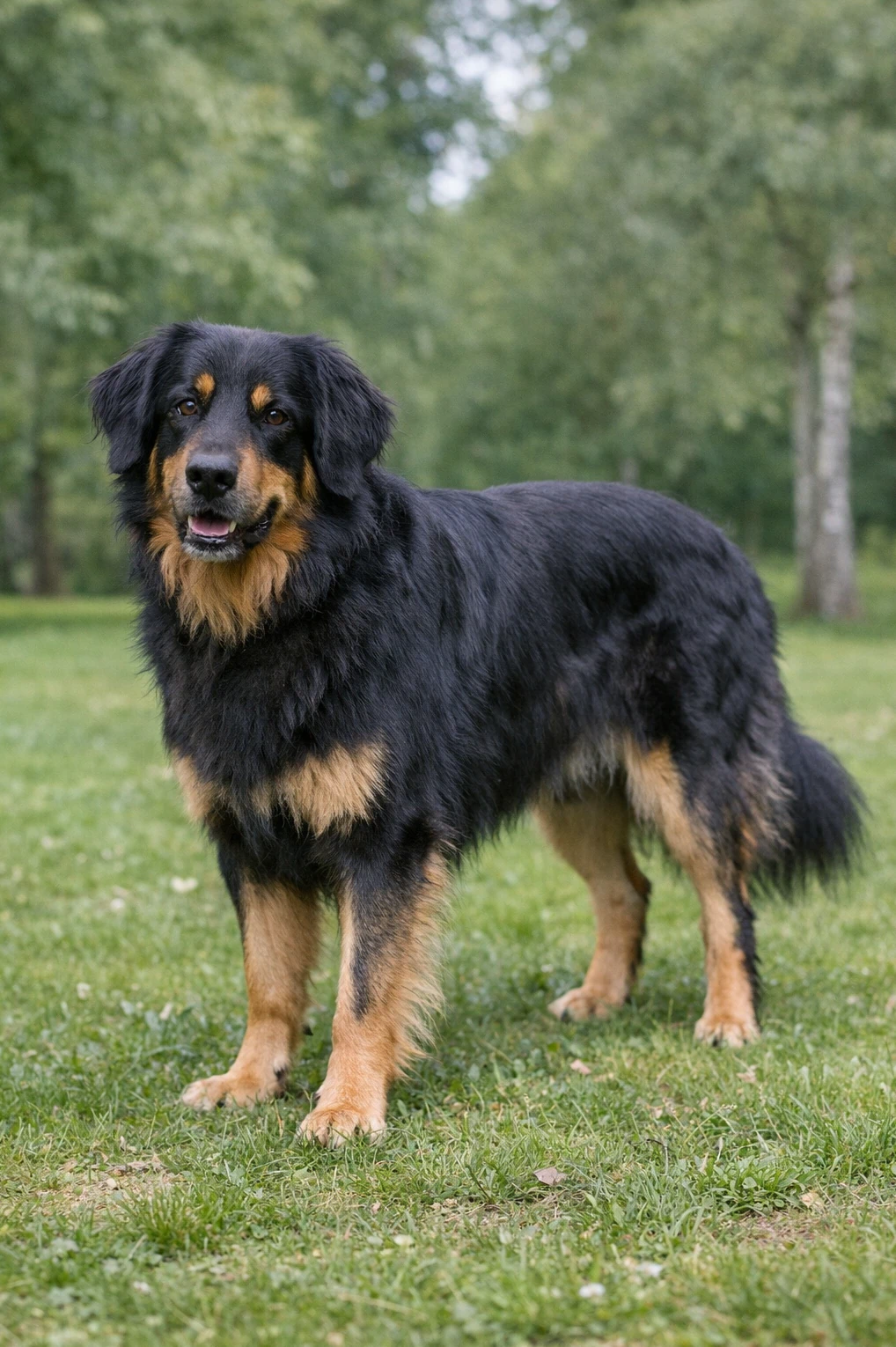
Large Tornjak, standing about 23 to 28 inches and weighing 62 to 110 pounds, is sharp, warm-hearted, and remarkably valiant.
Nutritional verdict: balanced, protein-rich diet supports muscle and joint health.
Understanding the Tornjak Metabolism and Energy Needs
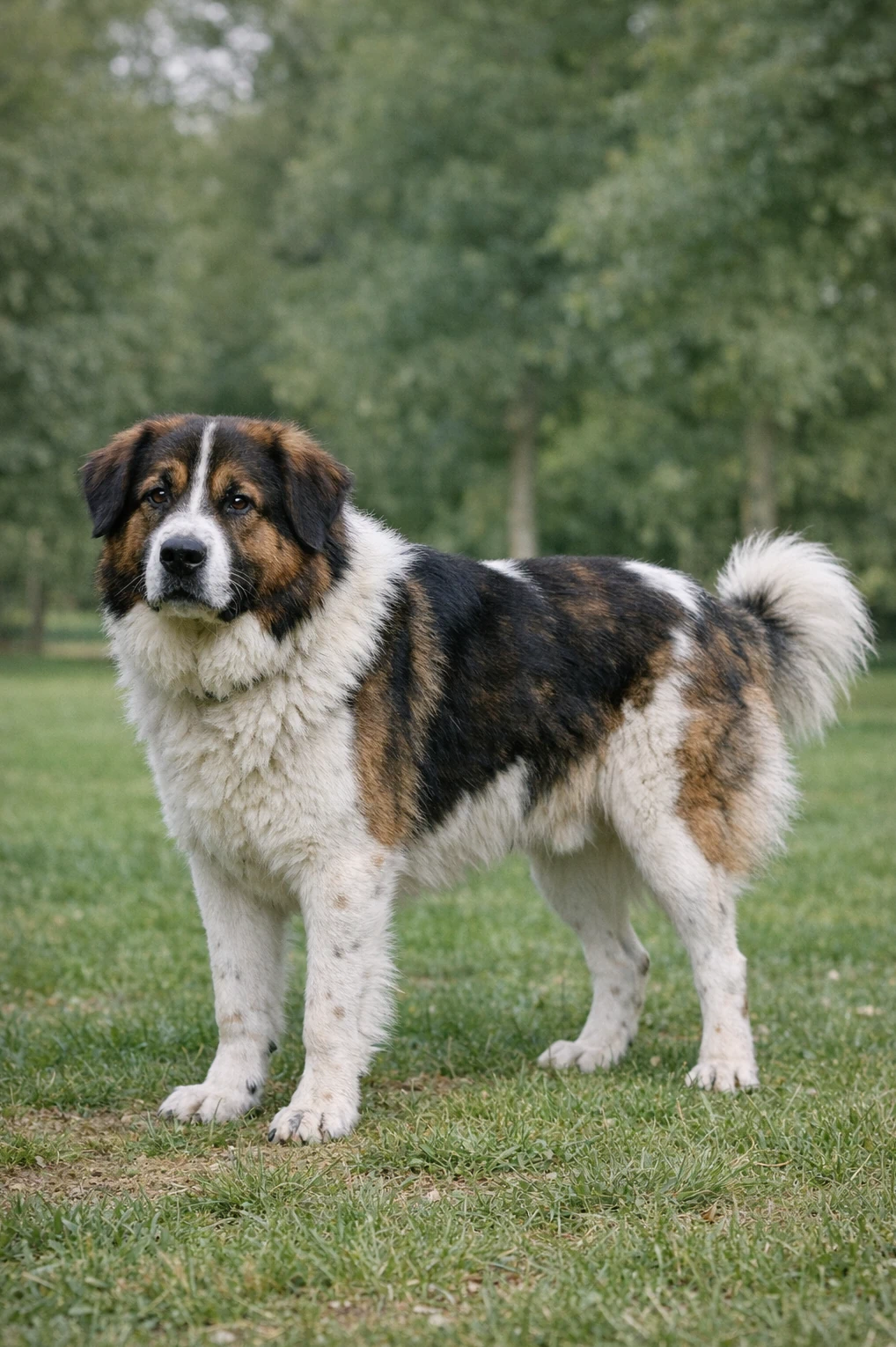
As a traditional flock guardian raised in rugged pastures, these dogs combine quick problem solving with a warm social side and steady bravery. Their history of long hours watching animals and occasional physical confrontations means they need fuel for endurance, strong muscles for deterrence, and nutrients that keep the mind calm and focused.
Aim for high quality protein to preserve lean mass and repair tissues, with moderate fats to deliver slow-burning energy and support a dense, weatherproof coat. Keep carbohydrates sensible and from easily digested sources to provide steady brain fuel without excess weight. Include joint-support compounds for big-boned mobility, omega-3 fatty acids to soothe inflammation and enhance skin and coat, and antioxidants plus B vitamins to back up cognitive stamina and recovery.
Managing Tornjak Genetic Health Risks Through Nutrition
Hip Dysplasia
Helpful nutrients
Elbow Dysplasia
Helpful nutrients
Arthritis / Joint Degeneration
Helpful nutrients
Bloat (Gastric Dilatation-Volvulus)
Helpful nutrients
Obesity
Helpful nutrients
Skin & Coat Problems
Helpful nutrients
Hypothyroidism
Helpful nutrients
Tornjak Feeding & Calorie Calculator
Estimated Daily Calories
Tip: Start with this amount and adjust after 2–3 weeks based on your dog's body condition and weight trend.
This estimate provides a starting point for feeding. Individual calorie needs may vary depending on metabolism, body condition, and health status. Always monitor your dog's weight and consult your veterinarian when adjusting diet.
Foods and Ingredients to Avoid for Tornjak Dogs
Large breeds like the Tornjak do best on steady, balanced fat intake, so avoid greasy table scraps, fatty cuts of meat, and very high-fat commercial treats.
Excess dietary fat can lead to rapid weight gain and strains on joints, which matter for a dog of 62 to 110 pounds.
Very high-fat meals can also trigger pancreatitis, a painful condition that can be serious, so keep fats moderate and from quality sources.
Growing Tornjak puppies need controlled calcium and calorie intake to avoid overly rapid growth that can harm developing joints and bones.
Feeding too-rich diets or adding supplemental calcium can contribute to developmental orthopedic problems in large breeds, especially while their growth plates are open.
For healthy adult size and stronger hips and elbows, follow large-breed puppy feeding guidelines and check portioning with your veterinarian.
Many grain-free recipes rely heavily on peas, lentils, and other legumes, and some studies have linked such formulas to heart concerns in dogs when fed long term.
For a large guardian breed like the Tornjak, whose size already places demands on the cardiovascular and musculoskeletal systems, steer clear of diets with legumes or potatoes listed as primary ingredients unless your vet approves them.
Choose balanced formulas designed for large breeds and monitor heart health with regular veterinary checks.
Certain human foods are toxic to dogs regardless of their size, and Tornjaks are no exception to the dangers of grapes, raisins, and chocolate.
Even small amounts can cause kidney damage or serious illness in susceptible dogs, while chocolate also targets the heart and nervous system.
Keep these items well out of reach and educate family and guests so curious noses do not get a dangerous treat.
Onions, garlic, leeks, and chives contain compounds that can damage red blood cells and cause anemia, and repeated exposure over time can be harmful even for large dogs.
Because Tornjaks are often fed a variety of foods, make sure cooked or powdered alliums in soups, seasonings, or leftovers are avoided.
When in doubt, err on the side of plain, unseasoned options and consult your vet about any accidental ingestion.
Processed human foods and salty snacks can be tempting to share, but high sodium levels can stress the heart and kidneys and encourage water retention and unhealthy weight gain.
For a big dog with a robust appetite like the Tornjak, avoiding deli meats, chips, and heavily seasoned table scraps helps protect long-term health and keeps joints and organs from carrying extra burden.
Reserve treats designed for dogs and keep portions appropriate for a large-breed metabolism.
How Nutritional Needs Change Throughout the Tornjak Life Stages
Dogs need different nutrition at puppyhood, adulthood, and in their senior years because each life stage has unique energy and tissue needs. Breed characteristics such as growth rate, activity level, and typical health tendencies shape those needs. For a giant, intelligent working breed like the Tornjak, deliberate feeding during growth and thoughtful maintenance and joint support later are especially important.
| Life Stage | Age Range | Primary Objective | Key Nutrient Focus |
|---|---|---|---|
| Puppy | 0–18 months | controlled skeletal development, immune support, brain development | DHA, balanced calcium/phosphorus, high-quality protein |
| Adult | 1.5–5 years | lean muscle maintenance and sustained energy | high-quality protein, omega-3 fatty acids, fiber |
| Senior | 5+ years | joint mobility, metabolic health, and cognitive support | glucosamine, chondroitin, antioxidants, lower calories |
Tornjak puppies have a prolonged, steady growth phase typical of giant breeds, so skeletal development needs careful management. Feed a large-breed puppy formula with controlled calories and balanced calcium to phosphorus ratios, plus high quality protein to support steady muscle and bone formation. Offer three to four small meals a day until about six months, then gradually move to two feedings as growth slows.
Because Tornjaks are working guardian dogs with moderate activity, avoid overfeeding and rapid weight gain that stresses growing joints. Include omega-3 fatty acids for brain and eye development and consider early joint-support nutrients if recommended by your veterinarian, while keeping portion sizes tailored to activity level and body condition.
Adult Tornjaks need a diet that preserves lean muscle while meeting steady energy needs, especially because they combine calm household life with periods of active guarding. Choose formulas with high quality animal protein and moderate fat to support sustained energy without excess calories, and include digestible carbohydrates and fiber for gut health.
Adjust daily calorie intake to match real activity, reducing portions during low-work periods and increasing them when the dog helps with outdoor tasks. Maintain routine feeding twice a day, monitor body condition score, and provide omega fatty acids for skin and coat, plus antioxidants to support overall health.
As Tornjaks enter their senior years, metabolism usually slows and mobility can become a concern for a giant breed that carries more weight on its joints. Senior diets should reduce excess calories while keeping high quality, easily digestible protein to preserve muscle mass, and include added joint support like glucosamine, chondroitin, and omega-3 fatty acids to reduce inflammation.
Increasing antioxidants and moderate dietary fiber supports cellular health and steady digestion, while smaller, more frequent meals can help dogs with dental or digestive changes. Regular weight checks, tailored calorie adjustments, and veterinary guidance for supplements and any special needs will help your senior Tornjak stay comfortable and active for as long as possible.
Kibble vs Fresh vs Raw for Tornjak
Different feeding models suit different lifestyles and dog needs. For a Tornjak, their large size, double coat, and steady temperament shape energy and coat care needs.
Pros
- Convenient and easy to portion for busy owners.
- Large-breed formulas support joints and controlled calorie intake.
- Shelf-stable and practical for households with outdoor routines.
- Consistent nutrient balance helps maintain steady energy for guardian duties.
Cons
- Lower moisture content may require added water for hydration.
- Some formulas contain fillers that can add unnecessary calories.
- Calorie-dense options can lead to weight gain without careful portions.
- May need supplements for optimal coat or joint health.
Pros
- Highly palatable, good for picky eaters.
- High moisture supports hydration and healthy skin.
- Easier to adjust protein and fat for activity level.
- Can include joint-supporting ingredients like fish or cartilage.
Cons
- Requires careful planning to ensure complete nutrition.
- More time consuming and generally costlier than kibble.
- Large portions need refrigeration and proper storage.
- Inconsistent recipes can create vitamin or mineral gaps.
Pros
- High protein and minimally processed ingredients may improve coat.
- Some owners report smaller, firmer stools.
- Can be tailored to a large dog's energy needs.
- Limits certain additives found in processed foods.
Cons
- Higher bacterial risk requires strict hygiene and handling.
- Balancing calcium and nutrients is challenging without guidance.
- Bone hazards and choking risk need careful management.
- Less practical for busy owners due to prep and storage.
| Diet Type | Pros for Tornjak | Potential Downsides |
|---|---|---|
| High-Quality Kibble |
|
|
| Fresh Cooked Food |
|
|
| Raw Diet (BARF) |
|
|
Our Recommendation
For many Tornjak families, a high-quality, large-breed kibble provides a practical mix of nutrition, convenience, and joint support.
Fresh-cooked diets work well if you can ensure balance, while raw feeding needs veterinary guidance and strict hygiene to be safe.
See Also
Breeds with similar group, size, and coat characteristics