Best Dog Food for Hovawart in 2026Based on Nutritional Science
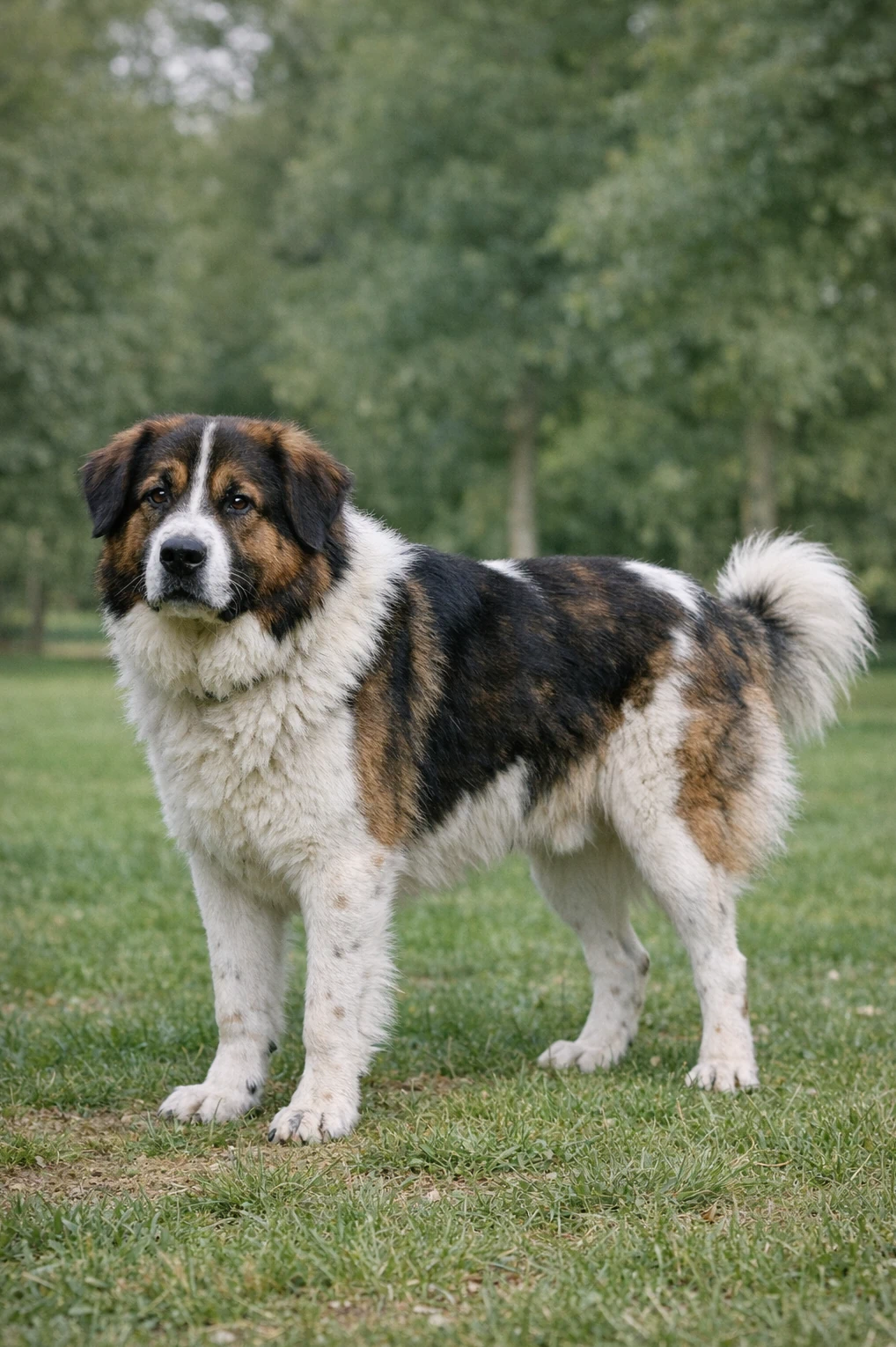
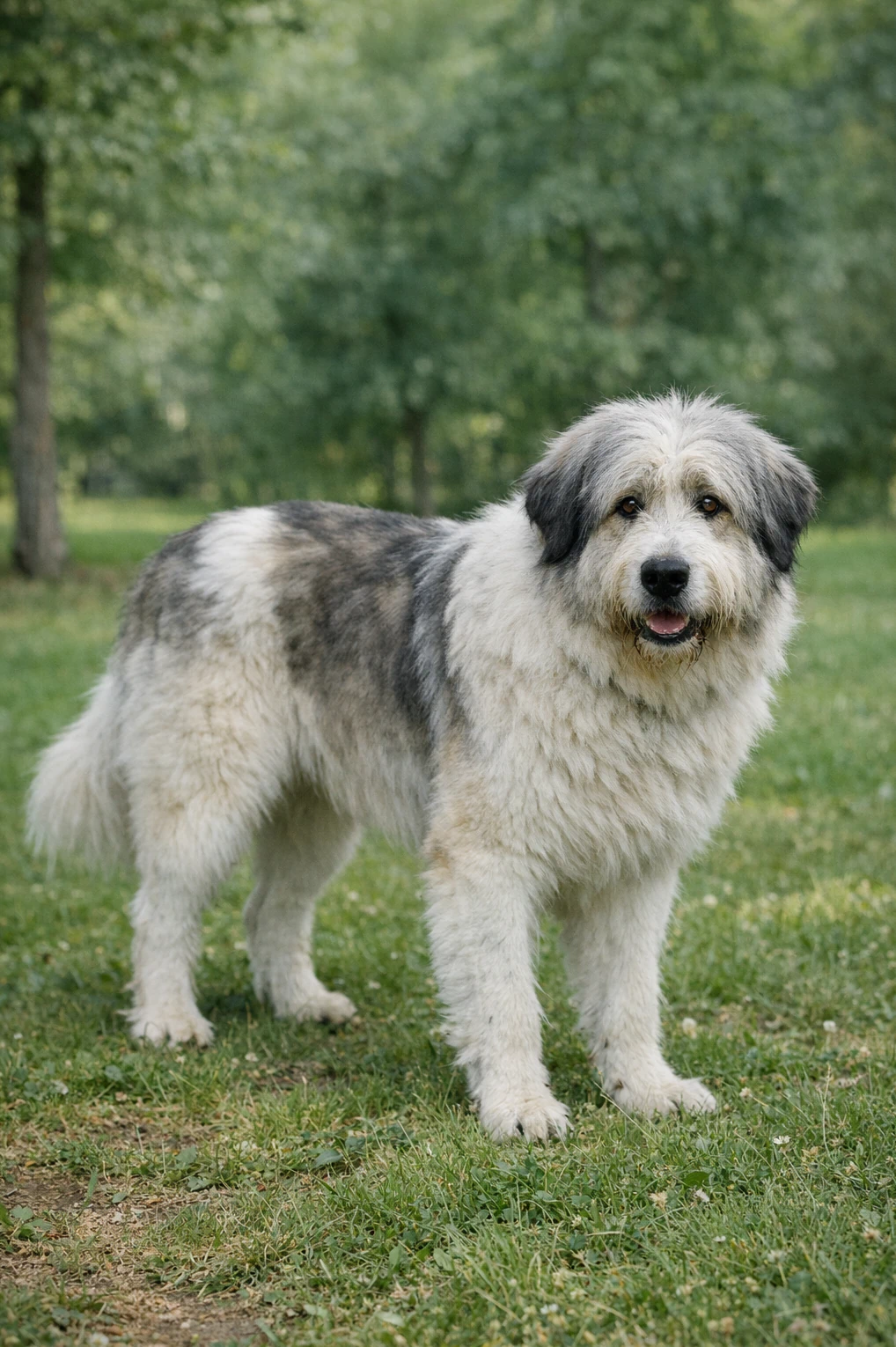
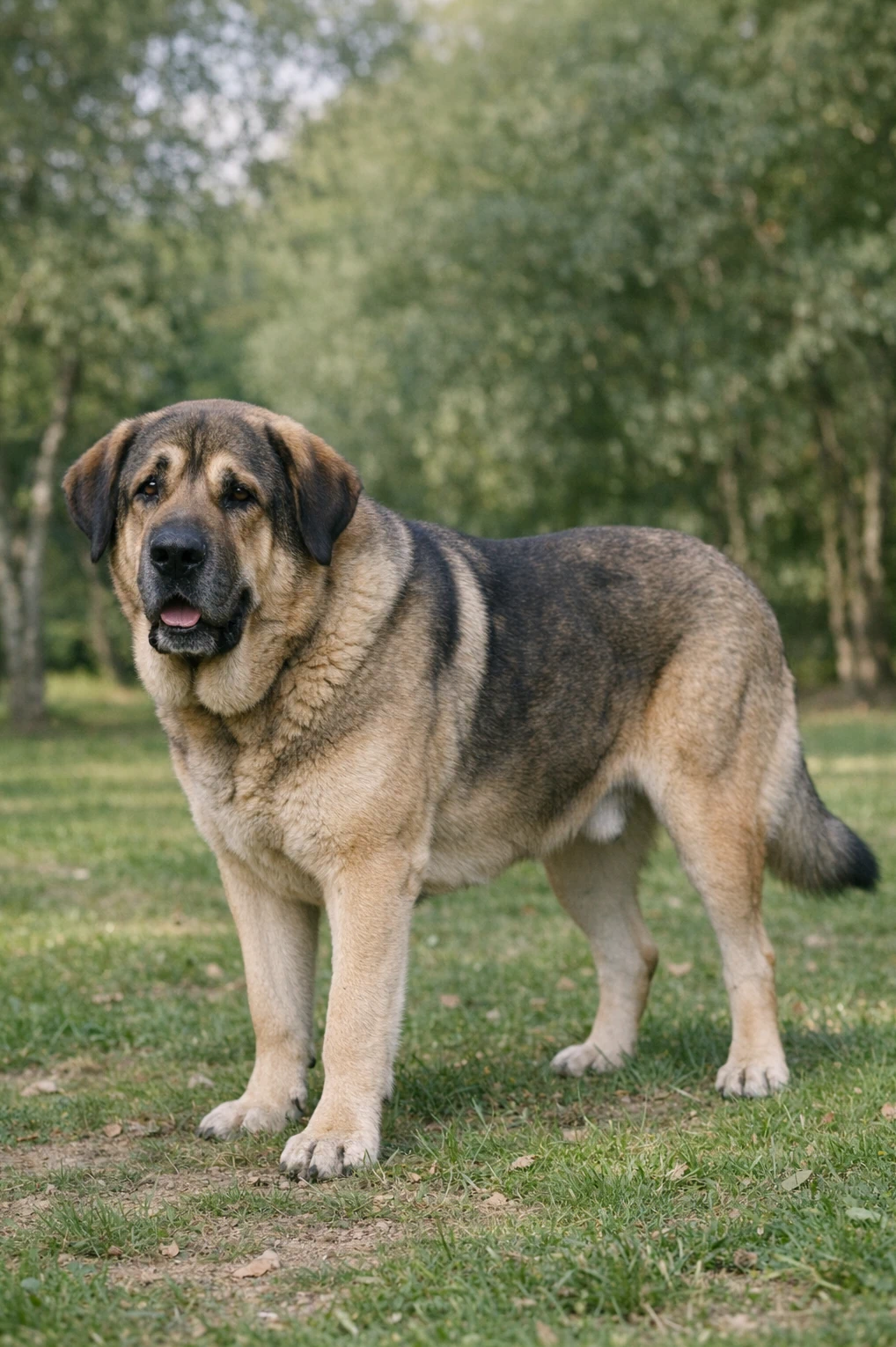
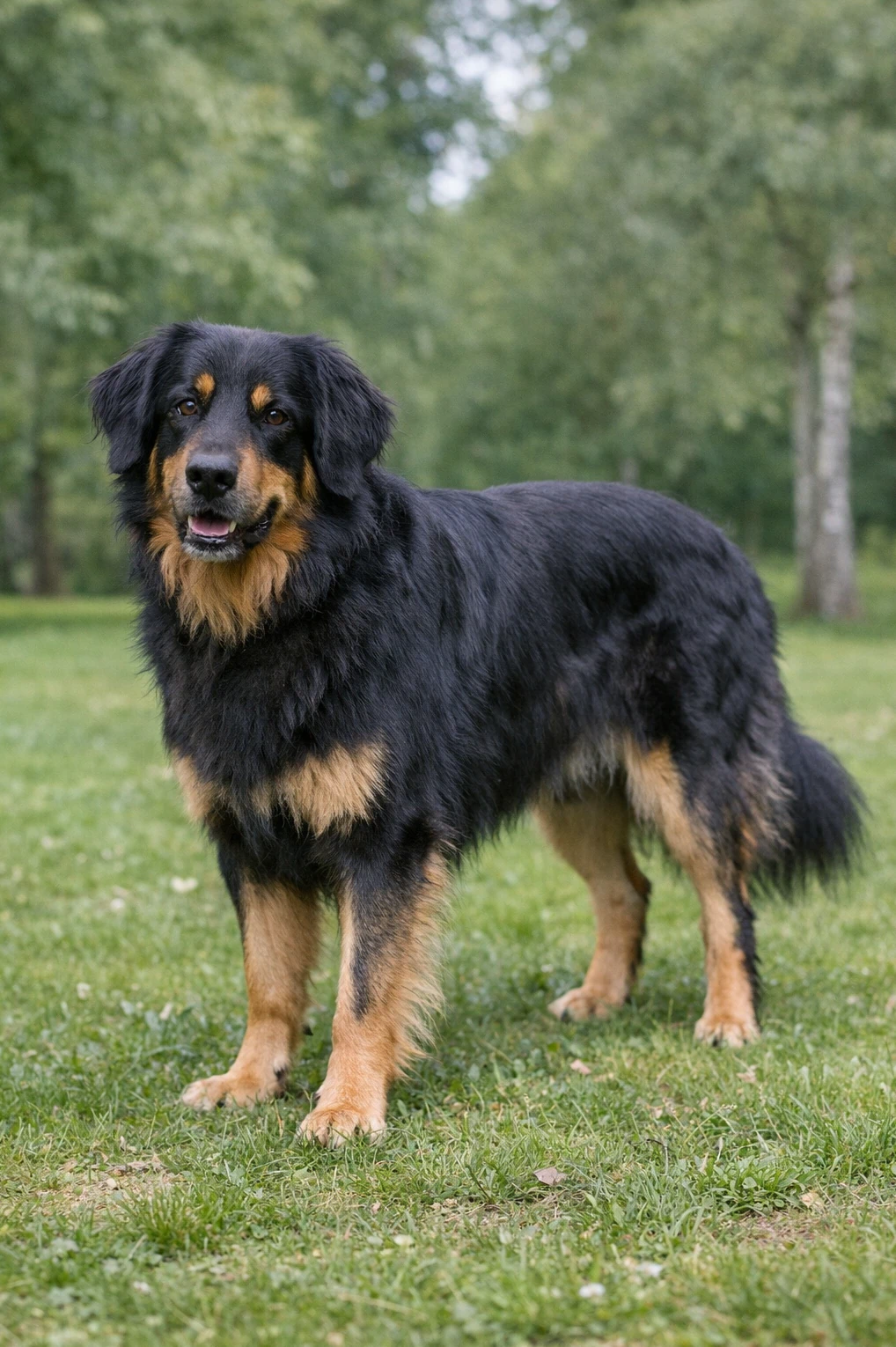
Hovawart: a large, sturdy companion at 23 to 28 inches and 65 to 90 pounds, vigilant, quick-witted, and devoted. Nutritional verdict: a protein-rich, balanced diet with joint support keeps this active guardian thriving.
Understanding the Hovawart Metabolism and Energy Needs
The Hovawart comes from a line of dependable guardians and hands-on workers, so their diet should support steady endurance and mental sharpness. Because their lives combine physical patrols and active problem solving, they benefit from higher quality protein to maintain lean muscle mass, for example cooked poultry or fish that help repair tissues after exercise and keep strength consistent.
Healthy fats are important for sustained energy and brain health, so include sources like fish oil or flax for omega-3s that support focus and a calm temperament. Controlled complex carbohydrates from whole grains and vegetables provide steady fuel without weight gain, while joint-support nutrients such as glucosamine and antioxidants protect mobility and immune resilience in a dog bred to stay active and loyal.
Managing Hovawart Genetic Health Risks Through Nutrition
Hip Dysplasia
Helpful nutrients
Digestive Sensitivity Across Life Stages
Helpful nutrients
Healthy Weight Management and Longevity
Helpful nutrients
Hovawart Feeding & Calorie Calculator
Estimated Daily Calories
Tip: Start with this amount and adjust after 2–3 weeks based on your dog's body condition and weight trend.
This estimate provides a starting point for feeding. Individual calorie needs may vary depending on metabolism, body condition, and health status. Always monitor your dog's weight and consult your veterinarian when adjusting diet.
Foods and Ingredients to Avoid for Hovawart Dogs
Rich, fatty foods and excessive table scraps can pack too many calories into a Hovawart's diet, which at 65 to 90 pounds can gain weight quickly if overfed.
Extra weight stresses hips and joints even in this generally healthy breed, reducing mobility and increasing the chance of arthritis later in life.
High-fat meals also raise the risk of pancreatitis, a painful condition that often requires urgent veterinary care.
Aim for measured fat levels and lean protein sources to keep your Hovawart fit and comfortable for years to come.
Puppy Hovawarts need controlled calories and balanced minerals to grow at a steady pace, because overly rich formulas can encourage too rapid bone development.
Excess calcium and calories during early growth may contribute to orthopedic issues despite the breed's generally low hip dysplasia rate.
Choose a large-breed puppy food formulated for slower maturation and check portion sizes with your veterinarian or breeder.
That approach helps protect joints and supports healthy long-term mobility as your dog matures.
Grain-free diets that rely heavily on peas, lentils, chickpeas or other legumes have been associated with cases of diet-related heart disease in dogs.
Because Hovawarts are a larger, active breed, any decline in heart function can have a significant impact on stamina and overall wellbeing.
If you prefer grain-free options, choose formulas where legumes are not the dominant ingredient and discuss choices with your veterinarian.
Monitoring for signs of lethargy, coughing or exercise intolerance is a sensible precaution.
Artificial preservatives, colors, and strong flavors can irritate sensitive stomachs or skin, and some Hovawarts show food sensitivities even with generally robust health.
Ingredients like BHA, BHT or artificial dyes may trigger itchy skin, digestive upset, or picky eating in susceptible dogs.
Opt for naturally preserved foods and simpler ingredient lists to reduce the chance of reactions and to support a healthy coat and digestion.
If you suspect a sensitivity, work with your vet to identify and eliminate the culprit.
Xylitol is extremely toxic to dogs and can cause a rapid insulin surge, dangerous low blood sugar, and liver damage even in small amounts.
Hovawarts will happily sample human treats, so avoid sugar-free gum, some peanut butters, baked goods and other products that may contain this sweetener.
Other artificial sweeteners can upset digestion and provide no nutritional benefit, so it is safest to avoid them altogether.
Always check labels before sharing snacks and keep potentially toxic items well out of reach.
Processed human foods, salty snacks, cured meats and frequent table scraps can load your Hovawart with excess sodium and empty calories, leading to weight gain and possible salt-related illness in extreme cases.
For a large dog it is easy to exceed healthy calorie intake with repeated treats, which adds stress to joints and may shorten active years.
Heavily seasoned or rich leftovers can also trigger pancreatitis or gastrointestinal upset, so stick to low-salt, dog-safe treats and balanced dog food for most of their calories.
Sharing should be occasional and carefully chosen to protect long-term health.
How Nutritional Needs Change Throughout the Hovawart Life Stages
Hovawarts have changing nutritional needs as they move from puppyhood through adulthood and into their senior years. Their diet must support rapid growth early on, sustained energy and muscle maintenance during prime years, and slower metabolism plus joint care later in life. Breed size, growth rate, activity level and any common health tendencies help determine the right balance of calories, protein and key nutrients.
| Life Stage | Age Range | Primary Objective | Key Nutrient Focus |
|---|---|---|---|
| Puppy | 0–18 months | controlled skeletal development, immune support, brain development | DHA, balanced calcium/phosphorus, high-quality protein |
| Adult | 1.5–5 years | lean muscle maintenance and sustained energy | high-quality protein, omega-3 fatty acids, fiber |
| Senior | 5+ years | joint mobility, metabolic health, and cognitive support | glucosamine, chondroitin, antioxidants, lower calories |
Hovawart puppies grow steadily into a large, muscular dog, so their first year is focused on controlled, even growth to protect developing bones and joints. Growth plates close later than in small breeds, making it important to avoid overfeeding or high-calorie diets that encourage too-rapid weight gain.
Provide a high quality, large-breed puppy formula with digestible protein for muscle, balanced calcium and phosphorus for skeletal development, and omega-3 fatty acids for brain and coat health. Feed three to four smaller meals daily until around six months, then transition to two meals as they approach adulthood, and keep play and exercise moderate to protect joints while they build strength.
Monitor body condition and consult your veterinarian before adding supplements, since Hovawarts have a relatively low rate of hip problems but still benefit from careful growth management.
Adult Hovawarts need nutrition that supports sustained energy and lean muscle mass for their alert, active nature. Aim for a balanced diet with high quality protein to maintain muscle, moderate fat for energy, and digestible carbohydrates and fiber for steady fuel and healthy digestion.
Adjust calories to match activity level, since working or highly active Hovawarts will need more energy than a family pet with a calmer routine. Maintain regular feeding times, split daily portions into two meals, include omega fatty acids for coat and skin health, and monitor weight and condition to prevent excess strain on the joints.
As Hovawarts age, metabolism often slows and mobility or digestion can change, so their diet should support joint health and preserve muscle. Focus on high quality, easily digestible protein to reduce muscle loss, slightly lower overall calories if activity declines, and increased fiber to support gut function.
Include joint-supportive nutrients such as glucosamine, chondroitin and omega-3 fatty acids, plus antioxidants like vitamin E to help healthy aging. Keep meals palatable and easy to chew, monitor weight and mobility, and work with your veterinarian to tailor calorie targets and supplements to your dog’s changing needs.
Kibble vs Fresh vs Raw for Hovawart
Different feeding models suit different lifestyles and commitments. Your Hovawart's active, large-frame build and long lifespan make some choices more practical than others.
Pros
- Convenient and easy to portion for busy owners.
- Formulas for large breeds support joint health and controlled growth.
- Consistent nutrient balance supports long lifespan and steady energy.
- Dry kibble can help reduce tartar with regular chewing.
Cons
- Lower moisture content may need extra water, especially after activity.
- Some formulas contain fillers or low-quality proteins.
- Picky Hovawarts may refuse certain dry formulas.
- Calories can be dense, requiring careful portion control.
Pros
- Highly palatable, often ideal for picky or recovering dogs.
- High moisture supports digestion and hydration after exercise.
- You control ingredients for sensitive stomachs and coat health.
- Can be formulated to match large breed growth and joint needs.
Cons
- Requires careful planning to ensure complete nutrition for large dogs.
- More time consuming, with meal prep and storage needs.
- Typically more expensive than kibble over the long term.
- Homemade calcium balance mistakes can harm growing Hovawart puppies.
Pros
- High protein can support muscle mass for active Hovawarts.
- Some owners report shinier coats and higher energy levels.
- Unprocessed ingredients preserve natural nutrients and flavors.
Cons
- Risk of bacterial contamination demands strict hygiene and handling.
- Imbalanced calcium to phosphorus ratio can endanger large-breed puppies.
- Bones can pose choking or dental fracture risks for large dogs.
- Veterinary guidance and testing are important to ensure safety.
| Diet Type | Pros for Hovawart | Potential Downsides |
|---|---|---|
| High-Quality Kibble |
|
|
| Fresh Cooked Food |
|
|
| Raw Diet (BARF) |
|
|
Our Recommendation
For most Hovawart owners, high-quality kibble provides a convenient, balanced baseline that supports joint needs and steady energy.
Fresh cooked or carefully managed raw diets can work well, when formulated with veterinary input to meet large-breed growth and health needs.
See Also
Breeds with similar group, size, and coat characteristics