Best Dog Food for Caucasian Shepherd Dog in 2026Based on Nutritional Science
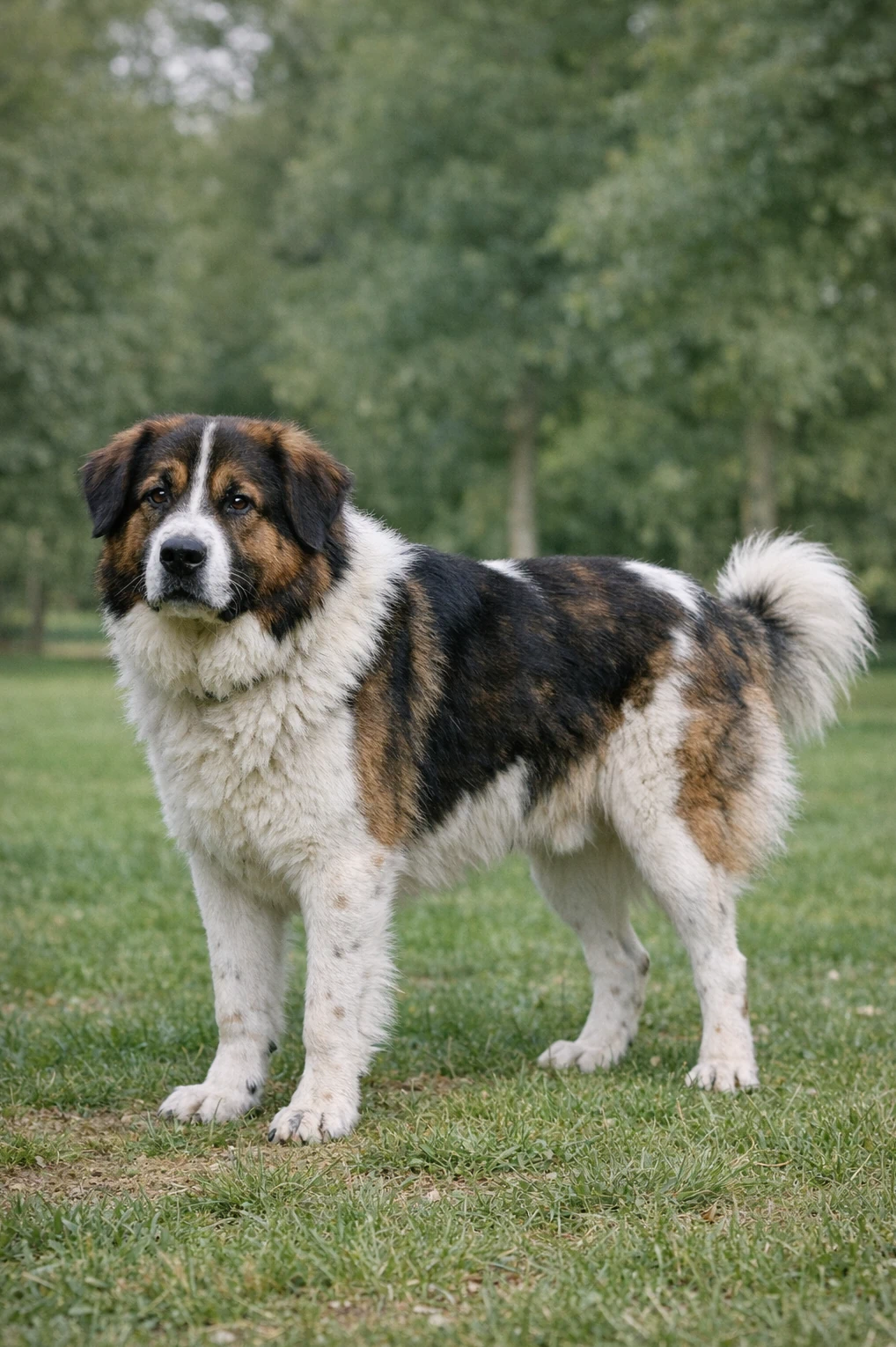
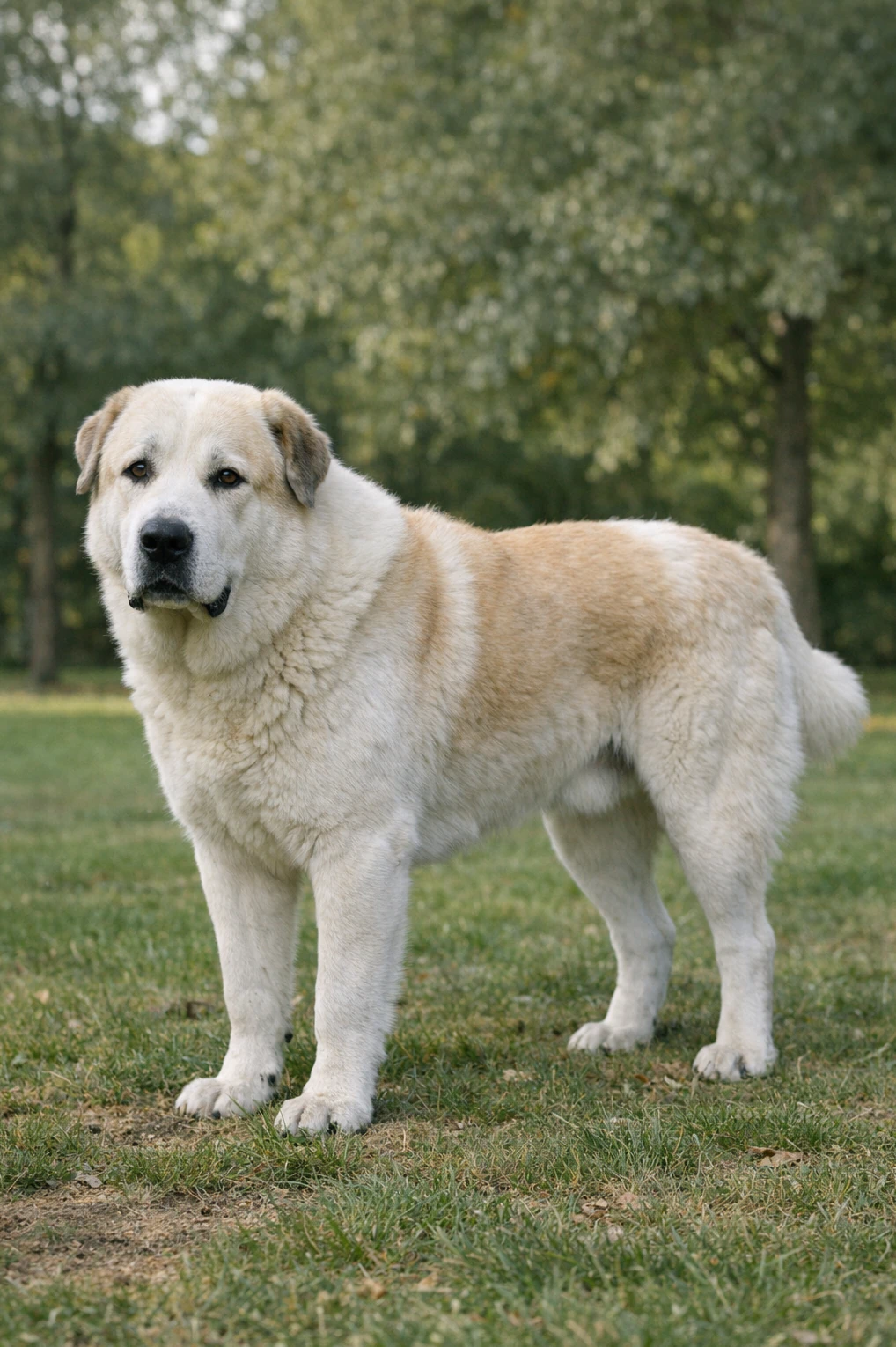
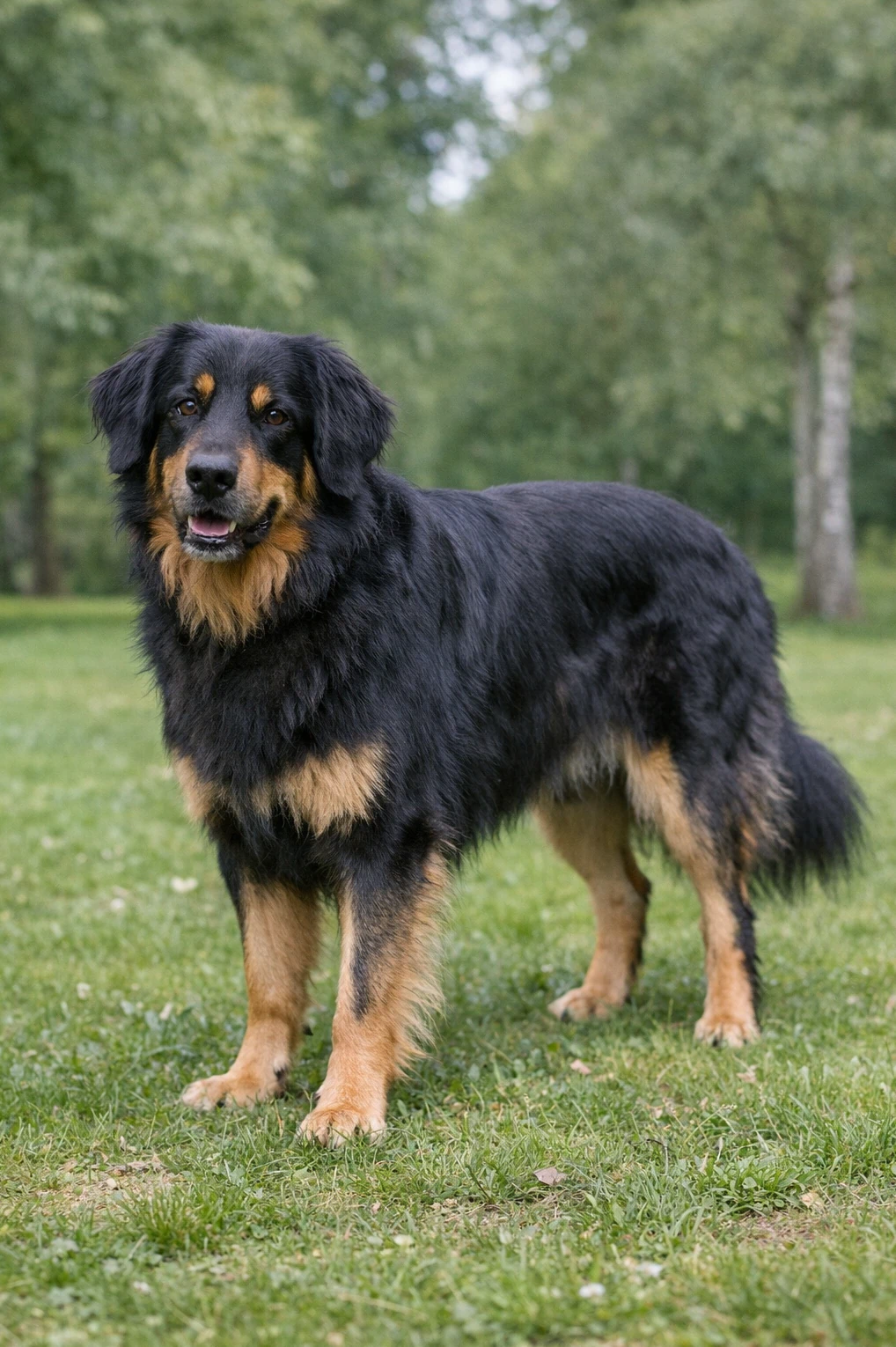
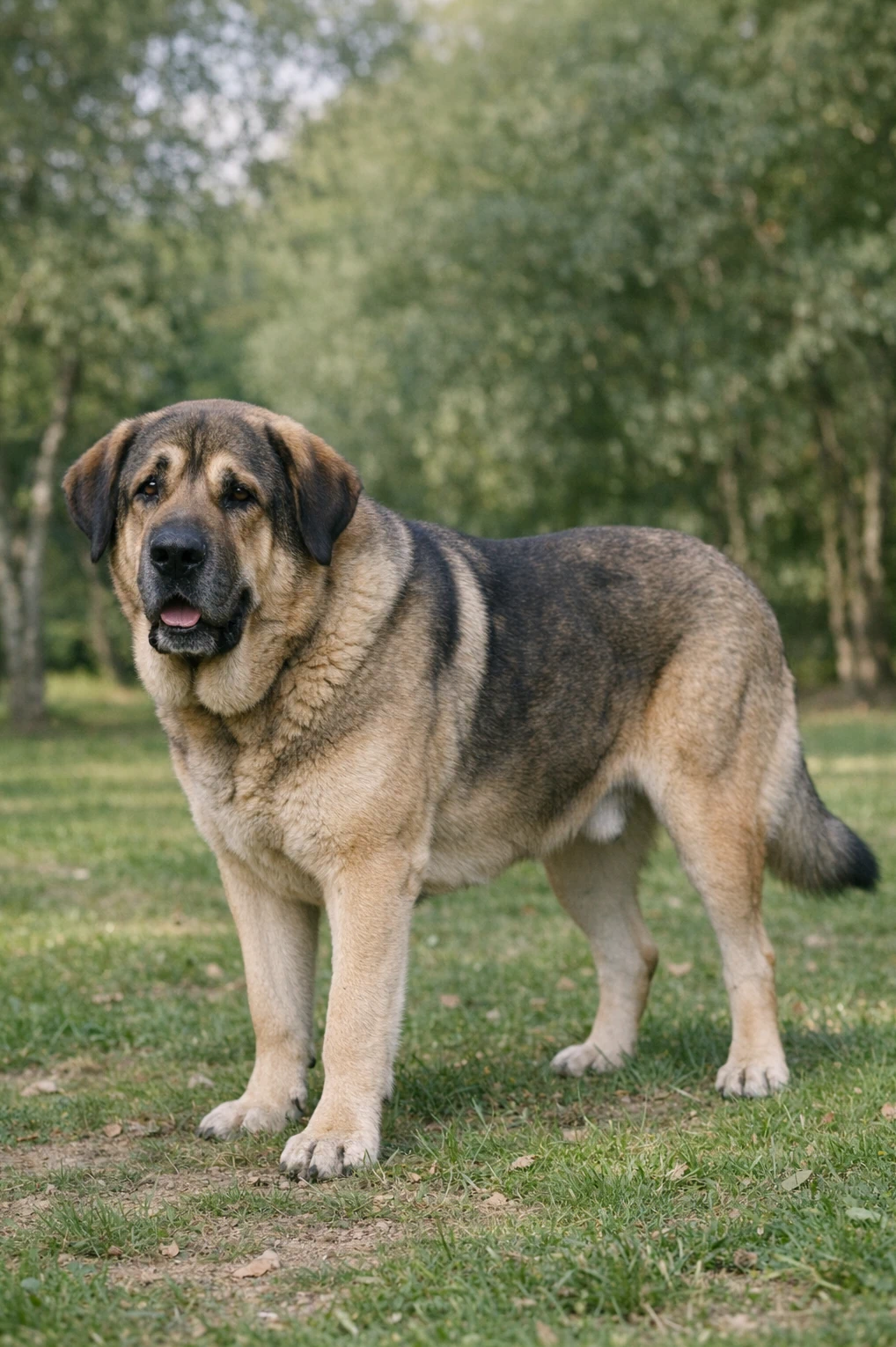
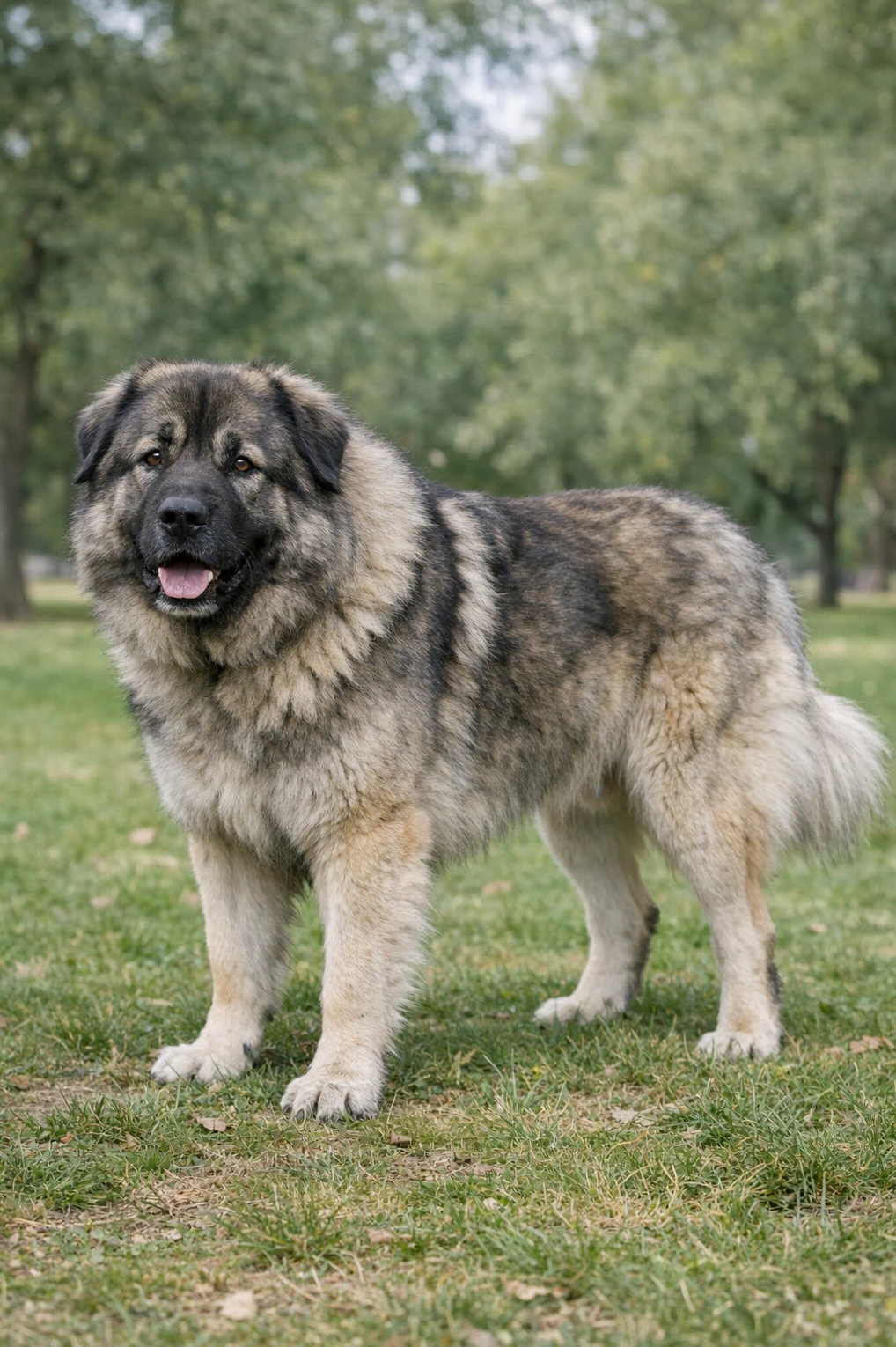
Massive guardian standing 23 to 30 inches and weighing 99 to 170 pounds, brave, assertive, and tender-hearted. Nutritional Verdict: high-quality, calorie-rich meals support muscle and coat health for this hearty companion.
Understanding the Caucasian Shepherd Dog Metabolism and Energy Needs
As a mountain guardian with a history of watching livestock and homes, this heavy-boned, confident companion needs a diet built for strength and endurance. Sturdy frame and calm temperament mean energy is used steadily rather than in explosive bursts, so calories should support sustained effort and healthy body weight.
Prioritize digestible animal proteins like beef, lamb, or fish to maintain muscle and tissue repair. Fats provide concentrated fuel and help keep a thick coat and warm body temperature, so include sources such as fish oil or animal fat. Carbohydrates should be modest and come from fiber-rich options like sweet potato to support digestion and stable blood sugar.
Protect growing joints by controlling calorie intake during puppyhood and ensuring correct mineral ratios. Supplements such as glucosamine, chondroitin, and omega-3 fatty acids support joints, skin, and inflammation. Together these choices match this guardian lineage, helping the dog stay strong, comfortable, and steady.
Managing Caucasian Shepherd Dog Genetic Health Risks Through Nutrition
Caucasian Shepherd Dog Feeding & Calorie Calculator
Estimated Daily Calories
Tip: Start with this amount and adjust after 2–3 weeks based on your dog's body condition and weight trend.
This estimate provides a starting point for feeding. Individual calorie needs may vary depending on metabolism, body condition, and health status. Always monitor your dog's weight and consult your veterinarian when adjusting diet.
Foods and Ingredients to Avoid for Caucasian Shepherd Dog Dogs
Caucasian Shepherd puppies grow quickly, and too much calcium or indiscriminate supplementing during that rapid growth can harm developing bones and joints.
Excess calcium has been linked to abnormal bone growth, increased risk of hip and elbow problems, and lifelong mobility issues in large breeds.
Use a vet-recommended large-breed puppy formula with controlled calcium and phosphorus levels to support steady growth and long-term joint health.
Fatty table scraps, fried foods, and rich human meals can cause rapid weight gain in a heavy, large-breed dog, adding stress to hips, elbows, and the spine.
Very fatty meals also raise the risk of pancreatitis, which can be severe and painful, especially in big dogs.
Stick to lean protein treats, limit human food indulgences, and check with your veterinarian before introducing calorie-dense items.
Large, single meals and foods that ferment or expand in the stomach can contribute to gastric dilatation and volvulus, commonly called bloat, a life-threatening emergency for large, deep-chested breeds.
Avoid overly bulky meals, gas-producing ingredients in large amounts, and vigorous exercise right after eating, and consider splitting daily rations into two or three smaller meals.
A calm, consistent feeding routine helps reduce the chance of dangerous stomach twisting.
Cooked bones can splinter and cause internal punctures or choking, and very hard chews can fracture teeth in a powerful-jawed breed like the Caucasian Shepherd.
Small bones and brittle chews are especially risky, as are items that can break into sharp pieces or lodge in the throat.
Choose appropriately sized, veterinarian-approved chew options and always supervise chewing to keep teeth, throat, and digestive tract safe.
Diets that substitute grains with high levels of peas, lentils, chickpeas, or other legumes have been associated with heart muscle problems in some dogs when other nutrients become unbalanced.
For a large breed already at risk for orthopedic stress, adding potential cardiac risk is not advisable without close veterinary oversight.
Prefer balanced diets with varied, quality carbohydrate sources and discuss long-term grain-free choices with your vet.
Certain human foods are dangerous for dogs, and a large dog can consume harmful amounts quickly if given the chance, increasing severity of poisoning.
Chocolate, grapes and raisins, onions and garlic, xylitol-containing products, alcohol, and caffeine should never be offered, as they can cause vomiting, organ damage, low blood sugar, or life-threatening toxicity.
Keep these items secured and contact your veterinarian or poison control immediately if ingestion occurs.
How Nutritional Needs Change Throughout the Caucasian Shepherd Dog Life Stages
Dogs need different nutrition at each stage of life, and Caucasian Shepherds are no exception. Puppyhood, adulthood, and senior years bring shifting calorie, protein, and joint-support needs that depend on a dog’s growth rate, activity level, and any breed-prone health tendencies, so feeding should adapt as your giant guardian grows and ages.
| Life Stage | Age Range | Primary Objective | Key Nutrient Focus |
|---|---|---|---|
| Puppy | 0–18 months | controlled skeletal development, immune support, brain development | DHA, balanced calcium/phosphorus, high-quality protein |
| Adult | 1.5–5 years | lean muscle maintenance and sustained energy | high-quality protein, omega-3 fatty acids, fiber |
| Senior | 5+ years | joint mobility, metabolic health, and cognitive support | glucosamine, chondroitin, antioxidants, lower calories |
As a giant, the Caucasian Shepherd has a prolonged and rapid growth phase, so puppy nutrition focuses on steady, controlled development to protect growing bones and joints. Offer a diet formulated for large or giant-breed puppies with moderate calories and high quality protein to support muscle while avoiding excessive calcium and phosphorus that can disrupt skeletal maturation. Feed smaller, frequent meals three to four times daily when very young, moving to two meals by adolescence to keep energy steady.
Because this breed can become heavy and places extra stress on hips and elbows, avoid overfeeding and fast growth. Include DHA for brain development, glucosamine and chondroitin early on if advised by a vet, and consistent monitoring of weight and body condition to match activity level and the breed’s bold but steady temperament.
As an adult, a Caucasian Shepherd needs nutrition that maintains strong muscle mass and steady energy for guarding and family life. Aim for a balanced diet with high quality protein to preserve lean muscle, moderate fat for sustained energy, and controlled calories to prevent excess weight in a breed that can lean toward heaviness. Feeding twice daily helps regulate appetite and digestion while supporting consistent activity.
Include omega-3 and omega-6 fatty acids for skin and double coat health, and consider joint-support nutrients as maintenance rather than high-dose therapy. Lifestyle matters when setting portions, adjust for working dogs versus couch companions, and check body condition regularly to fine tune protein and fat targets with your veterinarian.
As seniors, Caucasian Shepherds often experience a slower metabolism, reduced activity, and increased joint stiffness, so calorie needs usually decrease while nutrient needs for joint and immune support rise. Choose a senior formula with slightly lower calories but high quality protein to preserve muscle, plus added joint-support ingredients like glucosamine, chondroitin and omega-3s to help mobility and comfort. Higher fiber and more digestible ingredients can ease digestion, and smaller, more frequent meals may suit dogs with a reduced appetite or slower digestion.
Antioxidants such as vitamins E and C and polyphenols help support healthy aging and immune resilience, and maintaining an ideal body condition is crucial to reduce stress on hips and elbows. Work with your veterinarian to adjust portions for weight loss or gain, and consider supplements or prescription diets if arthritis or other age-related changes affect your guardian’s comfort.
Kibble vs Fresh vs Raw for Caucasian Shepherd Dog
Different feeding models suit different lifestyles and dog needs. For a large guardian like the Caucasian Shepherd, energy level, coat care, and joint support are key considerations.
Pros
- Convenient and easy to portion for large, busy households.
- Formulas often include balanced minerals for joint and bone health.
- Stable on the shelf with predictable calorie counts for weight management.
- Crunchy kibble can support dental health when fed regularly.
Cons
- Less moisture can increase risk of dehydration or urinary issues.
- Calorie-dense formulas can cause weight gain if portions are too large.
- Some brands use fillers and lower-quality proteins.
- May not offer enough fatty acids for a thick double coat without supplements.
Pros
- High moisture supports hydration and healthy kidney function.
- Easier to control ingredients for allergies and coat-supporting fats.
- Very palatable, which helps maintain weight in picky eaters.
- Can include joint-supporting foods like bone broth and omega-rich fish.
Cons
- Requires strict recipes to meet all vitamins and minerals.
- Time-consuming and more expensive than kibble for large dogs.
- Needs refrigeration and portion planning for multiple meals per day.
- Improper balance can worsen joint or weight issues over time.
Pros
- High-quality proteins support muscle mass in a large, working breed.
- Some owners report improved coat sheen and skin condition.
- Can be tailored to include natural joint-supporting ingredients.
- No processing may preserve certain heat-sensitive nutrients.
Cons
- Higher bacterial risk requires impeccable food safety and hygiene.
- Bone hazards exist, especially if feeding unsafe bone types.
- Balancing calcium and vitamins for giants is complex without guidance.
- More expensive and logistically demanding for heavy daily rations.
| Diet Type | Pros for Caucasian Shepherd Dog | Potential Downsides |
|---|---|---|
| High-Quality Kibble |
|
|
| Fresh Cooked Food |
|
|
| Raw Diet (BARF) |
|
|
Our Recommendation
For most Caucasian Shepherds, a high-quality large-breed kibble or a carefully balanced fresh cooked diet meets their needs for joints and coat.
Raw feeding can work for experienced owners who follow strict hygiene and veterinary guidance, but it requires careful planning.
See Also
Breeds with similar group, size, and coat characteristics