Best Dog Food for Romanian Mioritic Shepherd Dog in 2026Based on Nutritional Science
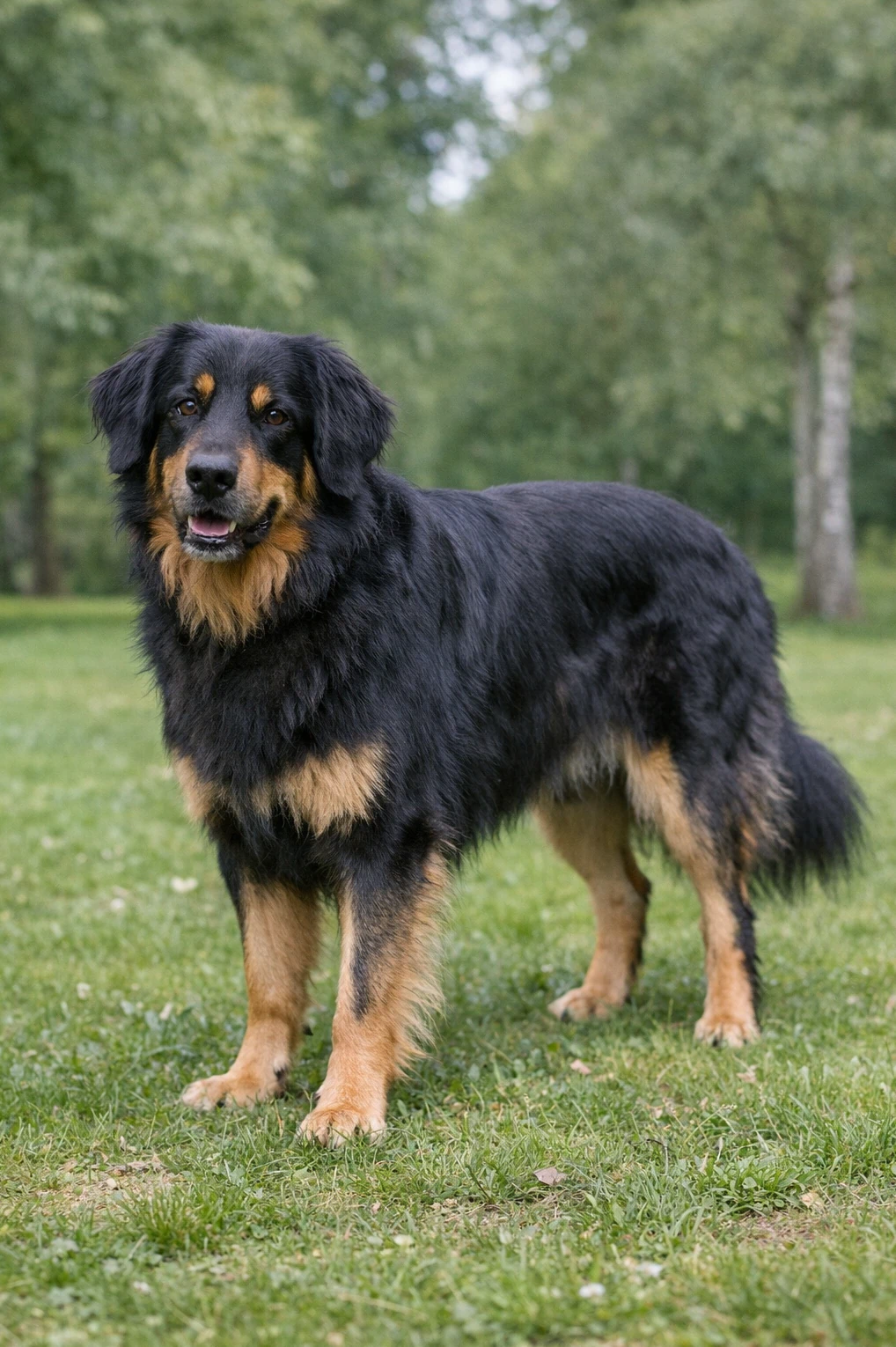
Large, sturdy Romanian Mioritic males stand about 27-29 inches and weigh 100-130 pounds. A self-reliant, devoted, bold protector. Nutritional Verdict: rich, high-protein diet with joint support keeps them fit and thriving.
Understanding the Romanian Mioritic Shepherd Dog Metabolism and Energy Needs
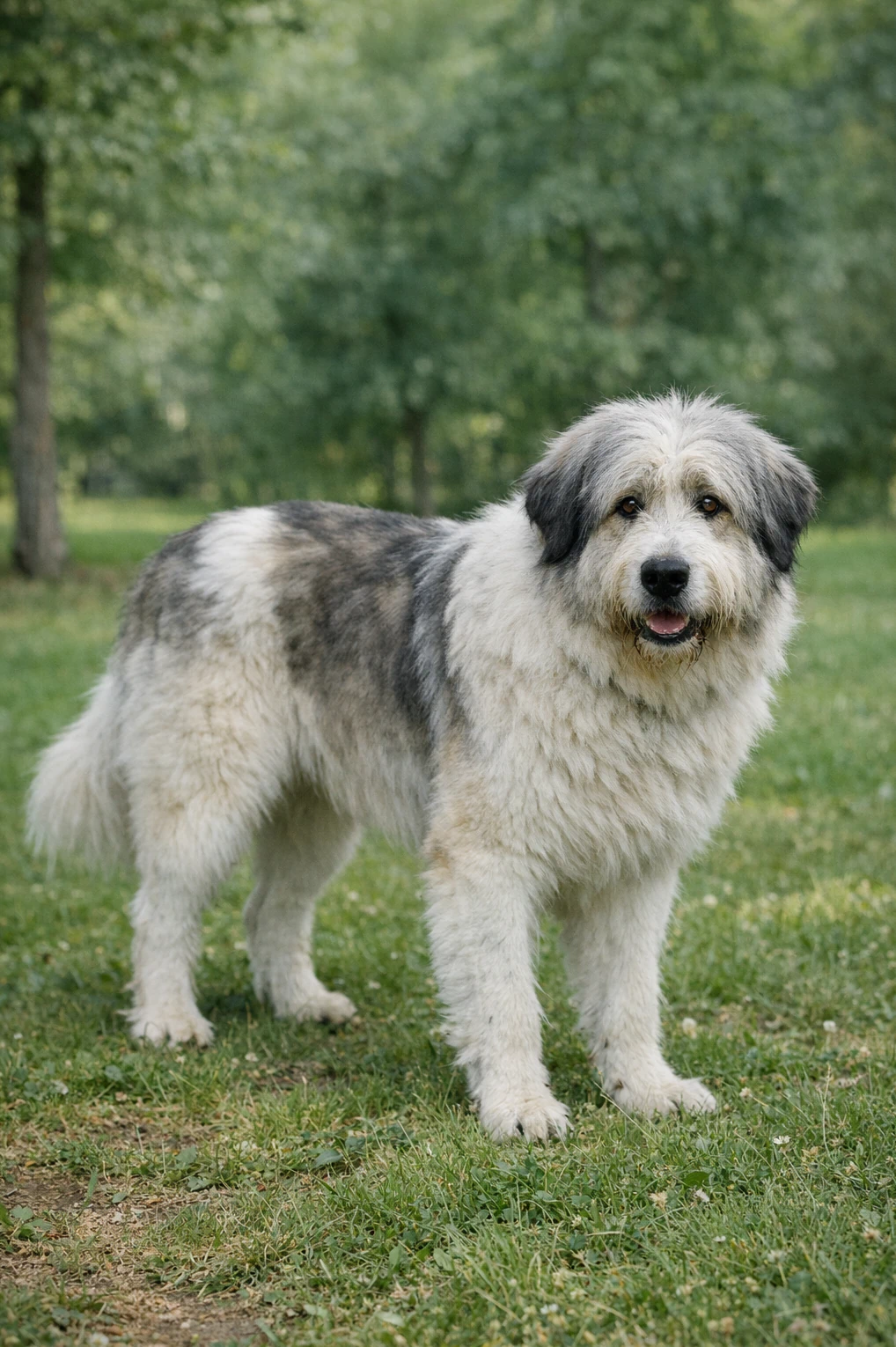
As a traditional flock protector from the Carpathian hills, this large, self-reliant dog needs a diet that supports stamina, strength, and joint health. A higher level of quality protein helps maintain dense muscles and repairs tissue after long hours on watch, while healthy fats provide steady energy and help keep a thick, weatherproof coat. Complex carbohydrates from whole grains or root vegetables offer slow-release fuel without provoking bursts of energy, which suits calm, steady work.
Because of size and a history of long-distance guarding, extra support for cartilage and bones makes sense. Omega-3s nourish skin and moderate inflammation, and targeted supplements like glucosamine and chondroitin protect joints. Probiotics and antioxidants aid digestion and immune resilience, helping a devoted, bold companion stay fit and mentally steady.
Managing Romanian Mioritic Shepherd Dog Genetic Health Risks Through Nutrition
Bloat (Gastric Dilatation-Volvulus)
Helpful nutrients
Hip Dysplasia
Helpful nutrients
Poor high-protein metabolism / protein sensitivity
Helpful nutrients
Overeating and weight gain
Helpful nutrients
Romanian Mioritic Shepherd Dog Feeding & Calorie Calculator
Estimated Daily Calories
Tip: Start with this amount and adjust after 2–3 weeks based on your dog's body condition and weight trend.
This estimate provides a starting point for feeding. Individual calorie needs may vary depending on metabolism, body condition, and health status. Always monitor your dog's weight and consult your veterinarian when adjusting diet.
Foods and Ingredients to Avoid for Romanian Mioritic Shepherd Dog Dogs
Because the Mioritic is a large, efficient eater that is prone to weight-related joint strain and has a risk of pancreatitis, very fatty foods are best avoided.
High-fat table scraps, fried items, and fatty cuts of meat add lots of calories and can push these dogs into rapid weight gain, which worsens hip stress and mobility over time.
Choose lean protein sources and limit rich human foods, keeping treats low in fat and portion sizes small to protect joints and digestion.
Mioritics do not metabolize very high protein levels as well as some working breeds, so diets heavy in concentrated animal protein can be hard on their system.
Chronic overconsumption of protein may contribute to digestive upset and an unnecessary calorie surplus, since these dogs use food efficiently and need less than many packages suggest.
Aim for a balanced formula with moderate protein, and discuss targets with your vet to match activity level, age, and any medical concerns.
This breed is at risk for bloat, so feeding one huge meal or allowing very rapid eating increases the chance of life threatening gastric twist.
Large portions and gulping can trap air or cause the stomach to distend quickly, raising the bloat danger and making it harder for the dog to recover.
Feed twice a day in measured portions, remove uneaten food after 15 minutes, and encourage slow eating with puzzle feeders or controlled portions, then keep activity calm for an hour or two after meals.
Foods that ferment in the gut, such as large amounts of beans, lentils, and some legumes, can increase gas and abdominal distension, which is a concern for a giant breed prone to bloat.
Kibble formulas with very high legume content or feeding large quantities of these ingredients in home mixes may upset digestion and raise discomfort.
Use moderate carbohydrate sources like rice or oats, introduce new plant ingredients slowly, and watch for bloating or excessive flatulence after changes.
Large breed puppies like Mioritics need carefully balanced calcium and phosphorus to support steady bone growth, because improper supplementation can contribute to developmental orthopedic issues and worsen hip concerns.
Giving extra calcium or adult supplements without veterinary guidance can cause uneven growth plates and joint problems later in life.
Follow a large-breed puppy diet formulated to meet growth needs, and consult your veterinarian before adding any mineral or vitamin supplements.
Some common human foods are directly toxic to dogs, and a curious, food-savvy Mioritic can get into trouble quickly.
Chocolate, grapes and raisins, onions and garlic, macadamia nuts, and xylitol containing products can cause severe illness even in relatively small amounts, and salty or highly spiced foods worsen digestion.
Keep these items well out of reach, avoid giving risky table scraps, and contact your vet or an emergency clinic right away if ingestion is suspected.
How Nutritional Needs Change Throughout the Romanian Mioritic Shepherd Dog Life Stages
Dogs need different nutrition as they move from puppyhood to adulthood and into their senior years. For a Romanian Mioritic Shepherd Dog, those needs are shaped by a giant breed growth rate, strong guardian activity levels, and breed health tendencies like hip dysplasia and bloat. Tailoring meals across life stages helps support skeletal development, energy balance, and long term joint and digestive health.
| Life Stage | Age Range | Primary Objective | Key Nutrient Focus |
|---|---|---|---|
| Puppy | 0–18 months | controlled skeletal development, immune support, brain development | DHA, balanced calcium/phosphorus, high-quality protein |
| Adult | 1.5–5 years | lean muscle maintenance and sustained energy | high-quality protein, omega-3 fatty acids, fiber |
| Senior | 5+ years | joint mobility, metabolic health, and cognitive support | glucosamine, chondroitin, antioxidants, lower calories |
Romanian Mioritic Shepherd puppies grow large and relatively fast, with an extended growth period that requires careful calorie control to protect developing bones and joints. Aim for steady, not accelerated, growth by providing diets formulated for giant breed puppies with balanced protein, controlled calcium and phosphorus, and moderate fat to support healthy muscle and skeletal development.
Feed smaller, more frequent meals rather than one big meal to lower the risk of bloat, and use slow feeding methods when possible. Important nutrients include high quality protein, omega 3 fatty acids for development, and joint supporting ingredients such as glucosamine and chondroitin. Regular weight checks and guidance from your veterinarian will help prevent excess growth that can increase the risk of hip dysplasia.
As an adult, the Romanian Mioritic Shepherd needs a diet that preserves strong muscles and steady energy without promoting excess weight. Focus on high quality, easily digestible protein to maintain lean mass, and moderate healthy fats to fuel their calm guardian activities. Balanced carbohydrates and fiber support stable digestion, while omega 3 fatty acids help skin and coat health.
Because this is a giant, sometimes active guardian breed, adjust calories to match your dog's daily workload, offering two measured meals per day to reduce bloat risk. Include ongoing joint support and antioxidants to help long term mobility, especially if hip concerns run in the family. Regular body condition checks and conversations with your veterinarian will keep portions and nutrient mix on track for a confident, healthy adult dog.
As Romanian Mioritic Shepherds enter their senior years their metabolism often slows and daily activity typically decreases, which can lead to weight gain or conversely muscle loss if they become less active. Stiffness or reduced mobility may appear, especially in dogs with a history of hip problems, and digestion can become more sensitive, so meals should be easy to digest.
A senior feeding plan emphasizes high quality, highly digestible protein to help preserve muscle, while reducing overall calories if activity drops. Joint supportive ingredients like glucosamine, chondroitin and omega 3 fatty acids become important, along with antioxidants to support cellular health and a healthy immune system. Consider softer textures for dental comfort, add gentle fiber for regular digestion, and review diet and supplements with your veterinarian to balance weight, mobility and overall comfort.
Kibble vs Fresh vs Raw for Romanian Mioritic Shepherd Dog
Different feeding models suit different lifestyles and health needs, especially for large guardian breeds like the Romanian Mioritic Shepherd Dog.
Think about activity level, hip health, and bloat risk when choosing a feeding style.
Pros
- Convenient to measure and serve for a large, independent guardian.
- Formulas can support joint health to help with hip dysplasia risk.
- Balanced nutrients reduce the need for daily recipe planning.
- Dry kibble helps keep teeth cleaner by encouraging chewing.
Cons
- Lower moisture content may increase dehydration risk, especially after activity.
- Can be calorie-dense, requiring careful portion control to prevent weight gain.
- Some formulas include fillers or low-quality proteins, not ideal for sensitive dogs.
- Hard kibbles can be eaten quickly, which may raise bloat risk in large dogs.
Pros
- Highly palatable, great for picky or recovering Mioritics.
- High moisture helps hydration and digestion, useful after outdoor work.
- Easier to adjust protein and fat for joint and weight management.
- Cooking removes pathogens, lowering bacterial risks compared to raw diets.
Cons
- Time consuming to prepare and balance for complete nutrition.
- More expensive over time for a large, heavy-eating breed.
- Needs careful supplementation for calcium and essential nutrients.
- Requires refrigeration and safe handling to prevent spoilage.
Pros
- High protein and minimal processing can suit active guardian dogs.
- Many owners report shinier coats, which suits the Mioritic's double coat.
- Whole foods can feel closer to ancestral feeding for some owners.
Cons
- Higher bacterial contamination risk without strict hygiene and sourcing.
- Bones must be carefully managed to avoid choking or broken teeth.
- Hard to ensure balanced calcium and vitamins without professional guidance.
- Feeding raw may increase bloat risk if meals are large or fast.
| Diet Type | Pros for Romanian Mioritic Shepherd Dog | Potential Downsides |
|---|---|---|
| High-Quality Kibble |
|
|
| Fresh Cooked Food |
|
|
| Raw Diet (BARF) |
|
|
Our Recommendation
For many Mioritics, high-quality kibble with joint-support formulas and slow-feeding tools offers a practical baseline.
Fresh cooked meals suit picky or sensitive dogs, and raw feeding should only be tried with veterinary guidance and strict hygiene.
See Also
Breeds with similar group, size, and coat characteristics