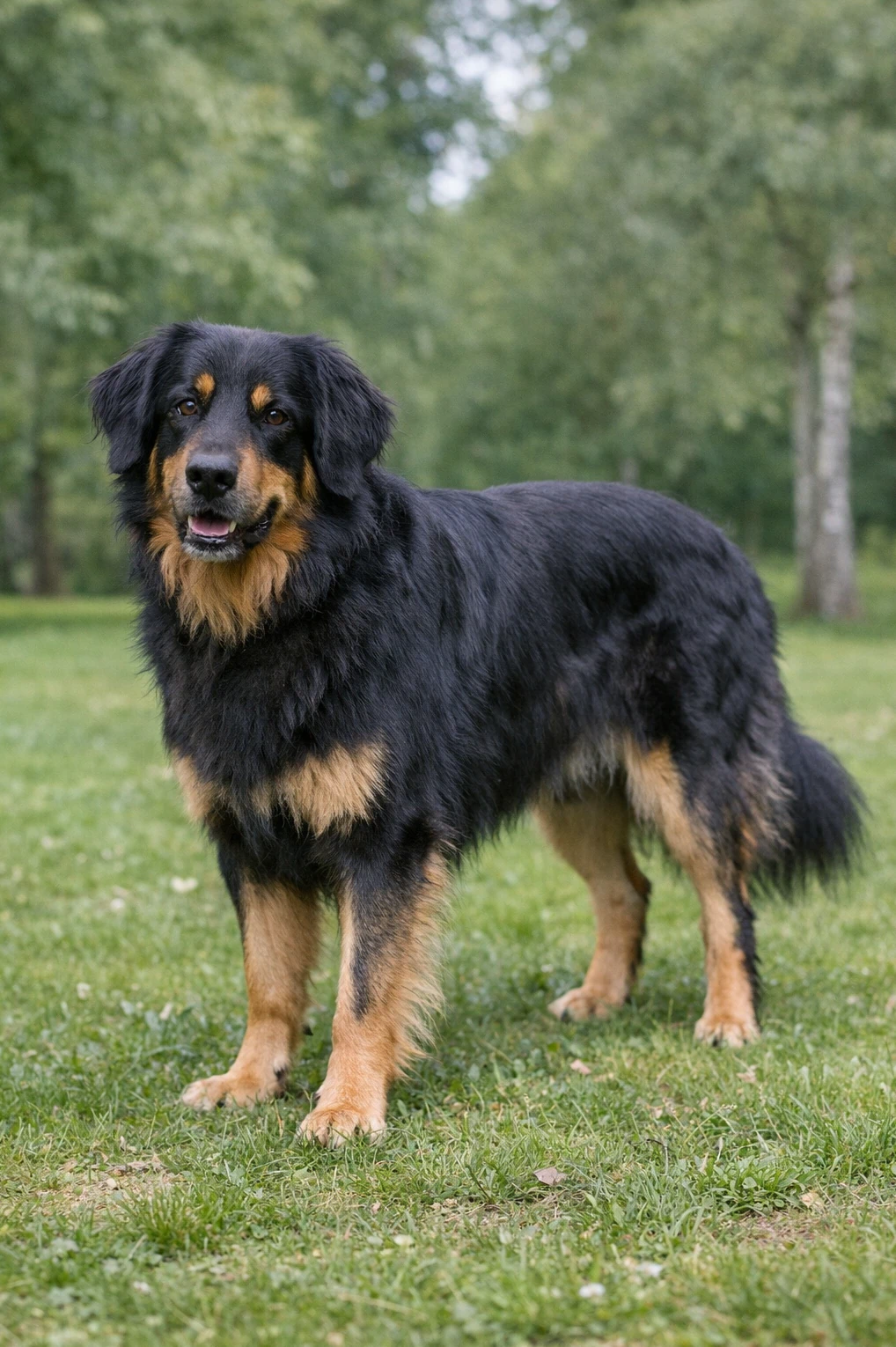
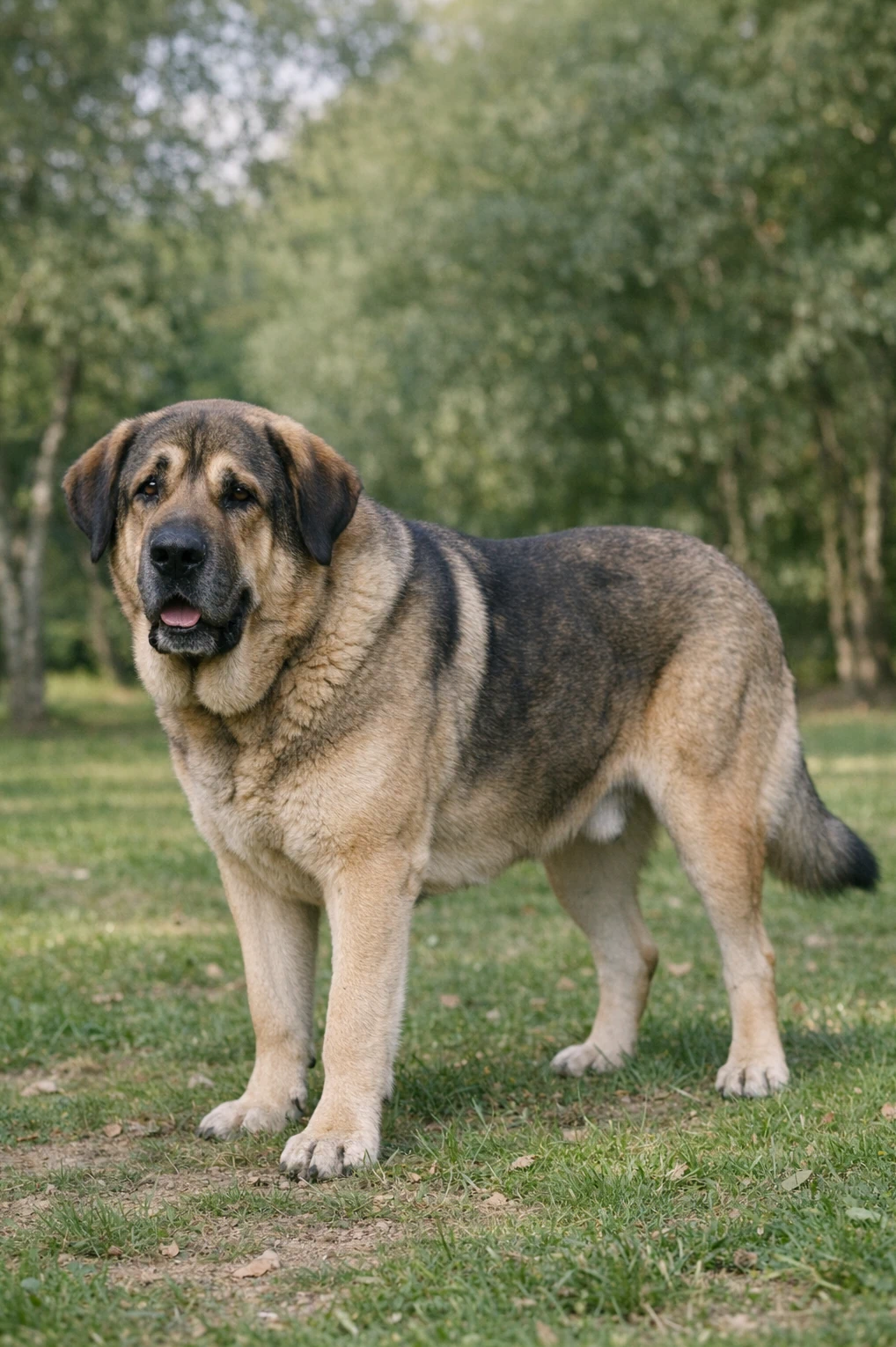
Best Dog Food for Central Asian Shepherd Dog in 2026Based on Nutritional Science
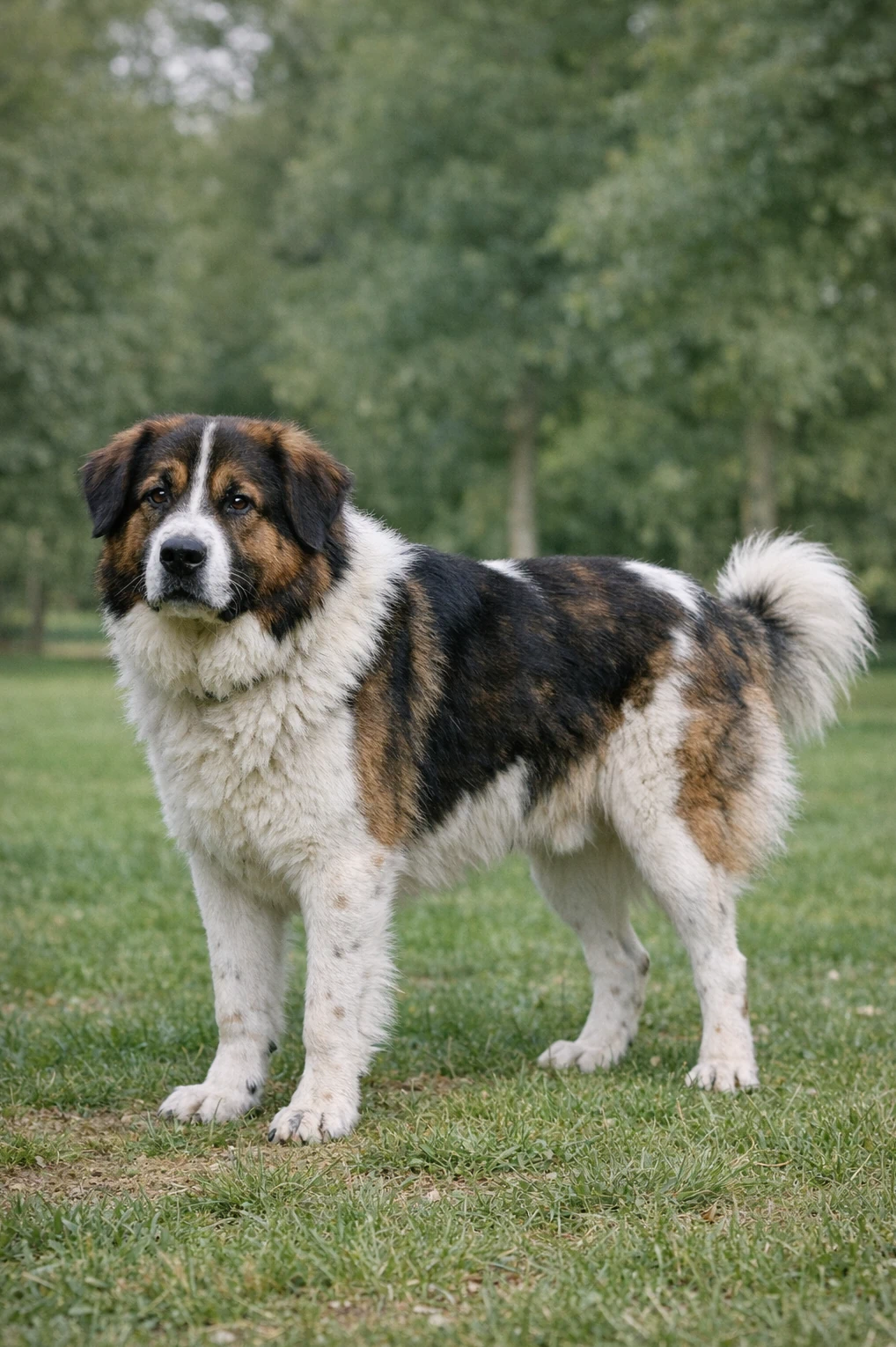
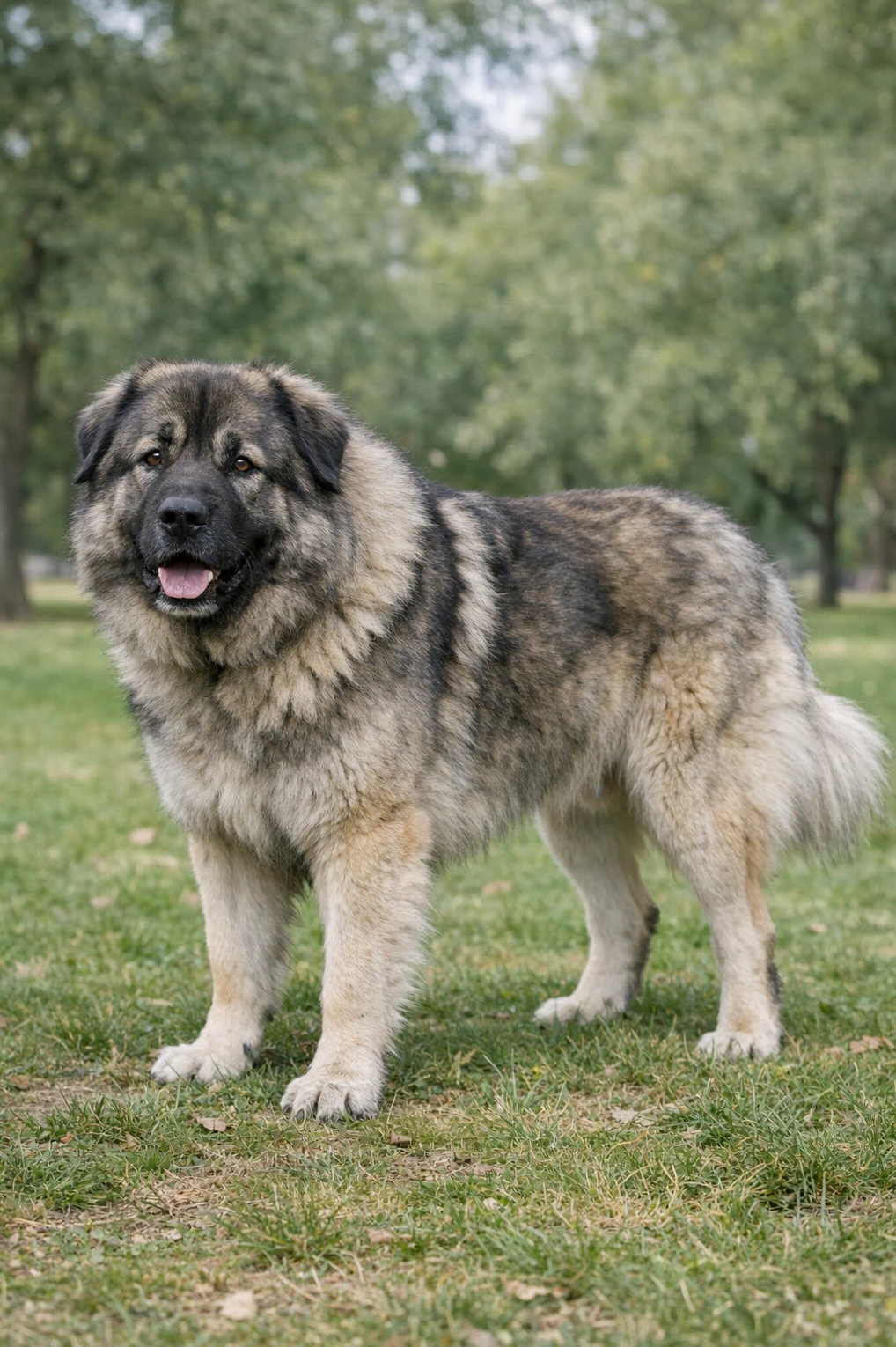
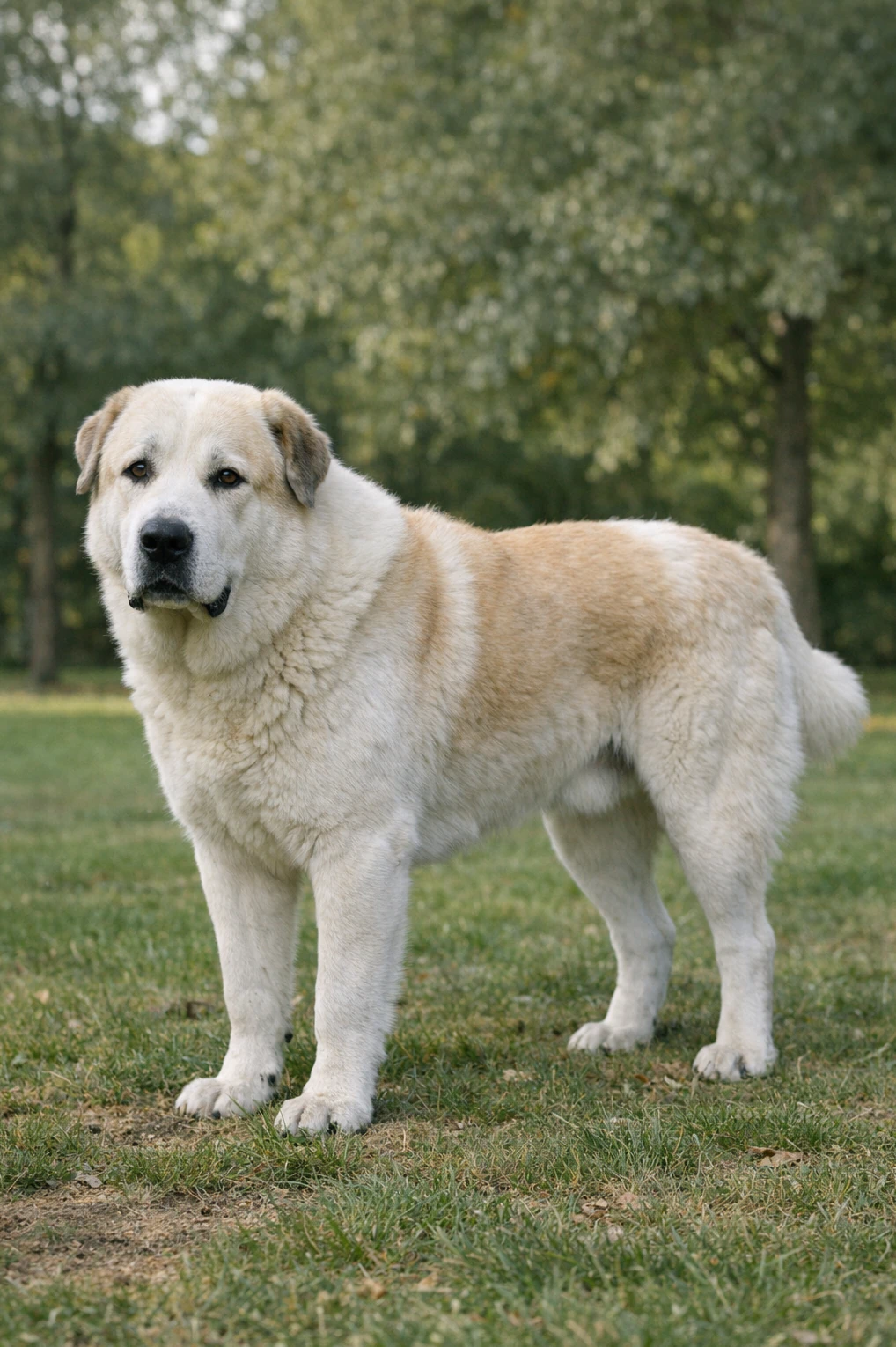
Large guardian, about 25.5–27.5 inches tall and 88–110 pounds. Bold, self-reliant, and assured.
Nutritional verdict: protein-rich, balanced meals with measured calories to keep lean muscle and steady energy for active guardians.
Understanding the Central Asian Shepherd Dog Metabolism and Energy Needs
From old guardian roots, these large, self-reliant, bold dogs guarded flocks and property. Their past work demanded steady endurance, sudden strength and focused attention, so modern feeding should provide sustained fuel and muscle support. As they often spend long hours alone, nutrient density matters.
Prioritize quality animal protein to preserve heavy muscle and aid recovery, for example diets with real meat first. Use moderate-rich fats like fish oil or chicken fat for lasting calories and insulation, while limiting quick-release starches to prevent weight gain. Digestible fiber from vegetables steadies energy and gut health.
Include joint helpers such as glucosamine and omega-3s, and control calcium and phosphorus in growing youngsters to protect bones. That balance keeps these guardian dogs fit, comfortable and mentally alert.
Managing Central Asian Shepherd Dog Genetic Health Risks Through Nutrition
Hip Dysplasia
Helpful nutrients
Elbow Dysplasia
Helpful nutrients
Bloat (Gastric Dilatation-Volvulus)
Helpful nutrients
Obesity
Helpful nutrients
Hypothyroidism
Helpful nutrients
Heart Health
Helpful nutrients
Central Asian Shepherd Dog Feeding & Calorie Calculator
Estimated Daily Calories
Tip: Start with this amount and adjust after 2–3 weeks based on your dog's body condition and weight trend.
This estimate provides a starting point for feeding. Individual calorie needs may vary depending on metabolism, body condition, and health status. Always monitor your dog's weight and consult your veterinarian when adjusting diet.
Foods and Ingredients to Avoid for Central Asian Shepherd Dog Dogs
Large, heavy breeds like the Central Asian Shepherd benefit from steady, controlled energy intake, so avoid high-fat foods and rich table scraps.
Excess fat can quickly lead to unwanted weight gain, putting extra strain on hips, elbows, and the spine and increasing the risk of pancreatitis.
Choose lean protein and moderate fat levels in their regular diet to support healthy body condition and protect their joints and digestive health as they age.
Because Central Asian Shepherds are big and can gain weight easily if overfed, calorie-dense treats and frequent table scraps are a real concern.
Extra calories add up fast, increasing joint stress and the long-term risk of obesity related problems like arthritis and reduced mobility.
Use small, low-calorie treats for training and account for treat calories within daily intake to keep their weight steady and comfortable.
Deep-chested breeds are more prone to gastric dilatation-volvulus, commonly called bloat, so avoid feeding practices and foods that encourage rapid intake or excess gas.
Very large meals, foods that swell dramatically when wet, and ingredients that cause gas can raise bloat risk.
Offer multiple smaller meals, avoid vigorous exercise around mealtime, and be cautious with overly gassy or expandable foods to help reduce that dangerous risk.
Giant-breed puppies like Central Asian Shepherds need carefully balanced growth diets, so avoid homemade recipes or supplements that are high in calcium or energy.
Too much calcium and very rich diets can cause abnormal bone growth, joint problems, and lifelong mobility issues.
Feed a commercial diet formulated for large or giant breed puppies and follow your veterinarian's guidance to support steady, healthy skeletal development.
Some common human foods are toxic to dogs, so never offer onions, garlic, grapes, raisins, or anything containing xylitol.
These ingredients can cause red blood cell damage, severe gastrointestinal upset, kidney problems, or dangerous drops in blood sugar depending on the substance and amount.
Because a large dog can still be harmed by these toxins, keep them out of reach and contact your veterinarian immediately if ingestion is suspected.
Cooked bones and brittle chews often splinter, posing a choking hazard and risking mouth, throat, or intestinal injuries.
For a heavy, powerful chewer like a Central Asian Shepherd, a splintered bone can cause blockages, perforations, or serious internal damage that requires emergency care.
Opt for safe, size-appropriate chew toys or bones designed for large breeds, and supervise chewing sessions to keep their mouth and digestive tract safe.
How Nutritional Needs Change Throughout the Central Asian Shepherd Dog Life Stages
Dogs need different nutrition at puppyhood, adulthood, and their senior years, because growth, activity and aging change what they require. The exact balance depends on a breed's growth rate, average activity level, and common health tendencies, so a giant, slow-maturing guardian like the Central Asian Shepherd will need different feeding strategies than a small, energetic terrier. Adjusting food and nutrients helps keep each life stage healthy.
| Life Stage | Age Range | Primary Objective | Key Nutrient Focus |
|---|---|---|---|
| Puppy | 0–18 months | controlled skeletal development, immune support, brain development | DHA, balanced calcium/phosphorus, high-quality protein |
| Adult | 1.5–5 years | lean muscle maintenance and sustained energy | high-quality protein, omega-3 fatty acids, fiber |
| Senior | 5+ years | joint mobility, metabolic health, and cognitive support | glucosamine, chondroitin, antioxidants, lower calories |
Central Asian Shepherd puppies grow large and relatively slowly compared with smaller breeds, which makes steady, controlled growth important for healthy bones and joints. Their skeletal development benefits from precise calcium to phosphorus ratios and calories that support growth without encouraging overly rapid weight gain, because overfeeding can stress developing joints and lead to lifelong problems.
Feed puppy-formula food formulated for giant breeds, in two to three measured meals a day to steady growth and help lower bloat risk rather than free feeding. Emphasize high quality animal protein for lean muscle, essential fatty acids like DHA for early brain and coat development, and avoid extra calcium or calorie-dense treats unless your veterinarian recommends them.
Adult Central Asian Shepherds are large, powerful dogs that need nutrition to maintain muscle mass while avoiding excess body fat, since extra weight places strain on their joints. Aim for moderate to high quality protein to support lean muscle, with fats providing concentrated energy that matches their typically moderate activity level, and adjust calories based on body condition.
Balanced diets with controlled fat help sustain energy without promoting obesity, and omega-3 fatty acids support skin and coat health under a thick double coat. Feeding once or twice daily with measured portions suits their steady, independent temperament, while joint-support nutrients like glucosamine may help long-term given their size, so work with your veterinarian to match portions to changes in activity.
As Central Asian Shepherds enter their senior years around seven to eight years old, metabolism often slows and mobility can decline, which changes calorie needs and nutrient priorities. Maintaining adequate high quality protein helps preserve muscle mass, while reducing overall calories prevents weight gain that would further stress aging joints.
Focus on joint support through omega-3 fatty acids and established supplements like glucosamine and chondroitin, along with antioxidants such as vitamin E and selenium to support cellular health. Offer easier-to-digest formulas, smaller more frequent meals if digestion or dental issues arise, and monitor body condition closely while working with your veterinarian to tailor diet changes as chronic conditions become more likely with age.
Kibble vs Fresh vs Raw for Central Asian Shepherd Dog
Different feeding models suit different lifestyles and health needs. With the Central Asian Shepherd Dog's large size, independence, and working tendencies, calorie control and joint support are important.
Pros
- Consistent, balanced nutrition formulated for large breeds and joint health.
- Convenient and easy to portion for busy guardians.
- Kibble designed for large mouths supports chewing and dental care.
- Long shelf life simplifies storage for seasonal outdoor dogs.
Cons
- Some formulas are calorie-dense, risking weight gain without portion control.
- Lower moisture content may not suit dogs that drink less water.
- Quality varies widely, so choose reputable brands with large-breed formulas.
- Feeding quickly can increase bloat risk in deep-chested dogs.
Pros
- Highly palatable, good for picky or recovering dogs.
- High moisture supports hydration and renal health.
- Control over ingredients helps manage allergies and quality.
- Can be tailored with joint-support supplements for heavy breeds.
Cons
- More expensive and time-consuming than kibble for large dogs.
- Requires careful balancing to meet large-breed nutrient needs.
- Improper recipes can cause calcium-phosphorus imbalance in big dogs.
- Needs refrigeration and planning for outdoor working dogs.
Pros
- High protein and natural fats support a muscular, working body.
- Owners report improved coat condition in double-coated breeds.
- Minimally processed ingredients appeal to owners seeking whole foods.
- Appropriate meaty bones provide natural chewing and jaw exercise.
Cons
- Higher bacterial risk requires strict hygiene and safe sourcing.
- Balancing minerals and calcium is challenging for large breeds.
- Raw bones can risk choking or dental injury if not managed.
- Veterinary guidance is essential to avoid nutritional gaps.
| Diet Type | Pros for Central Asian Shepherd Dog | Potential Downsides |
|---|---|---|
| High-Quality Kibble |
|
|
| Fresh Cooked Food |
|
|
| Raw Diet (BARF) |
|
|
Our Recommendation
For most Central Asian Shepherds, a high-quality large-breed kibble with joint support offers reliable nutrition and convenience.
Fresh-cooked meals work well for owners who can balance nutrients, and raw diets may suit experienced owners with strict hygiene and veterinary oversight.
See Also
Breeds with similar group, size, and coat characteristics