Best Dog Food for Slovensky Cuvac in 2026Based on Nutritional Science
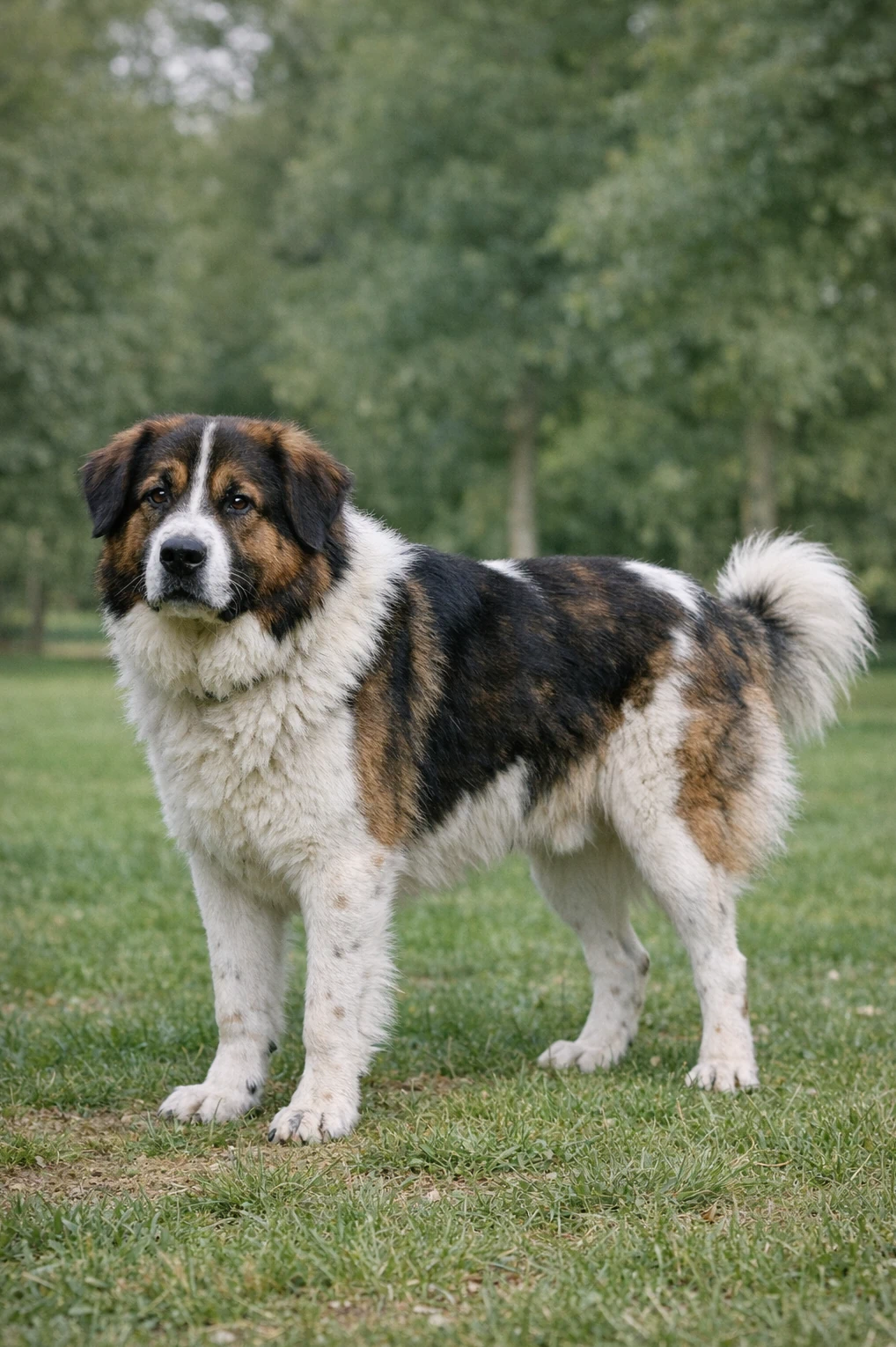
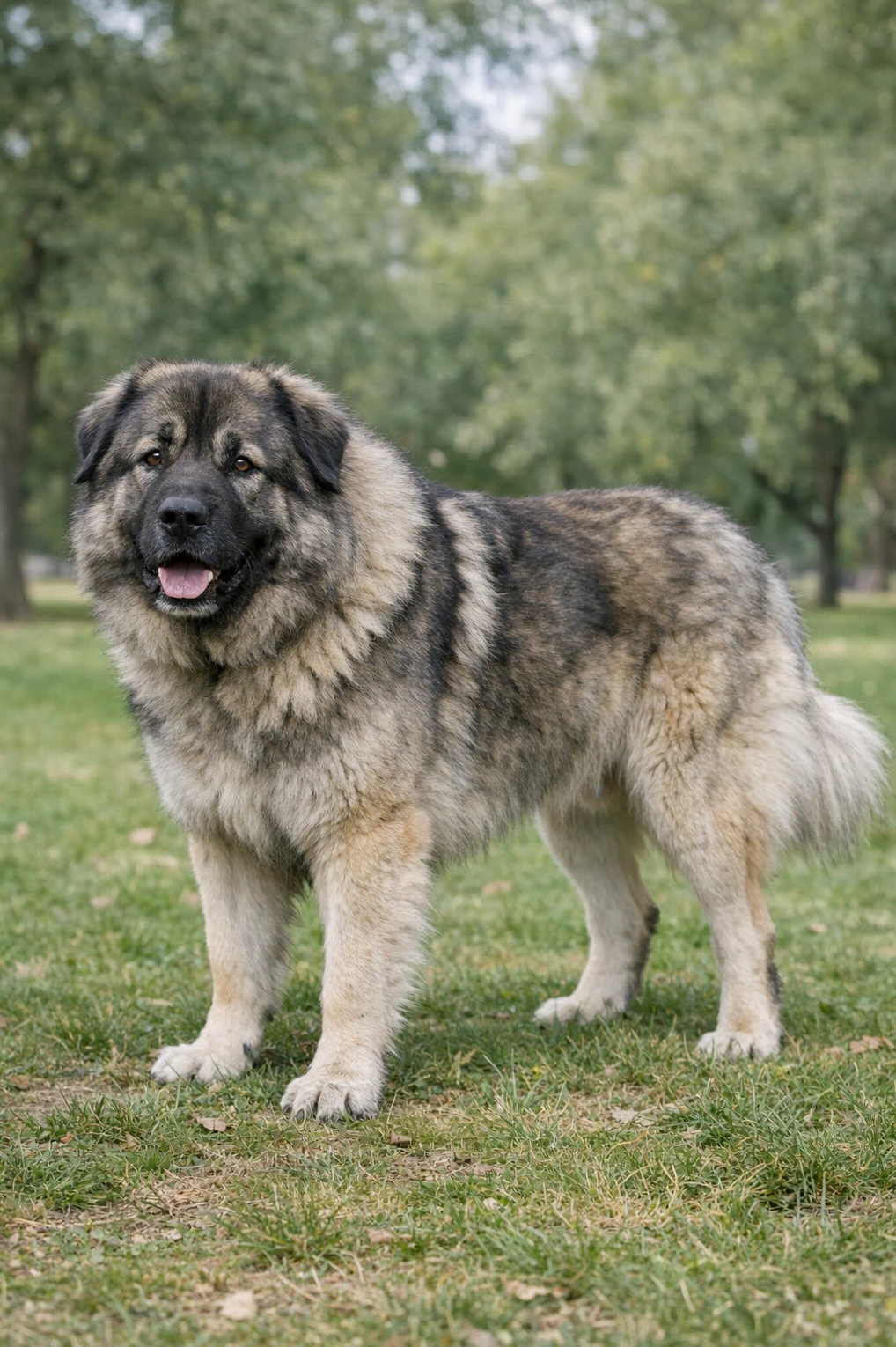
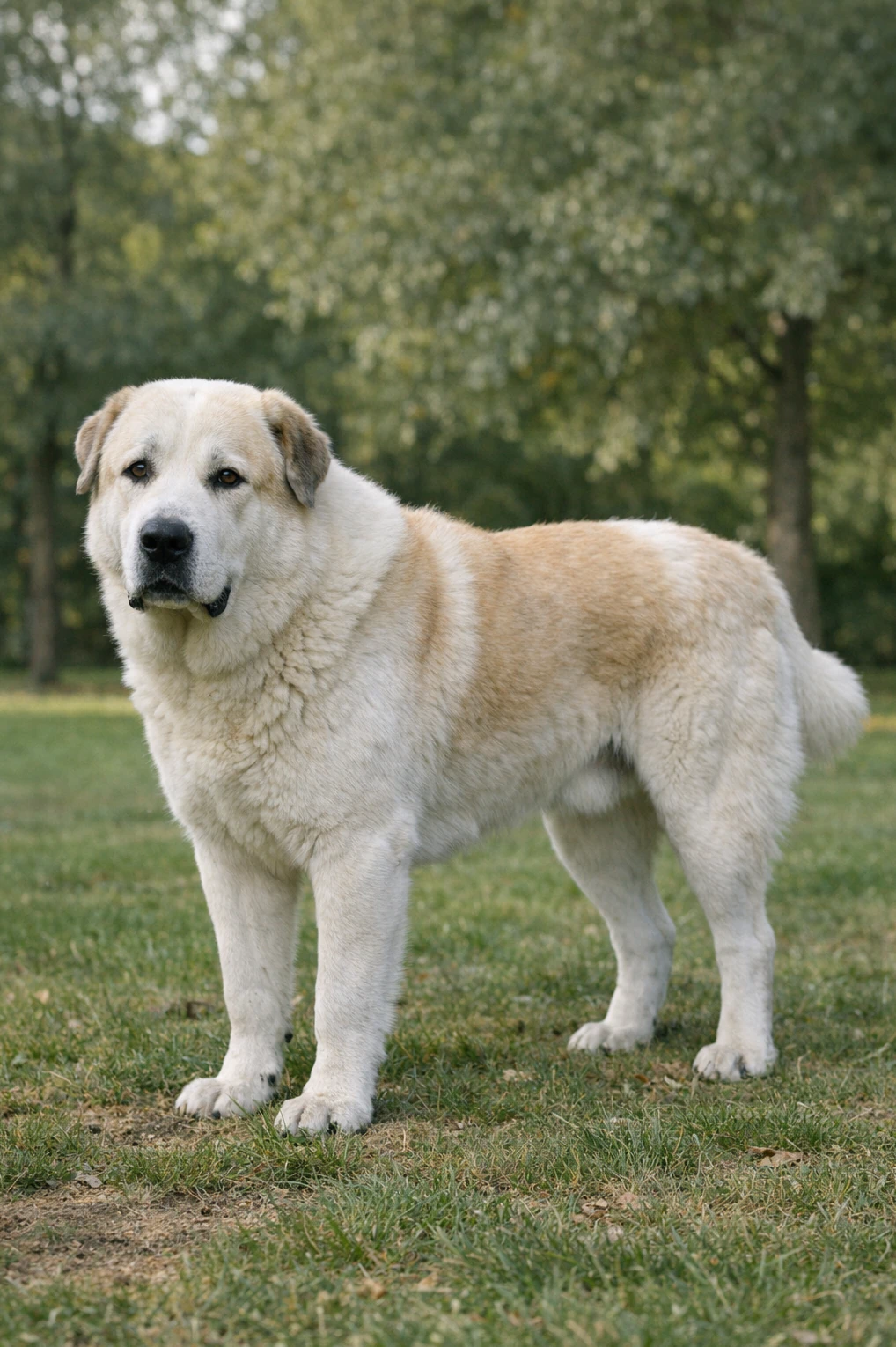
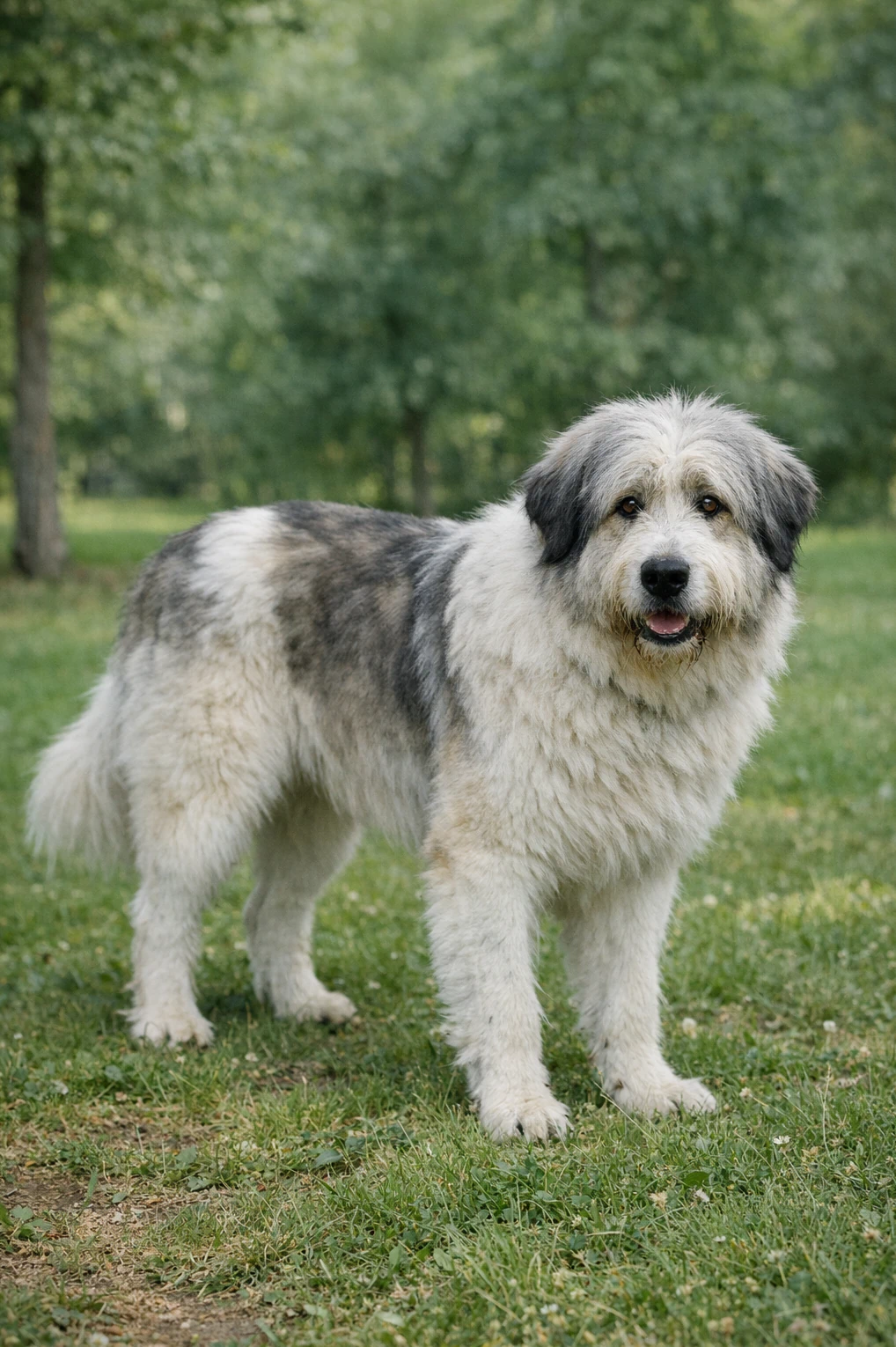
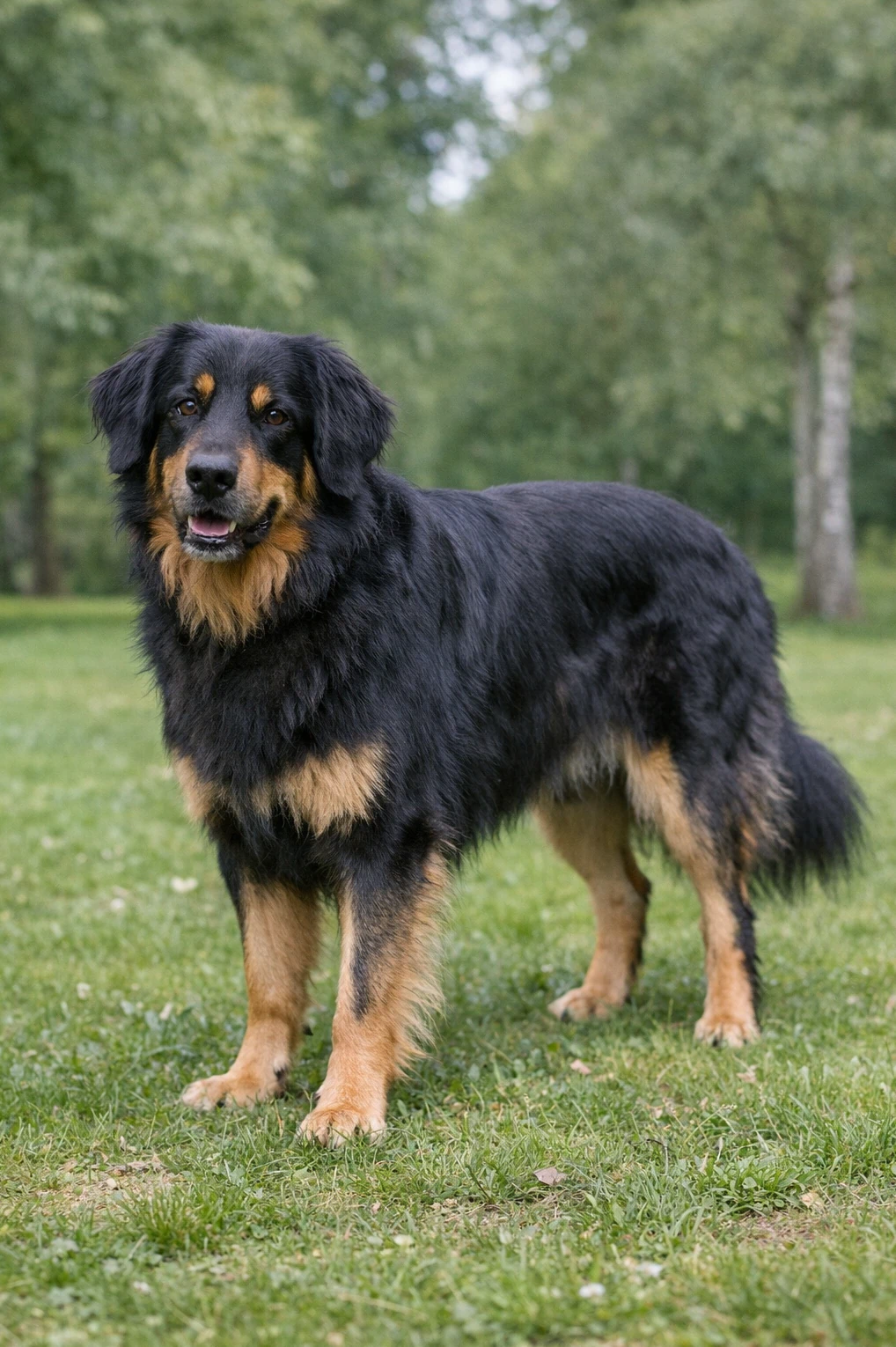
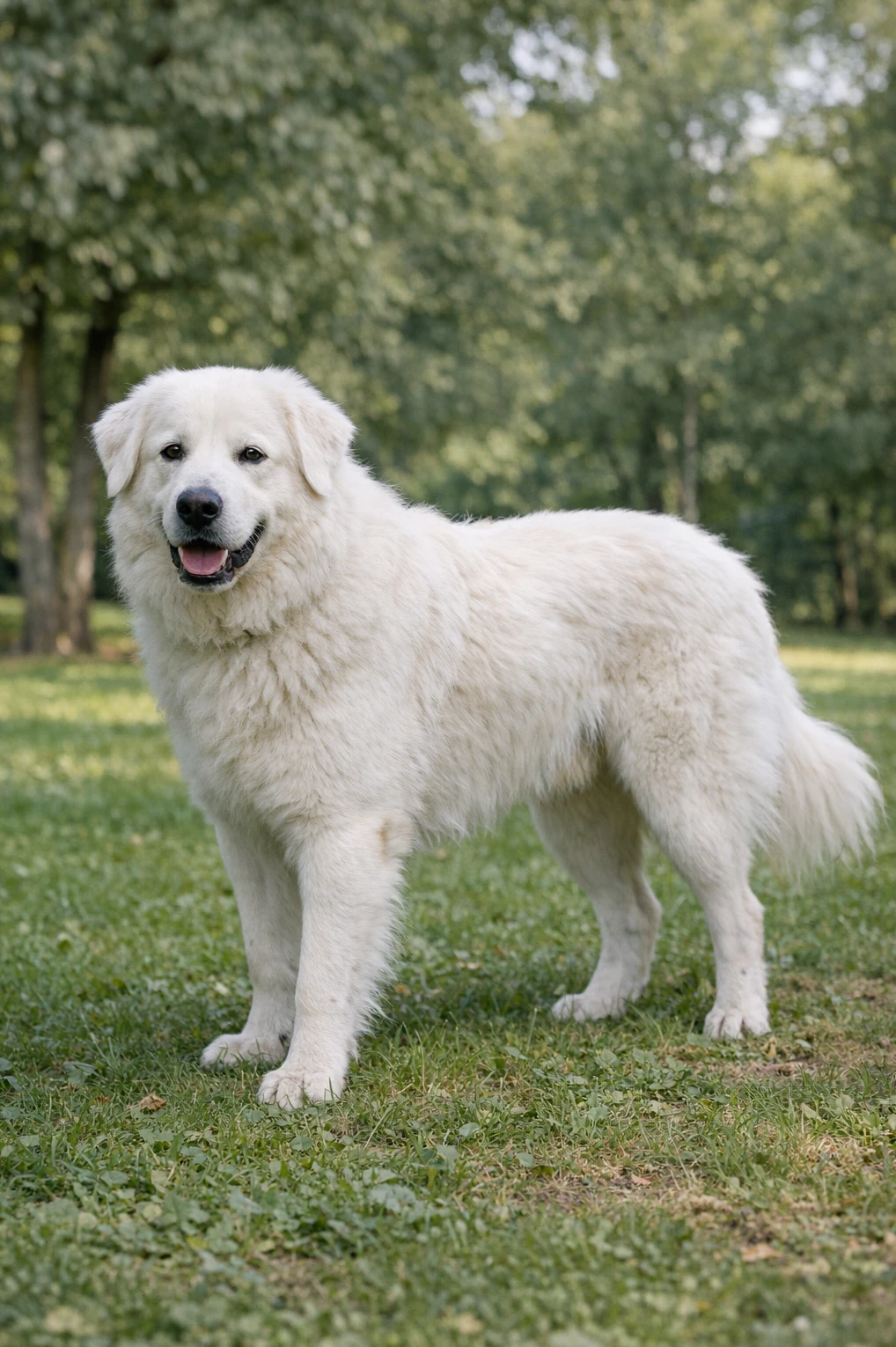
Large, robust dog about 23 to 27.5 inches tall and 68 to 97 pounds, vigilant, bold and loyal.
Nutritional Verdict: High-quality protein, balanced fats, moderate calories and joint-support nutrients help maintain energy and strong bones.
Understanding the Slovensky Cuvac Metabolism and Energy Needs
Raised to protect highland flocks, this companion carries a working legacy that demands a robust, balanced diet. Their vigilant, bold and devoted nature means they need nutrients that support stamina, strength and steady focus.
A diet rich in high quality animal protein preserves the muscular frame needed for long patrols, while concentrated healthy fats provide sustained fuel and help maintain a thick double coat. Include omega fatty acids, from fish oil or flax, for skin and coat health, plus moderate complex carbohydrates like sweet potato or oats to supply slow release energy. Joint support such as glucosamine and chondroitin helps preserve mobility in an active adult.
Supporting cognitive sharpness and immune resilience means B vitamins, antioxidants and a probiotic for gut balance. Tailor portions to activity and life stage, and check with a veterinarian for a personalized plan.
Managing Slovensky Cuvac Genetic Health Risks Through Nutrition
Slovensky Cuvac Feeding & Calorie Calculator
Estimated Daily Calories
Tip: Start with this amount and adjust after 2–3 weeks based on your dog's body condition and weight trend.
This estimate provides a starting point for feeding. Individual calorie needs may vary depending on metabolism, body condition, and health status. Always monitor your dog's weight and consult your veterinarian when adjusting diet.
Foods and Ingredients to Avoid for Slovensky Cuvac Dogs
Large, active breeds like the Slovensky Cuvac benefit from steady energy, but too much dietary fat can quickly lead to weight gain and a higher risk of pancreatitis.
Fatty table scraps, greasy treats, and some organ meats are best limited to occasional small portions only.
Keeping fat at moderate levels supports joint health and helps your dog maintain a healthy weight, which is especially important for a heavier breed that carries more stress on hips and elbows.
Deep-chested, large dogs are more susceptible to gastric dilatation and volvulus, often called bloat, so avoid foods or feeding habits that encourage rapid stomach expansion.
Large single meals, raising food bowls too high, and gas-producing foods can all raise the risk for this emergency condition.
Feed smaller, measured meals, avoid heavy exercise around mealtime, and skip foods known to cause excessive gas to help reduce the chance of bloat.
Because this breed is active and has a deep chest, vigorous exercise right before or after a big meal can increase the risk of digestive upset and bloat.
Try to allow an hour or more for calm rest after eating before long play sessions or strenuous activity.
Splitting daily food into two or three smaller meals can keep energy steady and reduce stomach strain, which is kinder to the digestive system of a large, working dog.
Growing puppies of large breeds need careful calcium and mineral balance to avoid abnormal bone development and joint issues later in life.
Avoid diets or homemade meals that add extra calcium supplements or feed high-calcium treats that exceed the needs for a large breed puppy.
Choose puppy formulas designed for large breed growth or follow your veterinarian's guidance to promote steady, healthy development without overloading developing joints.
Some Slovensky Cuvac dogs can be sensitive to artificial preservatives, colors, and strong flavorings, which may trigger skin irritation or digestive upset.
Ingredients like BHA, BHT, and certain artificial dyes can be harder on sensitive systems, so simpler ingredient lists are often safer.
Opting for foods with natural preservatives or minimal additives supports a healthier coat and steadier digestion for a thick coated, active breed.
Common human foods such as chocolate, grapes, raisins, onions, garlic, and anything containing xylitol are dangerous for dogs of any size and should never be fed to a Slovensky Cuvac.
Even relatively small amounts of these items can cause serious illness, from low blood sugar to organ failure.
Keep toxic foods well out of reach, read labels on human treats, and teach family and visitors what is unsafe so your big companion stays protected.
How Nutritional Needs Change Throughout the Slovensky Cuvac Life Stages
Slovensky Cuvac have changing nutritional needs from puppyhood through adulthood and into their senior years. Their giant size, measured growth, and alert, working temperament shape calorie, protein, and joint support requirements. Growth rate, activity level, and any breed tendencies toward joint stress influence portion sizes, feeding frequency, and key nutrients. Tailoring diet at each stage helps keep them strong, active, and comfortable as they age.
| Life Stage | Age Range | Primary Objective | Key Nutrient Focus |
|---|---|---|---|
| Puppy | 0–18 months | controlled skeletal development, immune support, brain development | DHA, balanced calcium/phosphorus, high-quality protein |
| Adult | 1.5–5 years | lean muscle maintenance and sustained energy | high-quality protein, omega-3 fatty acids, fiber |
| Senior | 5+ years | joint mobility, metabolic health, and cognitive support | glucosamine, chondroitin, antioxidants, lower calories |
Slovensky Cuvac puppies follow a prolonged growth curve typical of giant breeds, reaching adult proportions over many months rather than weeks. Their developing skeletons need careful amounts of calcium and phosphorus, not excess, to support steady bone growth and reduce orthopedic risk. Feed smaller, frequent meals, often three to four times daily when very young, to meet high energy needs and help lower bloat risk.
High quality, easily digestible protein supports muscle and coat development, while balanced fats provide energy for their active, alert temperament. Include early joint-support nutrients, like glucosamine precursors and omega-3 fatty acids, because larger frames put more stress on growing joints. Monitor body condition and avoid rapid weight gain, since extra pounds amplify long-term joint and mobility concerns.
As adults, Slovensky Cuvac need diets that preserve lean muscle while providing steady energy for their alert, guarding role. Aim for high quality protein to maintain muscle mass, and moderate to rich healthy fats to fuel their moderate to high daily activity without overdoing calories. Feeding two balanced meals a day helps keep energy steady and reduces bloat risk.
Adjust calorie intake based on whether your Cuvac is a working guardian or a more sedentary family companion, since weight control is essential for joint health in dogs of this 68 to 97 pound range. Maintain coat and skin health with omega-3s and ensure adequate vitamins and minerals for overall wellness. Regular body condition checks guide portion changes to keep them trim and strong.
As Slovensky Cuvac enter senior years, their metabolism often slows and activity levels usually fall, while joint stiffness and decreased mobility can become more noticeable. Calories may need to be trimmed to prevent weight gain, but high quality, easily digestible protein should be kept to preserve muscle mass and function. Softer kibble or moistened meals can help if dental wear or reduced appetite appears.
Proactive joint support, with glucosamine, chondroitin and omega-3 EPA/DHA, helps comfort larger frames, while antioxidants like vitamin E and natural polyphenols support immune health. Increased fiber and digestive enzymes can ease digestion, and regular weight and mobility checks guide portion and supplement adjustments. Work with your veterinarian to tailor calorie targets and consider gentle exercise to keep joints limber and spirits bright.
Kibble vs Fresh vs Raw for Slovensky Cuvac
Different feeding models fit different family routines and your dog's needs. For a Slovensky Cuvac, consider activity level, large-breed requirements, and its double coat when choosing food.
Pros
- Convenient and easy to portion for busy owners.
- Formulas for large breeds support joint health and controlled calories.
- Shelf-stable with consistent balanced nutrients in every serving.
- Crunch helps reduce tartar, aiding dental care between brushings.
Cons
- Lower moisture content may require extra water or wet food additions.
- Some formulas use fillers or low-quality proteins.
- Overfeeding calorie-dense kibble can lead to weight gain.
- May be less appealing for picky or scent-driven guardians.
Pros
- Highly palatable, excellent for picky or appetite-sensitive dogs.
- High moisture supports hydration during active outdoor work.
- You control ingredient quality, good for coat and joint supplements.
- Easier to adjust calories for maintaining a lean working weight.
Cons
- More time and cost for preparation and storage.
- Requires careful balancing of calcium and phosphorus for large breeds.
- Risk of nutritional gaps without a vet or nutritionist plan.
- Shorter shelf life than kibble, needs reliable refrigeration.
Pros
- High protein, often very appealing to active guardian breeds.
- Can improve coat condition and energy levels for busy dogs.
- Minimal processing preserves natural nutrients and enzymes.
- Allows tailored feeding for work days and rest days.
Cons
- Strict hygiene needed to avoid bacterial contamination risk.
- Bone hazards and choking risks require careful selection and supervision.
- Harder to balance nutrients, especially calcium for large adults.
- Not ideal for households with immune-compromised humans.
| Diet Type | Pros for Slovensky Cuvac | Potential Downsides |
|---|---|---|
| High-Quality Kibble |
|
|
| Fresh Cooked Food |
|
|
| Raw Diet (BARF) |
|
|
Our Recommendation
For many Slovensky Cuvacs, high-quality large-breed kibble offers convenient, balanced nutrition that supports activity and joints.
Owners who want extra control may prefer fresh cooked food, while raw diets can work with veterinary guidance and strict hygiene.
See Also
Breeds with similar group, size, and coat characteristics