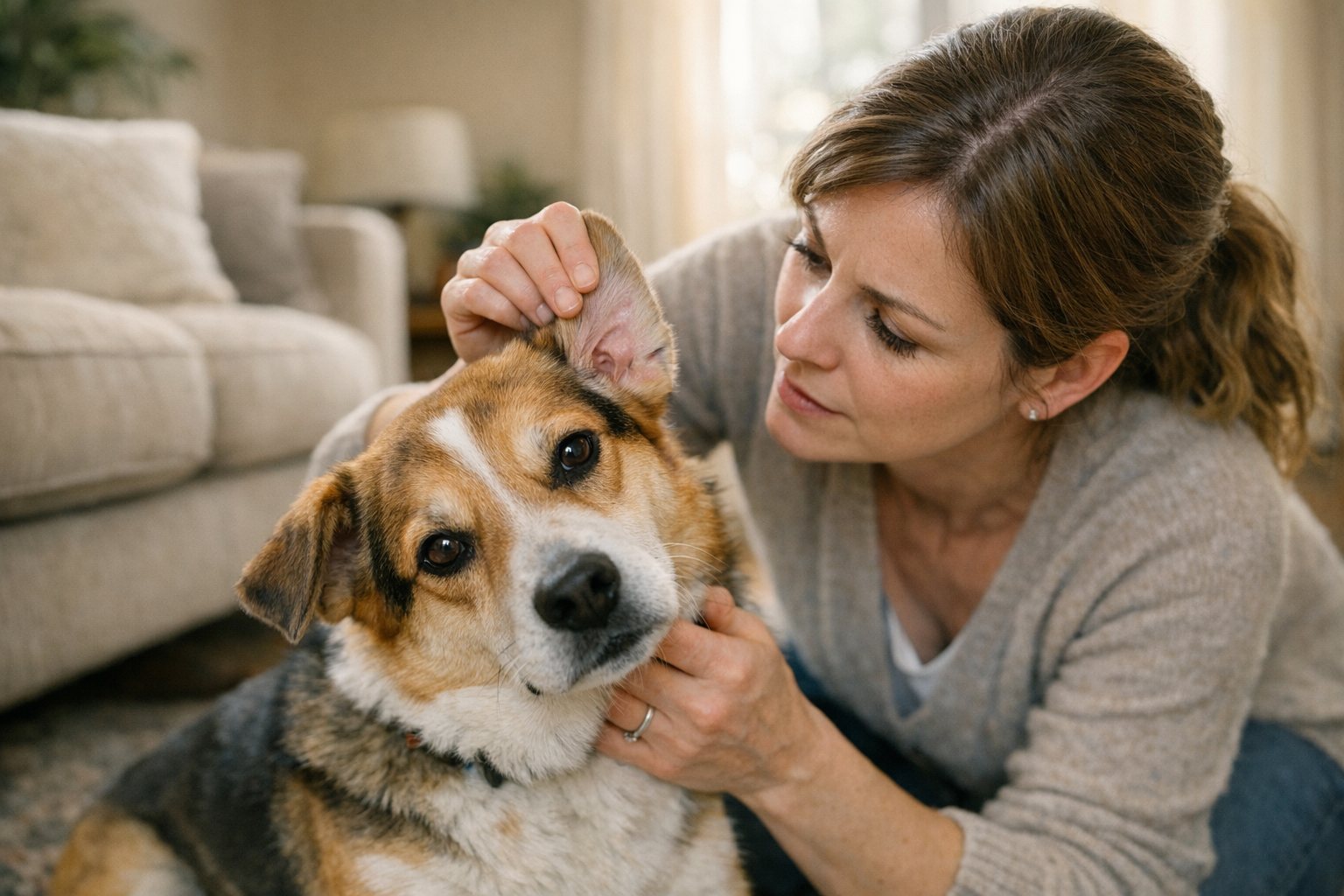
Why Is My Dog Breathing Heavy While Resting?
Why is my dog breathing heavy while resting? Learn common causes, urgent red flags, and what you can safely check before calling the vet.
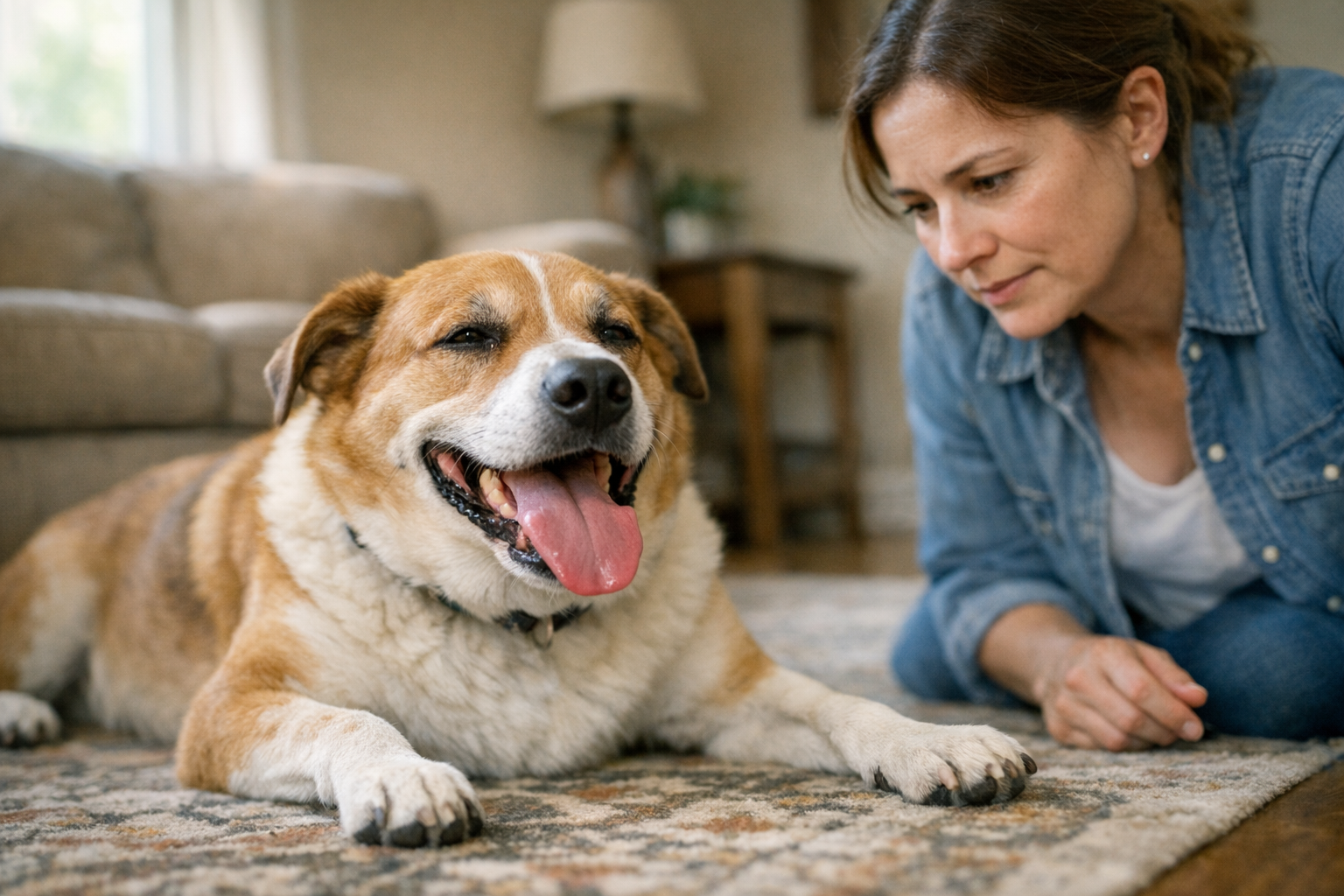
If your dog is breathing heavy while resting, the short answer is this: sometimes it is harmless panting, and sometimes it is the first sign of a problem that should not wait.
Dogs do breathe faster than we do. They also pant for reasons that have nothing to do with exercise. But a dog that is truly resting, not hot, not excited, and still breathing hard deserves a closer look.
The biggest question is not just, "Is my dog panting?" It is, "Does this look like normal panting, or does it look like my dog is working to breathe?" That distinction matters.
What counts as heavy breathing at rest?
A relaxed dog may sigh, breathe a little faster during dreams, or pant lightly after getting comfortable. That can be normal.
What worries me is breathing that looks effortful. Think flared nostrils, chest moving a lot, belly pumping, open-mouth breathing for no obvious reason, or a dog that cannot seem to settle.
A good home check is the resting respiratory rate. When your dog is asleep or deeply relaxed, count how many breaths happen in 30 seconds, then double it. For many healthy dogs, under 30 breaths per minute during sleep is a decent rule of thumb.
If your dog is regularly over 30 while sleeping, or the breathing looks labored even at a lower number, call your vet. You do not need to panic over one odd minute, but you should not ignore a pattern.
Common reasons your dog is breathing heavy while resting
Heat and mild overheating
This is the simple one, and it is common. A warm room, thick bedding, recent play, direct sun through a window, or a dog curling up on a heat-trapping couch can all lead to heavy panting.
Long-coated dogs can struggle more in stuffy rooms. If you live with a fluffy herding breed like the Schapendoes breed guide, a nap after light activity can still turn into panting if the room is warm.
Some dogs also overheat because of where they choose to rest. If your dog keeps baking on the sofa instead of using a cooler bed, these couch training tips can help.
Hairless dogs are not immune, either. A Peruvian Inca Orchid can overheat from sun exposure even without a thick coat.
If moving your dog to a cool, quiet room settles the breathing within a few minutes, heat may be the whole story. If it does not, keep looking.
Pain
Pain causes panting all the time. A sore back, dental pain, belly pain, arthritis flare, injury, or even a minor-looking wound can make a resting dog breathe harder.
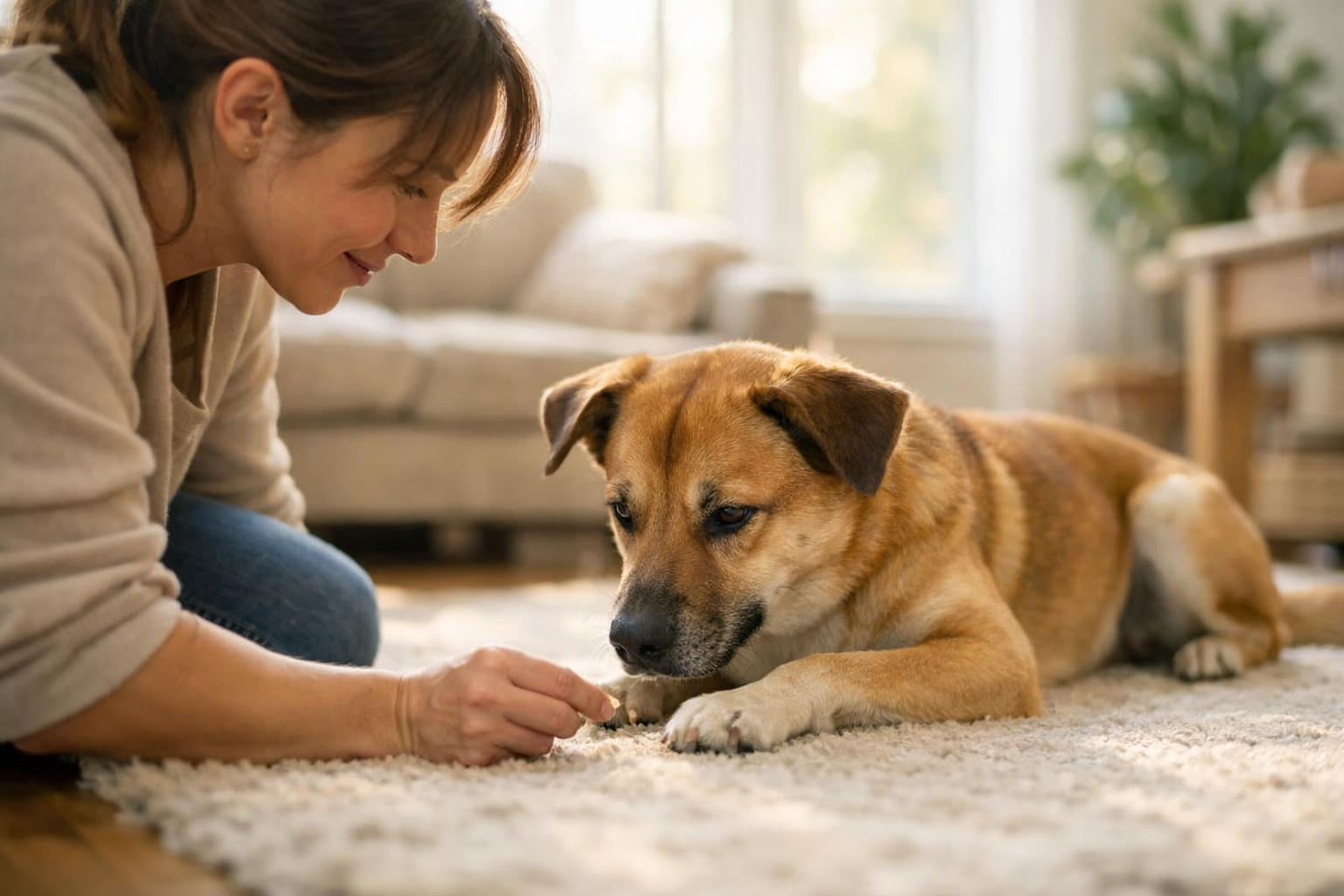
This is easy to miss because some dogs do not cry or limp. They just breathe fast, seem restless, and give you that "something is off" look. If your dog is also withdrawn or just not acting like themselves, this piece on looking sad lately may sound familiar.
If the heavy breathing started after a scrape, bite, or skin injury, do not assume a little ointment solves it. Here is a good vet-based guide on Polysporin on a dog, but pain plus panting still means your dog may need an exam.
Stress, fear, or excitement
Dogs pant when their nervous system is revved up. Fireworks, visitors, travel, vet visits, separation stress, and changes at home can all do it.
A watchful breed like the Canaan Dog guide may show stress panting sooner than a more easygoing dog. That does not make it normal to ignore, it just means temperament can play a role.
I also see this when people bring home a new pet. If the heavy breathing started around a major household change, go slowly and make sure your dog has a safe retreat. If you are managing a dog and a new cat, introducing a kitten safely can lower the stress level for both animals.
Stress panting usually comes with other clues, pacing, lip licking, whale eye, trembling, or refusal to settle. Once the trigger is removed, the breathing should ease.
Breed-related airway issues
Flat-faced and short-muzzled dogs often breathe louder and harder than other dogs, even at rest. Their anatomy makes cooling and airflow less efficient.
An English Toy Spaniel can be more prone to noisy breathing, snoring, heat intolerance, and exaggerated panting. Even so, "that is just his breed" is not always the right answer. If the breathing is worse than usual, your vet should hear about it.
Weight and body condition
Extra weight makes breathing harder. It puts more demand on the heart and lungs, and it makes heat tolerance worse.
This is especially noticeable in sturdy breeds that love food and comfort, like the Pembroke Welsh Corgi. An overweight dog may breathe heavily while resting simply because normal body mechanics take more effort.
Weight-related panting tends to build slowly over time. Owners often notice it most at night, after short walks, or in warm weather.
Recent activity that was more intense than it looked
Sometimes the answer is not illness, it is just hidden exertion. Ten frantic minutes in the yard can leave a dog panting longer than a calm leash walk.
This happens a lot with athletic or high-drive dogs. An Irish Red and White Setter, for example, may still be cooling down long after you think the fun is over.
Digging is a big one. A dog that has been obsessively excavating in the heat may come inside, flop down, and breathe hard for a while. If that is a recurring pattern, these tips for digging in the yard can help reduce both the behavior and the overheating.
Heart or lung disease
This is the category most owners worry about, and for good reason. Heart disease, fluid around the lungs, pneumonia, chronic airway disease, collapsing trachea, and other chest problems can all cause heavy breathing at rest.
Here is a useful clue. Dogs with heart or lung trouble often breathe faster while sleeping, seem less able to exercise, cough, or have trouble getting comfortable lying down.
Not every dog coughs. Some just breathe faster and seem tired.
Stomach trouble, bloat, or belly pain
A swollen or painful abdomen can make breathing look heavy because the dog cannot expand the chest normally. This is an emergency if the belly looks distended, the dog is retching, drooling, restless, or cannot lie down.
Do not wait that out. Especially in deep-chested dogs, possible bloat needs immediate care.
Fever, anemia, toxins, and other medical problems
Heavy breathing at rest can also show up with fever, anemia, poisoning, metabolic disease, or medication side effects. Steroids, for example, can increase panting.
Food mistakes matter sometimes too, although not always in the way people think. A few plain pieces of popcorn are unlikely to directly cause severe heavy breathing, but buttery, salty snacks can add to thirst and discomfort in a hot dog. If that is on your mind, here is the answer to can dogs eat popcorn.
When heavy breathing is an emergency
Some situations should send you to an emergency vet now, not tomorrow.
Call an emergency clinic right away if your dog has any of these:
- blue, gray, very pale, or brick-red gums
- open-mouth breathing that does not stop
- obvious belly heaving or struggling for each breath
- collapse, weakness, or confusion
- a swollen abdomen or repeated unproductive retching
- coughing pink foam or fluid
- trouble standing or refusal to lie down
- heavy breathing after trauma, heat exposure, or possible toxin exposure
If you are debating whether it looks serious, film a 20-second video while you are getting ready to go. That video often helps the vet a lot.
What you can check at home right now
First, move your dog somewhere cool and quiet. Turn on a fan, offer water, and stop activity.
Then count breaths when your dog is still. Watch the chest rise and fall. One rise and one fall equals one breath.
Next, look at the gums. Healthy gums are usually bubblegum pink. Pale, blue, gray, or very dark red gums mean you should stop troubleshooting and call a vet.
Notice posture too. Dogs in breathing distress often stand with elbows out, neck extended, or refuse to settle on their side.
Think through the last 24 hours. Heat, exercise, injury, new medication, stress, strange food, digging, a fall, a wound, or a household change can all matter.
Do not give human pain meds. Do not force water into your dog. And do not assume that because the breathing improves for a minute, the problem is gone.
When to call your regular vet
Call your vet the same day if your dog is breathing heavy while resting and:
- it happens more than once
- the sleeping breathing rate is repeatedly over 30 per minute
- your dog seems painful, tired, or restless
- there is coughing, gagging, or less interest in food
- your dog is older, overweight, flat-faced, or has heart or lung history
A 24-hour delay is reasonable only if the panting clearly had a simple cause, resolves fully, and your dog acts completely normal afterward. If you are unsure, call anyway. Vet staff triage these questions every day.
What your vet may do
Your vet will start with a physical exam, temperature, gum check, heart and lung sounds, and a breathing assessment. From there, they may recommend chest X-rays, bloodwork, oxygen support, ultrasound, or heart testing.
That sounds like a lot, but breathing signs can come from several body systems. Good vets are not being dramatic when they suggest imaging. They are trying to separate a minor issue from something that can turn bad fast.
The bottom line
If you are asking, "why is my dog breathing heavy while resting," the most honest answer is that it ranges from warm-room panting to a true emergency.
Normal panting should make sense in the moment. Heavy breathing that happens during real rest, especially during sleep, should get your attention.
If your dog is bright, cool, and comfortable, check the resting breathing rate and monitor closely. If the breathing looks labored, the gums are abnormal, or your gut says this is not your dog's usual pattern, get veterinary help today.