Best Dog Food for Peruvian Inca Orchid in 2026Based on Nutritional Science
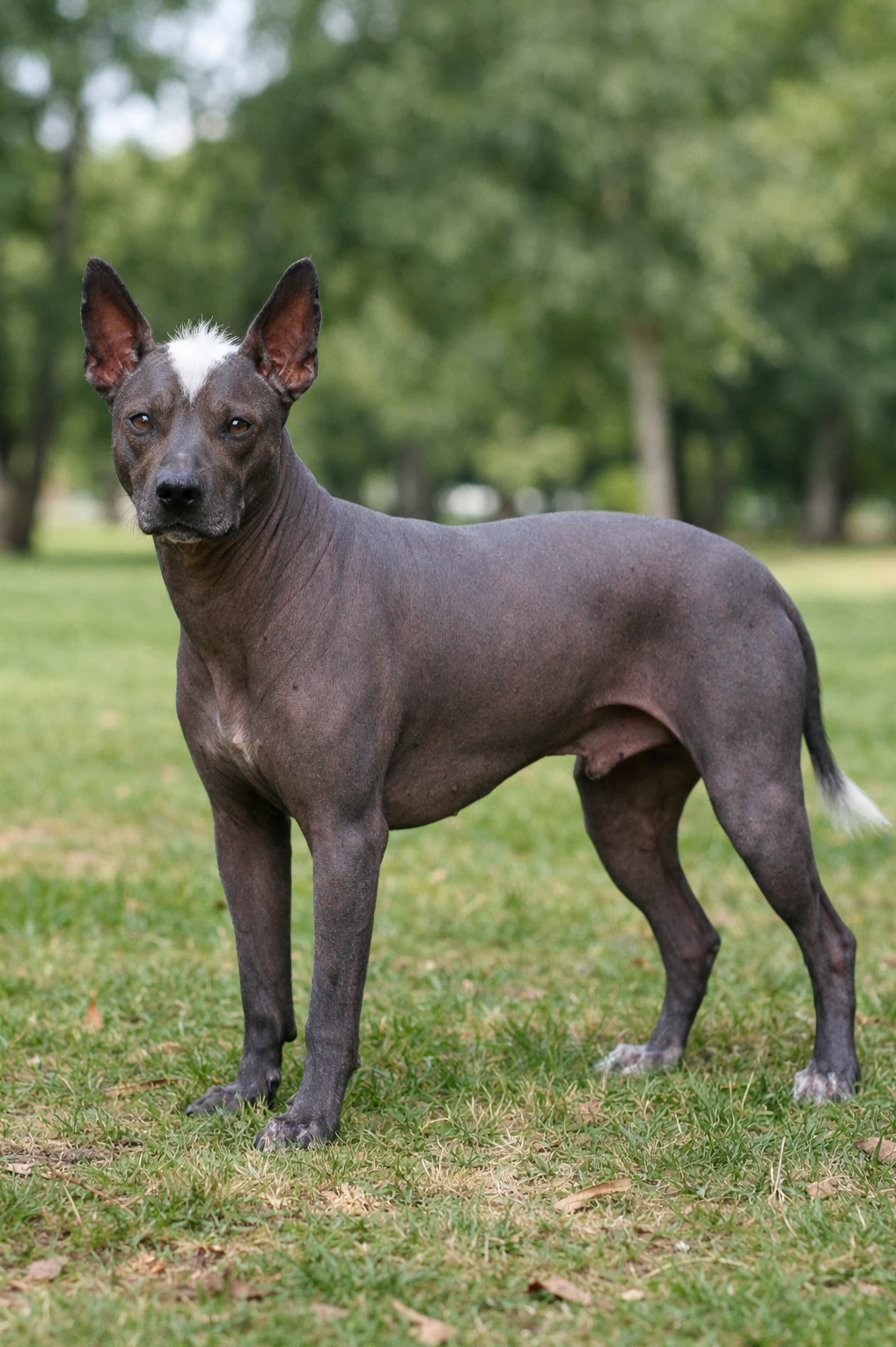
Peruvian Inca Orchid comes in small, medium, and large sizes with sleek frames; devoted, loving, and dignified companions. Nutritional verdict: balanced, protein-rich diets with healthy fats support skin, coat, and energy.
Understanding the Peruvian Inca Orchid Metabolism and Energy Needs
This ancient hairless companion was developed to live close to people, with a calm, devoted temperament and an elegant stance, so its food should support lean muscle, steady energy, and delicate skin. A diet with relatively high quality protein, around 25 to 30 percent of calories, helps preserve muscle tone and supports recovery from play, for example from chicken, turkey, or fish proteins. Because many of these dogs have thinner skin and fewer insulating hairs, they burn a bit more energy to stay warm, so healthy fats are important.
Aim for moderate fat, roughly 18 to 22 percent, to provide concentrated calories and help with thermoregulation, using sources like salmon oil or flax for essential fatty acids. Keep carbohydrates moderate and focused on slow-release whole grains or vegetables to avoid weight gain and support gut health at about 30 to 40 percent. Add omega-3s, vitamin E, and zinc for skin integrity, and a probiotic for digestion, to keep this sensitive, affectionate companion comfortable and vibrant.
Managing Peruvian Inca Orchid Genetic Health Risks Through Nutrition
Obesity / Overweight
Helpful nutrients
Peruvian Inca Orchid Feeding & Calorie Calculator
Estimated Daily Calories
Tip: Start with this amount and adjust after 2–3 weeks based on your dog's body condition and weight trend.
This estimate provides a starting point for feeding. Individual calorie needs may vary depending on metabolism, body condition, and health status. Always monitor your dog's weight and consult your veterinarian when adjusting diet.
Foods and Ingredients to Avoid for Peruvian Inca Orchid Dogs
Peruvian Inca Orchids can gain weight more easily when fed calorie-dense, fatty foods, so avoid greasy table scraps, heavy sauces, and very fatty cuts of meat.
Excess dietary fat not only contributes to obesity, but in some dogs it can trigger pancreatitis, a painful condition that requires veterinary care.
Focus on lean proteins and controlled portion sizes to keep your dog at a healthy weight and reduce stress on joints and the heart.
Treats are great for training and bonding, but too many or high-calorie treats can quickly push a Peruvian Inca Orchid into overweight territory, especially for smaller individuals that have lower daily calorie needs.
Large, calorie-rich rewards are also risky for dogs that tend to pack on pounds, increasing strain on joints and overall health.
Use small, low-calorie treats or break treats into tiny pieces, and account for snack calories in daily feeding to keep weight in check.
Some dogs show food sensitivities that can express as skin irritation or digestive upset, so it is wise to avoid artificial preservatives like BHA, BHT, and ethoxyquin, and unnecessary colorings.
Choosing foods with natural preservation and limited, recognizable ingredients reduces the chance of triggering a sensitive stomach or a bad skin reaction.
If your dog has a known sensitivity, work with your vet to select a formula that supports skin health and overall tolerance.
Common human foods such as chocolate, grapes and raisins, xylitol-containing gums and sweets, onions, garlic, and alcoholic products are toxic to dogs and should never be offered.
Small and medium Peruvian Inca Orchids are especially vulnerable because a small amount of a toxic food can have a big effect on their smaller body size.
Keep these items out of reach, be cautious with shared food, and call your veterinarian immediately if you suspect ingestion.
Processed human foods and salty snacks can contain far more sodium than a dog should eat, leading to excessive thirst, electrolyte imbalance, or, in severe cases, sodium poisoning.
For Peruvian Inca Orchids that may already be prone to weight gain, salty, fatty convenience foods also add empty calories that do not support good nutrition.
Stick to plain, veterinarian-approved meals and treats, and avoid giving cured meats or heavily seasoned leftovers.
Cooked bones can splinter and cause choking, mouth injuries, or gastrointestinal blockages, while extremely hard chews risk cracking a tooth, a particular concern for dogs that like to chew aggressively.
Small Peruvian Inca Orchids face a higher choking risk, and larger dogs can still suffer dental fractures or intestinal issues from swallowed fragments.
Offer vet-recommended chew options that are sized appropriately and monitor chewing sessions to keep your dog safe.
How Nutritional Needs Change Throughout the Peruvian Inca Orchid Life Stages
Dogs need different nutrition at puppyhood, adulthood, and senior years, and Peruvian Inca Orchids are no exception. Their nutritional needs are shaped by growth rate, activity level, and any breed-specific tendencies such as skin sensitivity or genetic health concerns. Tailoring calories, protein, and key nutrients across life stages helps support healthy growth, lean muscle, and graceful aging for this loyal, affectionate breed.
| Life Stage | Age Range | Primary Objective | Key Nutrient Focus |
|---|---|---|---|
| Puppy | 0–15 months | controlled skeletal development, immune support, brain development | DHA, balanced calcium/phosphorus, high-quality protein |
| Adult | 1.5–6 years | lean muscle maintenance and sustained energy | high-quality protein, omega-3 fatty acids, fiber |
| Senior | 6+ years | joint mobility, metabolic health, and cognitive support | glucosamine, chondroitin, antioxidants, lower calories |
Peruvian Inca Orchid puppies grow at a rate that depends on the adult size they will reach, so large-line puppies need steadier, controlled growth to protect developing joints. Focus on balanced calcium and phosphorus, moderate calories and high quality protein to support skeletal development and lean muscle. Include DHA for brain and eye development and omega-3 fatty acids to help sensitive hairless skin.
Feed puppies three to four small meals a day while they are growing, transitioning to two meals as they near adulthood. Work with your breeder or vet to monitor weight and adjust portions, and choose a puppy formula designed for large or medium breeds to reduce risk of growth-related orthopedic problems.
As adults, Peruvian Inca Orchids need nutrition that preserves lean muscle while providing steady energy for their alert, often agile nature. Aim for a balanced diet with high quality protein to support muscles and moderate fat for energy, while keeping carbohydrates appropriate to avoid excess weight. Hairless varieties benefit from essential fatty acids and vitamins that support skin health and barrier function.
Feed adult dogs twice a day and match portions to activity level, whether your dog is a couch companion or regularly active. Monitor body condition and adjust calories to prevent weight gain, and consider a diet formulated for adult medium-to-large breeds to maintain joint health and long-term vitality.
As Peruvian Inca Orchids enter their senior years, metabolism and activity often slow and digestion can become less efficient, especially in larger individuals. Maintain adequate, high quality protein to preserve muscle while gently reducing calories if your dog becomes less active. Increase fiber for gut regularity and favor easily digestible ingredients to aid older digestive systems.
Support joint comfort with nutrients like glucosamine, chondroitin and omega-3 fatty acids, and include antioxidants to help cell health and immune resilience. For hairless dogs, continue essential fatty acids and skin-supporting vitamins, and work with your vet to adjust portions, monitor kidney function and tailor supplements based on your dog's health profile.
Kibble vs Fresh vs Raw for Peruvian Inca Orchid
Different feeding models suit different lifestyles, activity levels, and health needs. For the Peruvian Inca Orchid, size, skin sensitivity, and warming needs matter when choosing a diet.
Pros
- Convenient and easy to portion for busy owners and small daily routines.
- Helps reduce tartar build-up, supporting dental health.
- Balanced nutrition formulated for different sizes and life stages.
- Some formulas include omega fatty acids to support skin health.
Cons
- Lower moisture content may require adding water for hydration.
- Some commercial formulas contain fillers or additives that irritate sensitive skin.
- Not as warming for hairless dogs in cold weather.
- Large kibble pieces might be hard for very small mouths.
Pros
- High moisture supports hydration, beneficial for hairless skin.
- Easily tailored to size, activity level, and calorie needs.
- Very palatable, great for picky Peruvian Inca Orchids.
- Full control of ingredients helps avoid allergens and irritants.
Cons
- Requires precise balancing of vitamins and minerals, consult your veterinarian.
- Meal prep and refrigeration take time and planning.
- Often more expensive than kibble over time.
- Inconsistent recipes can cause nutrient gaps without proper guidance.
Pros
- Mimics ancestral diet with raw proteins and natural textures.
- High protein can support lean muscle and active metabolism.
- Some owners notice improved skin condition and energy.
Cons
- Risk of bacterial contamination demands strict hygiene and handling.
- Raw bones can splinter and pose choking risks for small dogs.
- Balancing calcium and micronutrients is difficult without expert guidance.
- May not be suitable for households with young children or immunocompromised members.
| Diet Type | Pros for Peruvian Inca Orchid | Potential Downsides |
|---|---|---|
| High-Quality Kibble |
|
|
| Fresh Cooked Food |
|
|
| Raw Diet (BARF) |
|
|
Our Recommendation
A reliable, high-quality kibble with skin-supporting nutrients often suits many Peruvian Inca Orchids, especially for convenience and dental health.
Fresh cooked food is excellent for tailored needs and skin support, while raw diets should be approached only with veterinary guidance and strict hygiene.
See Also
Breeds with similar group, size, and coat characteristics