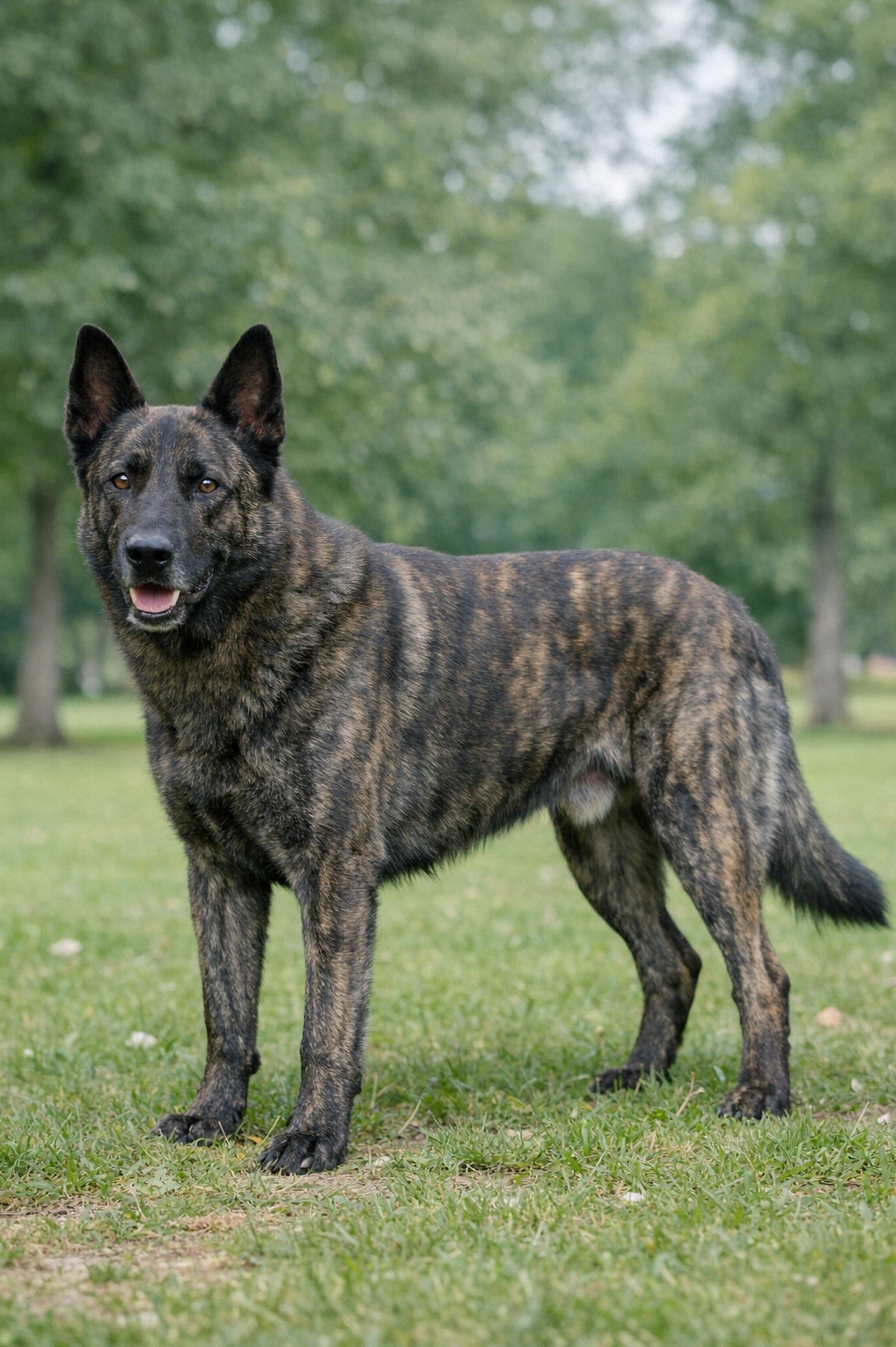
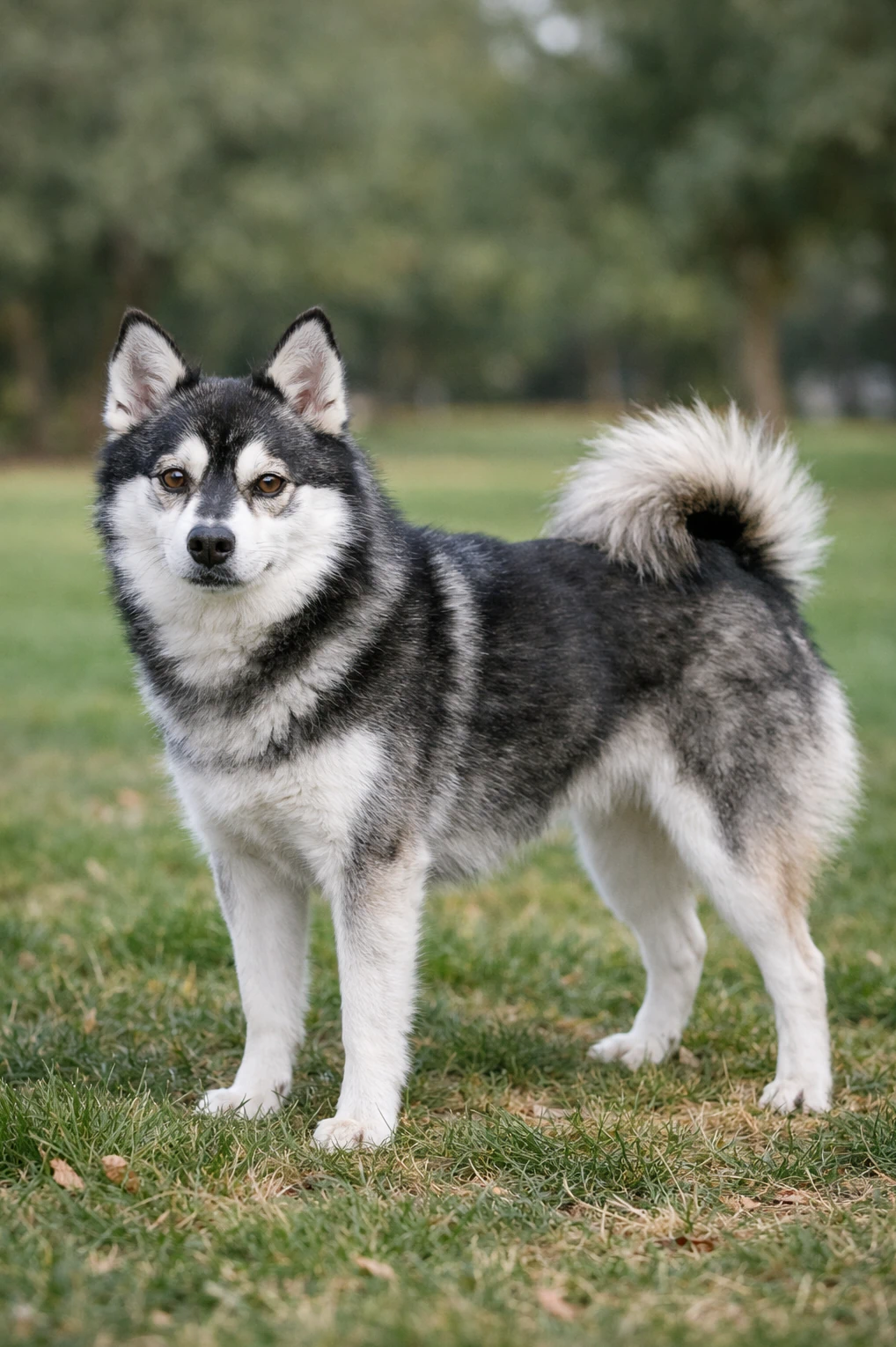
Best Dog Food for Yakutian Laika in 2026Based on Nutritional Science
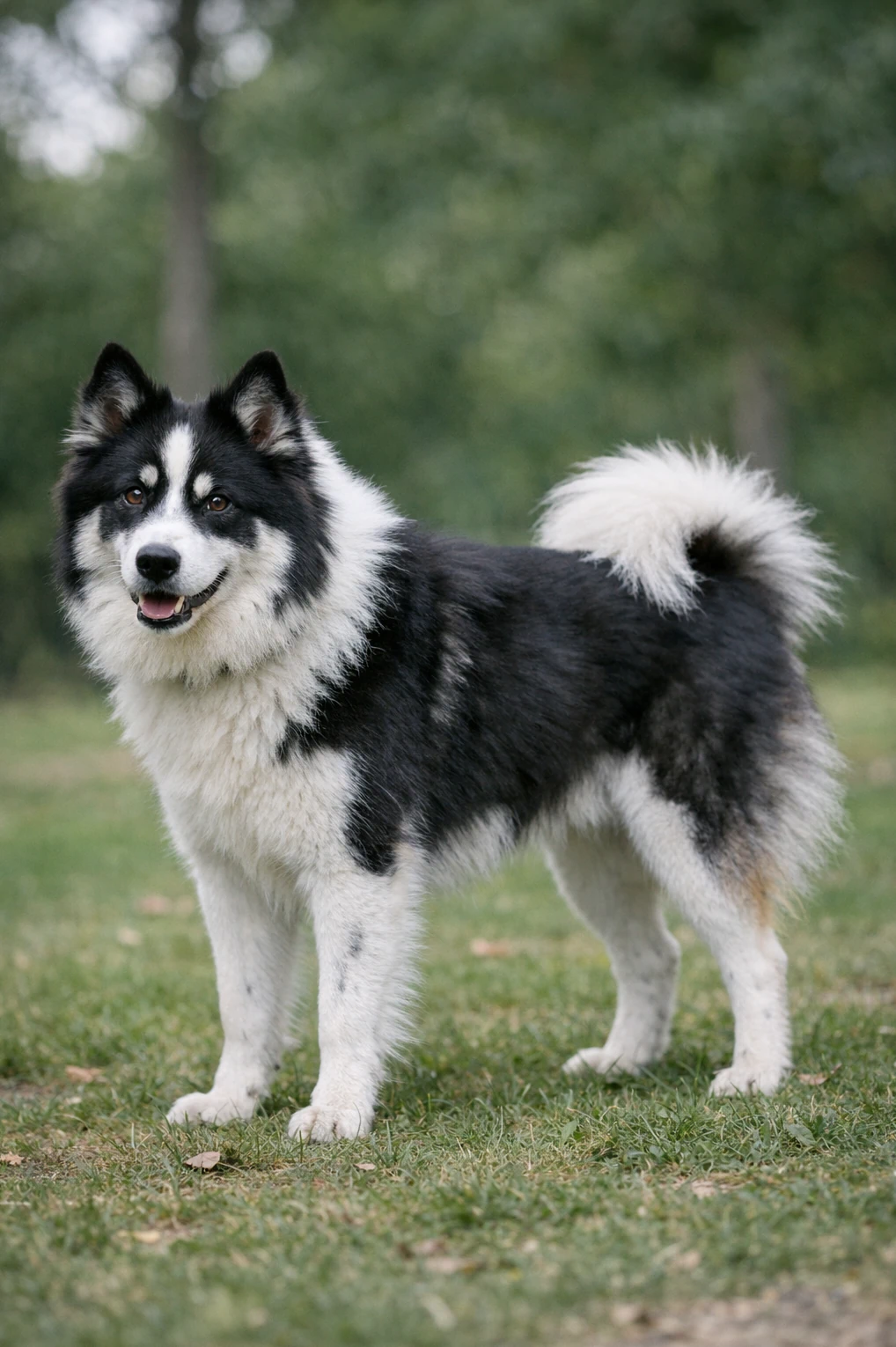
Yakutian Laika stands about 21 to 23 inches and weighs 40 to 55 pounds, bright, lively, and deeply devoted. Nutritional verdict: needs a protein-rich, balanced diet to support stamina, lean muscle, and a glossy coat.
Understanding the Yakutian Laika Metabolism and Energy Needs
Originating in cold, remote regions where they pulled sleds and tracked game, these dogs developed great endurance, a thick coat, and a sharp mind that benefits from both physical outlets and mental challenge. Their roots favor steady, long-lasting fuel rather than quick bursts, so their food should support stamina, warm-weather resilience and sustained focus throughout the day.
That means a diet higher in quality animal protein to maintain muscle and aid cognitive function, paired with richer fats for concentrated energy and coat health, for example oily fish, game or organ meats and a touch of fish oil. Moderate complex carbohydrates like sweet potato or oats help restore energy after long activity without sharp blood sugar swings. Adding omega-3s, joint support such as glucosamine, and antioxidant-rich ingredients like berries or kelp helps skin, cartilage and immune resilience in demanding conditions.
Managing Yakutian Laika Genetic Health Risks Through Nutrition
Hip Dysplasia
Helpful nutrients
Elbow Dysplasia
Helpful nutrients
Bloat (Gastric Dilatation-Volvulus)
Helpful nutrients
Eye Anomalies
Helpful nutrients
Obesity / Overweight
Helpful nutrients
Yakutian Laika Feeding & Calorie Calculator
Estimated Daily Calories
Tip: Start with this amount and adjust after 2–3 weeks based on your dog's body condition and weight trend.
This estimate provides a starting point for feeding. Individual calorie needs may vary depending on metabolism, body condition, and health status. Always monitor your dog's weight and consult your veterinarian when adjusting diet.
Foods and Ingredients to Avoid for Yakutian Laika Dogs
Yakutian Laikas can be prone to gaining weight, and high-fat foods or rich table scraps make that risk worse.
Excess fat not only contributes to obesity, it can also trigger pancreatitis, which is painful and sometimes serious for medium-large dogs.
Choose lean protein sources and low-fat treats to protect their joints and overall health.
If you want to share human food occasionally, check with your vet first and keep portions tiny.
Cooked bones easily splinter and can cause choking, broken teeth, or dangerous intestinal blockages.
Given a Yakutian Laika's active nature and solid bite, a fractured tooth or internal injury could lead to expensive veterinary care and a long recovery.
Avoid giving any cooked bones from poultry, pork, or beef. If you want a chew, pick vet-approved, durable options and supervise your dog while they enjoy it.
This breed has a known predisposition to bloat, so avoid feeding practices and foods that raise that risk.
Large meals, rapid eating, and diets that cause excessive gas can contribute to gastric dilatation-volvulus, a life-threatening condition in deep-chested breeds.
Offer two or more smaller meals per day, use slow-feeder bowls if needed, and steer clear of overly gassy ingredients.
Always consult your veterinarian about meal size and timing for your dog's shape and activity level.
Many Yakutian Laikas do well on high-quality diets but can gain weight if treats and extras add too many calories.
Carrying extra pounds stresses hips and elbows, increasing the chance of dysplasia-related problems as they age.
Use low-calorie, training-friendly treats and factor treats into daily calorie totals. If weight creeps up, reduce portion sizes and increase activity after checking with your vet.
Some grain-free formulas that rely heavily on peas, lentils, or other legumes have been linked to heart concerns in certain dogs when diets are unbalanced.
For a medium-large, active breed like the Yakutian Laika, heart health is important to support stamina and long-term wellbeing.
Talk to your veterinarian about diet choices and consider balanced formulas with a variety of protein and carbohydrate sources. Avoid single-ingredient-dominant recipes unless approved by a pro.
Certain human foods are dangerous for all dogs and should be strictly avoided, including chocolate, grapes and raisins, onions and garlic, and anything containing xylitol.
These can cause vomiting, organ failure, low blood sugar, or worse, and a Yakutian Laika's size does not protect them from these effects.
Keep toxic foods out of reach, teach family members not to share, and call your veterinarian or emergency clinic immediately if ingestion occurs.
How Nutritional Needs Change Throughout the Yakutian Laika Life Stages
Every life stage brings different nutritional needs for a dog, from the rapid growth of puppyhood through stable adulthood to the slower metabolism of senior years. For the Yakutian Laika, a large, intelligent and active breed, growth rate, activity level and common health tendencies shape those needs. Tailoring calories, protein, feeding schedule and preventative nutrients helps keep your Laika healthy, happy and full of energy.
| Life Stage | Age Range | Primary Objective | Key Nutrient Focus |
|---|---|---|---|
| Puppy | 0–15 months | controlled skeletal development, immune support, brain development | DHA, balanced calcium/phosphorus, high-quality protein |
| Adult | 1.5–6 years | lean muscle maintenance and sustained energy | high-quality protein, omega-3 fatty acids, fiber |
| Senior | 6+ years | joint mobility, metabolic health, and cognitive support | glucosamine, chondroitin, antioxidants, lower calories |
Yakutian Laika puppies grow into a substantial, athletic dog, so controlled, steady growth is important to protect developing bones and joints. Large-breed puppy diets that moderate calories while supplying high quality protein support lean muscle without encouraging overly rapid growth, which can raise the risk of hip or elbow dysplasia and bloat. Balanced calcium to phosphorus ratios, DHA for brain and eye development, and adequate iron and B vitamins support healthy maturation.
Feed smaller, more frequent meals early on, typically three to four times daily until about six months, then transition to two meals as growth steadies. Because Laikas are active, portion size should match energy needs, and slow diet transitions plus regular checks for eye or joint signs will help you catch issues early.
As adults, Yakutian Laikas are energetic and intelligent, so nutrition should focus on maintaining muscle mass and steady energy for daily activity. Offer high quality protein to preserve lean muscle and moderate healthy fats for sustained fuel, while complex carbohydrates and fiber support digestion and steady energy levels. Omega-3 fatty acids help keep that thick double coat healthy and may ease joint inflammation.
Match portion sizes and meal timing to your Laika’s lifestyle; working or highly active dogs need more calories, while companion dogs benefit from slightly lower intake to avoid weight gain and reduce bloat risk. Keep a close eye on body condition and consider periodic joint screening given the breed’s predisposition to hip and elbow concerns.
As Yakutian Laikas age, metabolism often slows and digestion can become less efficient, while mobility may decline in a breed prone to hip or elbow issues. Senior dogs usually need slightly fewer calories but should still receive high quality protein to preserve muscle mass, along with more easily digestible ingredients and gentle fiber to support digestion. Smaller, more frequent meals can ease digestion and help maintain steady energy without overloading the system.
Joint support through omega-3s and evidence-based supplements like glucosamine and chondroitin can aid mobility, and antioxidants such as vitamins E and C support eye and cognitive health. Work with your veterinarian to choose a nutrient-dense, lower calorie formula if needed, and monitor weight, appetite and mobility so you can adjust feeding as your Laika ages.
Kibble vs Fresh vs Raw for Yakutian Laika
Different feeding models suit different lifestyles, energy needs, and health risks of your Yakutian Laika.
Your dog's activity level, joint health, and how much time you have for meal prep help determine the best option.
Pros
- Convenient and easy to portion for busy, active owners.
- Formulas for active breeds provide higher protein and calories for sustained energy.
- Many include joint support nutrients helpful for hip and elbow health.
- Shelf stable and easy to store for outdoor adventures or multi dog homes.
Cons
- Lower moisture content may not suit dogs that need extra hydration.
- Some formulas contain fillers or low quality ingredients.
- Calorie dense recipes can promote weight gain without careful portion control.
- Eating fast can increase bloat risk, so use slow feeders for deep chested dogs.
Pros
- Highly palatable, great for picky or recovering dogs.
- High moisture supports hydration and healthy digestion.
- You control ingredient quality and fatty acids for coat health.
- Easier to avoid common kibble fillers and additives.
Cons
- More time consuming and often more expensive long term.
- Requires careful recipes or supplements for balanced calcium and vitamins.
- Needs refrigeration and meal prep, challenging for frequent travelers.
- Portion misjudgment can affect weight and joint health in active dogs.
Pros
- High quality protein supports muscle in active, working dogs.
- Some owners report shinier coats and higher energy levels.
- Minimally processed ingredients retain natural nutrients and fats.
- Can be tailored to address specific sensitivities or allergies.
Cons
- Strict hygiene needed to avoid bacterial contamination for dogs and humans.
- Raw bones can splinter, posing choking or intestinal injury risks.
- Balancing calcium and phosphorus requires careful recipes or veterinary advice.
- Storage and handling costs are higher, plus more freezer space.
| Diet Type | Pros for Yakutian Laika | Potential Downsides |
|---|---|---|
| High-Quality Kibble |
|
|
| Fresh Cooked Food |
|
|
| Raw Diet (BARF) |
|
|
Our Recommendation
For most Yakutian Laikas, a high quality kibble formulated for active breeds, with joint support and careful portioning, offers a reliable, practical base.
Fresh cooked meals are a great option for owners who want ingredient control and extra hydration, while raw diets can work for experienced handlers with veterinary guidance and strict hygiene.
See Also
Breeds with similar group, size, and coat characteristics