Best Dog Food for Alaskan Klee Kai in 2026Based on Nutritional Science
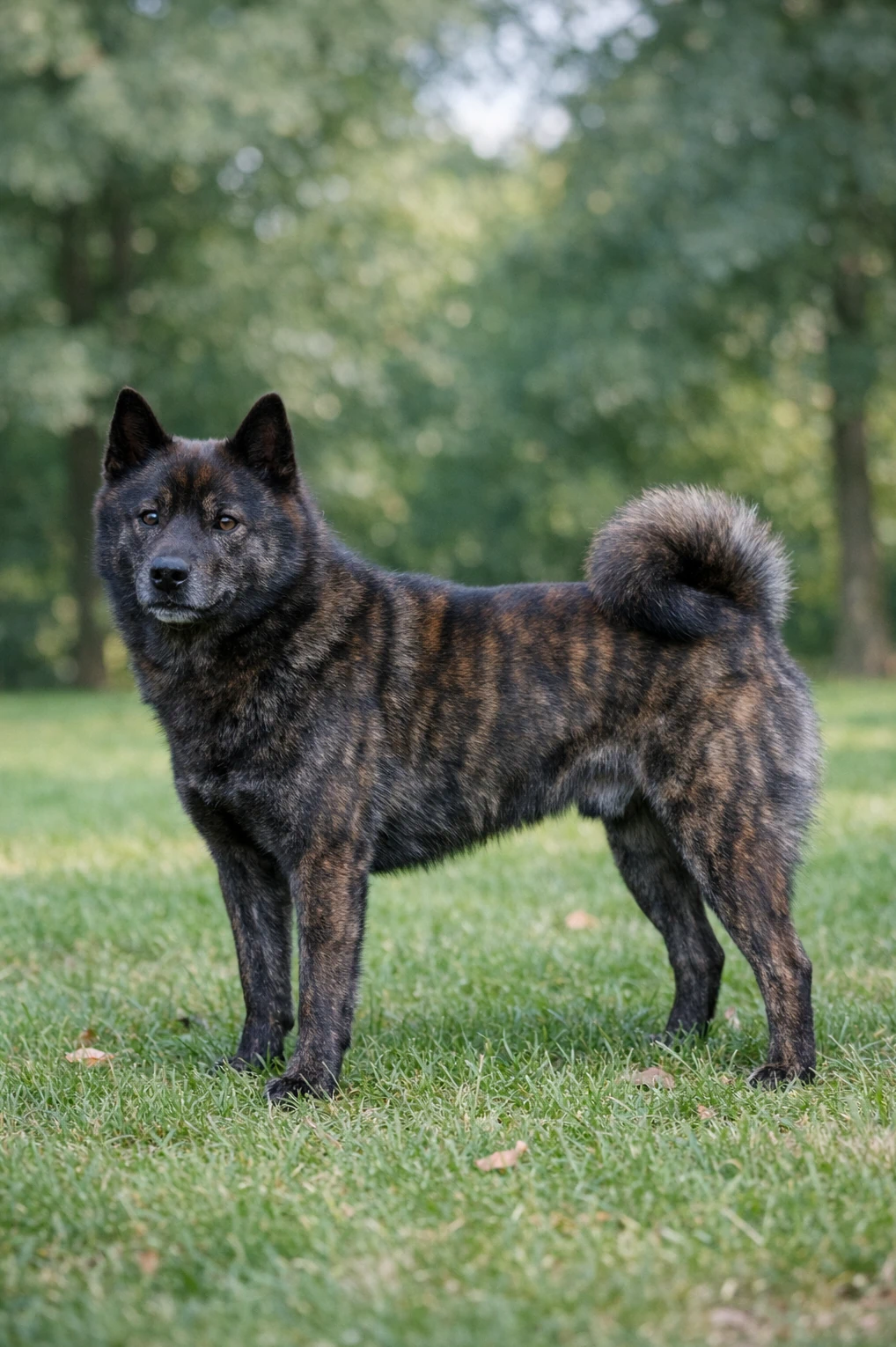
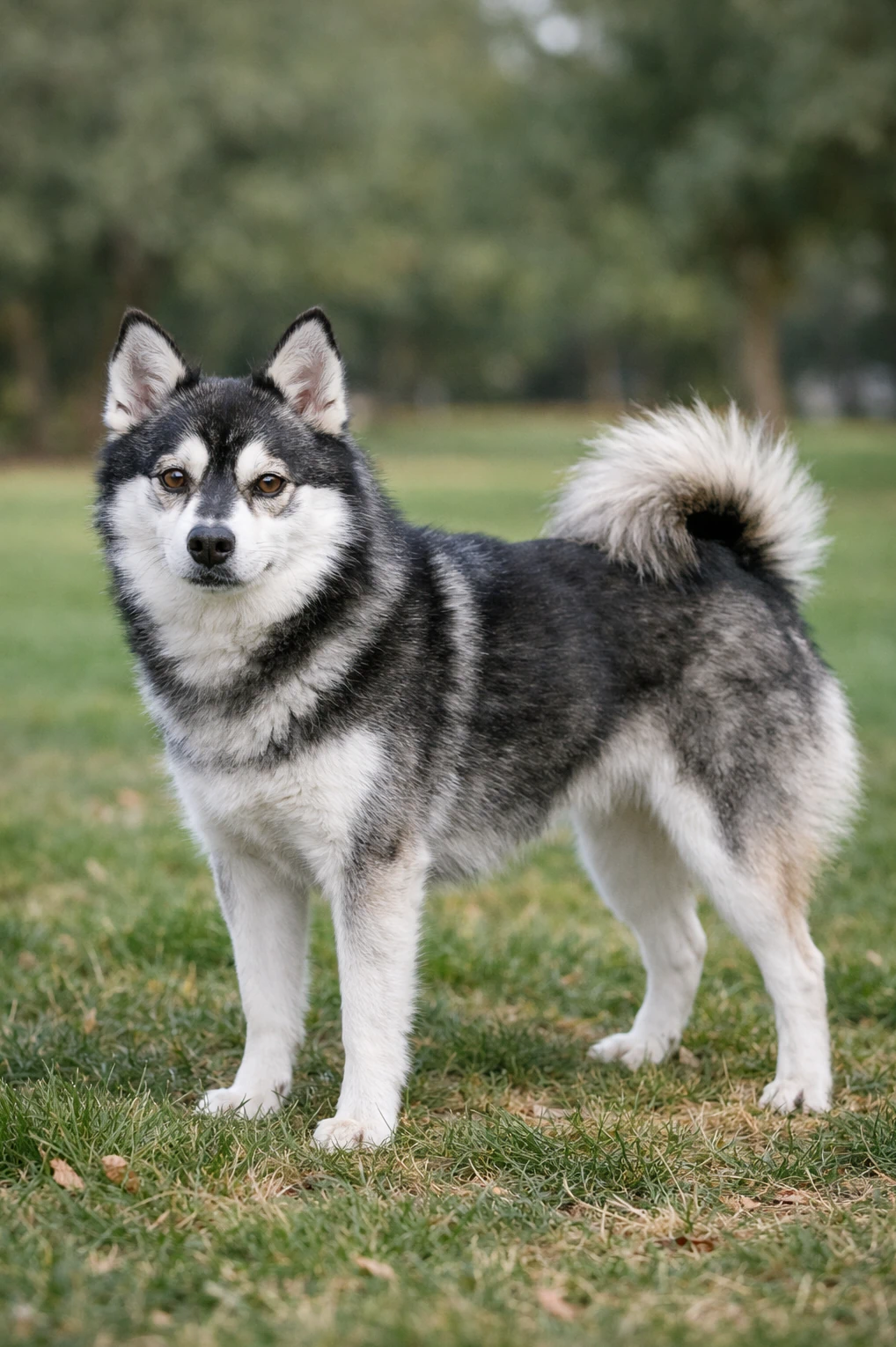
Compact companion, standing 12 to 17 inches and weighing 6 to 25 pounds, devoted, bright and watchful; Nutritional Verdict: needs a balanced, protein-focused diet with controlled portions and regular feeding to maintain lean muscle.
Understanding the Alaskan Klee Kai Metabolism and Energy Needs
This small, northern-style companion was developed for alert work and steady movement, so its body favors lean musculature and bursts of focused energy. Its devoted, bright, and watchful nature means it also requires steady mental fuel.
That background calls for relatively high-quality protein, roughly 25 to 28 percent of calories, to maintain muscle and support brain chemistry. Moderate fat, about 18 to 22 percent, provides dense energy and helps preserve a warm, healthy coat, with omega-3s aiding cognition and skin. Limited, slow-release carbohydrates reduce the risk of excess weight and prevent blood sugar spikes.
Targeted additions like DHA for brain health, glucosamine for joint support, and probiotics for digestion can be helpful. Careful portioning and nutrient-dense food keep this energetic companion compact, fit, and mentally sharp.
Managing Alaskan Klee Kai Genetic Health Risks Through Nutrition
Patellar Luxation
Helpful nutrients
Autoimmune Thyroiditis
Helpful nutrients
Heart Murmur / Cardiac Support
Helpful nutrients
Eye Disorders
Helpful nutrients
Factor VII Deficiency (bleeding risk)
Helpful nutrients
Obesity / Excessive Weight Gain
Helpful nutrients
Alaskan Klee Kai Feeding & Calorie Calculator
Estimated Daily Calories
Tip: Start with this amount and adjust after 2–3 weeks based on your dog's body condition and weight trend.
This estimate provides a starting point for feeding. Individual calorie needs may vary depending on metabolism, body condition, and health status. Always monitor your dog's weight and consult your veterinarian when adjusting diet.
Foods and Ingredients to Avoid for Alaskan Klee Kai Dogs
Alaskan Klee Kai can be prone to excess weight gain, and high-fat foods add calories quickly. Rich, fatty table scraps, fried foods, and fatty cuts of meat can push a small dog into unhealthy weight ranges and increase the risk of pancreatitis.
Extra weight creates added stress on joints and can worsen conditions like patellar luxation, so aim for lean protein and controlled portions to keep your Klee Kai trim and comfortable.
Treats are vital for training but too many can cause rapid weight gain in a small breed that ranges from 6 to 25 pounds. Many human snacks are high in salt, sugar, or fat and offer little nutritional value, which can aggravate weight and heart concerns.
For a dog with a possible heart murmur or a tendency toward obesity, choose low-calorie, nutritionally appropriate treats and keep total daily calories in check with your veterinarian.
Cooked bones can splinter and cause mouth injuries, digestive tract punctures, or obstructions, while oversized or very hard chews risk broken teeth for a small-jawed breed. Alaskan Klee Kai have relatively small mouths, so big or brittle chews are unnecessary and potentially dangerous.
Offer appropriately sized, veterinarian-approved chews and supervise chewing sessions to reduce choking hazards and dental damage, and avoid giving cooked poultry bones entirely.
Diets that rely heavily on peas, lentils, or other legumes in place of grains have been associated with heart problems in some dogs, and an Alaskan Klee Kai with a heart murmur may be more vulnerable to diet-related issues. Grain-free formulations vary widely in quality and nutrient balance, which can be risky for small breeds with genetic predispositions.
Work with your veterinarian to choose a balanced formula, and avoid long-term exclusive feeding of high-legume, grain-free diets unless testing and oversight confirm it is safe for your dog.
Omega-3s from fish oil can support skin and joint health, but high doses may increase bleeding tendency. Since Alaskan Klee Kai can be screened and sometimes affected by clotting issues such as Factor VII deficiency, extra caution is warranted when adding blood-thinning supplements.
Always check with your veterinarian before starting fish oil, human supplements, or herbal products, and avoid combining them with medications that affect clotting without professional guidance.
Some dogs with autoimmune thyroiditis or thyroid sensitivity can be affected by high intake of soy and large quantities of raw cruciferous vegetables like kale or cabbage, which contain compounds that may interfere with thyroid function when fed in excess. An Alaskan Klee Kai with a family history of thyroid issues should not be given large servings of these foods on a regular basis.
Keep human foods containing soy or raw brassicas to occasional, small portions only, and consult your veterinarian if you are concerned about thyroid health or want to add human foods to the diet.
How Nutritional Needs Change Throughout the Alaskan Klee Kai Life Stages
Like people, dogs’ nutritional needs shift as they move from puppyhood to adulthood and into their senior years, and tailoring food to each stage helps them thrive. The Alaskan Klee Kai is a medium, vigilant, and intelligent companion that tends to grow faster than very large breeds, stay active, and have breed-specific health tendencies such as patellar luxation, autoimmune thyroiditis, occasional heart murmurs, eye concerns, and Factor VII deficiency, all of which can guide nutritional choices. By matching calories, protein, calcium balance, and key nutrients to growth, daily activity, and age-related changes, you can support strong bones, a healthy coat, steady energy, and long-term wellbeing.
| Life Stage | Age Range | Primary Objective | Key Nutrient Focus |
|---|---|---|---|
| Puppy | 0–12 months | controlled skeletal development, immune support, brain development | DHA, balanced calcium/phosphorus, high-quality protein |
| Adult | 1–7 years | lean muscle maintenance and sustained energy | high-quality protein, omega-3 fatty acids, fiber |
| Senior | 7+ years | joint mobility, metabolic health, and cognitive support | glucosamine, chondroitin, antioxidants, lower calories |
Alaskan Klee Kai puppies move through a rapid growth phase during their first 6 to 12 months, often reaching much of their adult height by about 9 to 12 months while continuing to fill out through the first year. During this window their skeletal system and joints are still forming, so aim for steady, controlled growth rather than accelerated weight gain to reduce risk of orthopedic issues like patellar luxation.
Choose a puppy formula made for small to medium breeds that supplies high quality protein for muscles, DHA for brain and eye development, and a balanced calcium to phosphorus ratio for safe bone growth. Feed smaller, frequent meals to match their quick metabolisms and energetic nature, include moderate healthy fats for energy and coat health, and work with your breeder and vet to monitor growth and adjust portions given the breed’s possible thyroid and clotting predispositions.
As adults the Alaskan Klee Kai settles into a steady metabolism and an alert, active lifestyle, so nutrition should focus on maintaining lean muscle and consistent energy levels. Provide a complete diet with moderate to high quality protein and controlled healthy fats to match their activity, while keeping calories appropriate for their size range, generally 6 to 25 pounds, and use portion control to prevent excess weight that can strain joints or the heart.
Support the double coat with omega-3 and omega-6 fatty acids and ensure adequate micronutrients like zinc and vitamin A for skin and fur. Because this breed can be prone to thyroid or cardiac issues, keep routine vet checkups and be ready to adjust food type or amount if vet findings or changes in activity and body condition suggest you should.
When Alaskan Klee Kai dogs reach their senior years their metabolism often slows and activity levels tend to decline, so total calorie needs may drop while the need to preserve muscle increases. Older joints can become stiffer, so consider diets or supplements that include joint-support ingredients such as glucosamine, chondroitin, and omega-3 fatty acids, and add antioxidant-rich foods or nutrients to support immune health and cellular repair. Slight reductions in calories and fat, paired with maintained or slightly increased high quality, easily digestible protein, help prevent weight gain while protecting muscle.
Seniors may also develop dental wear or digestive changes, so softer textures or moistened food and moderate fiber for gut regularity can help. Continue monitoring thyroid function and heart health with your veterinarian because autoimmune thyroiditis or murmurs can affect appetite and energy, and personalize feeding frequency, portion size, and supplements to keep your older Klee Kai comfortable and well nourished.
Kibble vs Fresh vs Raw for Alaskan Klee Kai
Different feeding models suit different lifestyles and health needs, so there is no single right answer for every family. For an Alaskan Klee Kai, a small, active, double-coated breed, the best choice will consider energy needs, weight management, coat health, and any breed-related health screenings.
Pros
- Convenient, portion-controlled, and nutritionally complete for busy owners.
- Premium formulas include omega fatty acids that support a healthy double coat.
- Kibble texture helps reduce tartar buildup with regular chewing.
- Small-breed formulas match their smaller mouths and caloric needs.
Cons
- Some brands use fillers or excess calories, risking weight gain.
- Low moisture content may require adding water or monitoring hydration.
- Individual food sensitivities may require switching formulas.
Pros
- Highly palatable and gentle on digestion for picky eaters.
- Full control over ingredient quality and protein sources.
- Added moisture supports hydration and urinary health.
- Great for dogs with mild food sensitivities or allergies.
Cons
- Requires careful planning to ensure complete and balanced nutrition.
- More time-consuming and expensive than kibble.
- Without veterinary guidance, key nutrients like calcium may be missing.
Pros
- High in protein and very appealing to selective eaters.
- Some owners report improved coat condition with omega-rich raw ingredients.
- Can be portioned precisely to match this breed's activity level.
Cons
- Carries bacterial risks for both pets and people.
- Small breeds face choking hazards from whole bones.
- Demands strict hygiene, proper sourcing, and veterinary guidance.
- Dogs with bleeding or joint conditions need extra caution.
| Diet Type | Pros for Alaskan Klee Kai | Potential Downsides |
|---|---|---|
| High-Quality Kibble |
|
|
| Fresh Cooked Food |
|
|
| Raw Diet (BARF) |
|
|
Our Recommendation
For many Alaskan Klee Kais, a high-quality kibble formulated for small, active breeds is a practical and balanced foundation, often complemented with fresh toppers or targeted supplements for coat and joint support. If you prefer fresh or raw options, work closely with your veterinarian or a canine nutritionist to ensure the diet is complete and safe for this breed's size and health profile.
See Also
Breeds with similar group, size, and coat characteristics